The Ultimate Honey Bread Recipe: A Journey to Silky Texture and Spiced Sweetness
There’s something inherently comforting about the aroma of freshly baked bread, especially when it’s infused with the golden sweetness of honey and a hint of warm spices. The very name “Honey Bread” evokes a sense of home, warmth, and delicious anticipation. But what if a seemingly simple loaf held a secret to an exceptionally fine, silky texture, demanding an unusual commitment in the kitchen? Today, we embark on a culinary adventure to explore such a recipe, one that promises a unique experience and a truly memorable result: the Honey Bread from the esteemed 13th Edition of the Fannie Farmer Cookbook.
A Classic Revisited: The Fannie Farmer Legacy
Our journey begins with a beloved culinary institution, the Fannie Farmer Cookbook. Specifically, this particular Honey Bread recipe is found on page 537 of the 13th Edition, penned by the talented Marion Cunningham and published by Alfred A. Knopf, Inc., a division of Random House (ISBN 0-394-56788-9). This cookbook is renowned for preserving and updating American classic recipes, making them accessible to new generations of home bakers. Cunningham’s contribution to the culinary world, particularly through her meticulous approach to traditional baking, shines brightly in recipes like this one.
Marion Cunningham herself describes this bread with an enticing promise: “Honey Bread has a fine silky texture and the sweet, mild flavor of spice. Very long beating is the secret of its tender grain.” This statement immediately piques interest, hinting at a bread that deviates from the ordinary. The emphasis on “very long beating” isn’t just a suggestion; it’s presented as the fundamental secret to achieving its signature tender grain and elegant, silky texture. As we would soon discover, she certainly wasn’t exaggerating about the commitment required for this step!
Why Bake This Unique Honey Bread?
In a world brimming with countless bread recipes, what makes this Honey Bread stand out? It’s more than just its sweet, spiced flavor; it’s the distinctive textural experience it offers. For those who appreciate a bread that boasts an incredibly tender crumb and a smooth, almost refined feel on the palate, this recipe is a must-try. The combination of honey and carefully selected spices creates a flavor profile that is both comforting and sophisticated, making it perfect for breakfast, a delightful afternoon snack, or even a light dessert.
Furthermore, tackling a recipe with such a specific, unusual instruction – the “very long beating” – offers a rewarding challenge for any baker. It invites us to understand how different mixing techniques can profoundly impact the final structure and texture of baked goods. This isn’t just about following steps; it’s about observing transformation and learning the nuances of aeration and gluten development in a unique context.
Classic Honey Bread Recipe: Ingredients & Instructions
Ready to discover the secret behind this remarkably silky and flavorful loaf? Gather your ingredients and prepare for an engaging baking experience.
Ingredients for Honey Bread:
- 2 cups white flour (all-purpose flour works perfectly, sifted for best results)
- 1 teaspoon baking powder
- 1 teaspoon baking soda
- 1 teaspoon salt
- ½ teaspoon cinnamon (ground, for that warm, aromatic kick)
- 1 teaspoon ginger (ground, complementing the cinnamon beautifully)
- ½ cup honey (choose a good quality, mild honey to let its flavor shine)
- 1 egg, slightly beaten (for richness and binding)
- 1 cup milk (whole milk often yields a richer crumb)
Step-by-Step Instructions:
- Prepare Your Oven and Pan: Begin by preheating your oven to 350ºF (175ºC). This ensures a consistent baking temperature from the moment your batter enters the oven. Next, thoroughly butter a standard loaf pan. A well-greased pan prevents sticking and ensures your beautiful loaf releases easily after baking.
- Combine Dry Ingredients: In a large mixing bowl, combine the dry ingredients: flour, baking powder, baking soda, salt, cinnamon, and ginger. Whisk them together briefly to ensure they are well distributed. This prevents pockets of leavening agents or spices in your final bread.
- Add Wet Ingredients: Now, add the wet ingredients directly into the bowl with the dry mixture: the ½ cup of honey, the slightly beaten egg, and the 1 cup of milk.
- The Legendary Beating Process: This is where the magic (and the effort!) happens. Using an electric mixer, beat the mixture thoroughly. And when we say thoroughly, we mean for an astonishing 20 minutes. Yes, you read that right – twenty full minutes! This extended beating is critical for developing the gluten and aerating the batter, which is the secret to the bread’s promised fine, silky texture and tender grain.
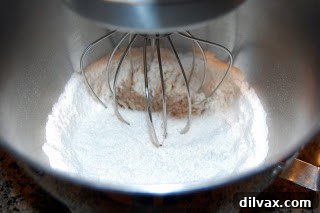
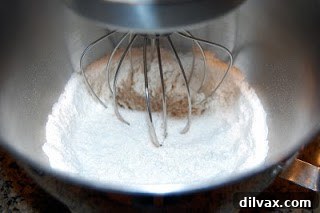
Initial mixing of dry and wet ingredients.
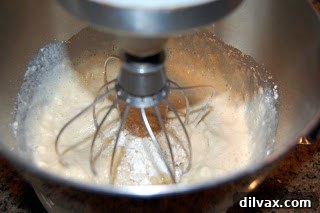
The batter transforms significantly during the long beating process.
After mixing for 10 minutes, notice the change in consistency and aeration.
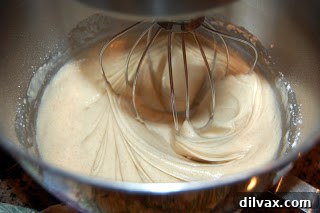
The batter is done mixing after the full 20 minutes, now light and airy.
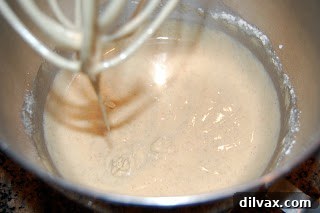
- Bake to Perfection: Once the 20 minutes of beating are complete, spoon the aerated batter into your prepared loaf pan. Bake for approximately 50 minutes. To check for doneness, a wooden skewer or toothpick inserted into the center of the loaf should come out clean.
- Cooling: After baking, carefully remove the bread from the pan and cool it completely on a wire rack. This allows air to circulate around the loaf, preventing the bottom from becoming soggy and ensuring an even texture throughout.
My Baking Journey and Honest Review: A Test of Endurance and Expectations
Embarking on this Honey Bread recipe was truly an experience. The initial instruction of “20 minutes” of beating felt more like a marathon than a simple recipe step. I’ve kneaded doughs for extended periods, but continuously beating a batter for twenty minutes with an electric mixer? That was a first! I can honestly say I’ve never beaten anything for that long, not even a vigorous meringue, let alone a quick bread batter. The thought of holding a hand mixer for such a duration is enough to make my arm ache just contemplating it. Thankfully, I was armed with a trusty stand mixer, which proved to be an absolute lifesaver. Without it, this recipe might have tested my patience beyond its limits. So, consider this a crucial tip: a stand mixer is your best friend for this particular Honey Bread!
The Transformation of the Batter:
During those 20 minutes, the batter undergoes a remarkable transformation. It starts as a relatively thick, somewhat lumpy mixture, gradually smoothing out, becoming noticeably lighter in color, and gaining a significant volume of air. This aeration is precisely what Marion Cunningham hinted at, promising that tender grain and silky texture. Watching it evolve was fascinating, a testament to the power of persistent mechanical action in baking.
Texture Talk: Silky Yet Surprisingly Chewy
Upon slicing the cooled loaf, the promised fine, silky texture was indeed evident. The crumb was impressively uniform and smooth, quite unlike typical quick breads that often have a more open, rustic crumb. However, what truly stood out was its chewiness. This bread was surprisingly chewier than almost any other loaf I’ve ever encountered. It required a good bit of chewing, which was an unexpected characteristic given the “silky” description. It wasn’t unpleasant, merely different, prompting a moment of reflection on how exactly the long beating contributed to this unique mouthfeel.
Flavor Profile: A Harmonious Blend
Flavor-wise, the Honey Bread certainly delivered. The combination of sweet honey and the warm, earthy notes of cinnamon and ginger created a delightful harmony. It’s a comforting, inviting taste that truly embodies the essence of a spiced sweet bread. Eaten plain, it was good, but with a generous smear of butter, it elevated to another level of deliciousness. The richness of the butter perfectly complemented the bread’s sweetness and spice. I even looked forward to trying it toasted the next morning, anticipating how the warmth would enhance its aromatic qualities.
The “Dromedary” Mystery: An Unexpected Shape
 |
|
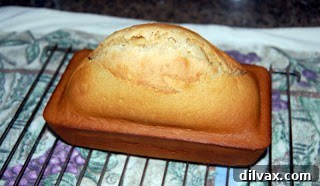
The unique “dromedary” hump on the Honey Bread. |
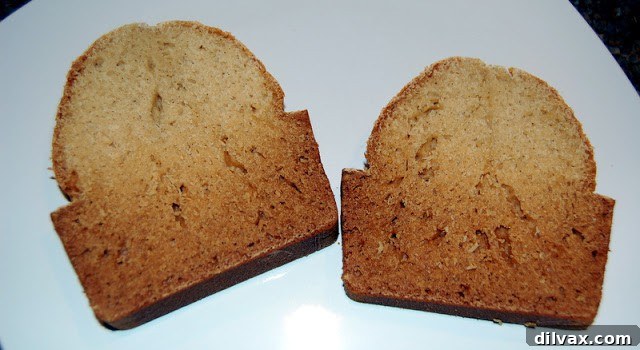
Perhaps the most perplexing aspect of this baking adventure was the bread’s appearance. It emerged from the oven with a rather peculiar shape, what I affectionately dubbed a “dromedary loaf” due to its distinctive hump! I’ve baked countless loaves over the years, but I’ve never seen bread take on such a dramatic, camel-like silhouette. Adding to the mystery, it was also distinctly two-toned internally, with a lighter top and a slightly denser, darker bottom layer. This strange formation left me wondering if it was a result of the extended mixing, a specific property of the batter, or perhaps an interaction with my loaf pan. It was definitely a weird phenomenon.
 |
|
An intriguing two-toned interior. |
The Verdict: A Two Rolling Pin Loaf
Using my personal rating system of 1-4, with 4 being the absolute best, I would give this Honey Bread 2 rolling pins. While it was certainly edible and offered an interesting texture and pleasant flavor, it didn’t quite reach the “great” category for me. The chewy texture, though unique, wasn’t my preferred style for this type of bread, and the unusual “dromedary” shape and two-toned interior added an element of mystery that made it less visually appealing than a perfectly domed loaf. Ultimately, while it was a fascinating baking experiment, it’s not a recipe I envision adding to my regular rotation. However, for those seeking a baking challenge and a bread with a truly distinctive texture, it’s definitely worth trying once!
Mastering Your Honey Bread: Tips for Perfect Results & Exciting Variations
Tips for Success:
- Stand Mixer is Key: As highlighted, a stand mixer is almost essential for the 20-minute beating process. It ensures consistent mixing without fatiguing the baker.
- Observe the Batter: Don’t just set a timer and walk away. Observe how the batter changes during mixing. It should become significantly lighter, smoother, and somewhat aerated, almost like a very thick cake batter.
- Pan Preparation: Always butter your loaf pan meticulously. You can also lightly flour it after buttering for extra assurance against sticking, especially with a denser batter like this can become.
- Oven Calibration: Ovens vary. If your bread seems to be browning too quickly or not baking through, consider adjusting your oven temperature slightly or using an oven thermometer to verify accuracy.
- Cool Completely: Resist the urge to slice into the bread while it’s hot. Cooling on a wire rack allows the internal structure to set and steam to escape, resulting in a better texture and easier slicing.
- Troubleshooting the “Dromedary” Shape: While the exact cause of my bread’s peculiar shape remains a bit of a mystery, it could be influenced by factors like oven hot spots, specific loaf pan dimensions, or perhaps the unique interaction of leavening agents with the highly aerated, dense batter. If you encounter a similar shape, don’t despair – it often doesn’t affect the taste! Ensuring your oven is evenly heated and your loaf pan isn’t too large for the batter volume might help.
Delicious Variations to Explore:
While the classic recipe is wonderful, feel free to personalize your Honey Bread with these exciting additions:
- Nutty Crunch: Fold in ½ cup of chopped walnuts or pecans during the last minute of mixing for added texture and flavor.
- Fruity Delight: Incorporate ½ cup of dried cranberries, raisins, or chopped dried apricots for bursts of sweet-tart flavor.
- Enhanced Spice Profile: Add a pinch of nutmeg or allspice along with the cinnamon and ginger for a richer, more complex spice blend.
- Citrus Zest: Grate in the zest of one orange or lemon for a bright, aromatic lift that complements the honey beautifully.
- Honey Glaze: For an extra touch of sweetness and shine, whisk together 2 tablespoons of honey with 1 tablespoon of warm milk or water. Drizzle over the cooled loaf.
- Muffin Magic: This batter could easily be baked as muffins. Reduce baking time to approximately 20-25 minutes, or until a toothpick comes out clean.
Embrace the Baking Journey
Baking, at its heart, is an adventure. Some recipes yield predictable perfection, while others, like this Honey Bread, offer delightful surprises and lessons learned. It’s a testament to the fact that even classic recipes can present unique challenges and fascinating outcomes. Whether you’re a seasoned baker or just starting your culinary explorations, I encourage you to try this Fannie Farmer Honey Bread. Experience the marathon mixing, marvel at the silky texture, and perhaps even embrace your own uniquely shaped “dromedary” loaf. Every bake is a step in your journey to culinary mastery.
Happy baking, and may your kitchen always be filled with the wonderful aroma of something delicious!