We hope you had a wonderfully relaxing and enjoyable weekend!
Irresistible Cape Cod Oatmeal Cookies: A Timeless Treat
There’s something uniquely comforting about a homemade oatmeal cookie. Recently, a specific craving hit me – not just any oatmeal cookie, but a classic, chewy oatmeal raisin cookie. It had been quite some time since I’d felt such a specific culinary urge, which meant one thing: it was time to bake. Today, that craving led me straight to a treasured recipe for what are known as “Cape Cod Oatmeal Cookies.”
The name itself sparks curiosity. Why “Cape Cod”? The venerable Fannie Farmer Cookbook offers no direct explanation, leaving us to ponder the connection to New England’s charming coastline. However, considering author Marion Cunningham’s apparent fondness for the East Coast, evidenced by several New England-inspired recipes within her works, it’s safe to assume these cookies embody a traditional, wholesome essence reminiscent of coastal comfort and classic American baking.
This delightful recipe is sourced from:
Fannie Farmer Cookbook Thirteenth Edition, p. 615;
Author: Marion Cunningham;
Publisher: Alfred A. Knopf, Inc., a division of Random House, Inc.;
ISBN: 0-394-56788-9.
The Allure of Cape Cod Oatmeal Cookies
What makes these cookies so special? Perhaps it’s the perfect balance of warm spices, the hearty texture of oats, and the sweet bursts of raisins that evoke a sense of nostalgia. Whether you imagine crisp autumn days by the New England shore or simply a cozy afternoon at home, these Cape Cod Oatmeal Cookies deliver on flavor and comfort. This recipe is surprisingly straightforward, proving that even a seemingly long list of ingredients can come together quickly for a truly rewarding baking experience.
Classic Cape Cod Oatmeal Cookies Recipe
Ingredients:
- 1½ cups all-purpose flour: The foundational ingredient, providing structure and body to our cookies.
- ½ teaspoon baking soda: A leavening agent that helps the cookies spread and become tender, contributing to that characteristic chew.
- 1 teaspoon ground cinnamon: The star spice, imparting warmth and an inviting aroma that complements the oats and raisins beautifully.
- ½ teaspoon salt: Essential for balancing the sweetness and enhancing all the other flavors, making them truly pop.
- 1 large egg, lightly beaten: Acts as a binder, adding moisture and richness, and helping to create a cohesive dough.
- 1 cup granulated sugar: Provides sweetness, aids in browning, and contributes to the cookie’s tender crumb.
- ½ cup unsalted butter, melted: Adds richness and moisture, resulting in a wonderfully soft and slightly chewy texture. Melting the butter also makes for an easier mixing process.
- 1 tablespoon molasses: A key ingredient for classic oatmeal cookies, molasses contributes a deep, caramelized flavor, rich color, and incredible chewiness that sets these cookies apart.
- ¼ cup whole milk: Adds additional moisture, helping to bring the dough together and ensuring a tender cookie.
- 1¾ cups uncooked rolled oats: The heart of any oatmeal cookie, providing texture, a hearty chew, and that distinct oat flavor. We recommend old-fashioned rolled oats for the best texture.
- ½ cup raisins: Offers bursts of natural sweetness and a delightful chewiness. Feel free to adjust the amount to your preference.
Instructions:
- Preheat Your Oven: Begin by preheating your oven to 350°F (175°C). This ensures your oven is at the correct temperature for even baking from the moment your cookies enter.
- Combine Dry Ingredients: In a large mixing bowl, thoroughly whisk together the flour, baking soda, cinnamon, and salt. Mixing these dry ingredients well ensures that the leavening and spices are evenly distributed throughout the dough.
- Add Wet and Remaining Ingredients: To the bowl with the dry mixture, add the lightly beaten egg, granulated sugar, melted butter, molasses, milk, uncooked oatmeal, and raisins.
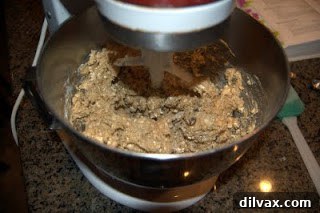
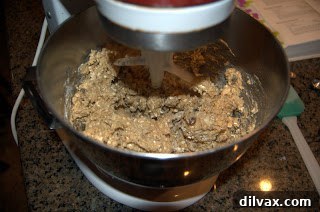
- Mix Until Just Combined: Stir all ingredients together until everything is well combined and no dry streaks of flour remain. Be careful not to overmix, as this can lead to tougher cookies. The dough will be thick and shaggy, a perfect consistency for oatmeal cookies.
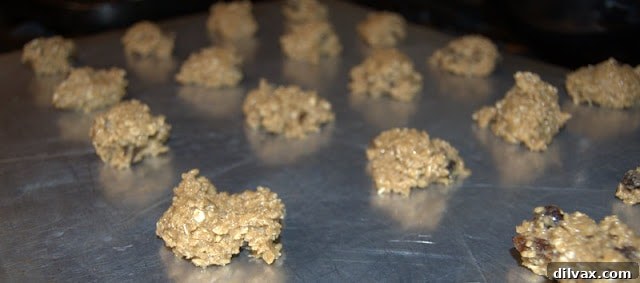
- Prepare for Baking: Using a teaspoon, drop rounded spoonfuls of dough onto ungreased cookie sheets. While some recipes suggest parchment paper or greasing, the fat content in this dough, particularly the melted butter, is usually sufficient to prevent sticking. However, if you prefer, a light spray of non-stick cooking spray or a sheet of parchment paper can be used for extra assurance and easier cleanup. Ensure you leave enough space between each cookie for them to spread.
- Arrange Dough on Sheets: Carefully arrange the individual cookie dough portions on your prepared baking sheets, maintaining consistent size for even baking.
- Bake to Perfection: Bake in the preheated oven for approximately 10-12 minutes, or until the edges of the cookies are golden brown and set, but the centers still look slightly soft. This ensures a wonderfully chewy interior. Baking times can vary depending on your oven, so keep a close eye on them towards the end.
- Cooling: Allow the cookies to cool on the baking sheets for a few minutes before transferring them to a wire rack to cool completely. This helps them set and prevents them from breaking apart.

The Baking Experience and Taste Test
For many years, my go-to oatmeal cookie recipe has been the one found on the Quaker Oats package. It’s a reliable staple, and one often assumes if a recipe is printed directly on the ingredient, it must be a tried-and-true winner. And indeed, it is a good recipe.
However, this Cape Cod Oatmeal Cookie recipe presented a delightful revelation. I found myself truly favoring its distinct characteristics. The flavor profile here is richer, with the molasses playing a significant role in adding depth and a lovely caramel note that distinguishes it from other recipes. But the real winner for me was the texture: these cookies are exceptionally chewy, offering a satisfying bite that truly elevates the oatmeal cookie experience.
Despite the seemingly extensive list of ingredients, the preparation process was remarkably quick. All the ingredients came together effortlessly, making this an ideal recipe for when you crave homemade cookies without a lengthy commitment in the kitchen. The ease of preparation, combined with the superior flavor and chewiness, makes this recipe a strong contender for a new favorite.
Customizing Your Cookies: The Raisin Debate
One personal note on customization: I truly appreciate a generous amount of raisins in my oatmeal cookies. While the recipe calls for ½ cup, I found myself wishing for just a little more, perhaps an additional ¼ to ½ cup. If you, like me, enjoy those sweet, chewy pockets of fruit throughout your cookies, don’t hesitate to increase the quantity. Beyond raisins, these cookies would also welcome other additions like chopped walnuts or pecans for a nutty crunch, or even a handful of chocolate chips for a different kind of sweetness.
Our Verdict: A Rolling Pin Rating
I typically rate recipes on a scale of 1 to 4, with 4 being the absolute best. These Cape Cod Oatmeal Cookies proudly earned 3½ rolling pins! This places them firmly in the “must-make-again” category. What would make them a perfect 4? Perhaps a touch more experimentation with spice blends or a slightly richer molasses note, but honestly, they are nearly perfect as they are. The entire family heartily approved, which is always the ultimate seal of success in my kitchen.
Tips for Perfect Cape Cod Oatmeal Cookies
- Measure Accurately: Especially with flour, ensure you’re using the “spoon and level” method rather than scooping directly from the bag to avoid overly dense cookies.
- Room Temperature Ingredients: While the butter is melted, ensure your egg and milk are at room temperature. This helps them incorporate more smoothly into the batter, creating a more uniform dough.
- Don’t Overbake: For the chewiest cookies, remove them from the oven when the edges are golden brown but the centers still look slightly soft. They will continue to set as they cool on the baking sheet.
- Storage: Store cooled cookies in an airtight container at room temperature for up to 3-5 days to maintain their freshness and chewiness.
- Freeze Dough or Baked Cookies: You can scoop portions of dough onto a baking sheet and freeze until solid, then transfer to a freezer bag. Bake from frozen, adding a few extra minutes to the baking time. Baked cookies also freeze well for up to 3 months.
Why “Cape Cod”? A Speculative Thought
While Marion Cunningham left us to wonder about the name, it’s fun to speculate. Perhaps the “Cape Cod” moniker suggests a cookie that is robust and wholesome, much like the New England character. It might imply traditional ingredients, a recipe passed down through generations, or simply a cookie that pairs perfectly with a warm cup of coffee on a breezy day by the sea. Regardless of its origin, the name imbues these oatmeal cookies with a charming, rustic appeal that makes them even more inviting.
So, if you’re looking for a new favorite oatmeal cookie recipe that promises a delightful chew, warm spices, and the comforting taste of home, these Cape Cod Oatmeal Cookies are an absolute must-try. Happy baking!