
Decadent Turtle Parfaits with Silken Tofu: An Easy, Sustainable Dessert
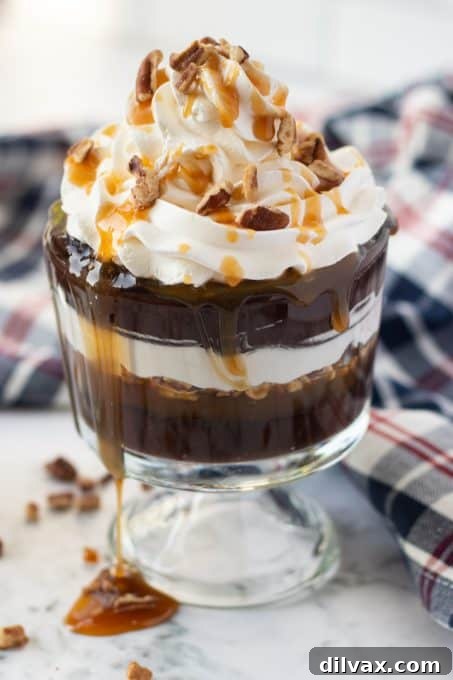
Indulge in these effortlessly elegant Turtle Parfaits, a layered dessert that truly defines simple decadence. Each spoonful delivers a symphony of flavors and textures: a sumptuously rich dark chocolate pudding (secretly made with silken tofu!), light and airy whipped topping, a drizzle of luscious caramel sauce, and the satisfying crunch of toasted pecans. These parfaits are not only incredibly delicious but also surprisingly easy to assemble, making them the perfect showstopper for special guests or a delightful treat to elevate any weeknight.

I am proud to be partnering with Best Food Facts and the United Soybean Board to bring you this post. As always, all opinions are 100% my own. This collaboration allows us to explore innovative ingredients and the sustainable practices behind them.
The Secret Ingredient: Silken Tofu for Unbelievable Creaminess
Prepare to be amazed! The incredibly rich and creamy texture of the chocolate pudding in these parfaits comes from an unexpected hero: silken tofu. I wouldn’t blame you if you raised an eyebrow, but I genuinely believe you’d never guess it’s there unless I told you. Seriously, I STRONGLY encourage, even insist, that you try it yourself. This isn’t just a dairy-free alternative; it’s a game-changer that produces arguably THE richest and creamiest chocolate pudding I’ve ever tasted. It’s SO, so good, offering a velvety smooth consistency that truly rivals traditional dairy puddings.
SAVE THIS EASY TURTLE PARFAITS DESSERT RECIPE TO YOUR FAVORITE PINTEREST BOARD!
From Farm to Fork: My Journey and the Inspiration Behind Turtle Parfaits
The inspiration for these easy Turtle Parfaits sprang from a fascinating soy farm tour I had the privilege of experiencing last June. Along with several fellow bloggers, I traveled to Iowa to delve into the world of soybean farming. We toured sprawling soy farms, engaged in insightful conversations with farmers about their innovative farming practices and unwavering commitment to sustainability, and even participated in cooking demonstrations using various forms of soy. One recipe truly captured my imagination: a heavenly Dark Chocolate Pudding. With just one bite, I knew its incredible richness and unique texture would be the perfect foundation for a new “Turtle” creation, drawing parallels to my beloved Turtle Dream Bars. But before we dive into the recipe, let’s talk a bit about the fascinating world of…

Understanding Sustainable Farming: Nurturing Our Land for Generations
“Family Farmers have been focused on passing their farm including their land and an ability to raise animals on to the next generation long before the term “sustainable” was a thought in the consumer’s mind.”
– Rommereim Farms (est. 1874)
This quote beautifully encapsulates the essence of sustainable farming, a concept that is more crucial today than ever before. It’s about implementing agricultural practices that ensure the health and productivity of the land, allowing farmers to pass down their livelihoods and legacy for generations to come. Farmers are not just growing crops or raising livestock; they are stewards of the land, committed to using the best available means to be profitable, environmentally responsible, and produce the highest quality product for consumers.
Key Sustainable Practices:
- No-Till Farming: Farmers like Dave Struthers of Struthers Farms, among many others, actively choose to implement no-till or minimal-till practices for their crops. This approach involves disturbing the soil as little as possible, which dramatically reduces soil erosion. More importantly, it preserves the billions of beneficial microorganisms that thrive beneath the surface, maintaining a healthy, vibrant soil ecosystem that is essential for robust plant growth and long-term soil fertility.
- Manure Management & Reuse: One of the most fascinating aspects I’ve observed on numerous farm visits is the ingenious effort to reuse manure from livestock. Far from being a waste product farmers are simply eager to remove due to smell, manure is an incredibly valuable resource. It serves as a natural, nutrient-rich fertilizer for crops like soybeans, significantly reducing the need for synthetic fertilizers and saving farmers substantial costs. This practice enriches the soil with vital organic matter and nutrients, fostering a healthier growing environment.
- The Sustainable Cycle: This leads to a beautiful, interconnected cycle. Farmers use manure to fertilize their fields, nurturing crops like soybeans. These soybeans, along with other essential ingredients, are then often combined into specialized feed mixtures for the livestock they raise. This closed-loop system highlights the efficiency and environmental consciousness at the heart of modern sustainable agriculture, minimizing waste and maximizing resource utilization.
- Water Conservation: Many sustainable farms also implement advanced irrigation techniques and watershed management to reduce water usage, protecting this vital resource for future generations and minimizing environmental impact.
- Crop Rotation and Diversity: Rotating different crops on the same land helps replenish soil nutrients naturally, reduces pest and disease pressure, and promotes overall soil health without relying heavily on chemical inputs.
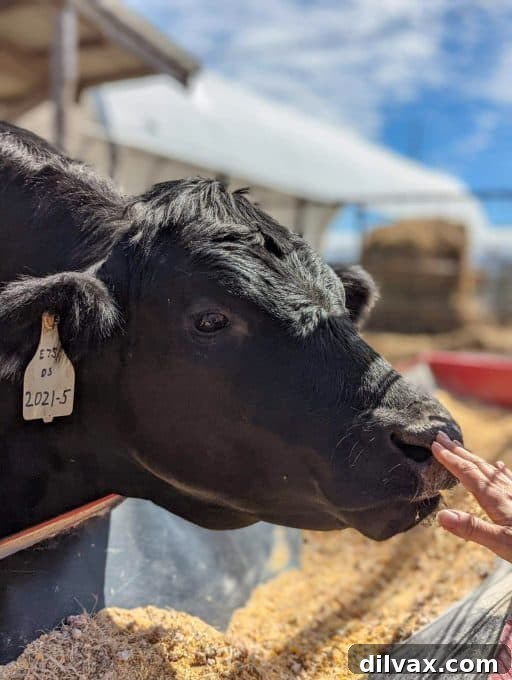
Sustainable Food Production: Addressing Modern Concerns
For consumers, sustainable farming translates into confidence that farmers are working their hardest to bring you the best possible food items. This dedication extends to various aspects of modern agriculture, including understanding the role of genetically modified organisms (GMOs). There are many valid concerns and questions surrounding GMOs, with some people believing they are unsafe to consume. However, it’s important to consider the scientific consensus. According to the World Health Organization, extensive research has shown that:
“no effects on human health have been shown as a result of the consumption of [genetically modified foods] by the general population in the countries where they have been approved.”
It’s vital to remember that farmers are not only growing food and raising animals for consumers but also feeding these products to their own families. Farming is often their entire life and, for many, their sole source of income. This means your concerns are inherently their concerns. While foods with GMOs exist, it doesn’t automatically mean they are detrimental or have an adverse effect on our health. In fact, many GMOs are developed to solve critical agricultural challenges, such as increasing yield, enhancing nutritional value, or improving resistance to pests and diseases, thereby contributing to global food security.
Debunking GMO Myths:
- Enhanced Nutrition: Some GMO crops are engineered to be more nutritious, like “Golden Rice” which produces beta-carotene to combat Vitamin A deficiency.
- Reduced Pesticide Use: Crops modified for pest resistance can significantly reduce the need for chemical pesticides, benefiting both the environment and farm workers.
- Drought Tolerance: Advances in genetic modification are helping to create crops that can withstand harsher environmental conditions, ensuring food production in challenging climates.
- CRISPR Technology: A few years ago, when I worked with Best Food Facts, I spoke with Dr. Jessica Lyons about her groundbreaking work with the yucca plant at the University of California Berkeley. She was using CRISPR technology to remove compounds in the plant that could cause poisoning in regions where people lack sufficient protein intake. By doing so, this essential food source can safely nourish far more people who might otherwise face starvation.
As always, I strongly encourage you to connect directly with the source of your food. Stop by a local farm, consider joining a CSA (Community Supported Agriculture) program, and most importantly, talk to a farmer and ask them to share their story. And truly listen. What they tell you about their passion, their challenges, and their dedication to feeding us will surely impress you, I promise. I’ve conversed with dozens of farmers over the years, and I’ve yet to meet one who wasn’t incredibly proud of what they do, how they do it, and their continuous efforts to improve every aspect of their farm and farming practices. Farmers are the backbone of our food system, man! I have the utmost respect and admiration for their tireless work and the incredible food they provide us with, because quite simply:
Without farmers, there would be no food.
Crafting Your Turtle Parfaits: Essential Ingredients
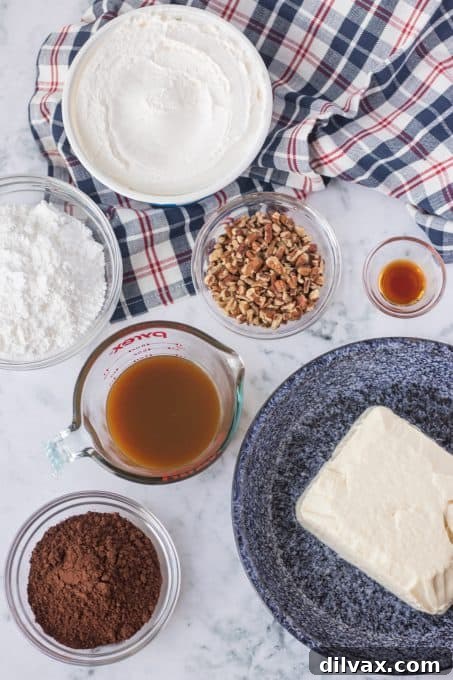
Creating these delightful Turtle Parfaits requires just a few simple ingredients, many of which you might already have on hand. The magic truly happens when these components come together to form layers of pure indulgence:
- Silken tofu: The star ingredient for our velvety chocolate pudding, providing an unparalleled creamy texture without dairy.
- Dark unsweetened cocoa powder: For that deep, rich chocolate flavor that complements the caramel and pecans perfectly. Using dark cocoa ensures an intense, less sweet pudding base.
- Powdered sugar: Also known as confectioners’ sugar, it dissolves smoothly into the tofu pudding, creating a silky texture without any grittiness.
- Vanilla Extract: A crucial flavor enhancer that rounds out the chocolate and adds warmth to the pudding.
- Whipped Topping or my Stabilized Whipped Cream: Provides a light, airy contrast to the dense pudding and rich caramel.
- Caramel sauce: The signature “turtle” component, offering a buttery, sweet, and slightly salty counterpoint to the chocolate. Homemade or store-bought works wonderfully.
- Chopped pecans: The final “turtle” element, adding a much-needed crunch and nutty flavor that ties all the layers together. Lightly toasting them beforehand can enhance their aroma and taste.

Silken Tofu Demystified: The Heart of Your Pudding
Silken tofu is distinct from the more common block tofu often found in stir-fries. It is one of the two primary categories of tofu, recognized by its incredibly smooth, delicate, and custard-like texture. Often referred to as soft tofu, silk tofu, or Japanese-style tofu, it’s available in various consistencies: soft, medium, firm, and extra-firm, much like its traditional counterpart. For this specific dark chocolate pudding recipe, I recommend using the soft form, as it yields the most luxurious, pourable consistency. However, silken tofu varieties are generally quite interchangeable in recipes where they are blended, so if you can only find a firm silken tofu, don’t fret – it will still work beautifully. Just be gentle when handling silken tofu, as its delicate nature means it can easily fall apart. But for this pudding, since we’ll be blending it, a bit of crumbling is no cause for concern!
Due to its naturally thick and creamy texture, and its remarkably neutral flavor profile, silken tofu is an exceptional ingredient, particularly prized as a dairy replacement in a wide array of dessert recipes. It’s also frequently used to create incredibly smooth salad dressings, rich sauces, and can even be incorporated into baking to add moisture and structure. Its versatility makes it a favorite among those seeking plant-based alternatives or simply looking for an innovative way to achieve a silky finish.
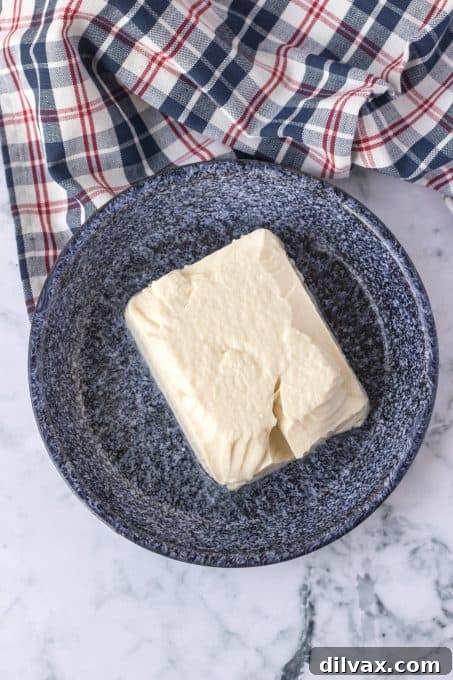
Preparing Silken Tofu for Pudding Perfection:
Draining silken tofu is a straightforward process, crucial for ensuring your pudding isn’t watery. Here’s how to do it efficiently:
- Start by carefully removing the wrapper from the tofu package.
- Place a clean plate upside down on top of the tofu block still in its container.
- Gently but quickly flip the plate, holding the package tightly against it, so the tofu rests on the plate.
- Carefully remove the container by gently jiggling it until the tofu releases.
- Allow the tofu to sit on the plate for approximately 5-10 minutes while you gather the remaining ingredients for your recipe. During this time, the tofu will naturally release excess liquid, often referred to as “weeping,” which will pool on the plate.
- To remove this liquid, simply hold the top of the tofu block with one hand and carefully tip the plate over the sink to pour off the water. Alternatively, you can use a few sheets of paper towel to gently blot and soak up the liquid before you’re ready to use the tofu. This minimal draining helps concentrate the tofu’s creamy texture for the best pudding.

Beyond Parfaits: Exploring More Delicious Soy Recipes
My culinary journey with soy extends far beyond these delectable parfaits! I’ve experimented with and created a variety of recipes using soy in its many versatile forms. If you’re looking to incorporate more plant-based ingredients or simply curious about soy’s potential, here are a few other fantastic recipes to try:
- Dairy-Free Pumpkin Muffins: Start your day with these incredibly soft and flavorful Dairy-Free Pumpkin Muffins. Packed with rich pumpkin flavor and all the warm spices that evoke the cozy feeling of a crisp Fall day, they’re a perfect breakfast or snack option.
- Easy Edamame Guacamole: I’m confident you love guacamole as much as I do, but have you ever considered adding edamame to it? This innovative twist on a beloved appetizer adds a delightful texture and extra protein, making it a guaranteed conversation starter at your next gathering.
- Garlic Edamame Appetizer: For a quick and addictive snack or starter, my favorite Garlic Edamame is a must-try. It’s just as delicious, if not more so, than what you’d find at your favorite Asian restaurant, and the best part is you save money by making it fresh at home!
Further Reading & Resources on Soy and Sustainable Agriculture
To deepen your understanding of soy, sustainable farming, and healthy eating, I encourage you to explore these invaluable resources:
- The Soy Connection: A comprehensive resource for all things soy, offering information on nutrition, health benefits, and culinary uses.
- The Soy Nutrition Institute: Provides science-based information on the health and nutritional benefits of soy.
- Best Food Facts: An excellent platform for answering common food questions with expert, science-based insights.
It’s important to be informed. There are many myths about soy that can be disputed with facts. I genuinely encourage you to conduct your own research, delve into reliable sources, and learn more about this incredible plant-based protein and the myriad nutritional benefits it can bring when incorporated into your daily recipes.

With their elegant layers of dark chocolate pudding, billowy whipped topping, a generous drizzle of caramel, and a scattering of crunchy pecans, these super easy Turtle Parfaits are more than just a dessert – they’re an experience that’s destined to become a regular and highly anticipated addition to your menu. Enjoy the simple joy of creating something so utterly delicious and surprisingly wholesome!
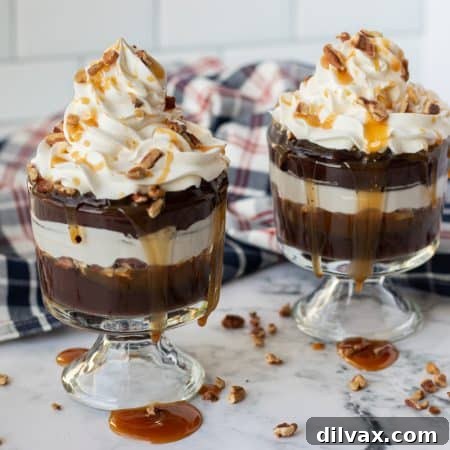
Turtle Parfaits
Equipment
-
measuring cups
-
measuring spoons
-
plate
-
food processor, blender, or hand blender
-
2 8 ounce serving dishes
Ingredients
- 12.3 ounces silken tofu
- ⅔ cup dark unsweetened cocoa powder
- 1 cup powdered sugar
- 1 teaspoon pure vanilla extract
- 1 ⅓ cup whipped topping or my Stabilized Whipped Cream
- ¼ cup caramel sauce
- ¼ cup chopped pecan pieces
Instructions
- Drain the silken tofu by placing it on a plate to sit while you prepare the other ingredients for the recipe. Place the plate over the sink and gently placing your hand on top of the tofu to hold it from slipping, pour the water into the sink. Or you can also use a paper towel to soak it up. Slice it into cubes.
- Place the tofu, dark cocoa powder, powdered sugar, and vanilla into a food processor, and puree for 1 minute. Scrape down the sides, and mix for another 30 seconds.
- Place ⅓ cup chocolate pudding into the bottom of each serving dish. Cover with a tablespoon each of caramel sauce and chopped pecans. Put ⅓ cup of whipped topping over that, and then add another layer of pudding followed by more caramel, and pecans. Pipe or scoop additional whipped topping over the pudding. drizzle with a little more caramel sauce and sprinkle with pecans.
- Refrigerate for 30 minutes before serving. You can skip this step, but I found it tastes even better when the whole dessert has been chilled together.
Notes
Nutrition
Calories: 630kcal |
Carbohydrates: 112g |
Protein: 17g |
Fat: 21g |
Saturated Fat: 5g |
Polyunsaturated Fat: 6g |
Monounsaturated Fat: 8g |
Cholesterol: 8mg |
Sodium: 148mg |
Potassium: 882mg |
Fiber: 12g |
Sugar: 86g |
Vitamin A: 121IU |
Vitamin C: 0.3mg |
Calcium: 169mg |
Iron: 6mg
Did you make this recipe?
Share it with me on Instagram and make sure to follow me on Pinterest for more recipes.
Pin Recipe
Share Recipe