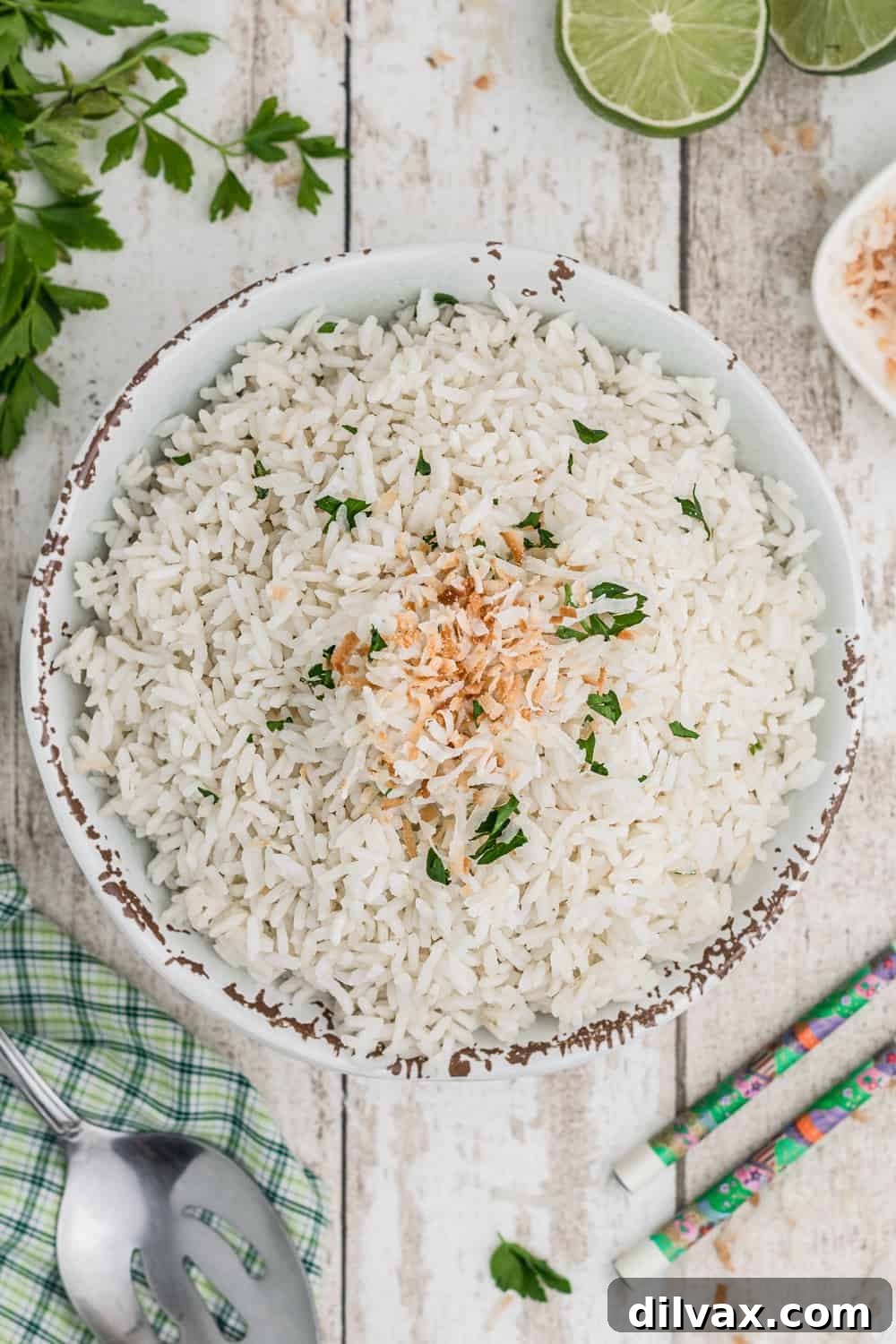
Unlock the Secret to Perfect, Fluffy Coconut Rice at Home
Transform your ordinary meal into an extraordinary culinary experience with this incredibly fragrant and rich Coconut Rice recipe. It’s the ultimate side dish to complement any Asian-inspired dinner, requiring minimal effort for maximum flavor!
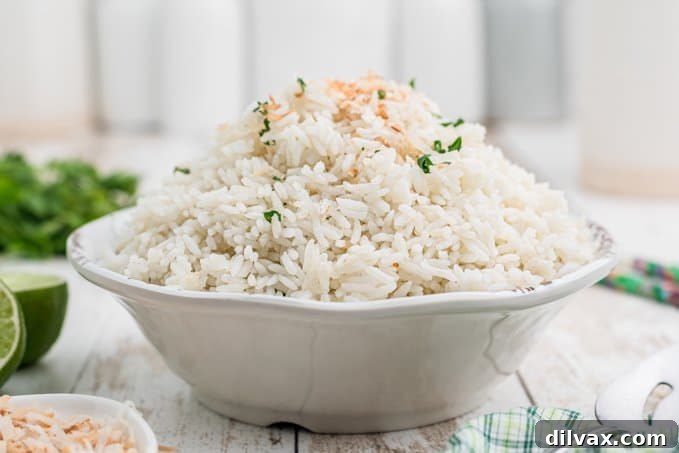
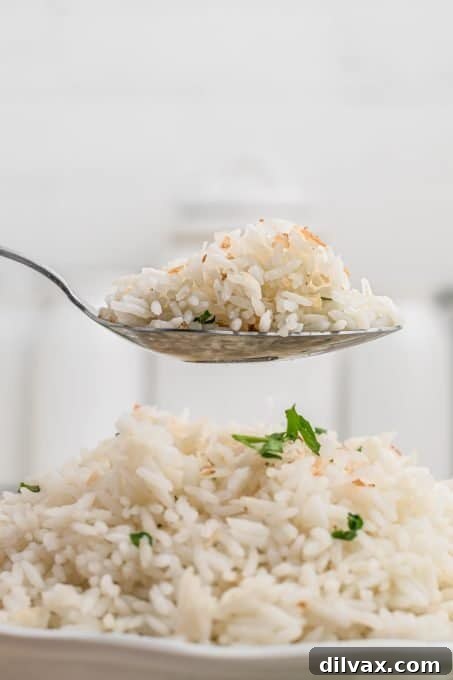
Once you discover the simplicity and deliciousness of this homemade coconut rice method, you’ll be eager to make it a staple in your kitchen. Forget gluey or mushy disappointments; this recipe guarantees perfectly fluffy, flavorful rice every single time, just like your favorite restaurant versions.
Why This Coconut Rice Recipe is a Game-Changer
Before perfecting this technique, achieving that ideal, fluffy coconut milk rice at home felt like an elusive dream. My attempts often resulted in a sticky, unappetizing mess, far from the delightful mounds served in authentic Thai restaurants. This frustration led to countless experiments until I finally cracked the code with this fool-proof method.
This recipe not only delivers on taste and texture but also requires surprisingly little extra effort compared to cooking plain white rice. The profound depth of flavor it adds to any meal is truly remarkable, elevating a simple dinner into a memorable feast. It’s an essential skill for anyone who loves vibrant, aromatic cuisine, and it will quickly become your go-to side dish.
Essential Ingredients for the Best Coconut Rice
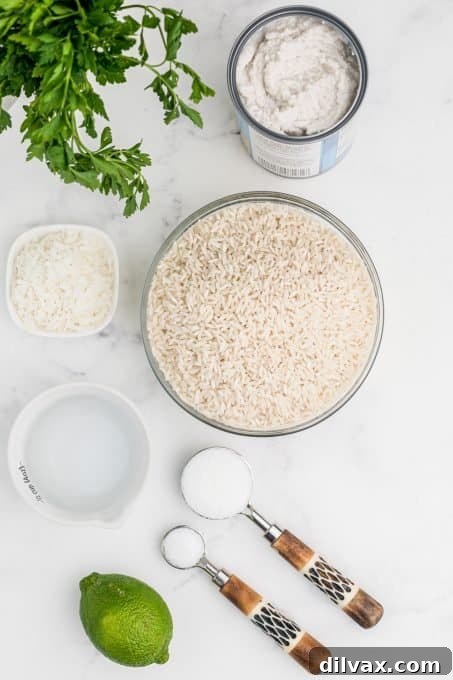
Crafting perfect coconut rice begins with selecting the right ingredients. Here’s a detailed look at what you’ll need to create this exquisite side dish, along with tips for choosing the best quality:
- Long Grain White Rice: The foundation of our dish. Long grain varieties, especially Jasmine or Basmati, are highly recommended. Their grains are slender and cook up separate and fluffy, preventing a gummy or sticky texture, which is crucial for authentic coconut rice.
- Full-Fat Coconut Milk: The star ingredient, imparting rich flavor and creamy texture. Always opt for full-fat canned coconut milk for the best results. “Light” or “reduced-fat” versions contain more water and less coconut cream, which can compromise the richness and overall texture of the final dish. Shake the can well before opening to combine the cream and liquid.
- Water: Crucial for achieving the correct liquid-to-rice ratio. While coconut milk provides flavor, a portion of water is necessary to ensure the rice cooks through properly without becoming overly thick or mushy from coconut milk alone. It helps create a lighter, fluffier texture.
- Granulated Sugar: A small amount of sugar doesn’t make the rice overtly sweet but subtly enhances the natural sweetness and richness of the coconut, balancing the flavors. It brings out the tropical notes without turning it into a dessert.
- Salt: Essential for seasoning, bringing out the savory notes and rounding out the overall taste profile. Kosher salt or sea salt are excellent choices for their clean flavor.
For an extra touch of elegance and an enhanced flavor profile, consider these optional garnishes that truly elevate the finished rice:
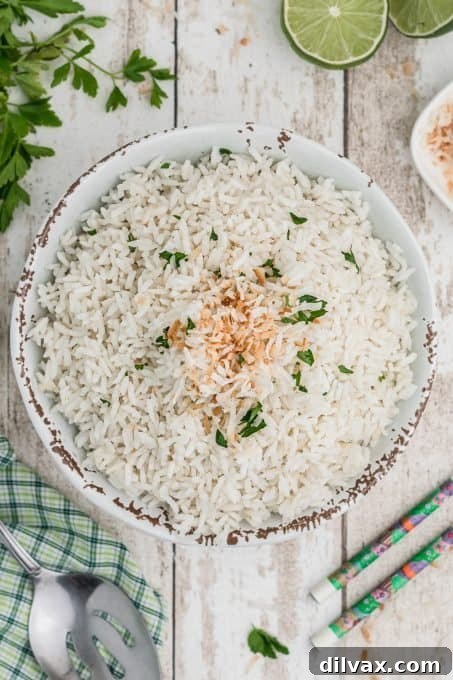
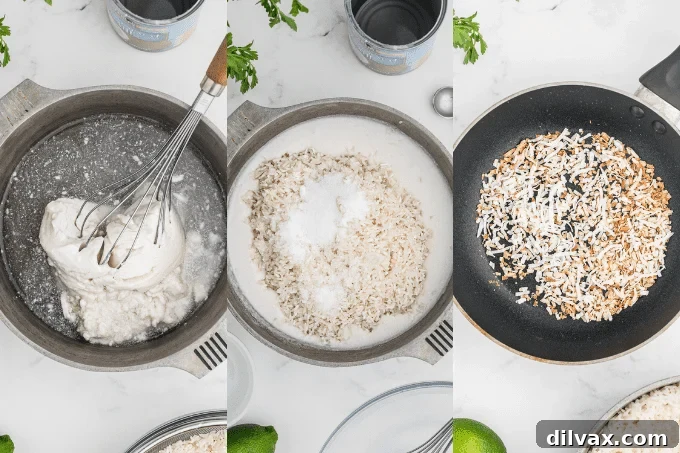
- Toasted Shredded Coconut: Adds a delightful textural contrast with a slight crunch and intensifies the coconut flavor with a nutty, roasted aroma. You can easily toast it in a dry skillet over medium heat until golden brown.
- Chopped Fresh Parsley or Cilantro: Provides a vibrant pop of color and a fresh, herbaceous counterpoint to the richness of the rice. Cilantro is particularly traditional with many Asian dishes.
- Lime Wedges: A squeeze of fresh lime juice just before serving brightens the entire dish. The acidity cuts through the richness of the coconut milk, adding a zesty finish that makes every bite incredibly refreshing.
Demystifying Common Coconut Rice Questions
Can I use brown rice for this coconut rice recipe?
While brown rice offers distinct nutritional benefits and a hearty texture, it is generally not recommended for this specific coconut rice recipe if you’re aiming for the traditional fluffy and tender result. Brown rice has a significantly longer cooking time and a higher fiber content, which means it absorbs liquid differently and can overpower the delicate coconut flavor with its own nutty, earthy notes. For optimal results and the signature fluffy, separate grain texture, sticking to a long-grain white rice like Jasmine or Basmati is paramount. These varieties are traditionally used in Asian cuisines for their tender texture and ability to absorb flavors beautifully, creating that authentic restaurant-quality experience.
Storage and Freezing Instructions for Coconut Rice
Leftover coconut rice is a treasure, often tasting even better the next day as the flavors meld! Once cooked and completely cooled to room temperature, transfer it to an airtight container. It will keep beautifully in the refrigerator for up to 3-4 days, making it perfect for meal prep or quick weeknight re-servings. To reheat, you can gently warm it in the microwave with a splash of water or a teaspoon of fresh coconut milk to restore moisture, or steam it on the stovetop until heated through.
For longer storage, this coconut rice is exceptionally freezer-friendly. Portion cooled rice into freezer-safe bags or containers, ensuring you remove as much air as possible to prevent freezer burn. It can be stored frozen for up to 3-6 months without significant loss of quality. When you’re ready to enjoy, simply thaw overnight in the refrigerator and reheat using your preferred method. This makes it incredibly convenient for last-minute meals or when you need a quick, flavorful side dish without the cooking time.
Is coconut rice a healthy choice?
Coconut rice, when prepared with natural ingredients and a mindful amount of added sugars, can be a nutritious and satisfying addition to your diet. It’s often a more wholesome and flavorful alternative to many highly processed, store-bought side dishes. The full-fat coconut milk in the rice provides healthy fats, including medium-chain triglycerides (MCTs), which are easily digestible and can provide a quick source of energy. These fats also contribute to satiety, helping you feel fuller and more satisfied with smaller portions compared to plain white rice. While some traditional claims suggest coconut has immune-strengthening benefits and positive effects on hair and nails due to its nutrient profile, it’s always best to consult a registered dietitian or nutritionist for personalized and accurate guidance on nutritional choices. We can certainly attest to its deliciousness and the joy it brings to a meal!
Troubleshooting: Why is my coconut rice mushy?
Ah, the dreaded mushy rice – a common culinary mishap, especially with coconut rice! I’ve certainly had my share of attempts ending in a sticky, overcooked texture. The unique properties of coconut milk make specific steps crucial for achieving that coveted fluffy grain. Here are the primary reasons why your coconut rice might turn out mushy and how to avoid them:
- Insufficient Rinsing: This is arguably the most critical step. Uncooked rice grains, particularly long-grain white varieties, have a starchy coating. When cooked without proper rinsing, this excess starch releases and creates a gluey, sticky texture. It’s absolutely essential to rinse your rice thoroughly under cold running water in a fine-mesh sieve until the water runs completely clear. Don’t just rinse and go; gently massage the rice grains with your hands during this process. This agitation actively helps to release and wash away excess starch, ensuring each grain cooks separately and results in a tender, fluffy outcome rather than a sticky, clumpy mess.
- Using Coconut Milk Alone: While it might seem intuitive to cook coconut rice solely in coconut milk for maximum flavor, this can actually lead to mushiness. Full-fat coconut milk is quite thick and rich. A portion of additional water is needed to thin the cooking liquid. This allows the rice to absorb the liquid properly and cook evenly without becoming dense, heavy, or overly oily. The right balance of coconut milk and water, as specified in the recipe, is key to a light and fluffy texture.
- Excess Liquid: Adding too much liquid – whether it’s coconut milk, water, or a combination – is a surefire way to end up with mushy rice. Excess liquid means the rice will continue to absorb moisture beyond its optimal point, overcooking the grains and transforming them into something closer to a pudding or gruel than a perfectly fluffy side dish. Always adhere strictly to the recommended liquid-to-rice ratio in the recipe.
- Lifting the Lid During Cooking: Resist the urge to peek! Every time you lift the lid during the simmering phase, precious steam escapes, which is vital for evenly cooking the rice. This disrupts the internal temperature and pressure, leading to unevenly cooked or mushy rice. Let it simmer undisturbed for the full time, and allow it to rest, still covered, after cooking. The steam trapped inside is what finishes the cooking process perfectly.
Is coconut rice sweet?
The perception of coconut rice being overtly sweet is a common misconception. While our recipe includes a modest amount of granulated sugar, its purpose isn’t to create a dessert-like sweetness. Instead, the sugar plays a crucial role in amplifying and balancing the inherent richness and subtle nutty notes of the coconut milk. You’ll detect just a hint of sweetness, an undertone that perfectly complements the savory profile of the dish, rather than overpowering it. This carefully balanced flavor profile ensures the rice remains a versatile savory side dish, pairing exquisitely with a wide array of entrees, from spicy curries to grilled fish or chicken, rather than being relegated to a dessert category.
Can I use coconut cream instead of coconut milk?
Yes, you can substitute coconut cream for coconut milk, but it requires a slight adjustment to the liquid ratio due to their differing consistencies. Coconut cream is much thicker and contains a higher percentage of oils compared to the liquids found in coconut milk. If you choose to use coconut cream, reduce the amount of cream to about 1 cup and increase the water added to a full cup, or adjust as needed to achieve a consistency similar to regular coconut milk. This modification ensures the rice absorbs the liquid correctly and cooks to the desired fluffy texture without becoming too dense or overly oily, which could happen if you used too much undiluted coconut cream.
Can I use a rice cooker for this recipe?
Absolutely! A rice cooker is an excellent and convenient tool for preparing this coconut rice, often yielding consistently perfect results with minimal fuss. The process remains largely the same: rinse your rice thoroughly, combine all the liquid ingredients (coconut milk, water, sugar, salt) and the rinsed rice in the rice cooker pot, and then follow your appliance’s standard instructions for cooking white rice. Rice cookers are designed to maintain optimal temperature and steam, often producing wonderfully fluffy rice with precise timing, making them an ideal choice for this recipe, especially for busy cooks.
What kind of rice works best?
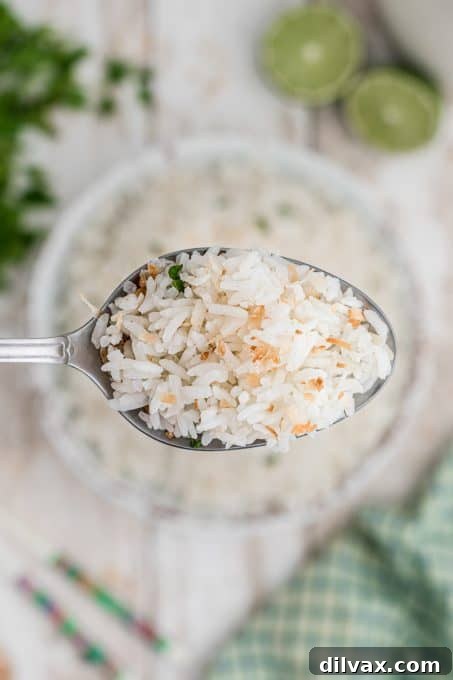
For the best fluffy and separate grains that are characteristic of excellent coconut rice, long grain white rice is essential. Jasmine rice, in particular, is a fantastic choice due to its slightly sticky yet soft texture and wonderful aroma. Its fragrant notes beautifully complement the coconut flavor, making it a perfect partner. Basmati rice is another excellent long-grain option that yields similar results with distinct, aromatic grains. Avoid short-grain or medium-grain varieties (like Arborio or sushi rice) as they contain more starch and tend to become much stickier and can result in a mushier, denser consistency when cooked with coconut milk, which isn’t what we’re aiming for here.
Mastering Your Coconut Rice: Step-by-Step Recipe Guide
Creating this delicious, aromatic side dish is simpler than you might think. Follow these clear, detailed steps to achieve perfectly fluffy and fragrant coconut rice every time, transforming your kitchen into a tropical culinary haven.
Fluffy Coconut Rice
Equipment
- Strainer or sieve (fine-mesh recommended)
- Small saucepan with a tight-fitting lid (heavy-bottomed is best)
- Non-stick skillet (optional, for toasting coconut garnish)
Ingredients
- 2 cups long grain white rice (Jasmine or Basmati recommended)
- 14 ounces (approx. 1.75 cups) full-fat coconut milk (canned)
- ½ cup water
- 1 tablespoon granulated sugar
- ½ tablespoon kosher salt (or sea salt)
- ½ tablespoon toasted shredded coconut (optional, for garnish)
- Fresh chopped parsley or cilantro (optional, for garnish)
- Lime wedges (optional, for serving)
Instructions
-
Rinse the Rice: Place the long grain rice in a fine-mesh sieve and rinse it thoroughly under cold running water. Continue rinsing and gently massaging the rice with your hands until the water runs completely clear. This crucial step removes excess starch, which is key to preventing mushy rice and ensuring a fluffy, separate grain texture.
-
Combine Liquids: In a small, heavy-bottomed saucepan with a tight-fitting lid, add the full-fat coconut milk and the water. Using a whisk, mix them together thoroughly until well combined and smooth. This ensures an even distribution of coconut flavor throughout the rice.
-
Add Rice and Seasonings: Add the rinsed rice, granulated sugar, and salt to the saucepan with the coconut milk mixture. Stir gently to distribute the ingredients evenly. Bring the mixture to a rolling boil over medium-high heat.
-
Simmer: Once the liquid is boiling, immediately reduce the heat to the lowest possible setting. Give the rice another quick, gentle stir, then cover the saucepan tightly with its lid. Simmer undisturbed for 15 minutes. It is vital not to lift the lid during this cooking phase, as the trapped steam is essential for even cooking.
-
Rest: After 15 minutes of simmering, turn off the heat completely. Keep the lid on the saucepan and let the rice rest for an additional 10 minutes. This resting period allows the remaining steam to finish cooking the rice, ensuring perfectly plump and separated grains, and preventing a sticky bottom.
-
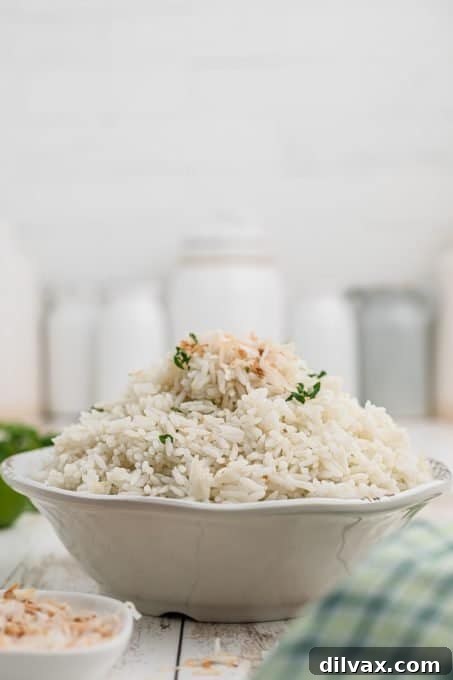
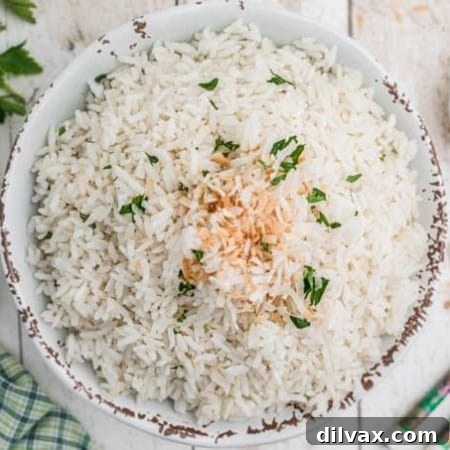
Fluff and Serve: Once the 10-minute resting period is complete, remove the lid. Gently fluff the coconut rice with a fork, separating the grains. Transfer the fragrant rice to a serving dish and garnish with toasted shredded coconut, fresh chopped parsley or cilantro, and lime wedges, if desired. Serve immediately and enjoy this delightful, aromatic side dish!
Nutrition Information (per serving)
Serving Size: 1 person | Calories: 545kcal | Carbohydrates: 80g | Protein: 9g | Fat: 22g | Saturated Fat: 19g | Polyunsaturated Fat: 1g | Monounsaturated Fat: 1g | Sodium: 891mg | Potassium: 325mg | Fiber: 1g | Sugar: 3g | Vitamin C: 1mg | Calcium: 45mg | Iron: 4mg
Perfect Pairings: What to Serve with Coconut Rice
Coconut rice is incredibly versatile, making it a fantastic accompaniment to a wide range of dishes. Its subtle sweetness, creamy texture, and aromatic notes beautifully complement both savory and spicy flavors, offering a delightful contrast or enhancement. Here are some ideas for perfect pairings to elevate your meals:
- Asian Cuisine: This is a natural and classic fit! Serve your fluffy coconut rice alongside vibrant Thai curries (red, green, yellow, or Massaman), grilled satay chicken or pork skewers, aromatic stir-fried vegetables with tofu, or any robust Southeast Asian entree. The rice helps to mellow out spicy dishes and adds a luxurious layer of richness.
- Seafood: The tropical notes of coconut rice make it an ideal partner for fresh seafood. Think perfectly grilled shrimp, flaky pan-seared mahi-mahi, succulent baked salmon, or even as a flavorful base for fish tacos. A squeeze of fresh lime over both the fish and rice creates a refreshing and cohesive meal that transports you to a coastal paradise.
- Grilled Meats and Poultry: Whether you’re grilling tender chicken thighs, juicy pork tenderloin, or even a simple marinated steak, coconut rice provides a uniquely flavorful alternative to plain rice or potatoes. The fragrant grains beautifully absorb marinades and sauces, adding an exotic twist to your BBQ or grilled dinners.
- Vegetarian and Vegan Meals: Coconut rice adds incredible depth and creaminess to plant-based dishes. Pair it with hearty black bean burgers, beautifully roasted root vegetables, a comforting lentil dahl, or rich vegetable curries for a complete and satisfying plant-based meal that’s bursting with flavor.
- Breakfast or Dessert Twist: For a unique and indulgent twist, especially popular in some Asian cultures, leftover coconut rice can be served slightly sweetened with fresh mango slices or a dollop of yogurt for a light dessert or an exotic breakfast option.
More Delicious Side Dish & Rice Recipes to Explore
No meal is truly complete without a few stellar side dishes to round out your plate. If you’re looking to expand your culinary repertoire with more easy and flavorful accompaniments, or discover new ways to enjoy the versatile grain that is rice, these recipes are sure to impress and become new favorites:
If your palate gravitates towards vibrant East Asian cuisine, you’ll absolutely adore this easy-to-make Garlic Edamame. It’s incredibly simple to prepare, packed with savory garlic flavor, and works wonderfully as both a flavorful side dish and a satisfying appetizer. For another popular Asian-inspired treat perfect for sharing, my family can’t get enough of these savory Pork Potstickers, boasting a crispy bottom and tender filling.
Craving something with a kick of Latin American flair? Give this incredibly flavorful Skillet Mexican Street Corn a try. It’s a captivating take on traditional elote, brimming with smoky, tangy, and creamy notes that consistently wows everyone who tastes it, making it a fantastic addition to any taco night or summer gathering.
And for those who appreciate the comforting versatility of potatoes, these recipes are year-round favorites in my home, offering unique twists on a beloved staple. Our Maple Roasted Sweet Potatoes aren’t just for Thanksgiving; they’re a perfectly balanced sweet and savory delight, caramelized to perfection and ideal for any occasion. Speaking of potatoes, I must remind you how incredibly impressive and delicious these Scalloped Hasselback Potatoes are. They serve as an elegant and hearty side dish for countless different entrees, from holiday roasts to simple weeknight dinners, combining two classic potato preparations into one show-stopping dish.
Beyond side dishes, rice itself is one of the most versatile and fundamental grains a cook can have in their culinary toolkit, serving as a blank canvas for endless flavor combinations. When I’m planning a meal with Mexican or Latin American flavors, I almost always whip up a batch of Copycat Chipotle Cilantro Lime Rice to serve alongside. It’s deceptively simple yet bursts with fresh, zesty flavor that perfectly complements tacos, burritos, and grilled meats, bringing the taste of your favorite fast-casual restaurant home.
On those busy days when a quick, comforting, and easy meal is a necessity, this hearty Cheesy Chicken, Broccoli, and Rice Casserole is absolutely perfect – a complete and satisfying one-pan wonder that the whole family will love. And for fans of aromatic Thai curry flavors, my Curried Rice with Chicken and Vegetables recipe always receives rave reviews for its rich, complex taste and vibrant blend of spices and textures.
You’ve now learned how to make the best, fool-proof Coconut Rice at home! Ready to impress your family and friends with this fragrant and fluffy delight, making every meal an unforgettable culinary journey?
Share Your Culinary Creations!
Did you try this recipe and love it? We’d love to see your beautiful coconut rice and hear about your cooking experience! Share your photos with us on Instagram and make sure to tag us. Don’t forget to follow us on Pinterest for more delightful recipes, cooking tips, and daily inspiration!
Pin this recipe for later or share it with friends!
Email Recipe
Pin Recipe
Share Recipe on Facebook