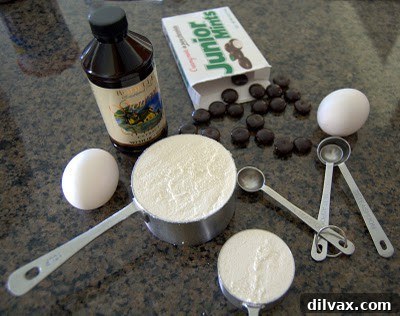
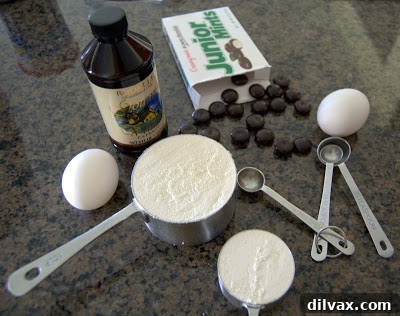
Ever found yourself utterly consumed by a specific craving? That undeniable urge for a particular flavor or texture that simply won’t be ignored? Today, that powerful culinary inspiration struck in the form of the classic, cool, and undeniably delicious Junior Mint. These miniature dark chocolate candies with their refreshing minty centers have a unique way of captivating the palate, and I knew instantly they were destined for a starring role in my latest baking adventure.
My journey to create the ultimate Junior Mint cookie began, as many great recipes do, with a browse through fellow food blogs. I stumbled upon a promising recipe on Lizzy’s wonderful blog, That Skinny Chick Can Bake. Her original creation, however, featured crushed Butterfingers, which, I must admit, was incredibly tempting. The idea of adding that crunchy, peanut-buttery goodness to a cookie base certainly sparked curiosity. Yet, the siren song of those cool, dark chocolate Junior Mints was too strong to resist. I needed, no, I *wanted* the refreshing burst of mint chocolate. It was a clear mission: adapt the recipe to embrace the iconic flavor of Junior Mints.
This adaptation promises a cookie experience that beautifully marries a soft, chewy chocolate cookie base with the unmistakable cool burst of crushed Junior Mints. It’s a treat that captures the essence of the beloved candy in every single bite, making it an irresistible choice for any mint chocolate enthusiast. Get ready to transform a simple craving into a truly extraordinary homemade delight.
Irresistible Junior Mint Cookies: A Mint Chocolate Dream
(Recipe Adapted from That Skinny Chick Can Bake)
Ingredients You’ll Need:
Making these delightful Junior Mint cookies requires a straightforward list of common baking ingredients, ensuring that most of what you need is likely already in your pantry. Each component plays a crucial role in achieving the perfect texture and flavor profile.
2 1/4 cups all-purpose flour: The foundational structure for our cookies, ensuring they hold their shape while maintaining a tender crumb.
1 teaspoon baking soda: Our primary leavening agent, responsible for giving the cookies a lovely lift and contributing to their chewiness.
1/2 teaspoon salt: A vital ingredient that balances the sweetness and enhances all the other flavors, particularly the chocolate and mint.
1/2 cup (1 stick) unsalted butter, melted: Melted butter contributes to a chewier cookie texture, as opposed to creaming softened butter, which often results in a cakier cookie.
1 cup brown sugar, packed: Adds moisture and a rich, caramel-like depth of flavor, contributing significantly to the cookies’ chewiness.
1/4 cup granulated sugar: Provides additional sweetness and helps with browning, giving the cookies a desirable golden edge.
2 large eggs: Binds the ingredients together, adding moisture and richness to the dough, essential for a soft cookie.
1 1/2 teaspoons pure vanilla extract: Enhances the overall flavor profile, complementing both the chocolate and mint notes beautifully.
1 cup Junior Mints (approximately two 4-ounce boxes): The star of the show! These will be gently crushed and folded into the dough, providing those signature bursts of cool mint and dark chocolate.
Step-by-Step Baking Instructions for Perfect Minty Cookies:
Careful attention to each step will ensure your Junior Mint cookies turn out beautifully, with that perfect balance of chewiness and minty freshness.
1. Prepare Your Oven and Baking Sheets: Begin by preheating your oven to a precise 325ºF (160ºC). Accurate oven temperature is crucial for even baking. Next, line your cookie sheets generously with parchment paper. This step is non-negotiable for preventing sticking and ensuring easy cleanup later – a lesson I learned the hard way!
2. Combine Dry Ingredients: In a medium-sized bowl, whisk together the all-purpose flour, baking soda, and salt. Mixing these dry components thoroughly ensures that the leavening agent is evenly distributed throughout the dough, leading to consistent lift in every cookie. Set this bowl aside.
3. Cream Wet Ingredients: In a separate, larger mixing bowl, combine the melted butter, brown sugar, and granulated sugar. Beat these ingredients together thoroughly on medium speed until well combined and smooth. The melted butter combined with the sugars forms the chewy foundation of your cookie.
4. Incorporate Eggs and Vanilla: Add the eggs to the sugar and butter mixture, one at a time. Mix well after each addition, ensuring the egg is fully incorporated before adding the next. This helps create a smooth emulsion. Follow with the vanilla extract, mixing until just combined.
5. Gradually Add Dry to Wet: Slowly add the dry flour mixture to the wet ingredients. Beat on low speed until the ingredients are just combined. Be careful not to overmix at this stage; overmixing can develop the gluten too much, resulting in tougher cookies. Mix only until no streaks of dry flour remain.
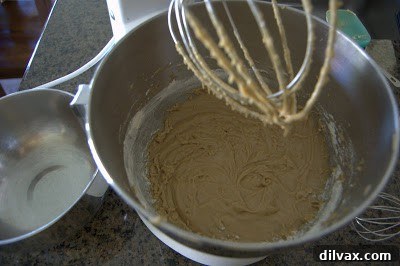
6. Fold in the Junior Mints: Add the cup of Junior Mints to the dough. Mix for about 20-30 seconds, or just until the candies are lightly crushed and evenly distributed throughout the dough. You want a mix of whole and slightly broken pieces to ensure bursts of mint in every bite without turning the entire dough green.
7. Portion and Place: Using a tablespoon or a small cookie scoop, drop rounded portions of dough onto your parchment-lined cookie sheets. Space them approximately 3 inches apart to allow for proper spreading during baking.
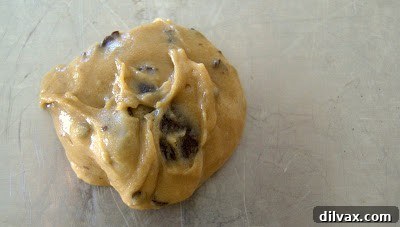
8. Bake to Perfection: Bake for 12-15 minutes, or until the edges are lightly golden and the centers are set but still look slightly soft. Baking times can vary depending on your oven, so keep a close eye on them, especially during the last few minutes.
9. Cool and Enjoy: Allow the cookies to cool on the baking sheet for a couple of minutes immediately after removing them from the oven. This allows them to firm up slightly. Then, carefully transfer them to a wire rack to cool completely. Cooling on a rack prevents the bottoms from becoming soggy and helps achieve that desirable crisp-chewy texture.
The Perils of Baking: Learning from My Cookie Catastrophe
Before we dive into the delicious outcome, let me impart a crucial piece of wisdom, born from a rather sticky, crumbly, and utterly frustrating experience. When I tell you to line your cookie sheets with parchment paper, or at the very least grease them meticulously, please believe me. I speak from the heart of a baker who, on occasion, cuts corners – much to my own detriment.
On my first batch, in a moment of haste or perhaps overconfidence, I didn’t line the baking sheet. The consequence? I spent a significant amount of time, a chisel (not really, but it felt like it!), and a few choice words trying to pry hardened cookies off the tray. They clung to the metal like barnacles to a ship’s hull, utterly refusing to budge. Crumbs shot across the kitchen, leaving a confectionery crime scene. It was a messy, unenjoyable task that left me muttering about cookie archaeology. Trust me, you’ll be finding those tenacious little cookie bits for days if you skip the parchment.
The Unsung Hero: Why Parchment Paper is Non-Negotiable
Parchment paper isn’t just a suggestion; it’s a baking essential, especially for cookies like these with melted candies. Its benefits are manifold:
- Non-Stick Surface: It creates a perfect non-stick barrier, ensuring your cookies slide right off without any damage.
- Even Baking: It helps distribute heat more evenly, preventing burnt bottoms and promoting consistent baking.
- Easy Cleanup: Say goodbye to scrubbing stuck-on dough. Just toss the parchment paper, and your baking sheet is clean.
- Prevents Spreading Issues: While not a cure-all, a smooth surface can help with cookie shape.
The next batch, thanks to the magic of parchment, was a breeze. They lifted cleanly, baked beautifully, and saved my sanity (and my baking sheets). Learn from my mistakes, and embrace the parchment!
Decoding Cookie Spreading: Mastering the Perfect Texture
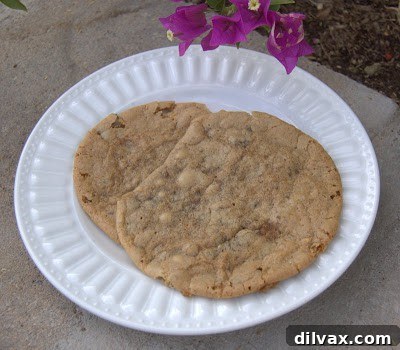
Beyond the sticky situation, I encountered another common cookie conundrum: excessive spreading. Lizzy’s cookies looked plump and perfectly formed, while mine, despite being dropped by tablespoonfuls, spread out like the vast plains of Iowa (or any other remarkably flat state, take your pick!). They were easily 4-5 inches wide, the flattest cookies I’d ever produced.
Upon reviewing the original recipe and comparing it to my adapted process, I identified the culprit: baker’s error, a classic case of not following directions precisely. The original recipe instructed to add the flour to the butter/sugar mixture, and *then* incorporate the baking soda and salt. In my rush, I had pre-mixed the flour, baking soda, and salt together. Whoops! This seemingly minor change in the order of adding leavening agents can have a significant impact on how your cookies bake and spread.
Key Factors Influencing Cookie Spread:
Understanding these elements is crucial for achieving your desired cookie texture and shape:
- Ingredient Order and Leavening: Baking soda reacts with acidic ingredients (like brown sugar or buttermilk if present) to produce carbon dioxide, which creates air bubbles and helps the cookies rise. If it’s not incorporated at the right time or mixed correctly, the reaction might be less effective, leading to flatter cookies.
- Melted Butter vs. Softened Butter: Melted butter, as used in this recipe, inherently leads to a flatter, chewier cookie because the fat is already distributed. While this is desirable for chewiness, too warm melted butter can exacerbate spreading.
- Flour Measurement: Too little flour can make dough too wet, leading to excessive spreading. Always measure flour by weight if possible, or use the “spoon and level” method rather than scooping directly from the bag.
- Oven Temperature: An oven that isn’t hot enough will cause cookies to spread too much before they set. Conversely, an oven that’s too hot can set the edges too quickly, preventing proper spreading and resulting in dense cookies.
- Overmixing: Once flour is added, overmixing develops gluten, which can make cookies tough. It can also incorporate too much air, which can cause cookies to rise too quickly and then collapse.
- Dough Temperature: Chilling the dough before baking is a common trick to prevent spreading, as cold fat takes longer to melt in the oven.
Lizzy’s recipe also suggested an 8-10 minute bake time, whereas mine needed 12-15 minutes. It’s highly probable that my ingredient-order mishap, affecting the baking soda’s performance, contributed to both the flatness and the extended bake time. It’s a valuable lesson: sometimes the smallest details in a recipe yield the biggest differences in the final product. Always watch your cookies, not just the clock!
The Verdict: A Minty Marvel and Room for Perfection
Despite my baking missteps, these Junior Mint cookies were undeniably delicious. I rate everything I bake on a scale of 1-4 rolling pins, with 4 being the absolute pinnacle of baking achievement. These batch of Junior Mint cookies proudly earned 3 rolling pins. I genuinely believe that if I had followed the directions precisely regarding the flour and baking soda, resulting in a slightly thicker, less spread-out cookie, they would have easily soared to a 3 1/2 rolling pins. The potential for perfection is certainly there with a little more attention to detail!
A Symphony of Flavor and Texture: What Makes These Cookies Shine
What truly set these cookies apart and made them a resounding success in terms of flavor was the way the Junior Mints were scattered throughout the cookie. Instead of biting into a whole, sometimes overwhelming, Junior Mint every other bite, the crushed pieces provided a perfectly portioned burst of cool mint and rich dark chocolate with nearly every mouthful. This intentional distribution creates a harmonious balance, allowing the subtle chocolate base of the cookie to shine through while delivering that iconic refreshing kick of mint.
The texture was wonderfully chewy, complemented by the slightly softened, melt-in-your-mouth mint centers. It’s a comforting, nostalgic flavor combination presented in a delightful, homemade format. If you’re a fan of mint chocolate chip ice cream or after-dinner mints, these cookies are destined to become a new favorite. They are a delightful reminder that sometimes, the simplest cravings lead to the most satisfying culinary creations.
Elevate Your Baking: Tips for Success & Creative Variations
To ensure your Junior Mint cookies are nothing short of spectacular, here are a few expert tips and ideas for customization:
- Precise Ingredient Measurement: Especially with flour, accuracy is key. Use a kitchen scale for the most consistent results, or spoon flour into your measuring cup and level it off.
- Don’t Overmix: Once you add the dry ingredients, mix just until combined. Overmixing develops gluten, leading to tougher cookies.
- Chill the Dough: If you have time, chilling the dough for 30 minutes to an hour (or even overnight) can significantly reduce spreading and deepen the flavors. This allows the ingredients to fully hydrate and the butter to firm up.
- Oven Calibration: Oven temperatures can vary. Consider investing in an oven thermometer to ensure your oven is truly at the temperature you set it to.
- Get Creative with Add-ins: While Junior Mints are fantastic, don’t hesitate to experiment! Crushed peppermint patties, Andes Mints, or even white chocolate chips could offer delicious variations. For a different texture, try adding chopped nuts or mini chocolate chips alongside the mints.
- Make it a Sandwich Cookie: For an extra indulgent treat, sandwich two cooled cookies with a dollop of mint buttercream frosting.
Join Our Baking Community!
Baking is more than just following a recipe; it’s an act of love, a creative outlet, and a source of immense joy. These Junior Mint cookies are a testament to how a simple craving can lead to a wonderfully rewarding baking experience. I encourage you to try this recipe, learn from my mishaps, and savor every minty, chocolatey bite.
Thank you so much for reading and being a part of this baking journey! Your support means the world. If you’re active on Facebook, I’d love for you to stop by the 365 Days of Baking page. Come say hello, share your own baking triumphs (and humorous failures!), and click that “Like” button to join our growing community of fellow baking enthusiasts. We’re almost at 300 fans, and every new member makes our baking family even stronger!
You are all truly amazing, and I appreciate each and every one of you. As a token of my gratitude and affection, I send you BIG baking hugs and virtual muffins! Happy baking, and I hope your weekend is filled with delicious treats and joyous moments!