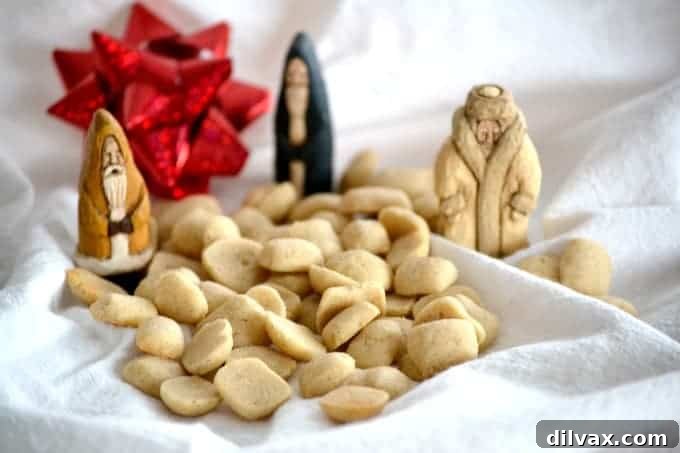
Pebernødder: The Delightful Danish Christmas Cookie – A Rich History & Irresistible Spice Blend
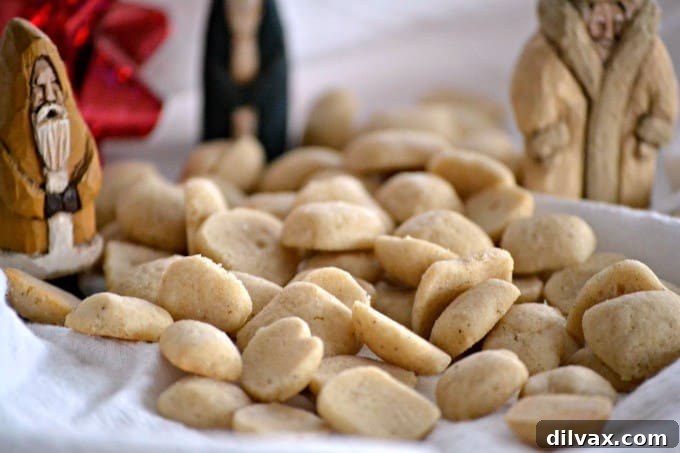
As the festive season descends upon us, there’s nothing quite like the aroma of freshly baked cookies wafting through the home. While many cultures boast their unique holiday treats, few capture the spirit of Christmas quite like the tiny, yet mighty, Danish Pebernødder. These small, round spice cookies are an absolute staple in Denmark during Christmastime, offering a warm, subtly peppery embrace with every bite. If you’re looking to infuse your holiday baking with a touch of Nordic charm and a burst of unique flavor, Pebernødder are an absolute must-try.
Often referred to as “pepper nuts” due to their name and diminutive size, Pebernødder are surprisingly complex in flavor despite their simple appearance. Traditionally, they are seasoned with a comforting blend of spices that typically includes cardamom, cinnamon, cloves, and a distinctive kick from white pepper. While variations exist across Scandinavia, the Danish version stands out with its prominent use of white pepper and mace, which lends a more delicate and nuanced warmth compared to the bolder flavor of nutmeg found in some other versions. This unique combination creates a truly memorable cookie that invites you to savor the quiet joy of the season.
Beyond their delightful taste, Pebernødder embody the essence of Danish hygge – that untranslatable feeling of coziness, contentment, and well-being. Baking and sharing these cookies is more than just a culinary activity; it’s a cherished ritual that brings families together, fosters warmth, and creates lasting memories. They are not merely a sweet treat but a symbol of holiday tradition, passed down through generations, ensuring that the spirit of a Danish Christmas endures.
Embracing Danish Traditions: A Personal Connection to Pebernødder
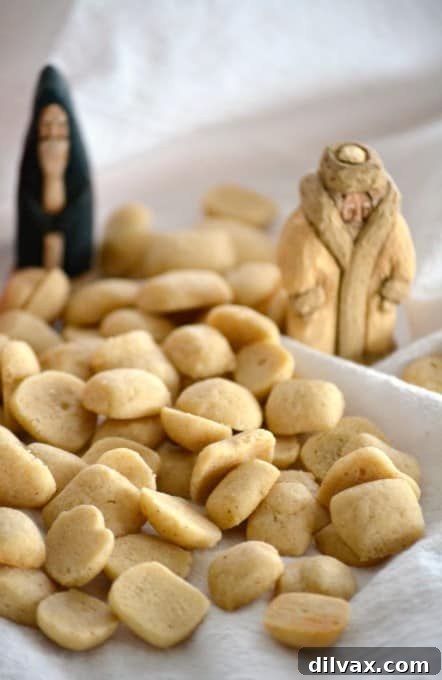
Our journey into the wonderful world of Pebernødder began through a cherished family connection. My husband, Mr. 365, boasts proud Danish roots, and while we’ve had the pleasure of hosting his relatives from Denmark on their visits to the United States, we still dream of making our own pilgrimage to their beautiful country. Visiting Denmark remains firmly on my bucket list, a destination I long to experience firsthand, especially during the festive season to fully immerse ourselves in their rich holiday customs.
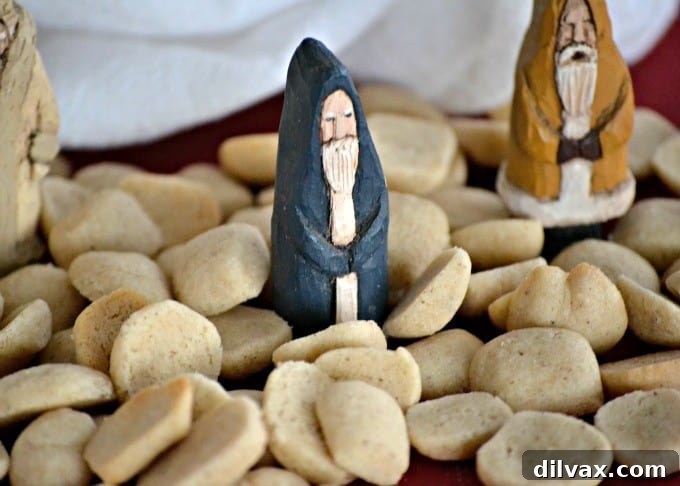
It was during our time living near his aunt and uncle in New Hampshire that I received the precious gift of this authentic Pebernødder recipe. His aunt, a true keeper of Danish traditions, would transform her home into a festive wonderland each Christmas, adorned with beautiful Danish decorations. These decorations, alongside a few cherished Danish ornaments and dolls crafted by my mother-in-law, have become an integral part of our own holiday decor. Each year, as we carefully unpack them, we’re not just decorating a house; we’re weaving a tapestry of heritage, passing these lovely traditions on to our children.
While I often regret not using those charming decorations as props in my cookie photos – a missed opportunity in the rush of holiday preparations! – the essence of the tradition is what truly matters. The act of baking these cookies, connecting with our heritage, and sharing a piece of Danish culture with our loved ones is a beautiful experience in itself. It’s a reminder that even if we can’t be in Denmark, a little piece of Denmark can always be found in our kitchen, especially during Christmas.
The Distinctive Spice Profile: What Makes Danish Pebernødder Unique?
What truly sets Pebernødder apart from other spiced cookies is their unique blend of warming spices, punctuated by an unexpected element: white pepper. While many gingerbread or spiced cookies lean heavily on ginger, cloves, and nutmeg for their assertive flavor, Pebernødder offer a more refined and aromatic profile.
The core spices—cardamom, cinnamon, and cloves—create a familiar, comforting base, evoking classic holiday cheer. Cardamom, a prevalent spice in Nordic baking, contributes a fragrant, slightly floral, and citrusy note. Cinnamon adds its characteristic warmth and sweetness, while cloves introduce a deep, pungent aroma that ties the blend together.
However, it’s the inclusion of mace and white pepper that truly defines the Danish Pebernødder. Mace, the outer covering of the nutmeg seed, offers a more delicate, subtle, and slightly sweeter flavor than nutmeg itself, without the intense piney undertones. This makes it an ideal companion to the other delicate spices. The white pepper, though often surprising to those unfamiliar with the recipe, is the secret ingredient that elevates these cookies. It doesn’t add a harsh heat but rather a subtle, aromatic warmth and a faint peppery finish that balances the sweetness and rounds out the spice blend beautifully. This nuance is what makes Pebernødder so incredibly addictive and distinctively Danish.
If you’re unable to find mace, nutmeg can be used as a substitute, as noted in the recipe. However, the authentic Danish experience truly shines when mace is used. The interplay of these spices creates a tiny cookie that packs a punch of flavor, making it an exquisite addition to any holiday cookie platter.
Your Guide to Baking Perfect Pebernødder
Creating these delightful Danish cookies is a straightforward process, perfect for bakers of all skill levels. The magic happens not only in the mixing but also in the delicate handling of the dough and the precise baking to achieve that signature crisp texture. Follow these steps for a batch of Pebernødder that will transport you straight to a cozy Danish Christmas.
Ingredients
- ½ cup unsalted butter, room temperature
- ½ cup granulated sugar
- 1 egg
- ½ teaspoon ground cardamom
- ½ teaspoon cinnamon
- ½ teaspoon kosher salt
- ¼ teaspoon mace (or nutmeg if mace is unavailable)
- ⅛ teaspoon ground cloves
- A generous pinch of white pepper
- 1 cup plus 6 tablespoons all-purpose flour (more if needed)
Instructions
- Preheat your oven to 350 degrees F (175 degrees C). Line one or two baking sheets with parchment paper to prevent sticking and ensure even baking.
- In a large mixing bowl, cream together the softened unsalted butter and granulated sugar until the mixture is light, fluffy, and pale in color. This step incorporates air, contributing to the cookies’ texture.
- Add the egg to the creamed butter and sugar. Mix thoroughly until the egg is fully incorporated and the mixture is smooth and cohesive. Scrape down the sides of the bowl as needed.
- Stir in the ground cardamom, cinnamon, kosher salt, mace (or nutmeg), ground cloves, and white pepper. Mix until all the spices are completely blended into the wet ingredients, ensuring an even distribution of flavor throughout the dough.
- Gradually add the all-purpose flour, mixing well after each addition until a soft dough forms. The dough should come together but might still be slightly sticky.
- Lightly flour a clean work surface and dust your hands with a little flour. If the dough is too sticky to handle comfortably, add a touch more flour, a tablespoon at a time, until it is pliable but not dry.
- Transfer the dough to the floured surface. Take small, golf-ball-sized portions of dough and roll them into thin strands, approximately 3/8-inch thick. Using a knife, cut these strands into very small pieces, about ½ teaspoon in size. The smaller the pieces, the more authentic your Pebernødder will be.
- Arrange the small dough pieces onto your prepared baking sheet(s). They will spread slightly during baking, so space them about 3/4-inch to an inch apart.
- Bake for 10 to 12 minutes, or until the bottoms of the cookies are lightly golden brown. Keep a close eye on them, as these small cookies can bake quickly.
- Once baked, allow the Pebernødder to cool on the baking sheet for about 15 minutes before transferring them to an airtight container for storage. They will crisp up further as they cool.
Tips for Pebernødder Perfection
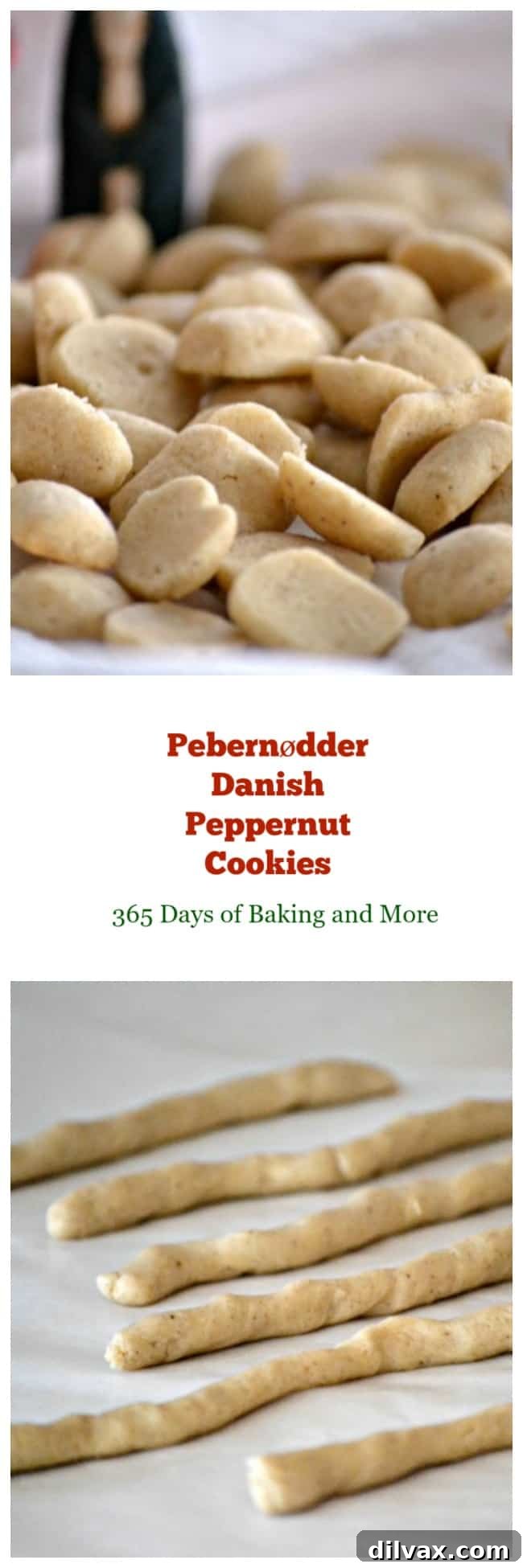
While the recipe for Pebernødder is relatively simple, a few tips can help you achieve truly perfect results:
- Room Temperature Ingredients: Ensure your butter and egg are at room temperature. This allows them to cream together more smoothly, creating a homogeneous dough that bakes evenly.
- Don’t Overmix: Once you add the flour, mix until just combined. Overmixing can develop the gluten, leading to tougher cookies.
- Dough Consistency is Key: The dough should be soft but manageable. If it’s too sticky, add flour in small increments. If it becomes too dry and crumbly, a tiny bit of milk or cream can help bring it together.
- Uniform Size Matters: Aim for consistent small pieces when cutting the dough. This ensures they bake evenly. Tiny cookies mean tiny baking times, so consistency is crucial.
- Watch Your Oven: Ovens can vary wildly. The suggested baking time is a guideline; keep an eye on your cookies. They are done when the edges are lightly golden, even if the tops still look pale. Since these cookies are small, they can go from perfectly baked to burnt very quickly. Trust your nose and the visual cues! For my oven, I often find taking them out a minute or so earlier than expected to be safer, allowing them to crisp up further as they cool.
- Cooling Time: Letting them cool on the baking sheet for the first 15 minutes is important. This allows them to set and develop their signature crisp texture before being moved.
- Storage: Store your cooled Pebernødder in an airtight container at room temperature. They keep well for several weeks, making them ideal for baking ahead for holiday gatherings or gifting.
Serving and Savoring Your Pebernødder
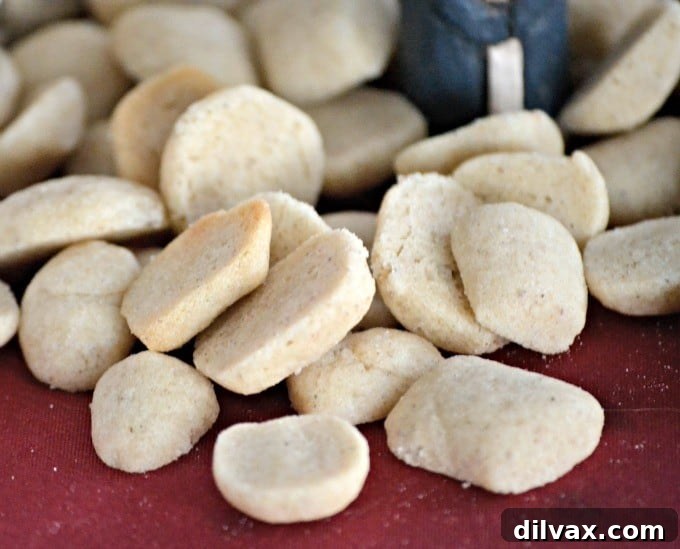
These tiny spice cookies are incredibly versatile and perfectly suited for the festive season. Their robust flavor makes them a wonderful accompaniment to a variety of beverages. Enjoy them with a steaming cup of coffee or tea, allowing the warmth of the drink to enhance their delicate spice notes. For an authentic Danish experience, pair them with a glass of gløgg (mulled wine) or a rich, dark hot chocolate. They are also fantastic simply enjoyed on their own as a small, satisfying treat.
Pebernødder are not just for snacking; they also make charming additions to holiday dessert tables, cookie platters, or even as edible gifts. Their diminutive size makes them perfect for popping into your mouth one after another – a testament to their irresistible nature! Just be warned, it’s easy to lose track of how many you’ve enjoyed, so proceed with delightful caution. Their subtle spice and satisfying crispness truly make them a stand-out amongst holiday cookies, a perfect blend of tradition and deliciousness.
I genuinely loved these Pebernødder cookies more than I anticipated. I initially worried they might be too heavily spiced, but the balance was absolutely perfect. The white pepper offers just the right amount of warmth without overpowering the other delicate flavors. They were a wonderful surprise and quickly became a new favorite for our holiday baking repertoire.
Discover More Holiday Cookie Favorites
If you’ve enjoyed the unique charm of Pebernødder, then you’re sure to fall in love with these other festive cookie recipes, perfect for expanding your holiday baking collection!
Cream Cheese Cookies
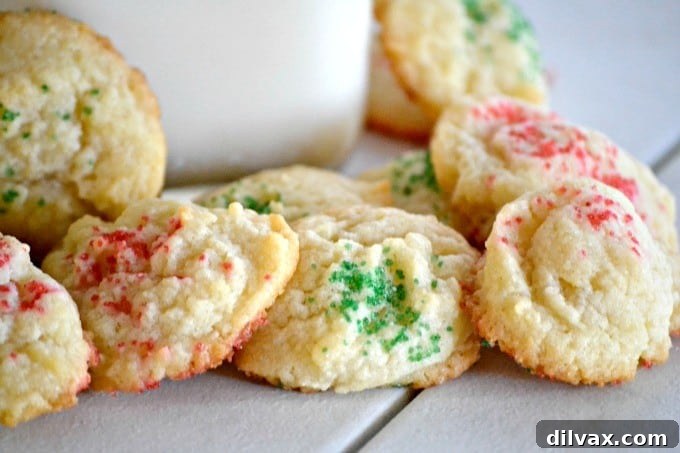
These Cream Cheese cookies are incredibly simple to whip up, boasting a light, tender texture and a subtly sweet flavor that makes them utterly irresistible. They’re so delicious, you’ll find it hard to stop at just one!
Peanut Butter and Jelly Thumbprints
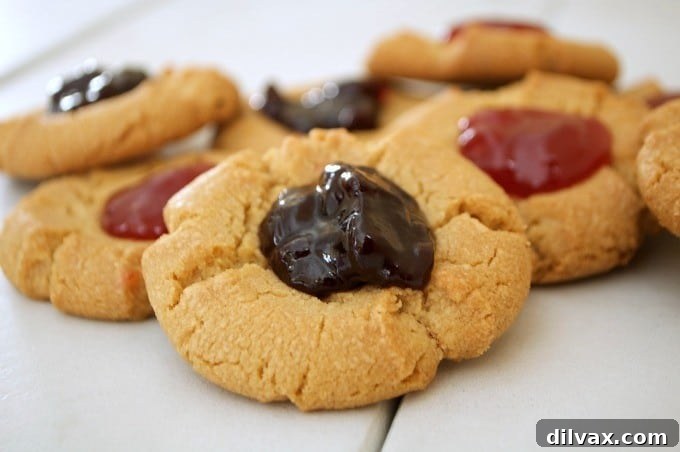
Recreate the nostalgic flavors of a classic peanut butter and jelly sandwich in delightful cookie form! These simple peanut butter cookies feature a soft, chewy base with a sweet indentation filled with luscious strawberry preserves. They’re a playful and delicious twist on a timeless favorite.
30+ Christmas Cookies

Explore an extensive collection of over 30 incredible holiday cookie recipes! Whether you’re looking for treats for gift-giving, contributions to a festive cookie exchange, or simply to fill your own home with holiday cheer, this diverse selection offers something for every taste and tradition.