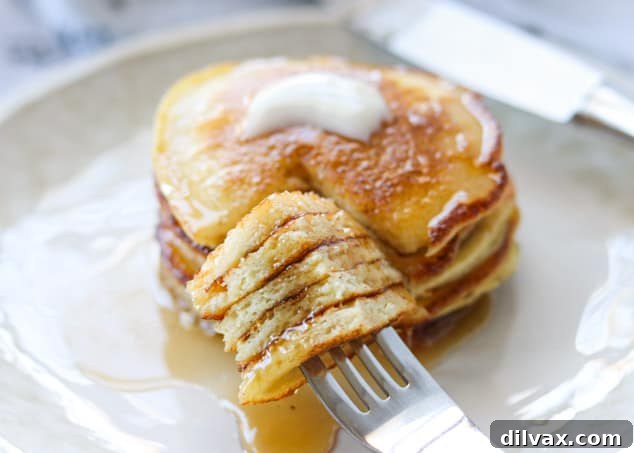
Grandma’s Secret Griddle Cakes Recipe: A Generational Favorite
This Griddle Cakes recipe isn’t just a meal; it’s a cherished family legacy, passed down through generations with a secret ingredient that makes them uniquely delicious. For as long as I can remember, these delightful griddle cakes have been a staple in my life, all thanks to my beloved Grandma. Now, they’re a firm favorite with my own family, and I’m certain they’ll become a beloved tradition in your home too!
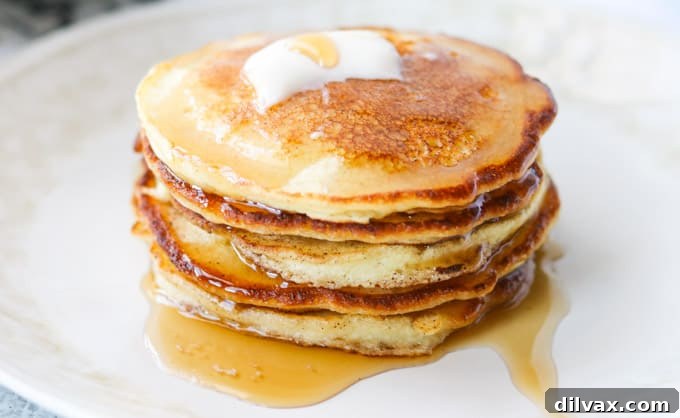
Why These Griddle Cakes Are My Absolute Favorite
Throughout my years of culinary adventures and countless breakfasts, from simple weekday meals to elaborate weekend brunches, these griddle cakes have consistently held the top spot in my heart. No matter how many new recipes I try, I always find myself returning to this comforting classic. Seriously, my affection for these breakfast delights knows no bounds.
Of course, I enjoy experimenting with different pancake variations on occasion. We sometimes whip up quick pancakes from Bisquick, or indulge in savory lemon ricotta pancakes with a homemade blueberry compote. There’s also the joy of baking a giant oven-baked pancake or a whimsical Dutch Baby. We’ve even explored options like pancakes without milk and the lightly sweetened Scotch Pancakes. Each offers its own unique charm.
But when it comes to true comfort and unparalleled flavor, these particular griddle cakes always call me back. They’re more than just a recipe; they’re a connection to my past, a taste of home that resonates deeply with every bite.
SAVE THIS EASY GRIDDLE CAKES RECIPE TO YOUR FAVORITE PINTEREST BOARD!
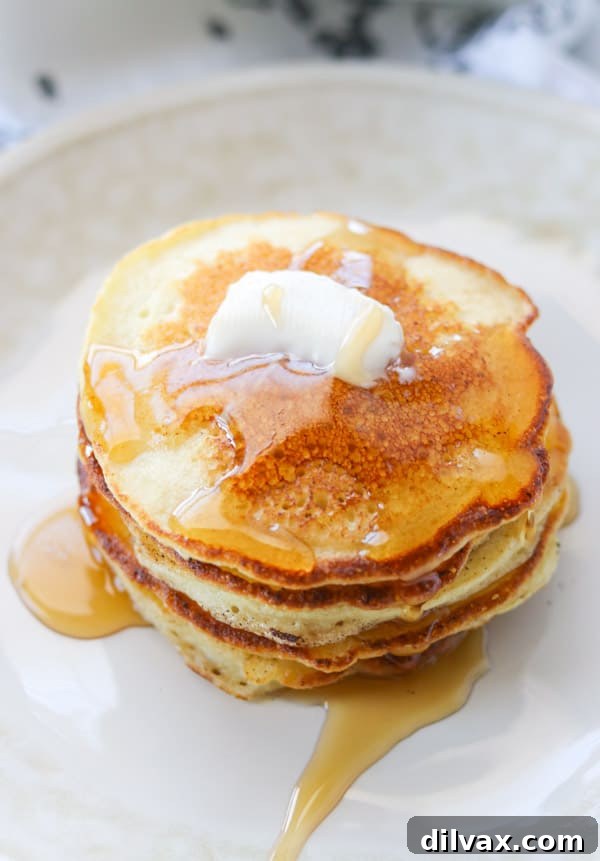
Beyond their incredible taste, these griddle cakes transport me back to my grandparents’ house, filled with the warmth and love of Grandma’s kitchen. Each mouthful evokes vivid memories of laughter, storytelling, and the simple joy of spending time with her. It’s the same feeling I get when I bake her famous Italian bread, her delicate cream cheese cookies, or her comforting doughboys.
There’s an undeniable magic in family recipes. They are more than just instructions; they are edible heirlooms, imbued with history, love, and tradition. I feel incredibly fortunate to be able to share these culinary treasures with my children, creating new memories while honoring old ones, and now, to share them with you, so you can create your own special moments around the breakfast table.
Griddle Cakes vs. Pancakes: Understanding the Delicious Distinction
You might be wondering, “Griddle cakes? Lynne, aren’t those just pancakes? Why the different name?” And you’d be absolutely right to ask! In the United States, “griddle cakes,” “pancakes,” “hotcakes,” and “flapjacks” are often used interchangeably to describe the same beloved breakfast item. (It’s worth noting that in the UK, “flapjacks” refer to something entirely different – more akin to an oat bar.)
Essentially, these terms all describe thin, round, flat cakes made from a batter consisting of flour, milk, eggs, and a leavening agent like baking powder or baking soda. The leavening agents are crucial for giving them that characteristic slight rise and tender texture as they cook on a buttered or oiled griddle or frying pan.
What makes them so universally loved is their versatility. While they are a perfect canvas for pure maple syrup, you can also dress them up with homemade pancake syrup, a rich copycat Magleby’s buttermilk syrup, a vibrant blueberry compote, or a quick 3-ingredient strawberry sauce. My personal favorite way to enjoy them? Simply topped with a generous pat of butter and a delicate sprinkling of granulated sugar – it allows the pure flavor of the griddle cake to shine through.
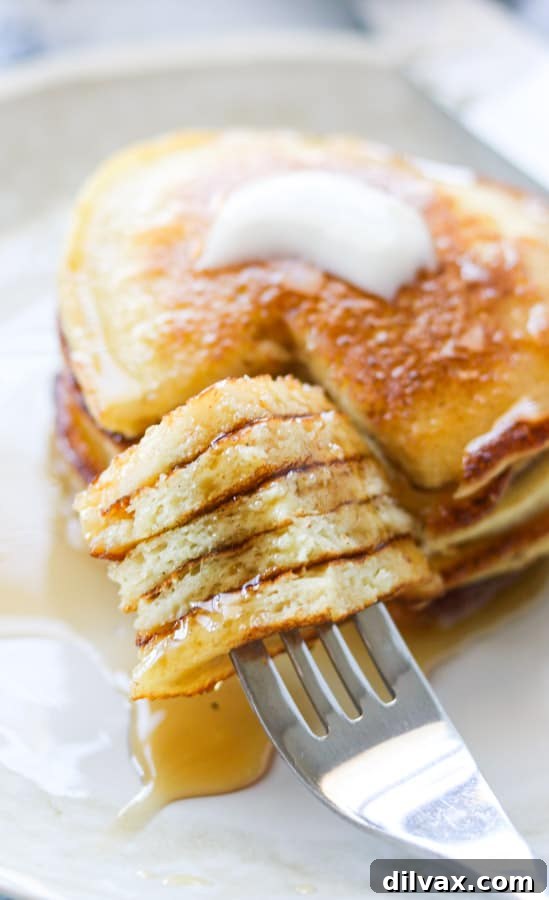
These particular griddle cakes strike a beautiful balance in texture. While they don’t achieve the extreme fluffiness of some pancake recipes, they are also far from the delicate thinness of the crepes I use to make our cherished cheese blintzes. They offer a satisfyingly soft, yet substantial bite that is utterly irresistible.
The Secret Ingredient: What Makes These Griddle Cakes So Special?
Remember that “secret ingredient” I mentioned earlier? It’s what truly sets these griddle cakes apart and elevates them to a league of their own. While not entirely exclusive to this recipe, as some other fantastic pancake recipes also incorporate it, it’s the key to their tender texture and subtly tangy flavor. Are you ready for the big reveal?
Key Ingredients for the Best Griddle Cakes:
- Sour Milk (or DIY Buttermilk): This is truly the star! Made by combining whole milk with white vinegar, it reacts with the baking soda to create an incredibly tender crumb and a distinctive, rich flavor that plain milk simply can’t achieve. While buttermilk also works well, the sour milk in this recipe adds a unique touch that I prefer.
- All-Purpose Flour: The foundation of our griddle cakes, providing structure.
- Granulated Sugar: A touch of sweetness to balance the flavors.
- Kosher Salt: Enhances all the other ingredients, bringing out their best.
- Baking Soda: Works with the sour milk to create lift and tenderness.
- Baking Powder: Provides additional lift, ensuring a light texture.
- Large Eggs: Bind the ingredients together and add richness.
- Melted Butter: Adds moisture and a delicious buttery flavor to the batter, with extra for cooking on the griddle.
The combination of these simple ingredients, especially the sour milk, creates a griddle cake that is moist, tender, and incredibly flavorful – a true breakfast masterpiece!
Rating: 4.35 out of 5 stars (63 ratings)
Created by: Lynne Feifer
Griddle Cakes
Course: Breakfast
Cuisine: American
Prep Time: 10 minutes
Cook Time: 20 minutes
Total Time: 45 minutes
Print Recipe | Pin Recipe | Rate This Recipe
Yields: 4 people
This Griddle Cakes recipe has been in our family for generations and for good reason. There’s a secret ingredient makes them super delicious! I’ve been eating them ever since I can remember thanks to Grandma, and now my family loves them. I think yours will, too!
Ingredients
- 2 cups milk
- 2 tablespoons white vinegar
- 2 cups all-purpose flour
- 1 tablespoon granulated sugar
- 1 teaspoon kosher salt
- 1 teaspoon baking soda
- ¾ teaspoon baking powder
- 2 large eggs
- 1 tablespoon butter, melted (plus additional for cooking)
Instructions
- Pour the two cups of milk into a liquid measuring cup and add the two tablespoons of white vinegar. Stir gently and let it sit for at least 15 minutes. This step creates the “sour milk” that is crucial for the recipe’s unique flavor and texture.
- In a large mixing bowl, thoroughly whisk together the all-purpose flour, granulated sugar, kosher salt, baking soda, and baking powder. Ensure all dry ingredients are well combined.
- In a separate medium bowl, lightly beat the large eggs. Then, add the melted butter and the prepared soured milk. Mix these wet ingredients completely until well incorporated.
- Pour all of the liquid ingredients into the dry ingredients. Stir just until combined. It’s important not to overmix the batter; a few small lumps are perfectly fine and often result in more tender griddle cakes. Overmixing can lead to tough pancakes.
- Heat your griddle or a large frying pan over medium-high heat. Add a small amount of butter to the hot surface. The griddle is ready when the butter begins to sizzle gently.
- Using a large spoon or a 1/4 cup measuring cup, gently pour portions of the batter onto the hot griddle to form your griddle cakes. Allow enough space between them for easy flipping.
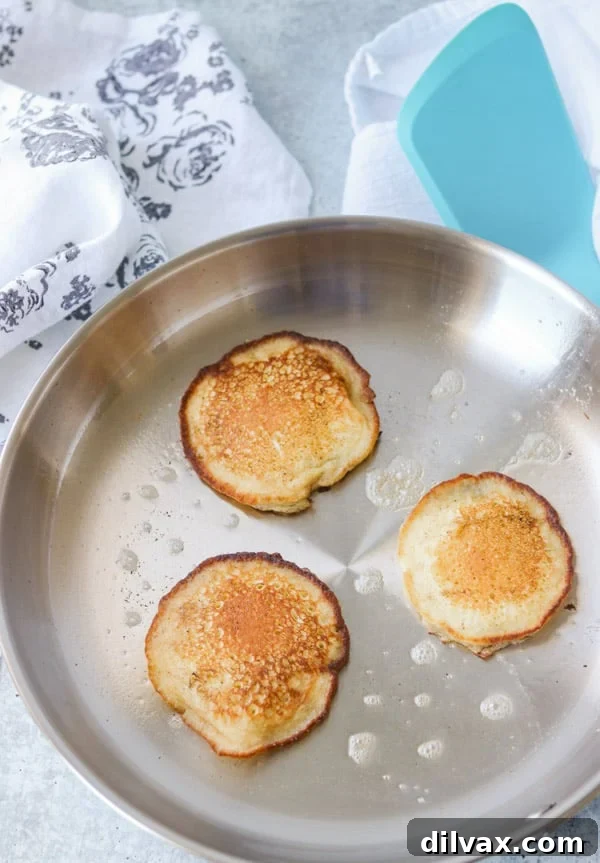
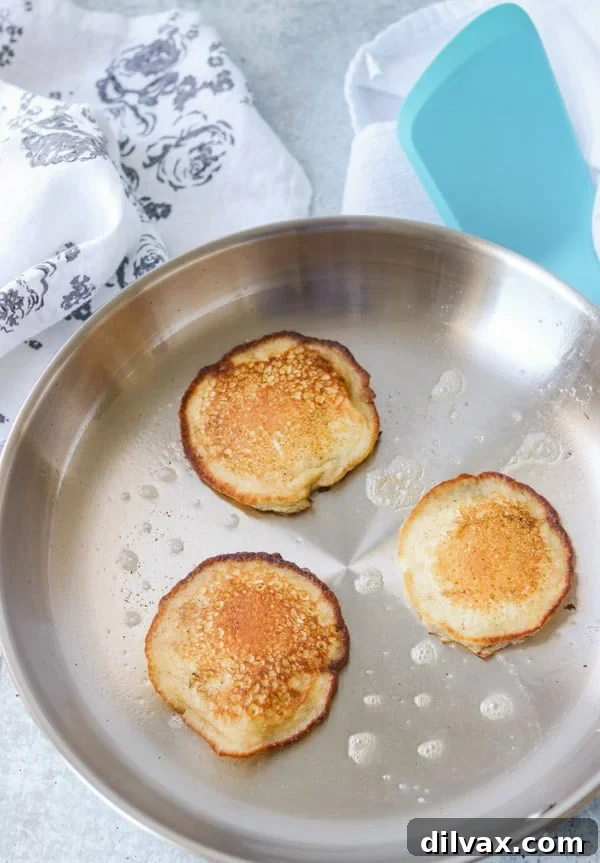
- Cook for 1-2 minutes on the first side, or until bubbles start to form on the surface and the edges begin to set and look dry. The griddle cake is ready to flip when many bubbles have popped and the underside is golden brown. Gently flip each griddle cake over and cook for an additional 1 minute on the second side, or until golden brown and cooked through.
- After cooking each batch, melt about a half to a whole tablespoon of additional butter in the pan before adding more batter. This ensures consistent browning and flavor for every griddle cake. Serve immediately with your favorite toppings!
Nutrition Facts (per serving)
Serving: 1g | Calories: 341kcal | Carbohydrates: 57g | Protein: 10g | Fat: 7g | Saturated Fat: 4g | Cholesterol: 20mg | Sodium: 935mg | Potassium: 304mg | Fiber: 2g | Sugar: 9g | Vitamin A: 285IU | Calcium: 180mg | Iron: 3mg
Tips for Perfect Homemade Griddle Cakes Every Time
- Don’t Overmix the Batter: This is perhaps the most important tip for tender pancakes. Mix until the dry ingredients are just moistened. Lumps are fine; overmixing develops gluten, leading to tough pancakes.
- The “Sour Milk” Secret: Allow the milk and vinegar mixture to sit for at least 15 minutes. You’ll see it curdle slightly, which is exactly what we want. This homemade buttermilk substitute reacts with the baking soda to create a beautifully light and tender texture.
- Griddle Temperature is Key: A medium-high heat is usually ideal. Test with a drop of water – it should sizzle and evaporate immediately. If it smokes too much, it’s too hot; if it barely sizzles, it’s too cool.
- Butter for Flavor and Browning: Don’t skip the butter on the griddle! It adds incredible flavor and helps create that beautiful golden-brown crust. Add a fresh pat of butter between each batch.
- Look for Bubbles to Flip: Patience is a virtue. Wait until you see plenty of bubbles on the surface and the edges look set and dry before flipping. This ensures an evenly cooked griddle cake that doesn’t fall apart.
- Keep Them Warm: As you cook batches, you can keep the finished griddle cakes warm in a single layer on a baking sheet in a preheated oven at a low temperature (around 200°F or 90°C) until you’re ready to serve.
Serving Suggestions for Your Delicious Griddle Cakes
While these griddle cakes are divine on their own, a little something extra can turn them into an unforgettable breakfast or brunch experience. Here are some of our favorite ways to enjoy them:
- Classic Maple Syrup & Butter: The timeless combination that never disappoints.
- Fresh Fruit: Sliced bananas, berries (strawberries, blueberries, raspberries), or a medley of seasonal fruits add freshness and natural sweetness.
- Whipped Cream: A dollop of freshly whipped cream can elevate any stack of pancakes.
- Fruit Compotes & Sauces: Beyond blueberry and strawberry, try apple compote, cherry sauce, or even a spiced pear topping.
- Nutella or Chocolate Syrup: A decadent treat for chocolate lovers.
- Powdered Sugar: A simple dusting for an elegant touch.
- Nuts: Toasted pecans, walnuts, or sliced almonds add a delightful crunch.
- Savory Pairings: Don’t forget the classics! Serve alongside crispy bacon, savory sausage links, or a side of scrambled eggs for a complete meal.
Frequently Asked Questions About Griddle Cakes
Can I use regular milk instead of making sour milk?
While you can use regular milk, the unique flavor and tender texture of this recipe truly come from the sour milk (or buttermilk). If you don’t have white vinegar, you can substitute lemon juice in the same amount to create the sour milk effect. You can also use store-bought buttermilk if preferred, but I highly recommend trying the sour milk method for the authentic taste of this family recipe.
How do I store leftover griddle cakes?
Leftover griddle cakes can be stored in an airtight container in the refrigerator for up to 3-4 days. For longer storage, you can freeze them for up to 2-3 months. Lay them in a single layer on a baking sheet to freeze, then transfer to a freezer-safe bag with parchment paper between each griddle cake to prevent sticking.
What’s the best way to reheat griddle cakes?
From the refrigerator, you can reheat griddle cakes in a toaster, microwave, or in a warm oven (300°F/150°C) until heated through. If frozen, you can reheat them directly in a toaster or oven; they might just need a little extra time.
Can I add mix-ins to the batter?
Absolutely! Feel free to customize your griddle cakes with your favorite mix-ins. Chocolate chips, fresh blueberries, thinly sliced bananas, or even a sprinkle of cinnamon can be gently folded into the batter just before cooking.
My griddle cakes are too thick/thin. What went wrong?
If they are too thick, your batter might be too dense. You can thin it out with a tablespoon or two of milk until it reaches a pourable consistency. If they are too thin and spread out too much, your batter might be too runny, or your griddle might not be hot enough. You can try adding a tablespoon of flour to thicken the batter slightly, or increase the griddle temperature.