The Ultimate Guide to Baking a Classic Homemade Boston Cream Pie
For many, the mention of Boston Cream Pie evokes a sense of nostalgia, a culinary embrace from the heart of New England. It’s a dessert that transcends generations, consistently delivering a harmonious blend of tender cake, rich vanilla cream, and a decadent chocolate glaze. Whether you’re a seasoned baker or just beginning your culinary journey, crafting a homemade Boston Cream Pie is a truly rewarding experience.
My personal fascination with Boston Cream Pie stems from a deep-rooted love for all things Bostonian, a sentiment perhaps nurtured by my New England upbringing. There’s an undeniable allure to its classic perfection, making every slice a delightful journey. While enjoying a slice in a restaurant is always a treat, there’s nothing quite like the satisfaction of creating this iconic dessert in your own kitchen.
This comprehensive guide will walk you through every step of preparing a magnificent Boston Cream Pie, drawing inspiration from the timeless wisdom found in “The New Doubleday Cookbook” by Jean Anderson and Elaine Hanna (pp. 802, 801, 823; Doubleday, a division of Random House, Inc.; ISBN 0-385-19577-X). We’ll cover the fundamental components, offer expert tips, and even share common troubleshooting advice to ensure your pie turns out beautifully.
What Exactly is a Boston Cream Pie?
Despite its name, Boston Cream Pie is not a pie at all, but rather a cake. It’s an elegant two-layer yellow butter cake, traditionally 9 inches in diameter, generously filled with a luscious vanilla-flavored pastry cream and crowned with a glossy chocolate ganache or glaze. Its origin dates back to the mid-19th century at Boston’s Parker House Hotel, where it was originally called a “Chocolate Cream Pie” or “Parker House Chocolate Cream Pie.” It quickly became a regional favorite and, eventually, a national treasure.
This recipe is designed to yield a spectacular 9-inch, two-layer cake, perfect for sharing and serving approximately 16 delightful portions. The magic lies in the balance of its three core components:
- Two layers of a perfectly golden, moist Basic Three-Egg Butter Cake.
- One recipe of a velvety, rich Basic Vanilla Cream Filling.
- One recipe of a smooth, glossy Chocolate Glaze.
Crafting Your Signature Boston Cream Pie: Step-by-Step
1. The Foundation: Basic Three-Egg Butter Cake Layers
The cake layers are the backbone of your Boston Cream Pie, providing a light yet sturdy base for the creamy filling. A classic butter cake offers a tender crumb and a delicate flavor that complements the vanilla cream beautifully. Precision in measuring and mixing is key here to achieve the perfect texture.
Ingredients for the Cake:
- 2 cups sifted cake flour (using cake flour results in a lighter, finer crumb)
- 2 teaspoons baking powder (the leavening agent for a tender rise)
- ¼ teaspoon salt (enhances flavor and balances sweetness)
- ½ cup whole milk (contributes to moisture and richness)
- 1 teaspoon pure vanilla extract (for classic vanilla aroma)
- ½ cup unsalted butter, softened to room temperature (essential for creaming)
- 1 cup granulated sugar (sweetness and helps create a tender crumb)
- 3 large eggs, separated (yolks for richness, whites for lightness)
Instructions for the Cake:
- Prepare Your Workspace: Begin by preheating your oven to 375ºF (190ºC). Grease and flour two 9-inch round cake pans thoroughly. This crucial step prevents sticking and ensures your cakes release cleanly.
- Dry Ingredients: In a medium bowl, sift together the cake flour, baking powder, and salt. Sifting helps aerate the flour and remove any lumps, leading to a smoother batter and lighter cake. Set aside.
- Wet Ingredients Prep: In a separate small bowl or measuring cup, combine the milk and vanilla extract. Set aside.
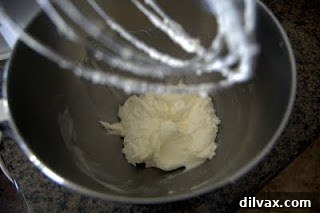
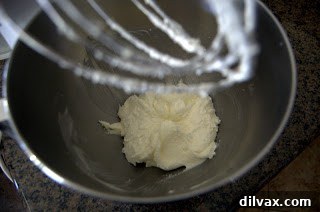
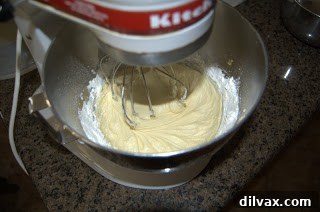
- Creaming Butter and Sugar: In a large mixing bowl, using an electric mixer, cream the softened butter until it’s light and fluffy. Gradually add the granulated sugar, continuing to cream the mixture for another 3-5 minutes until it’s very light, pale, and incredibly fluffy. This process incorporates air, which is vital for a tender cake.
- Add Egg Yolks: Incorporate the egg yolks into the creamed butter and sugar mixture, adding them one at a time. Beat well after each addition, ensuring each yolk is fully integrated before adding the next. This creates an emulsified batter, preventing separation.
- Alternate Additions: With the mixer on low speed, gradually add the dry ingredients alternately with the milk mixture to the butter mixture. Begin and end with the dry ingredients, adding approximately one-third of the total at a time. Beat *just* until the batter is smooth and no streaks of flour remain. Overmixing at this stage can develop gluten, resulting in a tough cake.
- Fold in Egg Whites: In a clean, separate bowl, beat the three egg whites until soft peaks form. Soft peaks are important; they should hold their shape but still have a slight curl at the tip. Gently fold these beaten egg whites into the cake batter. This step adds additional air and lightness to the cake. Be careful not to deflate the whites.
- Bake the Layers: Divide the batter evenly between the two prepared 9-inch cake pans. Smooth the tops with a spatula.
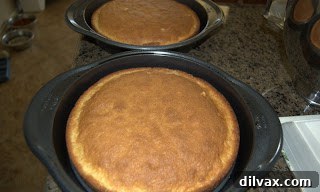
- Bake for 25-30 minutes, or until the cakes shrink slightly from the sides of the pans and are springy to the touch when gently pressed in the center. A wooden skewer or toothpick inserted into the center should come out clean.
- Cooling Process: Once baked, cool the cakes upright in their pans on wire racks for 5-7 minutes. This allows the cakes to set without collapsing.
- After 5-7 minutes, carefully invert the cakes onto the wire racks to cool completely. Ensure they are completely cool before assembling to prevent the filling from melting.
2. The Heart of the Pie: Basic Vanilla Cream Filling
The luscious vanilla cream filling is what truly defines a Boston Cream Pie. This pastry cream, or crème pâtissière, should be rich, smooth, and intensely vanilla-flavored. It’s a surprisingly simple process, but requires constant attention to achieve the perfect silky consistency.
Ingredients for the Vanilla Cream Filling:
- 2 tablespoons cornstarch (the thickening agent for the cream)
- 1/3 cup granulated sugar (for sweetness)
- ¾ cup whole milk (the base of the cream)
- 1 large egg yolk, lightly beaten with ¼ cup of whole milk (for richness, color, and emulsification)
- 1 teaspoon pure vanilla extract (generous amount for pronounced vanilla flavor)
Instructions for the Vanilla Cream Filling:
- Initial Blend: In a small, heavy-bottomed saucepan, whisk together the cornstarch, sugar, and the ¾ cup of milk until smooth. Ensure there are no lumps of cornstarch.
- Cook to Thicken: Place the saucepan over moderate heat, stirring constantly with a whisk. Continue to stir and heat until the mixture comes to a boil and visibly thickens. Once it boils, continue to boil and stir for an additional ½ minute to ensure the cornstarch is fully cooked and activated. This prevents a starchy taste.
- Temper the Egg Yolk: Remove the saucepan from the heat. In a separate bowl, you should have your egg yolk lightly beaten with ¼ cup of milk. While whisking constantly, gradually spoon a small amount of the hot milk mixture into the egg yolk mixture. This slowly raises the temperature of the egg yolk, preventing it from scrambling when added to the hot pan.
- Combine Mixtures: Slowly pour the tempered egg yolk mixture back into the saucepan with the remaining hot mixture, whisking vigorously and constantly. Return the pan to very low heat (or off heat if your pan retains heat well) and continue to beat constantly until the mixture is fully incorporated and smooth.
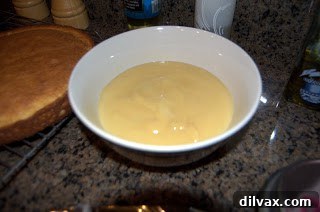
- Add Vanilla and Cool: Remove the pan from the heat. Stir in the vanilla extract. Transfer the filling to a clean bowl, cover the surface directly with plastic wrap (to prevent a skin from forming), and cool to room temperature, beating occasionally to maintain its smooth texture. This filling will thicken further as it cools.
3. The Crown Jewel: Chocolate Glaze
The final touch is the elegant chocolate glaze, which provides a beautiful contrast in flavor and texture to the creamy filling and tender cake. A glossy, rich glaze is the perfect complement to this classic dessert.
Ingredients for the Chocolate Glaze:
- 2 (1-ounce) squares unsweetened chocolate (provides deep chocolate flavor without excessive sweetness)
- 1 teaspoon unsalted butter (for richness and shine)
- 1 cup sifted confectioners’ sugar (also known as powdered sugar, for smoothness)
- 3 tablespoons warm water (to achieve the desired consistency)
Instructions for the Chocolate Glaze:
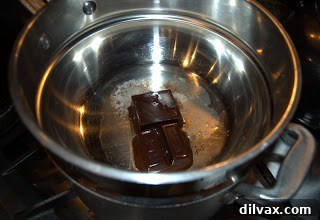
- Melt Chocolate and Butter: Using a double boiler, or a heatproof bowl set over a saucepan of simmering water (ensure the bottom of the bowl does not touch the water), melt the unsweetened chocolate and butter together. Stir gently until completely smooth and well blended.
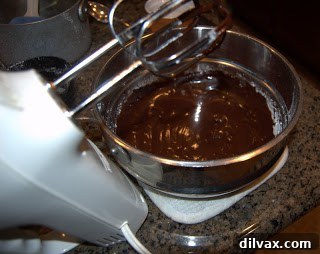
- First Sugar Addition: Remove the top part of the double boiler (the bowl with the melted chocolate) and place it on a damp cloth to stabilize it. Add ½ cup of the sifted confectioners’ sugar and 1 tablespoon of the warm water to the chocolate mixture. Beat vigorously with a whisk or spoon until the mixture is completely smooth and free of lumps.
- Second Sugar Addition & Glaze Consistency: Add the remaining ½ cup of confectioners’ sugar and the remaining 2 tablespoons of warm water. Continue to beat until the glaze is beautifully glossy and has a pourable, yet thick, consistency. If the glaze is too thick, add water a tiny bit at a time; if too thin, add a small amount of sifted confectioners’ sugar.
4. Assembling Your Masterpiece: The Boston Cream Pie
With all three components prepared and cooled, it’s time for the exciting final step: assembly! This is where your individual elements come together to create the iconic Boston Cream Pie.
Instructions for Assembling the Cake:
- Level the Cakes (Optional but Recommended): For a professional-looking and stable pie, it’s often helpful to level your cake layers. If your cakes have domed tops (a common occurrence in baking), use a serrated knife to carefully slice off the dome, creating a flat surface. This ensures your layers stack neatly and your filling won’t seep out the sides, as the author experienced!
- Apply the Filling: Place one cooled, leveled cake layer onto your serving plate or cake stand. Spread the cooled vanilla cream filling evenly over the top of this layer, leaving about a ½-inch border from the edge to prevent excessive spillage when the top layer is added.
- Add the Top Layer: Carefully place the second cake layer on top of the filling, gently pressing down to create a stable sandwich.
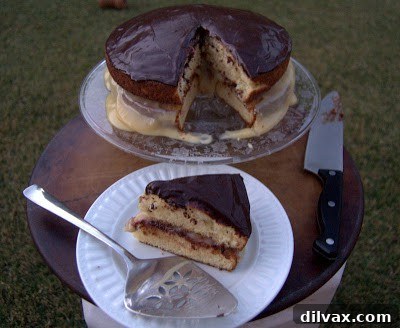
- Glaze the Top: Spoon the prepared chocolate glaze over the top of the cake. Using an offset spatula or the back of a spoon, gently spread the glaze to the edges, allowing some to drip artfully down the sides.
- Set and Chill: Let the assembled Boston Cream Pie stand at room temperature for a short while, allowing the glaze to set slightly. For best results and to firm up the filling, store the Boston Cream Pie in the refrigerator for at least an hour before serving. This also makes for cleaner slices.
Baking Lessons and Troubleshooting Tips
My first attempt at this magnificent dessert was a testament to the fact that even the most seasoned bakers encounter challenges. While the final product was undeniably delicious and heartily approved by my husband (earning a respectable 3½ out of 4 rolling pins on my personal rating scale!), there was a moment of frustration. When I placed the top layer, I watched in dismay as the vanilla cream filling began to leak out the sides. My initial reaction was disappointment – a common feeling when a creation doesn’t meet our perfect mental image.
However, every “flaw” in baking is a learning opportunity. I quickly realized my oversight: baker’s impatience. Both cake layers had slightly domed in the middle, and I had neglected to level them. Naturally, with gravity doing its part, the filling had nowhere to go but out the sides! This experience taught me a valuable lesson: patience and proper preparation, like leveling cake layers, are crucial for structural integrity.
Here are some additional tips for your baking journey:
- Mise en Place: Have all your ingredients measured and prepared before you start mixing. This French culinary phrase, meaning “everything in its place,” will streamline your process and prevent errors.
- Oven Calibration: Oven temperatures can vary. If your cakes consistently dome or burn, consider investing in an oven thermometer to ensure accuracy.
- Don’t Overmix: Especially with cake batter, overmixing develops gluten, which can lead to a tough, dry cake. Mix only until ingredients are just combined.
- Cooling is Crucial: Ensure all components—especially the cake layers and the cream filling—are completely cool before assembly. Warm components will cause the filling to melt and the cake to slide.
- Leveling Cakes: For a professional finish and to prevent filling leaks, always level your cake layers if they have domed tops. A serrated knife or a dedicated cake leveler works wonders.
Enjoy Your Homemade Boston Cream Pie!
Despite minor setbacks, the beauty of homemade baking is in the process and the delicious outcome, even if it’s not “picture-perfect.” Each bake is a chance to learn, refine your skills, and create something truly special. This Boston Cream Pie, in all its glory, was a delicious triumph, and I learned precisely what to do to make it even better next time.
So, gather your ingredients, follow these steps, and prepare to delight yourself and your loved ones with a taste of classic New England charm. Happy baking!