The Enduring Delight of True Sponge Cake: A Classic Fannie Farmer Recipe
There’s a certain quiet joy in the everyday, isn’t there? Life, with its sometimes unpredictable turns, occasionally offers those serene moments where time seems to slow down. Lately, my days have been a comforting rhythm of routine – no grand adventures to report, just the gentle hum of daily life. And sometimes, those tranquil moments are exactly what we need to appreciate the simple pleasures, like the anticipation of a new episode of a favorite show or the comforting aroma of something delicious baking in the oven. Tonight, as I settled in to type this post, a fresh episode of ‘Chopped’ awaited, bringing with it a delightful buzz of excitement. But before the culinary drama unfolded on screen, my kitchen was filled with a different kind of magic: the creation of a truly classic dessert.
In a world brimming with complex recipes and culinary trends, there’s an undeniable charm in returning to the timeless classics. Today, I’m thrilled to share a recipe that embodies this very sentiment: a magnificent True Sponge Cake. This particular gem hails from the esteemed pages of the Fannie Farmer Cookbook Thirteenth Edition, authored by the brilliant Marion Cunningham and published by Alfred A. Knopf, Inc. (a division of Random House, Inc. with ISBN 0-394-56788-9). The Fannie Farmer Cookbook is more than just a collection of recipes; it’s a foundational text in American culinary history, known for its meticulous instructions and reliable results. Marion Cunningham’s revision breathed new life into this classic, ensuring its relevance and accessibility for modern bakers. This particular sponge cake recipe is a testament to its enduring legacy, promising a delightful texture and pure, unadulterated flavor that harks back to simpler, sweeter times.
Understanding the Magic of a True Sponge Cake
What exactly defines a “true” sponge cake? It’s a question worth pondering, especially when delving into such a beloved classic. At its heart, a sponge cake is a marvel of simplicity and ingenuity. Unlike many other cakes that rely on chemical leavening agents like baking powder or soda, the sponge cake achieves its characteristic light, airy, and delicate texture primarily through the aeration of eggs. This means that the careful beating of egg whites and yolks is not just a step in the process, but the very foundation of the cake’s structure and success. The result is a cake that is incredibly tender, subtly sweet, and wonderfully versatile, serving as a perfect canvas for a myriad of fillings and toppings. It’s a testament to how humble ingredients, when treated with respect and technique, can transform into something truly extraordinary.
The beauty of this particular True Sponge Cake recipe from the Fannie Farmer Cookbook lies in its clear, concise instructions that guide you toward baking perfection. It’s a recipe that encourages precision and patience, rewarding you with a dessert that feels both impressive and comforting. Whether you’re a seasoned baker looking to perfect a classic or a novice eager to master a fundamental technique, this recipe is an excellent starting point. The reliance on whipped eggs creates an open crumb structure that is wonderfully absorbent, making it ideal for soaking up fruit juices or delicate syrups, and pairing beautifully with fresh fruit and cream – just as we love to enjoy it in our home.
True Sponge Cake Recipe: A Timeless Classic
Baking this sponge cake is a delightful journey that begins with carefully selected ingredients and ends with a truly satisfying dessert. Pay attention to the quality of your ingredients, as they truly make a difference in the final product. Fresh eggs, quality sugar, and delicate cake flour are your allies in achieving that quintessential light texture.
Ingredients:
- 5 large eggs, separated (ensure they are at room temperature for best results)
- 1 tablespoon fresh lemon juice (essential for stabilizing egg whites and adding a subtle tang)
- 1 cup granulated sugar (divided as specified in instructions)
- ¼ teaspoon fine salt (enhances flavor and helps egg whites whip better)
- 1 cup cake flour, sifted (provides a tender crumb; do not substitute with all-purpose flour without adjustments)
Essential Equipment:
Before you begin, gather your tools. You’ll need a stand mixer with whisk attachment (or a hand mixer and large bowls), a fine-mesh sieve for sifting flour, a rubber spatula for folding, and your chosen cake pan. The recipe specifies either a 9-inch tube pan or two 8-inch round cake pans. A tube pan is traditional for sponge cakes, promoting even baking and cooling due to its central core.
Step-by-Step Baking Instructions:
The journey to a perfect sponge cake is all about technique, particularly when it comes to the eggs. Follow these steps carefully to ensure a light, airy, and truly delicious result.
- Prepare Your Oven and Pans: Begin by preheating your oven to 325ºF (160ºC). This precise temperature is crucial for the delicate structure of a sponge cake, allowing it to rise slowly and evenly without drying out. Next, prepare your pan(s). Line the bottom of a 9-inch tube pan or two 8-inch round cake pans with wax paper. Cut the wax paper to fit precisely, creating a non-stick barrier. Do not grease the sides of the pan; the cake needs to cling to the sides as it rises to achieve maximum height.
- Beat Egg Yolks with Lemon Juice: In a medium bowl, combine the five egg yolks with the 1 tablespoon of fresh lemon juice. Using an electric mixer, beat this mixture on medium-high speed until it becomes noticeably pale in color and thick in consistency. This process emulsifies the yolks and lemon juice, creating a stable base for the cake and starting the aeration process.
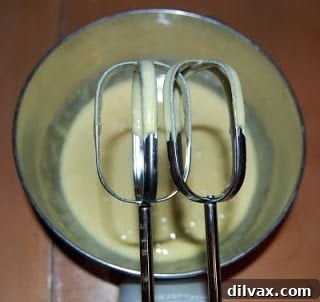
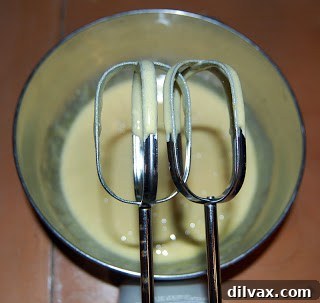
- Gradually Incorporate Sugar into Yolks: While continuing to beat the egg yolk mixture, gradually add ¾ cup of the granulated sugar. Pour it in a slow, steady stream rather than all at once. Continue beating thoroughly for several minutes until the mixture is light, fluffy, and very pale yellow, almost white. The sugar should be fully dissolved, and the mixture should fall in thick ribbons when the beaters are lifted.
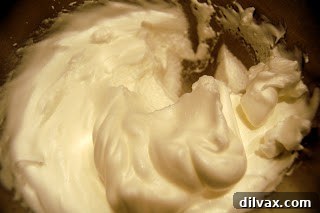
- Whip Egg Whites to Soft Peaks: In a separate, impeccably clean and dry large bowl (any grease can prevent the whites from whipping properly), begin beating the egg whites until they become foamy. At this stage, add the ¼ teaspoon of salt. The salt helps to stabilize the egg whites, allowing them to achieve greater volume and a finer, more stable foam. Continue beating until the whites hold soft peaks – when you lift the whisk, the peaks should gently droop.
- Slowly Add Remaining Sugar to Whites: With the mixer still running on medium-high, slowly add the remaining ¼ cup of granulated sugar to the egg whites, trickling it in a little at a time. Continue beating until the whites are stiff and glossy, but be careful not to overbeat them to the point of being dry or crumbly. Stiff peaks should stand straight up when the whisk is removed, but still have a slight sheen and elasticity. Overbeaten whites can be difficult to fold and lead to a dry cake.
- Lighten the Yolk Mixture: To make the folding process easier and prevent deflating the egg whites, gently stir about a fourth of the beaten egg whites into the thicker egg yolk mixture. This step, known as “lightening,” helps to loosen the yolk base, making it more receptive to the remaining delicate whites.
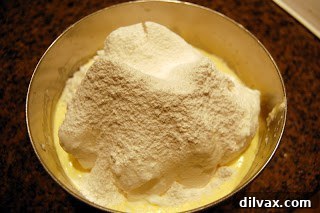
- Fold in Remaining Whites and Sift Flour: Spoon the remaining three-fourths of the beaten egg whites over the lightened egg yolk mixture. Then, carefully sift the 1 cup of cake flour directly over the egg white and yolk mixture. Sifting ensures the flour is aerated and evenly distributed, preventing lumps and promoting a tender crumb.
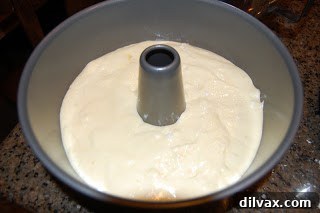
- Gentle Folding is Key: Using a large rubber spatula, gently fold the ingredients together until just blended. This is perhaps the most critical step for a true sponge cake. Use a motion that involves cutting down through the center, sweeping across the bottom, and bringing the mixture up and over. Rotate the bowl as you fold. The goal is to incorporate everything without deflating the precious air you’ve built into the egg whites. Overmixing will result in a dense, tough cake. Stop folding as soon as no streaks of flour or egg white remain.
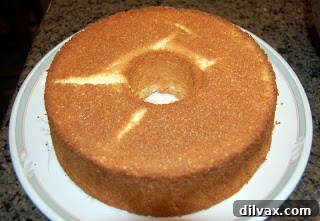
- Fill and Bake: Spoon the delicate batter into your prepared pan(s). If using a tube pan, it will bake for approximately 45-55 minutes. If using two 8-inch layer pans, the baking time will be shorter, typically 25-30 minutes. Bake until the cake is golden brown, springs back when lightly touched, and a wooden toothpick or thin straw inserted into the center comes out clean. This indicates that the cake is fully cooked through.
- Cool Completely: Immediately upon removing from the oven, invert the pan or pans onto a wire rack. This is a crucial step for sponge cakes; inverting prevents the cake from collapsing under its own weight as it cools, helping to maintain its height and airy texture. Allow the cake to cool completely in the inverted pan before attempting to remove it. Patience here ensures the cake sets properly and doesn’t tear. Once fully cooled, carefully run a thin knife around the edges (if not a tube pan with a removable bottom) and invert again to release.
- Garnish and Serve: For a simple yet elegant finish, dust the cooled cake generously with confectioners’ sugar, sifted through a fine-mesh strainer. This creates a beautiful, ethereal snow-like topping that highlights the cake’s classic charm.
The Art of Presentation: Serving Your Masterpiece
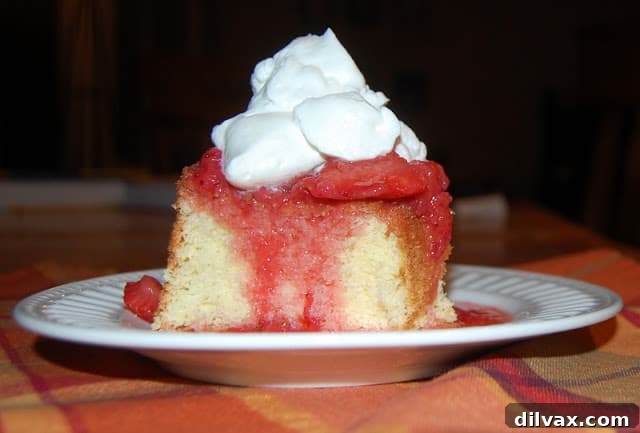
A beautifully baked True Sponge Cake is a delight in itself, but the right accompaniments can elevate it to an unforgettable dessert experience. Here at our house, we’re particularly fond of fresh, ripe strawberries and a generous dollop of homemade whipped cream. The sweetness and slight tartness of the strawberries, combined with the rich cream, perfectly complement the light and delicate texture of the sponge cake. It’s a pairing that’s both refreshing and utterly satisfying. If you’ve been following along, you might remember my affection for this classic combination, as I also used it to garnish the Pound Cake back on Day 32 – a testament to its universal appeal.
Beyond strawberries and whipped cream, the versatility of a True Sponge Cake truly shines. Consider serving it with a medley of seasonal berries, a light lemon curd, or even a simple fruit compote. A dusting of cocoa powder or a delicate chocolate drizzle could add another layer of flavor. For a more decadent treat, you could slice it in half horizontally and fill it with pastry cream or a fruit mousse. The light, absorbent crumb of the sponge cake makes it an excellent candidate for soaking in a light syrup (perhaps flavored with citrus or a liqueur) to create an even moister and more flavorful dessert.
Our Verdict: A Slice of Pure Delight
Every item I bake gets put to the ultimate test: a rating on a scale of 1 to 4, with 4 being the pinnacle of baking perfection. My husband, son, and I, our resident taste-testing panel, were unanimous in our praise for this True Sponge Cake. It proudly earned a remarkable 3½ rolling pins! This cake truly delivered on its promise. It was undeniably spongy, boasting that characteristic airy, elastic crumb that defines a well-made sponge. The flavor was pure and exquisite – a delicate sweetness with just a hint of tang from the lemon, making each bite a true pleasure.
This isn’t just a good cake; it’s a fantastic one. It’s the kind of dessert that makes an impression without being overly complicated. I would absolutely make this True Sponge Cake again, especially when we have guests coming to visit. While our home might not be a bustling hub of constant visitors, I can envision this beautiful cake gracing our table on those special occasions. It’s a crowd-pleaser that offers both elegance and comfort, a perfect reflection of the timeless wisdom found within the Fannie Farmer Cookbook. It’s a reminder that sometimes, the simplest recipes yield the most profound culinary satisfaction.
So, whether you’re looking for a delightful afternoon tea cake, a light dessert after a rich meal, or simply want to master a fundamental baking technique, I wholeheartedly encourage you to try this True Sponge Cake recipe. You’ll be rewarded with a dessert that is not only delicious but also a joy to bake.
Happy baking, and may your kitchen always be filled with sweet aromas and happy memories!