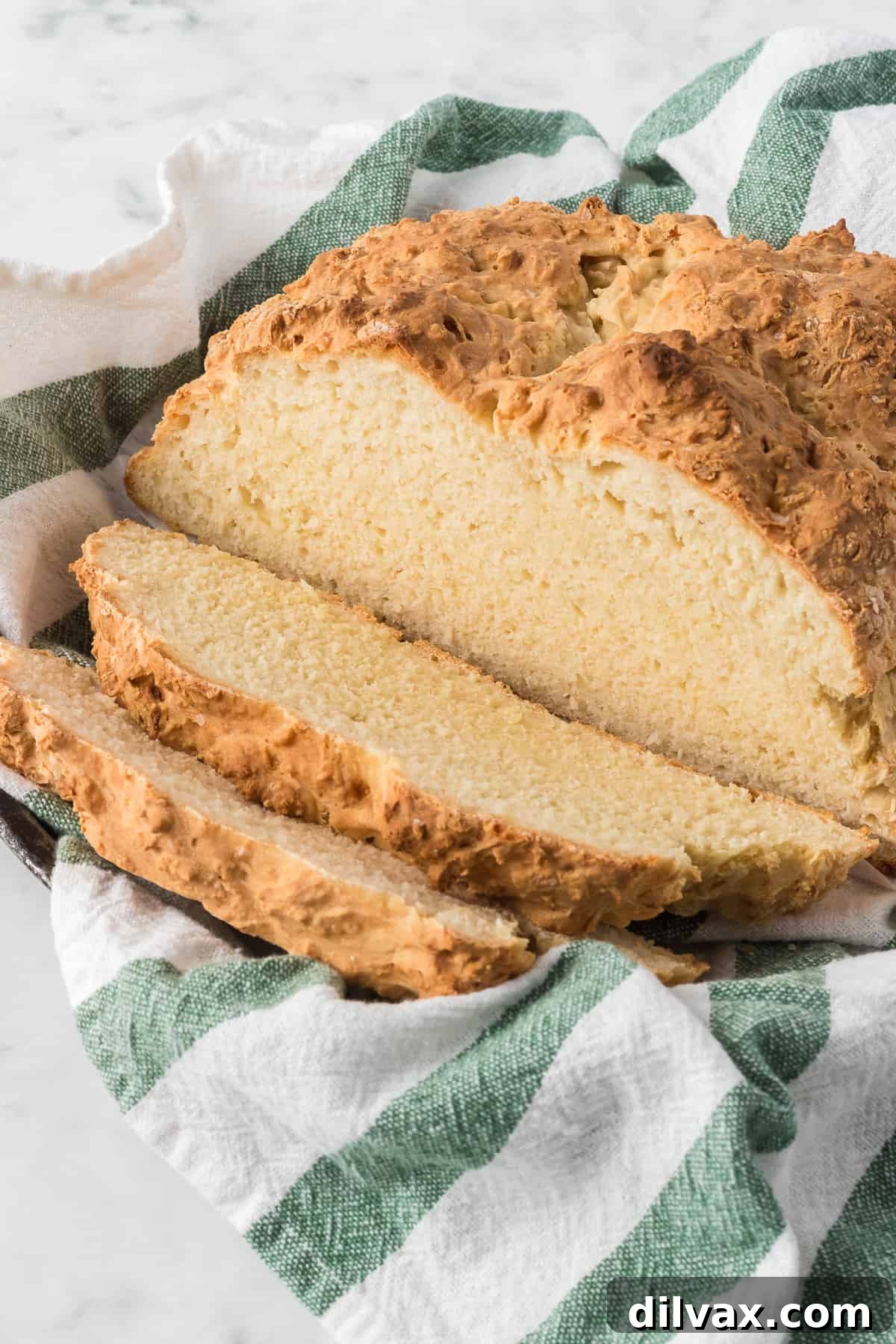
Authentic Irish Soda Bread: An Effortless, No-Yeast Recipe for Every Occasion
Discover the true taste of Ireland with this remarkably simple Irish Soda Bread recipe. It’s the perfect quick bake for your St. Patrick’s Day celebration or any time you crave a warm, hearty loaf with minimal effort. Made with just four basic ingredients, this traditional bread requires no yeast, no lengthy rising time, and bakes to golden perfection in only about 50 minutes, bringing the comforting aroma of homemade bread to your kitchen.
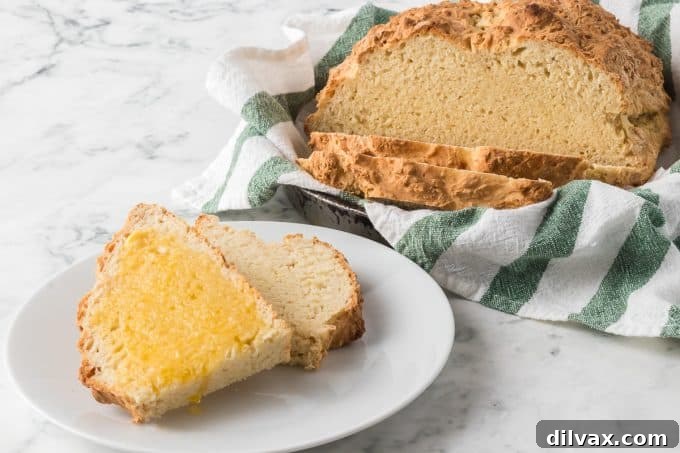
There’s nothing quite like the comforting scent of freshly baked bread wafting through your home. While many traditional bread recipes demand extensive time for yeast to prove and dough to rise, this authentic Irish Soda Bread offers a delightful and incredibly efficient alternative. It’s the ideal solution for those busy weeknights when you desire a rustic, homemade loaf but simply don’t have hours to spare. Imagine sinking your teeth into a warm, crusty slice, ready to enjoy in just over an hour from start to finish.
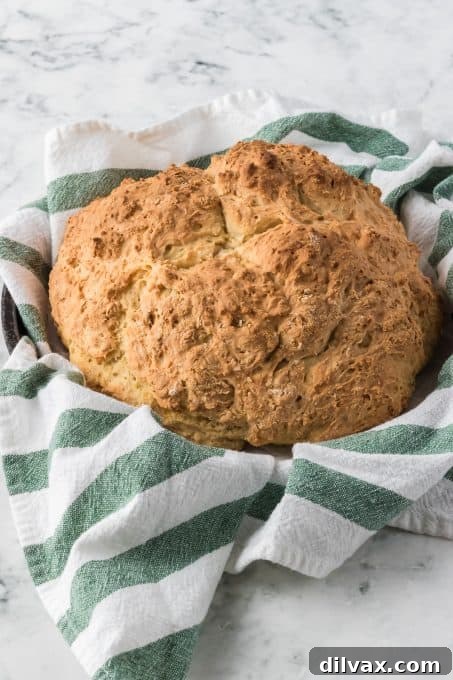
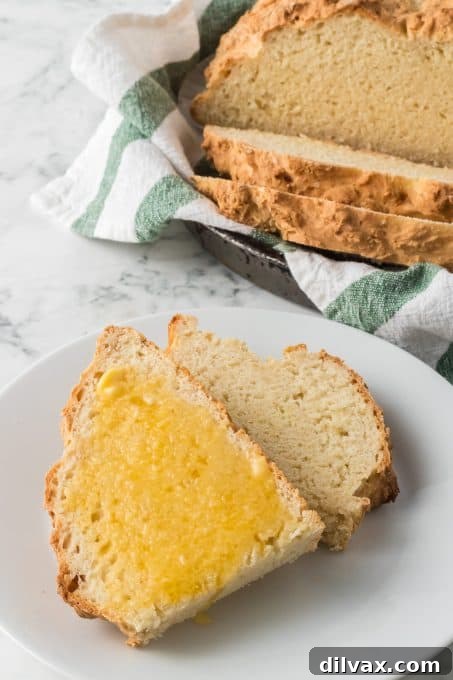
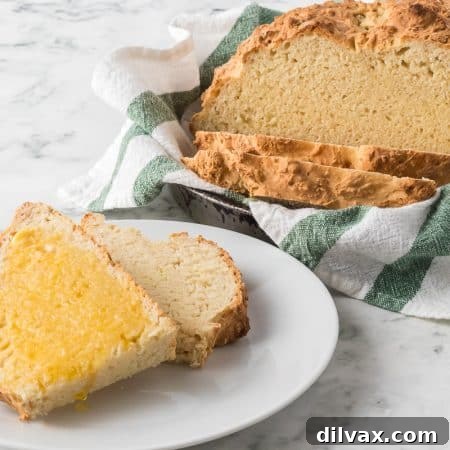
This humble yet profoundly satisfying bread boasts a wonderfully soft and tender interior, beautifully complemented by a great chewy, golden-brown crust. Its robust character makes it a versatile accompaniment to almost any meal. It’s superb on its own, especially when generously slathered with rich Irish butter, or used to dunk into a comforting bowl of hearty homemade soup, a savory stew, or even alongside a Sunday roast. Its simplicity and wholesome goodness have made it a beloved staple for generations.
PIN THIS DELICIOUS IRISH SODA BREAD RECIPE FOR LATER!
Don’t let this incredibly quick and easy bread recipe slip away! Ensure you can bake this authentic Irish Soda Bread again and again by saving it to your favorite Pinterest board. It’s a lifesaver for last-minute meals or sudden cravings!
Find more inspiring recipes on our Pinterest!
What Exactly is Traditional Irish Soda Bread?
Irish Soda Bread is a classic quick bread distinguished by its reliance on baking soda (sodium bicarbonate) as its primary leavening agent, rather than traditional baker’s yeast. This is precisely how it earned the “soda” in its name! The baking soda works in conjunction with the acid present in buttermilk, creating a chemical reaction that produces carbon dioxide gas. This gas is trapped within the dough, causing it to rise rapidly and beautifully without any need for fermentation or proofing times typical of yeast breads. This makes it an incredibly efficient and gratifying bread to bake.
The “Irish” designation points to its deep and cherished roots within Ireland’s culinary heritage. While various forms of unleavened breads have been a part of human diets for centuries, Irish Soda Bread as we recognize it today rose to prominence in Ireland during the latter half of the 19th century. In an era when ingredients such as softer wheat flour (which has a lower gluten content, making it less ideal for yeast-based baking) and buttermilk were readily available and affordable, this simple bread quickly became a daily staple in countless Irish households, particularly in rural communities. It offered a hearty, economical, and sustaining food source, perfectly complementing the often-modest diets of the time.
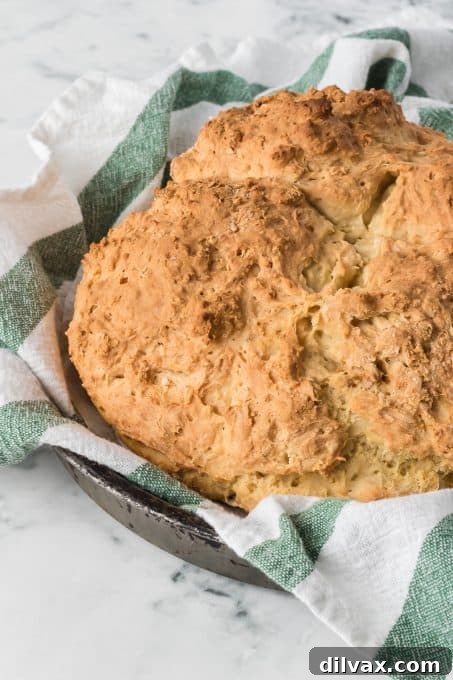
Beyond its simple ingredients and quick preparation, this bread carries profound cultural significance. One of the most distinctive and enduring traditions associated with baking Irish Soda Bread involves cutting a prominent “X” or cross into the top of the loaf just before it enters the oven. Historically, this practice was steeped in superstition; it was widely believed to ward off evil spirits, protect the home, and bless the bread itself. Practical considerations also played a vital role: this deep incision serves a crucial purpose by allowing heat to penetrate more effectively into the dense dough, ensuring the center bakes thoroughly and preventing it from becoming raw or undercooked. It also encourages the loaf to expand evenly and crack along the cuts, contributing to its signature rustic, deeply cleft appearance.
Essential Ingredients for Authentic Irish Soda Bread
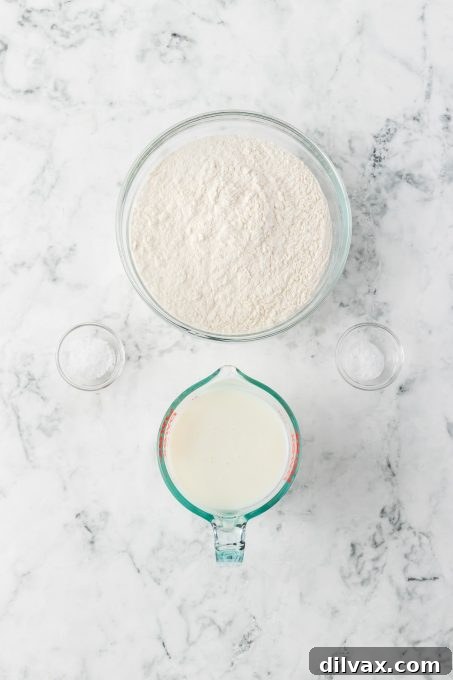
The true beauty of this traditional Irish Soda Bread lies in its elegant simplicity. You genuinely only need four fundamental ingredients to create a wonderfully delicious and wholesome loaf that tastes like it came straight from an Irish cottage kitchen:
- All-Purpose Flour: This forms the essential structure of our bread. While historically, a softer wheat flour was common in Ireland, readily available all-purpose flour works perfectly, yielding a lovely tender crumb.
- Kosher Salt: More than just a seasoning, salt is crucial for enhancing the overall flavor profile of the bread, balancing the other ingredients, and preventing a bland taste.
- Baking Soda: The absolute star of this recipe and the reason it’s called “soda bread”! This leavening agent reacts with the acid in buttermilk to produce the necessary carbon dioxide, giving the bread its signature lift and characteristic open texture. Always ensure your baking soda is fresh and active for optimal results.
- Buttermilk: The critical liquid component that makes it all happen. Its inherent acidity is what activates the baking soda, allowing the bread to rise rapidly and beautifully without any yeast. Beyond its leavening function, buttermilk also significantly contributes to the bread’s incredibly tender crumb and imparts a subtle, pleasant tangy flavor.
Don’t Have Buttermilk on Hand? No Need to Worry! If you find your fridge lacking real buttermilk, there’s an incredibly easy and effective homemade substitute you can whip up in minutes. For the 2 cups of buttermilk specified in this recipe, simply measure 2 tablespoons of white vinegar (or fresh lemon juice) into a liquid measuring cup, then fill the rest of the cup to the 2-cup line with whole milk. Give it a gentle stir and let the mixture sit undisturbed for about 10-15 minutes. During this time, the milk will visibly curdle slightly, mimicking the acidity of true buttermilk and providing the vital acid needed to react with your baking soda.
For precise measurements and comprehensive step-by-step instructions that guarantee the best results, please always refer to the detailed recipe card provided further below.
How to Bake the Perfect, Quick Irish Soda Bread
Craving warm, comforting, fresh bread that’s ready in about an hour? This easy Irish Soda Bread recipe is your perfect solution, designed for both speed and consistently delicious results. Follow these straightforward steps to bake a masterpiece:
- Prepare Your Oven and Pan: Start by preheating your oven to a steady 375 degrees F (190 degrees C). Take a 9-inch pie plate and lightly butter its bottom. It’s important to note that there’s no need to butter the sides of the pan; allowing the dough to cling slightly to the unbuttered sides helps it maintain its traditional rustic shape and prevents it from spreading out too much during baking, ensuring a taller, more attractive loaf.
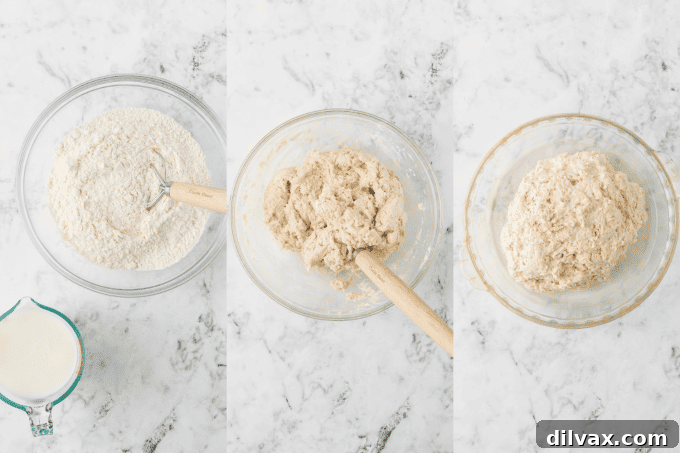
- Combine Dry Ingredients Thoroughly: In a generously sized mixing bowl, combine your all-purpose flour, kosher salt, and baking soda. Whisk these dry components together thoroughly for about 30 seconds. This step is crucial as it ensures all the leavening agent (baking soda) and seasoning (salt) are evenly distributed throughout the flour, which is fundamental for a consistent rise and balanced flavor in every bite.
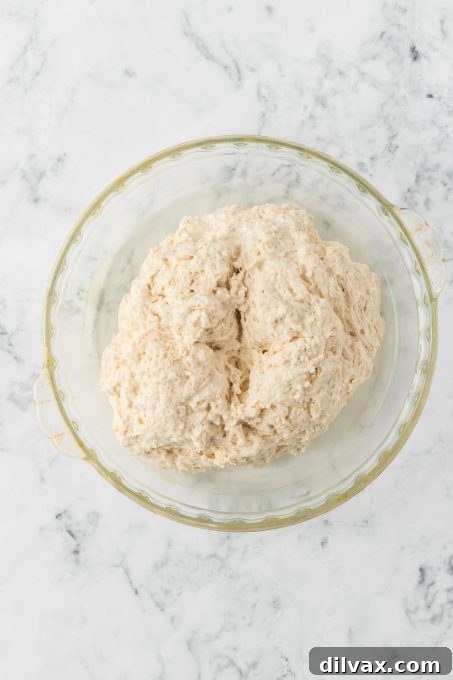
- Add Buttermilk and Mix Gently: Pour the buttermilk (or your freshly made homemade sour milk substitute) directly into the dry flour mixture. Using a sturdy wooden spoon or even your hands, gently mix everything together. Stir just until you no longer see any visible lumps of dry flour or distinct streaks of buttermilk. The dough will feel quite sticky and dense, which is exactly the desired consistency. If, for any reason, the dough seems overly wet and difficult to handle, you may turn it out onto a lightly floured surface and very gently knead it just a few times – think 5 to 10 gentle turns at most – until it barely comes together into a cohesive mass. The absolute key here is to avoid over-kneading at all costs, as excessive handling will develop the gluten in the flour, resulting in a tough, rubbery, and dense bread rather than the desired light and tender crumb. Use additional flour very sparingly, only dusting your hands or surface just enough to prevent sticking.
- Shape the Loaf and Score with a Cross: Once the dough has formed, gently shape it into a round, domed loaf. Carefully transfer this round of dough to your prepared pie tin. Now, with a sharp serrated knife, cut a traditional deep cross into the top of the loaf. This incision is more than just a nod to tradition; it also serves a vital practical purpose: it helps the bread bake more evenly by allowing heat to penetrate the center, and it encourages the loaf to expand beautifully and crack along these lines, creating that iconic rustic appearance.
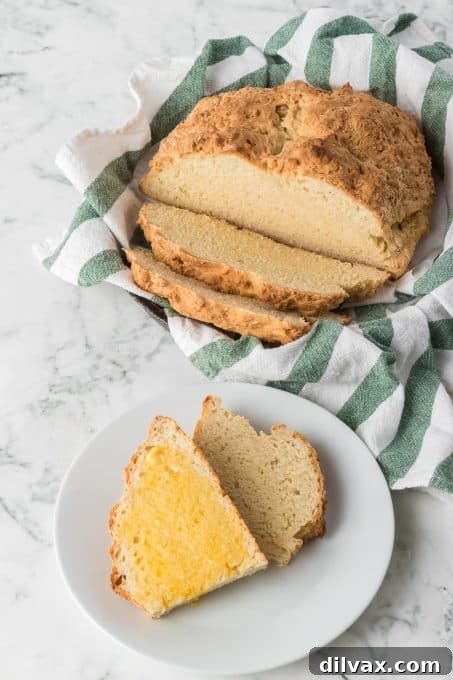
- Bake Until Golden Perfection: Place the pie plate with your dough into the preheated oven. Bake for approximately 50-60 minutes, or until the loaf achieves a lovely golden brown color on top and sounds hollow when gently tapped on the bottom. Keep in mind that exact baking times can vary slightly based on your specific oven. Once perfectly baked, remove the bread from the oven and transfer it to a wire rack to cool slightly before slicing. This warm, rustic bread is truly at its absolute best when savored on the very same day it’s baked, allowing you to fully appreciate its fresh flavor and ideal texture.
Tips for a Flawless Irish Soda Bread Every Single Time
While this easy Irish Soda Bread recipe is remarkably forgiving, paying attention to a few crucial tips will ensure your loaf turns out perfectly tender, moist, and delicious on every baking attempt:
- Avoid Over-Kneading the Dough at All Costs: This is arguably the most critical piece of advice for baking soda bread. Unlike traditional yeast breads that benefit from extensive kneading to develop gluten, soda bread fundamentally relies on a chemical reaction for its rise. Over-kneading will develop too much gluten in the flour, which will inevitably lead to a tough, dense, and unpleasantly chewy texture, completely contrary to the desired light and tender crumb that defines authentic Irish soda bread. Aim for no more than 10 very gentle turns, just enough to barely bring the ingredients together into a cohesive ball. Minimal handling is truly key here.
- Bake Immediately After Mixing: Once the buttermilk is combined with the baking soda, the chemical leavening reaction begins instantaneously, producing carbon dioxide gas. This gas needs the immediate heat of a preheated oven to set the bread’s structure and achieve its maximum rise. If you allow the dough to sit for too long before placing it in the oven, a significant portion of the leavening power will be lost, resulting in a flatter, denser, and less airy loaf. Therefore, get your dough into the oven as swiftly as possible after the final mix!
- Measure Flour Accurately and Add Sparingly: Using too much flour is a common pitfall that can make your bread dry, crumbly, and dense. It’s always a smart practice to begin with slightly less flour than what the recipe initially calls for, especially if you reside in a humid climate where flour naturally absorbs more moisture from the air. Gradually add more flour, a tablespoon at a time, only until the dough is just cohesive enough to handle without being excessively sticky. The ideal dough should still feel soft and have a slight tackiness to it.
- Ensure Your Baking Soda is Fresh and Active: Baking soda, like many leavening agents, can lose its potency over time, especially if stored improperly. To quickly test if your baking soda is still active, mix a teaspoon of it with a tablespoon of white vinegar. If the mixture vigorously fizzes and bubbles, your baking soda is good to go. If there’s little to no reaction, it’s a clear sign that it’s time to replace your box for optimal rise.
- Don’t Hesitate to Cut the Cross Deeply: The traditional deep cross scored into the top of the loaf is not just for aesthetic appeal or an old superstition. It serves a very practical and functional purpose by allowing the heat to penetrate efficiently into the center of the dense loaf, thereby ensuring it cooks evenly throughout and preventing a doughy middle. Additionally, it helps the bread expand naturally along these lines as it bakes, leading to a beautifully rustic and perfectly cooked loaf.
Exciting Irish Soda Bread Recipe Variations to Try
While the classic Irish Soda Bread is undeniably fantastic in its pure form, its simple and versatile base makes it an excellent canvas for creative customizations. Here are some popular and delicious ways to adapt your loaf and explore new flavor profiles:
- Introduce Seeds for Enhanced Texture and Flavor: Caraway seeds are a truly traditional and incredibly popular addition, offering a distinct, subtle anise-like flavor that harmonizes beautifully with the bread’s rustic qualities. However, don’t limit yourself! Feel free to experiment with other seeds such as sesame seeds, poppy seeds, pumpkin seeds, or sunflower seeds for added crunch, visual appeal, and nutritional benefits. Simply mix your chosen seeds into the dry ingredients before incorporating the buttermilk.
- Create a Rustic Oat Topping: For an additional layer of wholesome texture and a charming rustic aesthetic, generously sprinkle some dry rolled oats over the top of the loaf just before it goes into the oven. This simple step creates a lovely, slightly crisp and nutty topping that adds another dimension to the bread.
- Embrace Whole Grains for a Heartier Loaf: For an even more robust, satisfying, and nutritionally dense bread, consider substituting some or all of the all-purpose flour with wholemeal flour or whole wheat flour. Be aware that this will result in a denser crumb and a distinctly nuttier flavor. You might also find you need to add a tiny bit more buttermilk than the recipe specifies to achieve the correct dough consistency, as whole grain flours tend to absorb more liquid.
- Incorporate Sweet Additions: Easily transform your savory loaf into a delightful sweet treat perfect for breakfast or tea time by folding in chewy raisins, sweet currants, or tangy dried cranberries into the dough. These fruits soften and plump up during baking, releasing bursts of sweetness and adding a wonderful textural contrast.
- Explore Savory Cheese and Herb Infusions: For a savory twist that makes an excellent accompaniment to heartier meals, try adding shredded sharp cheddar cheese, crumbled blue cheese, or a fragrant mix of fresh herbs like rosemary, thyme, or chives to the dough. These additions make the bread an exceptional partner for savory stews, roasted meats, or a simple cheese board.
- Experiment with Alternative Baking Vessels: While a traditional 9-inch pie plate is commonly used, you have options! You can also bake Irish Soda Bread on a baking sheet lined with parchment paper for a more free-form, rustic loaf, or in a round baking pan. For superior crust development and even baking, consider using a preheated cast iron skillet, which can impart a wonderfully crispy bottom crust.
- Bake Individual Mini Loaves: For charming individual servings or to achieve quicker baking times, simply divide the dough into smaller portions and shape them into mini loaves. Adjust the baking time accordingly; smaller loaves will typically require a few minutes less in the oven.
This original recipe was once a treasured part of my “Tuesdays with Dorie: Baking with Julia” series, where fellow bakers creatively explored various interpretations. You can still find inspiration and unique ideas by exploring how other talented bloggers have adapted this classic, including delightful versions featuring added cheeses or fruits.
Delicious Ways to Enjoy Your Authentic Irish Soda Bread
Irish Soda Bread is incredibly versatile and its rustic charm pairs beautifully with an impressive array of meals, snacks, and occasions. Here are some of our most cherished ways to savor this delightful loaf:
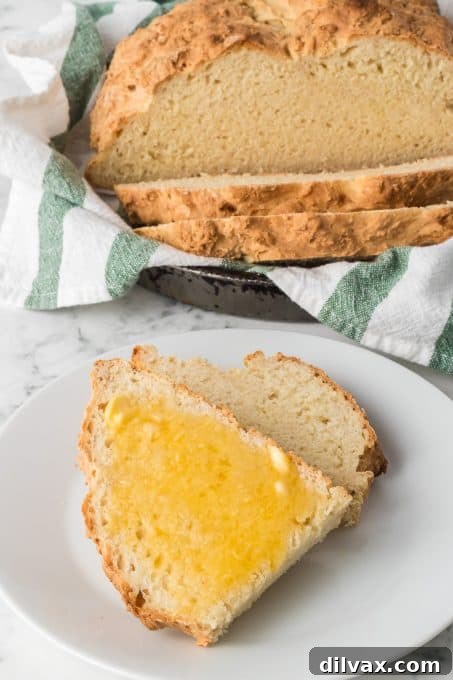
- The Quintessential Pairing: Classic with Irish Butter: Without a doubt, the simplest and often most sublime way to enjoy Irish Soda Bread is warm, freshly sliced, and generously slathered with a good quality, rich Irish butter. The subtle tang of the bread married with the creamy, slightly salty butter creates a truly unforgettable taste experience.
- The Ultimate Soup and Stew Companion: Its hearty texture and subtle, complementary flavor make Irish Soda Bread an absolutely ideal accompaniment for comforting and robust dishes. Think creamy tomato basil soup, a traditional Irish beef or lamb stew, or even a robust chili. It’s exceptionally good for soaking up every last flavorful drop of broth or sauce.
- Elevate Your Breakfast or Brunch: Serve slices of soda bread toasted to perfection and spread with your favorite jam, marmalade, local honey, or even a dollop of clotted cream. The variations made with raisins or currants are particularly exquisite for a sweet start to your day.
- A Perfect Partner for Cheese Boards: Pair slices of fresh or lightly toasted Irish Soda Bread with an assortment of cheeses. It complements sharp cheddar, aged Gouda, a creamy brie, or a tangy goat cheese beautifully, making it a sophisticated addition to any cheese platter or a simple afternoon snack.
- Alongside a Hearty Roast: This bread makes a wonderful and distinctive side dish for roasted chicken, succulent pork, or any traditional Sunday roast. It adds a touch of rustic elegance and an authentic homemade feel to your family meal.
- Unconventional Sandwiches: While not a typical sandwich bread, thicker slices of Irish Soda Bread can be surprisingly delightful for open-faced sandwiches, especially with savory fillings such as thinly sliced corned beef, smoked salmon, or even a simple egg salad.
Expert Tips for Storing Leftover Irish Soda Bread to Maximize Freshness
Authentic Irish Soda Bread, like many homemade quick breads, is truly at its absolute peak of freshness on the very day it’s baked. Its crust is crisp, and its interior is perfectly tender. However, if you find yourself with delightful leftovers, they can certainly be stored to maintain their quality for a few days:
- Room Temperature Storage: For up to 2 days, ensure the completely cooled bread is wrapped tightly in aluminum foil or plastic wrap. Alternatively, you can place it in an airtight container. This crucial step helps significantly to prevent the bread from drying out too quickly and losing its tender crumb.
- Refrigerator Storage: To slightly extend its shelf life beyond two days, you can store the bread in the refrigerator for up to 1 week. Again, wrap it very tightly to minimize moisture loss. While refrigeration can sometimes alter the texture of bread slightly, making it a little firmer, it’s a suitable option if you need to keep it fresh for a longer period.
To refresh day-old or refrigerated soda bread, you can either lightly toast individual slices in a toaster, or gently warm the entire loaf (still wrapped loosely in foil) in a moderate oven at around 300°F (150°C) for about 10-15 minutes, or until it’s warmed through. This process can help restore some of its original tenderness and revitalize its crusty exterior, making it almost as good as freshly baked.
Can You Freeze Irish Soda Bread? Absolutely!
Yes, happily, Irish Soda Bread freezes remarkably well! This makes it an excellent candidate for meal prepping ahead of time or for simply saving portions to enjoy at a later date, ensuring you always have a comforting loaf on hand. Here’s the best way to freeze and then enjoy your soda bread:
- Optimal Freezing Method: Once your freshly baked loaf has completely cooled down to room temperature (this is critical to prevent ice crystals), wrap the entire loaf (or individual slices, if you prefer smaller portions) very tightly in at least two layers of plastic wrap, ensuring that absolutely no air can penetrate. Following this, place the plastic-wrapped bread into a heavy-duty freezer-safe bag or wrap it in an additional layer of aluminum foil for extra protection against freezer burn.
- Recommended Storage Duration: Properly wrapped, your Irish Soda Bread can be stored in the freezer for up to 3 months. While it may still be safe to eat beyond this period, its quality, texture, and flavor might gradually start to diminish.
- Effortless Thawing: To thaw your frozen soda bread, simply remove it from the freezer and unwrap it. Allow it to sit at room temperature for several hours (typically 3-4 hours for a whole loaf) until it is completely defrosted. For quicker thawing, you can also place it in the refrigerator overnight.
- Reheating for Best Results: For the ultimate experience after thawing, you can reheat the defrosted bread to restore its warmth and crispness. Preheat your oven to a moderate temperature, around 350°F (175°C). Wrap the bread loosely in aluminum foil and warm it for about 10-15 minutes, or until it is heated through and the crust has crisped up beautifully again. This method will make it taste almost as good as when it first came out of the oven!
Explore More Delicious & Effortless Quick Bread Recipes
If you’ve fallen in love with the convenience, speed, and incredible flavor of quick breads – those delightful loaves that skip the yeast and lengthy rising times – you’re in for a treat! Here are more fantastic, easy-to-make quick bread recipes that we’re sure you’ll adore:
- Chai Banana Bread: A wonderfully moist and intensely flavorful quick bread, elegantly infused with the warming spices of chai. Topped with a sweet and glossy vanilla glaze, this recipe offers a unique and aromatic twist on the beloved classic banana bread, perfect for a cozy afternoon treat.
- Sweet Pineapple Bread: This delightfully tropical quick bread features a simple batter made from basic ingredients like butter, eggs, sugar, and flour. It’s made extraordinarily moist and bursting with vibrant flavor thanks to the strategic addition of creamy Greek yogurt and succulent crushed pineapple.
- Lemon Blueberry Bread: An exceptionally easy and refreshing quick bread recipe that delivers a bright, zesty lemon flavor beautifully complemented by juicy, sweet blueberries. This versatile bread can be successfully made with either fresh, seasonal blueberries or convenient frozen blueberries, making it a year-round favorite.
- Corn Spoon Bread: A quintessential classic Southern comfort food that’s ideal for virtually any occasion, from casual weeknight dinners to holiday gatherings. This delightful side dish boasts a unique, custard-like texture and a sweet and savory flavor profile derived from a blend of cornmeal, creamed corn, and other complementary ingredients.
- Peanut Butter Bread: A wonderfully soft, incredibly moist quick bread generously loaded with the rich, creamy goodness of peanut butter. A generous slice of this easy-to-make bread, paired with a cold glass of milk, creates the perfect nostalgic after-school snack for kids and adults alike. For an extra treat, try it toasted and topped with a dollop of your favorite jelly!
- Spanish Coca Bread: While technically *not* a quick bread (as it is beautifully yeast-leavened), this Spanish sweet bread is undeniably worth the effort for those willing to embrace a little extra time in the kitchen. Its delicate texture and delectable sugar and honey topping make it an incredibly rewarding and unforgettable bake.
Celebrate St. Patrick’s Day with More Festive Irish-Inspired Recipes!
Whether you’re planning a grand St. Patrick’s Day feast, hosting a festive gathering, or simply wishing to infuse a little extra Irish spirit into your day, these themed recipes are guaranteed to delight your taste buds and add a touch of magic to your celebrations:
- Bailey’s Mousse: An incredibly easy yet elegantly decadent dessert crafted with the iconic Bailey’s Irish Cream, luxurious heavy whipping cream, tangy Greek yogurt, and a touch of sugar. It’s the perfect light, creamy, and sophisticated treat for your St. Patrick’s Day celebration.
- Lucky Charms Bark: A fantastically fun and vibrantly colorful candy bark that is an absolute breeze to create! Made with smooth white chocolate, festive sprinkles, and those magically delicious, colorful Lucky Charms marshmallows, it’s the ultimate whimsical and kid-friendly treat for St. Patrick’s Day.
- St. Patrick’s Day Marshmallow Pops: These whimsical, wonderfully festive, and undeniably fun-to-eat treats are sure to be a hit! Bring a little extra good luck and playful cheer to your celebration with these charming, dipped marshmallow creations adorned with green and gold.
- Homemade Bailey’s Irish Cream: Learn how to craft your very own rich and creamy Irish liqueur! This delightful beverage features heavy cream, condensed milk, a hint of chocolate, a splash of fine Irish whiskey, and yes, a touch of egg. It’s the perfect drink to serve to family and friends, not only for St. Patrick’s Day but also for elegant holiday entertaining.
- No-Bake Irish Cream Dream Bars: Indulge in these utterly dreamy layered dessert bars. They begin with a buttery shortbread cookie crust, followed by a luscious Irish cream cheesecake layer, a rich Irish cream chocolate pudding, and are magnificently topped with our signature stabilized whipped cream. A truly divine and easy-to-make St. Patrick’s Day dessert!
Authentic Irish Soda Bread: The Full Recipe Card
Irish Soda Bread
Created by: Lynne Feifer
Course: Breads
Cuisine: Irish
Prep Time: 10 minutes
Cook Time: 55 minutes
Total Time: 1 hour 5 minutes
This traditional Irish Soda Bread is perfect for a St. Patrick’s Day dinner or any time you want a quick and hearty bread! It’s easy to make with only four ingredients, no yeast and no rising time!
Yields: 12 servings
Ingredients
- 4 cups all-purpose flour
- 1 ½ teaspoons kosher salt
- 1 teaspoon baking soda
- 2 cups buttermilk (or homemade substitute: 2 tbsp white vinegar + 2 cups whole milk, let sit 10-15 min)
Instructions
- Preheat your oven to 375°F (190°C), and lightly butter only the bottom of a 9-inch pie plate. Do not butter the sides; this helps the bread form its classic rustic shape.
- In a large mixing bowl, thoroughly whisk together the all-purpose flour, kosher salt, and baking soda until they are well combined and evenly distributed.
- Add the buttermilk (or sour milk substitute) to the dry ingredients. Mix with a wooden spoon until just combined, being careful not to overmix. Stop as soon as you no longer see any visible lumps of dry flour. If the dough is very sticky, turn it onto a lightly floured surface and gently knead just a few times (5-10 turns) until it comes together. Avoid excessive kneading to keep the bread tender.
- Gently shape the dough into a round loaf and carefully place it into the prepared pie plate. Using a sharp serrated knife, cut a deep traditional cross into the top of the dough. This aids in even baking and helps the loaf expand properly.
- Bake for 50-60 minutes, or until the bread is beautifully golden brown on top and sounds hollow when tapped on the bottom. For the freshest taste and best texture, this traditional Irish Soda Bread is truly best enjoyed warm on the very same day it is made.
Nutrition Information (Approximate per Serving)
- Serving: 1 serving
- Calories: 176 kcal
- Carbohydrates: 34g
- Protein: 6g
- Fat: 2g
- Saturated Fat: 1g
- Polyunsaturated Fat: 0.3g
- Monounsaturated Fat: 0.4g
- Cholesterol: 4mg
- Sodium: 425mg
- Potassium: 99mg
- Fiber: 1g
- Sugar: 2g
- Vitamin A: 66 IU
- Calcium: 52mg
- Iron: 2mg
Loved this authentic recipe?
I’d be absolutely thrilled to see your delicious creations! Share them with me on Instagram and don’t forget to follow me on Pinterest for a daily dose of culinary inspiration and many more easy, delightful recipes!
Share this recipe with friends and family:
- Email Recipe
- Pin Recipe
- Share on Facebook
This article was originally published on March 21, 2012. It has been thoroughly reviewed and comprehensively updated in format and content on March 11, 2024, to enhance clarity, improve SEO, and include fresh, valuable insights for our readers.
STAY CONNECTED WITH US
FACEBOOK ~ PINTEREST
INSTAGRAM ~ TWITTER
YOUTUBE
Don’t Miss Out On More Easy & Delicious Recipes Every Week!