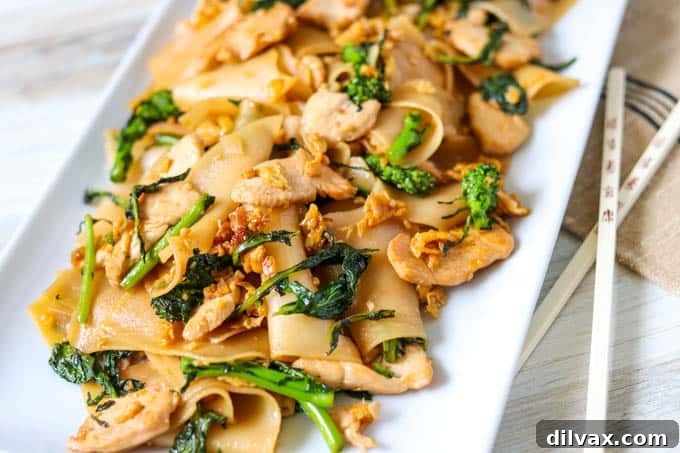
Pad See Ew: The Ultimate Guide to Thai Flat Rice Noodles and Abigail Sotto Raines’ “Rice. Noodles. Yum.” Cookbook
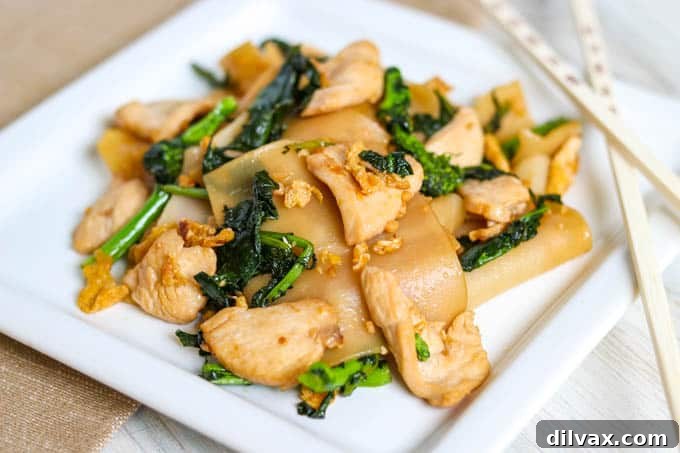
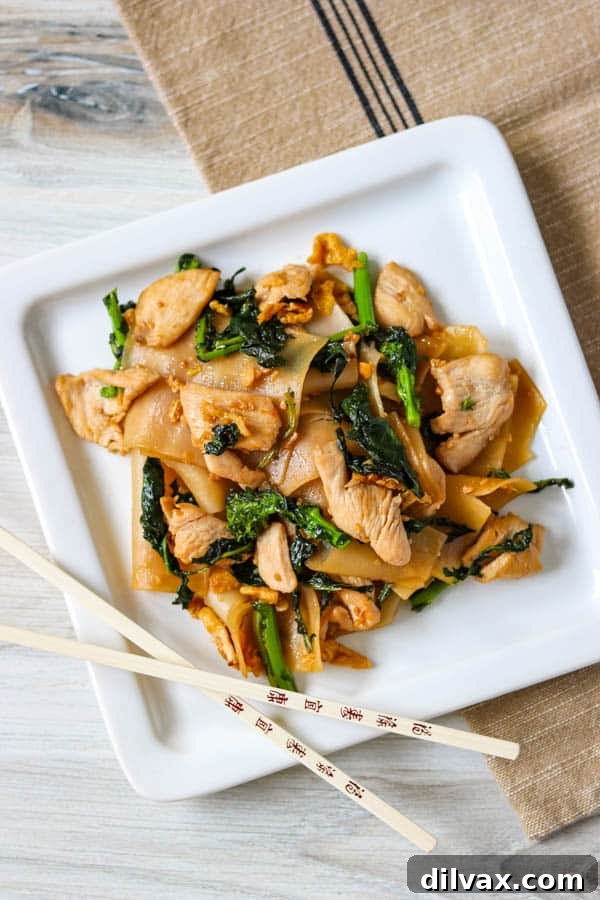
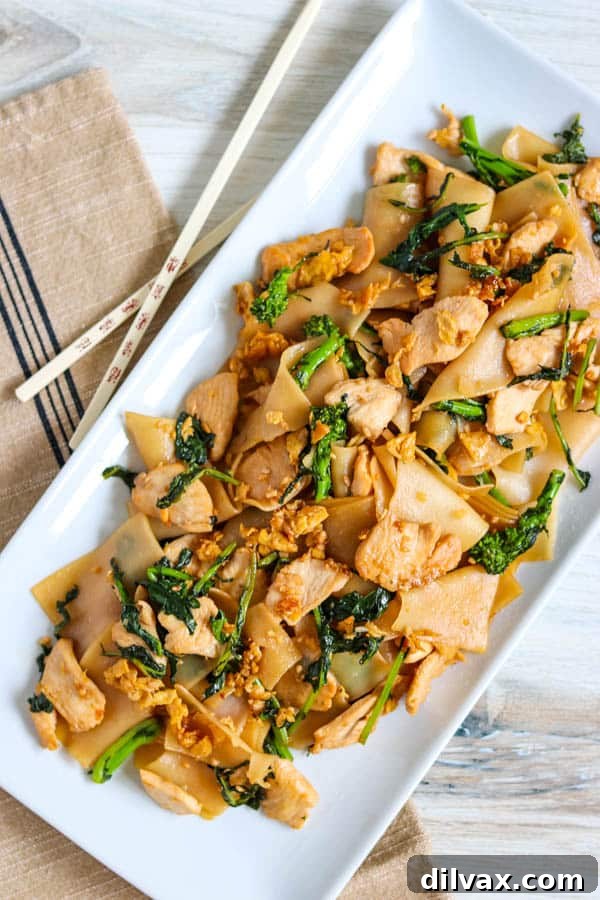
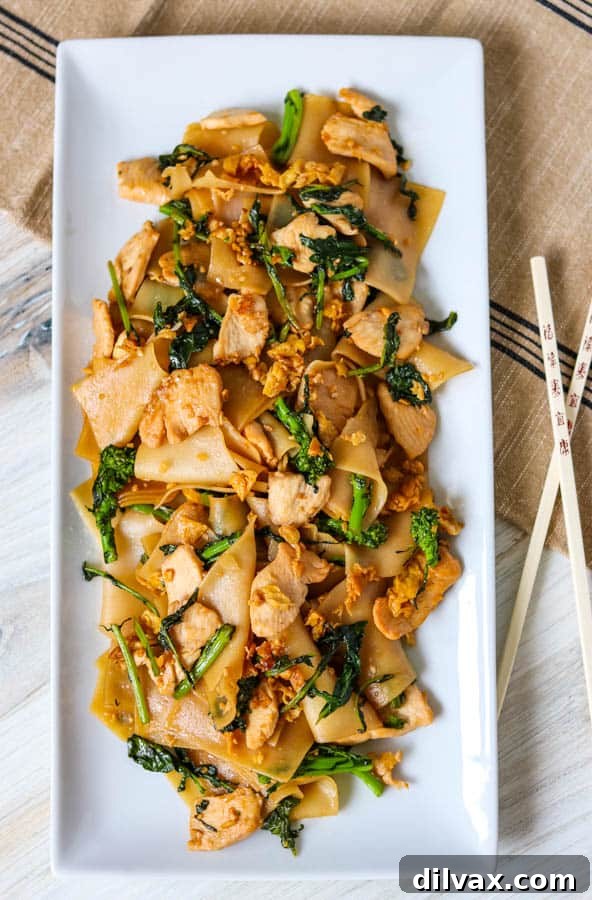
Are you a fan of vibrant, flavorful Thai cuisine? If the answer is a resounding yes, then prepare to embark on a culinary journey that will tantalize your taste buds and bring the essence of Thailand right into your kitchen. Today, we’re diving deep into the world of Pad See Ew, a massively popular Thai stir-fried noodle dish renowned for its irresistible sweet-salty glaze, tender chicken, and chewy flat rice noodles.
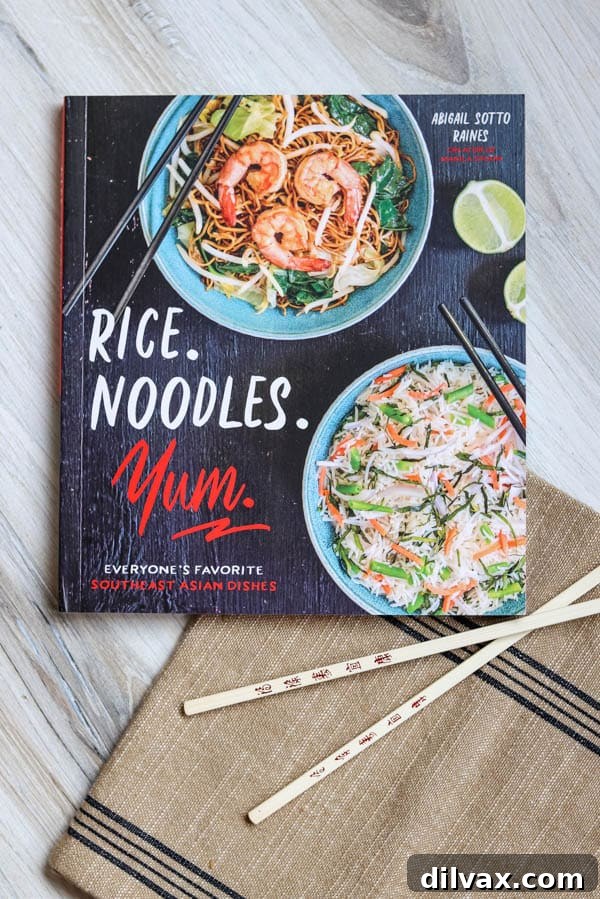
This incredibly easy, lightning-fast, and utterly delicious recipe is just a glimpse into the diverse culinary treasures you’ll discover in Abigail Sotto Raines’ eagerly anticipated new cookbook, “Rice. Noodles. Yum.” Get ready to unlock the secrets to authentic Southeast Asian flavors and transform your weeknight meals.
*This post contains affiliate link(s).
I received a copy of Abigail Sotto Raines’ cookbook, “Rice. Noodles. Yum.”, to review for this post.
If you’re anything like me, the mere mention of Thai food conjures up images of aromatic spices, perfectly cooked noodles, and the freshest ingredients coming together in a symphony of flavors. It’s truly a remarkable cuisine that offers something for everyone, from spicy curries to comforting noodle dishes. And among these, Pad See Ew holds a special place, cherished for its comforting yet complex taste profile that is both accessible and deeply satisfying.
SAVE THIS PAD SEE EW RECIPE TO YOUR FAVORITE PINTEREST BOARD!
Discover Southeast Asian Cooking with “Rice. Noodles. Yum.”
For enthusiasts of Southeast Asian dishes, Abigail Sotto Raines’ debut cookbook, “Rice. Noodles. Yum.”, is an absolute must-have addition to your culinary library. It’s not just a collection of recipes; it’s an invitation to explore the rich tapestry of flavors from the region, guided by an expert hand. This cookbook also makes a thoughtful and practical gift for anyone who loves to cook or wants to expand their repertoire – whether they’re a seasoned home chef, a busy parent, a newlywed, or a friend who appreciates good food.
Abigail, affectionately known as Abby, is the brilliant mind behind the beloved food blog, Manila Spoon. Her blog is a treasure trove of authentic Philippine dishes and much more, reflecting her deep roots and passion for cooking. Born and raised in the Philippines, Abby inherited her culinary wisdom from her mother and grandmother, learning traditional techniques and secret family recipes that have been passed down through generations. This heritage is beautifully infused into every page of “Rice. Noodles. Yum.”
Before dedicating herself fully to her culinary pursuits, Abby pursued a career in law. However, after moving to the United States with her husband 15 years ago, she reconnected with her innate love for cooking. This rekindled passion led her to launch Manila Spoon in 2012, where she has been delighting readers with her delicious creations and heartfelt stories ever since. Her journey from lawyer to celebrated food blogger and cookbook author is a testament to her dedication and talent.
I am incredibly excited to introduce you to her very first cookbook today. “Rice. Noodles. Yum.” is a labor of love that truly shines, and I have no doubt that you will cherish it as much as I do. The book is thoughtfully organized, featuring an impressive array of rice and noodle dishes that cater to every meal of the day – from breakfast to lunch and dinner, culminating in delightful desserts.
Beyond the main courses, Abby has also included refreshing salads and tempting snacks. A standout feature is her invaluable advice on achieving perfectly cooked rice every single time – a fundamental skill for any Asian cuisine enthusiast. Her recipes are a harmonious blend of simplicity, speed, and flavor, making it easier than ever to recreate your favorite Asian dishes in the comfort of your own home.
While classics like Pad Thai are certainly featured, “Rice. Noodles. Yum.” goes far beyond the familiar, introducing you to new and exciting dishes that are sure to become instant family favorites. With such a vast collection of incredible recipes, selecting just one to prepare and share was genuinely challenging!
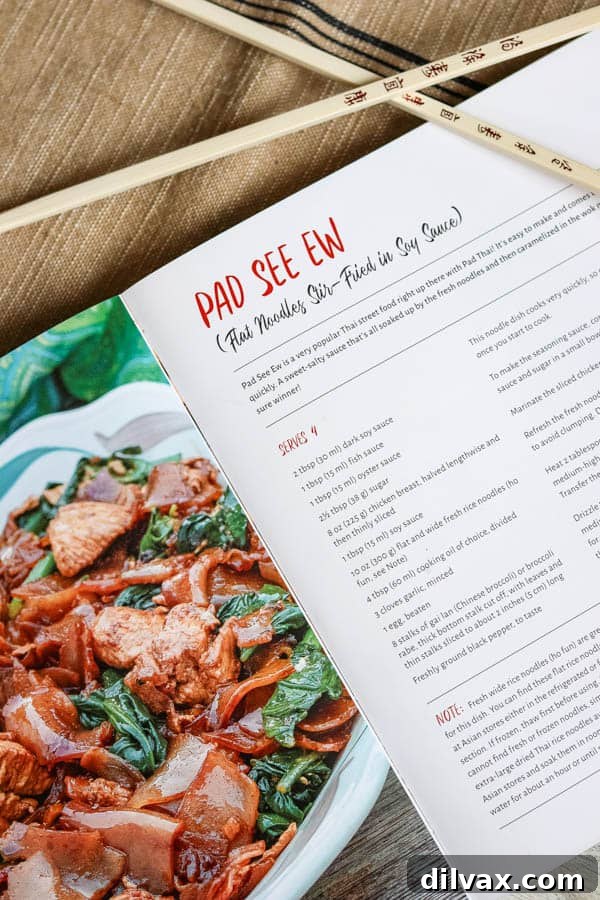
Among the many dishes I’m eager to try are the aromatic Khao Niaow Ma Muang (Sticky Rice with Mango), the savory Bun Cha Gio (Spring Rolls with Rice Vermicelli), the comforting Bubur Sumsum (Coconut Rice Pudding), and the fresh, vibrant Goi Cuon (Fresh Spring Rolls). Each recipe is accompanied by stunning, mouth-watering photographs that inspire and guide you through the cooking process.
Moreover, “Rice. Noodles. Yum.” includes a comprehensive guide to essential Asian ingredients and helpful kitchen tools, making it an indispensable resource for both novice and experienced cooks. I’m truly looking forward to trying many more of Abby’s recipes and anticipate this cookbook becoming a regular reference for countless future meals.
Why You’ll Love This Pad See Ew Recipe
One of the many reasons I adore this Pad See Ew recipe is its sheer simplicity, robust flavor, and incredible speed. It’s the perfect solution for those busy weeknights when you crave a healthy, satisfying meal but lack the energy for elaborate cooking, and definitely don’t want to resort to takeout. This dish comes together so quickly that it truly feels like magic, delivering restaurant-quality taste with minimal effort.
Expert Tips for Making the Best Pad See Ew Recipe
-
Where to Find Authentic Ingredients:
The distinctive sweet and savory notes of Pad See Ew come from key Asian sauces. You can typically find both fish sauce and oyster sauce in the Asian food aisle of your local grocery store, at larger retailers like Walmart, or, for the best selection, at an Asian specialty market. These ingredients are fundamental to achieving the authentic flavor profile of the dish, so don’t skip them!
-
The Ideal Cooking Vessel:
While a large skillet will certainly get the job done, a wok is truly ideal for this recipe and many other stir-fries found in Abby’s cookbook. The high, sloped sides of a wok allow for rapid, even cooking at high temperatures, which is crucial for developing that desirable “wok hei” – the smoky, slightly charred flavor that defines authentic stir-fried dishes. If you’re serious about Asian cooking, investing in a good wok is highly recommended.
-
Choosing the Right Noodles for Pad See Ew:
The authentic choice for Pad See Ew is ho fun, which are wide, flat fresh rice noodles. I often visit my local Asian store to purchase them. If fresh ho fun noodles aren’t available, don’t worry! I’ve successfully used 8-ounce bags of exact rice flakes. The package directions usually instruct soaking them in tap water for about 5 minutes, followed by a 3-minute boil. This method yields perfectly tender noodles. Alternatively, you should also be able to find wide dried rice noodles in the Asian section of your grocery store. If using dried noodles, soak them in room temperature water for about an hour, or until softened, before cooking.
-
Vegetable Variations:
While traditional Pad See Ew often features gai lan (Chinese broccoli), don’t hesitate to use substitutes based on availability. For instance, I’ve used broccoli rabe in this recipe, as I had it on hand before a trip to the Asian market. Other leafy greens like regular broccoli florets or even kale can work in a pinch, though they will slightly alter the classic taste. Ensure whatever green you choose is cut into manageable, 2-inch pieces.
-
The Golden Rule of Stir-Frying: Mise en Place!
This is perhaps the most critical tip for any stir-fry, especially Pad See Ew, which cooks incredibly quickly. Make sure to organize and have ALL of your ingredients prepped, measured, and ready to go BEFORE you even think about turning on the heat. This means your sauces mixed, chicken sliced and marinated, garlic minced, noodles prepared, and vegetables chopped. A well-organized workspace ensures a smooth cooking process and prevents anything from burning while you’re scrambling for the next ingredient.
I am genuinely so happy for Abby and the success of “Rice. Noodles. Yum.” Her passion and expertise shine through, making this cookbook a true culinary gem. I’m already looking forward to the possibility of another cookbook from her in the future!
Pad See Ew Recipe
Created by: Lynne Feifer
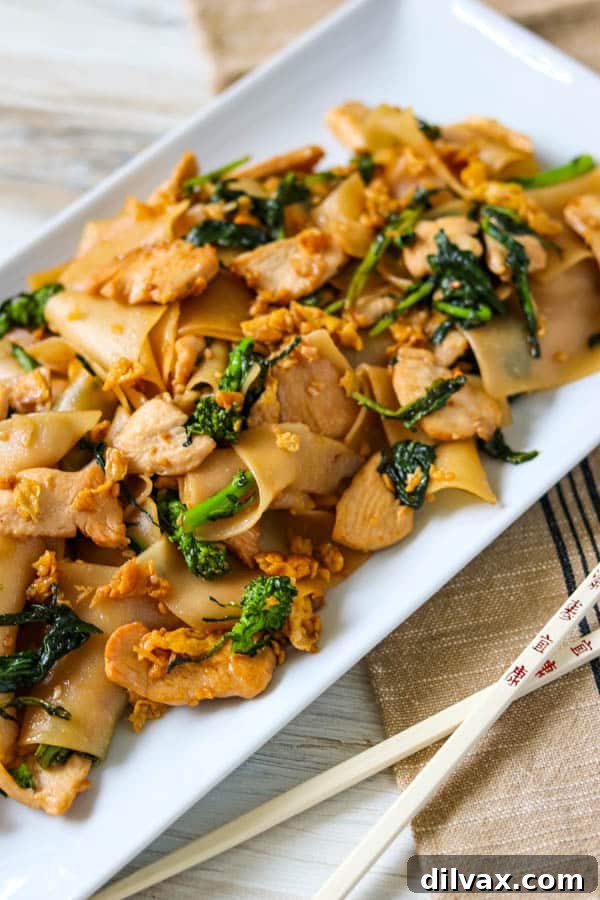
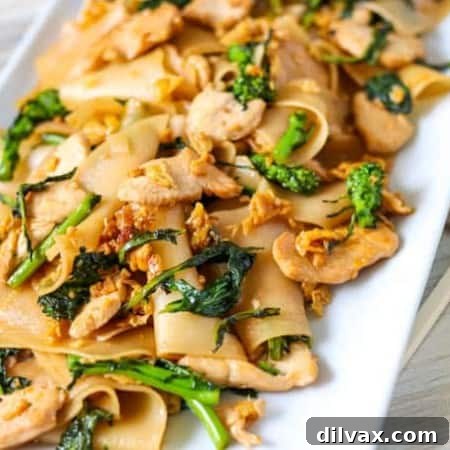
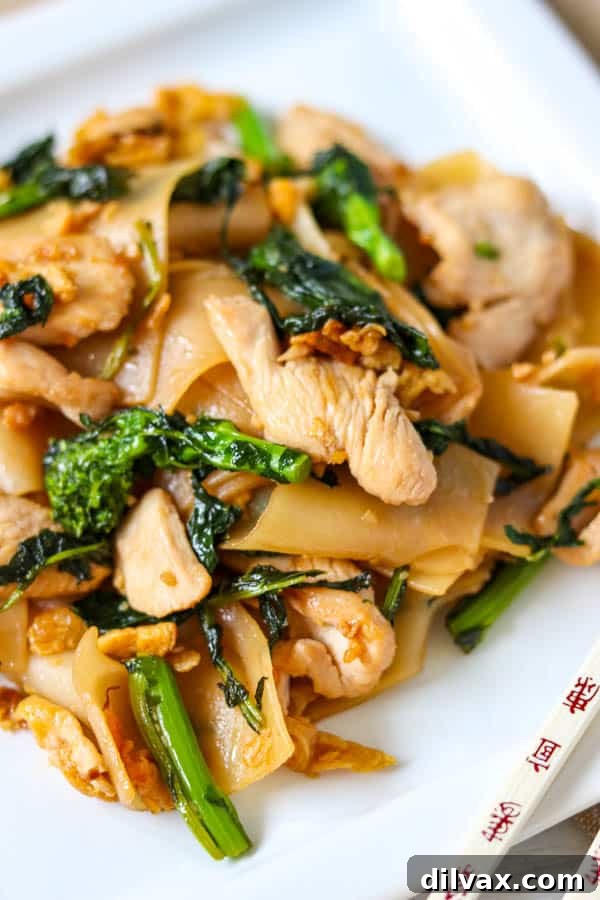
Pad See Ew is a popular Thai recipe with chicken and flat rice noodles in a sweet-salty sauce. Everyone will love this super easy, fast and delicious dish!
- Course: Main Course
- Cuisine: Thai
- Prep Time: 20 minutes
- Cook Time: 10 minutes
- Total Time: 30 minutes
- Servings: 4 people
Equipment:
- Nonstick wok or large skillet
Ingredients:
Seasoning Sauce:
- 2 tablespoons dark soy sauce
- 1 tablespoon fish sauce
- 1 tablespoon oyster sauce
- 2 ½ tablespoons sugar
Main Ingredients:
- 8 ounces chicken breast, halved lengthwise and then thinly sliced (225 grams)
- 1 tablespoon soy sauce (for marinating chicken)
- 10 ounces flat and wide fresh rice noodles (ho fun, see Note below)
- 4 tablespoons canola oil, divided
- 3 cloves garlic, minced
- 1 egg, beaten
- 8 stalks gai lan (Chinese broccoli) or broccoli rabe, thick bottom stalks cut off, with leaves and thin stalks sliced to about 2 inches in length.
- Freshly ground pepper to taste
Instructions:
- Prepare Seasoning Sauce: In a small bowl, combine the dark soy sauce, fish sauce, oyster sauce, and sugar. Mix well and set aside.
- Marinate Chicken: Marinate the thinly sliced chicken in the 1 tablespoon soy sauce for at least 10 minutes.
- Prepare Noodles: If using fresh noodles, refresh them with cold water and gently separate the threads to prevent clumping. Drain thoroughly and set aside. (If using dried noodles, prepare according to package directions, typically by soaking until softened.)
- Cook Chicken: Heat 2 tablespoons of canola oil in a nonstick wok or large skillet over medium-high heat. Add the marinated chicken and fry for about 3 minutes, or until fully cooked through. Transfer the cooked chicken to a clean bowl and set aside.
- Cook Aromatics and Egg: Drizzle the remaining 2 tablespoons of oil into the wok and heat over medium-high. Add the minced garlic and cook until it becomes very aromatic, about 30 seconds. Pour in the beaten egg, let it set for several seconds, then scramble it with the garlic.
- Add Vegetables: Add the chopped gai lan (or broccoli rabe) to the pan and mix it with the egg and garlic. Stir-fry for 1-2 minutes until slightly tender-crisp.
- Combine and Char Noodles: Add the prepared noodles and the pre-mixed seasoning sauce to the pan. Stir everything quickly and thoroughly to ensure the noodles are fully coated with the sauce. Allow the noodles to sit undisturbed for about 30 seconds to let them char slightly underneath, developing that delicious caramelized flavor.
- Finish Cooking: Flip or toss the noodles to allow the top portion to char as well. Leave undisturbed for another 30 seconds. Return the cooked chicken to the pan and give the entire mixture another quick stir to combine all ingredients.
- Serve: Transfer the Pad See Ew to a serving plate. Sprinkle with some freshly ground pepper to taste. Serve immediately and enjoy!
Notes:
Abby’s note from her cookbook, “Rice. Noodles. Yum.”:
“Fresh wide rice noodles (ho fun) are great for this dish. You can find these flat rice noodles at Asian stores either in the refrigerated or frozen section. If frozen, thaw first before using. If you cannot find fresh or frozen noodles, simply use extra-large dried Thai rice noodles available in Asian stores and soak them in room temperature water for about an hour or until softened.”
Nutrition:
- Serving: 1g
- Calories: 515kcal
- Carbohydrates: 70g
- Protein: 19g
- Fat: 17g
- Saturated Fat: 2g
- Cholesterol: 77mg
- Sodium: 1454mg
- Potassium: 371mg
- Fiber: 2g
- Sugar: 8g
- Vitamin A: 1075IU
- Vitamin C: 9.1mg
- Calcium: 67mg
- Iron: 2mg
Did you make this recipe?
Share it with me on Instagram and make sure to follow me on Pinterest for more recipes.
Pin Recipe
Share Recipe
If you like this Pad See Ew recipe, then you’ll probably enjoy these other delicious Asian-inspired recipes…
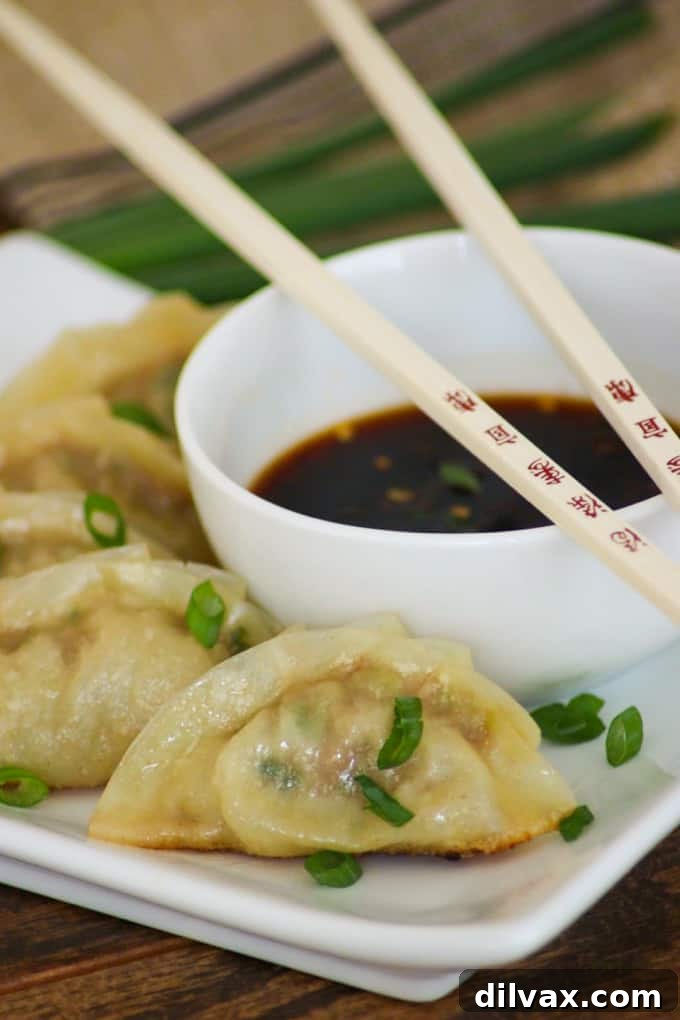
Pork Potstickers
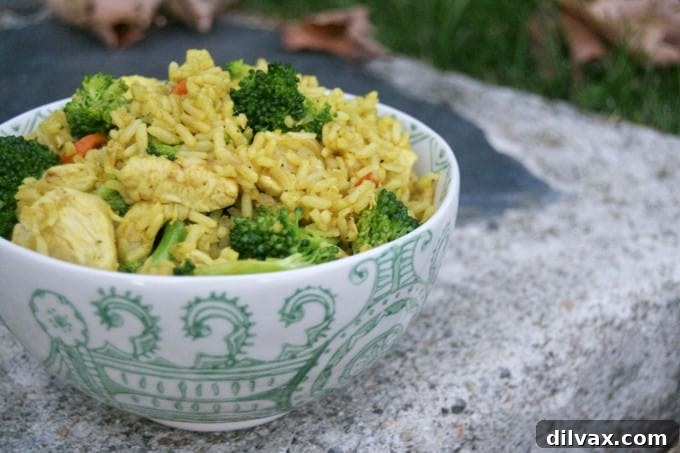
Curried Rice with Chicken and Vegetables
Horchata – an Easy and Refreshing Mexican Drink Recipe