Timeless Comfort: The Classic Baked Chocolate Custard Recipe from Fannie Farmer
Step into a world of timeless dessert traditions with our cherished recipe for Baked Chocolate Custard. This classic delight, a testament to simplicity and rich flavor, hails from the pages of the esteemed Fannie Farmer Cookbook Thirteenth Edition, penned by Marion Cunningham. Published by Alfred A. Knopf, Inc., a division of Random House (ISBN 0-394-56788-9), this recipe is more than just a sweet treat; it’s a piece of culinary history. Whether you’re a seasoned baker or new to the joys of homemade desserts, this guide will walk you through creating a perfectly smooth and deeply satisfying custard that evokes warmth and nostalgia with every spoonful.
Baked custard stands as a paragon of comfort food – unpretentious, yet profoundly satisfying. Its creamy texture and delicate sweetness make it a versatile dessert, equally suited for a cozy family dinner or a sophisticated gathering. By adding the depth of chocolate, we elevate this classic to a new level of indulgence, transforming simple ingredients into a truly memorable experience. Forget complicated techniques; this recipe emphasizes straightforward steps and quality ingredients to achieve a truly remarkable result. Prepare to impress your taste buds and your guests with this wonderfully comforting dessert.
Why You’ll Love This Baked Chocolate Custard
- Rich, Creamy Texture: Achieved through careful baking in a water bath, ensuring a silky-smooth consistency that melts in your mouth.
- Deep Chocolate Flavor: Unsweetened chocolate infuses the custard with a profound, authentic chocolate taste that isn’t overly sweet, perfect for true chocolate lovers.
- Simple Ingredients: Made with common pantry staples – eggs, milk, sugar, and chocolate – proving that elegance doesn’t require complexity or exotic components.
- Versatile Dessert: Enjoyed equally well warm from the oven or chilled from the refrigerator, plain or adorned with whipped cream, fresh berries, or a dusting of cocoa powder.
- Culinary Heritage: A true classic from the renowned Fannie Farmer Cookbook, a staple in American kitchens for generations, connecting you to a rich baking tradition.
The Heritage Behind the Recipe: Fannie Farmer
The Fannie Farmer Cookbook is more than just a collection of recipes; it is a foundational text in American culinary arts, a true icon that has shaped generations of home cooks. First published in 1896 as “The Boston Cooking-School Cook Book,” it revolutionized home cooking by introducing standardized measurements, making recipes accessible and replicable for every home cook regardless of their experience level. Marion Cunningham, who lovingly revived and updated the Thirteenth Edition, breathed new life into these classic recipes, ensuring their relevance for modern kitchens while preserving their timeless appeal and authenticity. Drawing a recipe from such a respected source means you’re tapping into a legacy of reliability, tradition, and a commitment to delicious, wholesome results. This Baked Chocolate Custard recipe, therefore, embodies not just flavor, but also a piece of culinary history, a testament to the idea that some of the best dishes are those that have stood the test of time, simple in their elegance yet profound in their ability to deliver comfort and joy.
Classic Baked Custard Recipe
This recipe is designed to serve eight, making it an excellent choice for family gatherings, dinner parties, or simply to have a delightful dessert ready for a few days. The beauty of custard is in its simplicity, but precision in preparation will guarantee the best results.
Ingredients:
- 2 large egg yolks: These are crucial for adding richness and contributing to that perfectly smooth, tender, and luxurious custard texture.
- 3 large eggs: Providing essential structure and body to the custard, ensuring it sets properly without being too dense.
- ½ cup granulated sugar: For just the right amount of sweetness, meticulously balancing the richness of the dairy and chocolate without overpowering other flavors.
- 1/8 teaspoon salt: A small but mighty pinch of salt enhances all the other flavors, particularly deepening the chocolate and mellowing the sweetness.
- 3 cups very hot milk: Whole milk is highly recommended for the creamiest and most luscious result due to its higher fat content. Heating it beforehand is key for tempering the eggs.
- 1½ teaspoons vanilla extract: A crucial flavor enhancer, vanilla complements and brightens the chocolate beautifully, adding an aromatic dimension.
- Nutmeg: Freshly grated nutmeg is always superior, adding a warm, subtle, and traditional spice on top that pairs wonderfully with custard.
- For Chocolate Custard Variation: 1½ ounces unsweetened chocolate, high-quality, fully melted.
Essential Equipment Needed:
Having the right tools on hand will make the baking process smoother and more enjoyable, leading to a better final product.
- 1-quart baking dish or 8 individual ramekins: Your choice for either a communal or individual serving presentation.
- Large shallow roasting pan: Indispensable for creating the crucial water bath (bain-marie) for even baking.
- Whisk: For smoothly blending ingredients and tempering eggs.
- Saucepan: To gently heat the milk and melt the chocolate.
- Fine-mesh sieve: The secret weapon for an impeccably smooth, lump-free custard.
- Measuring cups and spoons: For precise ingredient measurements, a hallmark of successful baking.
- Mixing bowls: Several sizes for combining ingredients efficiently.
Step-by-Step Instructions for Perfectly Baked Custard
Creating a beautiful baked custard is a rewarding experience, and following these steps carefully will ensure a flawless result every time. The key lies in gentle heat application, thorough mixing, and patient baking.
1. Prepare Your Oven and Baking Vessels:
Begin by preheating your oven to a precise 325ºF (160ºC). This moderate temperature is absolutely crucial for baking custard gently and evenly, preventing it from curdling, cracking, or becoming rubbery. Next, lightly butter your chosen baking vessel(s) – either a 1-quart baking dish for a communal dessert presentation or 8 individual ramekins for elegant single servings. Buttering prevents the custard from sticking and aids in its clean release. Finally, place a large, shallow pan (such as a roasting pan) in the oven. This pan will hold your buttered baking dish(es) and serve as a water bath. Carefully fill it with about one inch of hot water; this creates a steamy, moist environment that gently insulates the custard, promoting exceptionally even cooking and a wonderfully smooth, tender texture.
2. Combine Eggs and Sugar:
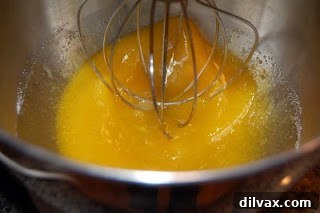
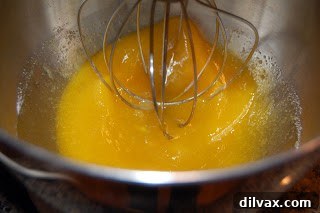
In a medium-sized mixing bowl, gently beat the egg yolks and whole eggs together. The goal here is just to blend them thoroughly until uniform, not to incorporate excessive air, which can lead to a frothy top or tiny air bubbles within the finished custard. Once thoroughly blended, stir in the granulated sugar and the pinch of salt. Continue mixing until the sugar is mostly dissolved and the mixture appears smooth and well-combined. The salt plays a vital yet often underestimated role in balancing the sweetness and subtly enhancing the overall flavor profile of the custard, bringing out its best qualities.
3. Temper the Eggs with Hot Milk:
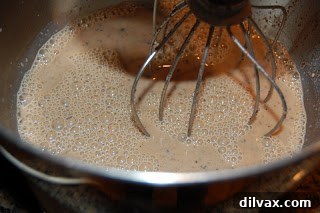
This is arguably the most critical step to prevent the eggs from scrambling and ensure a smooth custard. Slowly and gradually, stream the very hot milk into the egg mixture while continuously stirring vigorously with a whisk. The constant agitation helps to gradually raise the temperature of the eggs, integrating them smoothly with the hot milk without cooking them prematurely. If you’re making the decadent Chocolate Custard variation, ensure your 1½ ounces of unsweetened chocolate have been fully melted and smoothly incorporated into the milk as it heats. The residual warmth of the milk will facilitate this, creating a luscious and homogenous chocolate base for your custard. Once all the milk is incorporated and the mixture is smooth, stir in the vanilla extract, which adds a beautiful aromatic finish and deepens the overall flavor profile.
4. Strain for Silky Smoothness:
For an impeccably smooth and velvety custard, straining the mixture is an essential, non-negotiable step. Carefully pour the entire custard mixture through a fine-mesh sieve directly into your prepared buttered baking dish or individual ramekins. This crucial step ensures that any tiny bits of cooked egg (which can sometimes occur even with careful tempering), chalazae (the stringy bits in egg whites), or undissolved sugar are removed, guaranteeing a truly refined and luxurious texture. After straining, sprinkle a light, even dusting of fresh nutmeg over the top of each custard. Nutmeg provides a traditional aromatic complement that enhances the richness of the dessert and adds a subtle layer of complexity.
5. Bake to Perfection:
Carefully transfer your baking dish(es) into the hot water bath positioned in the preheated oven. Bake for approximately 45 minutes for individual ramekins, or slightly longer – around 50-60 minutes – for a larger 1-quart baking dish. The exact baking time can vary depending on your specific oven and the depth of your custard, so visual cues are important. To check for doneness, gently insert a thin knife or a clean skewer into the center of the custard, about an inch from the edge. If it comes out clean, the custard is set. The very center should still have a slight, delicate jiggle, indicating it’s cooked through but crucially, not overbaked. Overbaking is the enemy of tender custard, as it can lead to a rubbery or tough texture, so keep a close eye on it!
6. Cool and Serve:
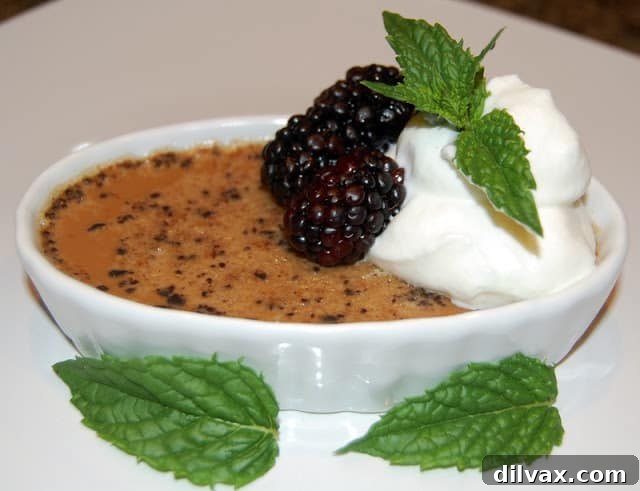
Once baked to perfection, carefully remove the baking dish(es) from the hot water bath using oven mitts and allow them to cool completely on a wire rack at room temperature. Custard continues to set and firm up as it cools. For the best texture and flavor, especially with the chocolate variation, it is highly recommended to allow the custard to chill completely in the refrigerator for at least 2-3 hours, or ideally, overnight. This chilling period enhances the flavors, deepens the chocolate notes, and firms up the consistency beautifully, making for a truly delightful dessert. Serve chilled, perhaps with a delicate dollop of fresh whipped cream, a fine sprinkle of cocoa powder, or a few fresh berries for an elegant and refreshing presentation.
Elevating Your Experience: The Chocolate Custard Variation
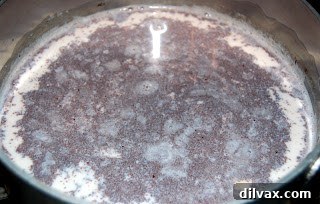
Transforming this already classic baked custard into a decadent chocolate version is incredibly simple and adds a wonderful depth of flavor that many find irresistible. As detailed in the main instructions, the core of this variation lies in melting 1½ ounces of high-quality unsweetened chocolate directly into the milk while it’s being gently heated. This allows the chocolate to fully dissolve and emulsify with the milk, creating a homogenous, smooth, and rich base before it’s combined with the eggs.
For an even more intense and luxurious chocolate flavor, consider using a high-quality unsweetened or bittersweet chocolate (around 70% cocoa solids). Some bakers prefer to finely grate the chocolate first, or chop it into very small pieces, as this helps it melt more quickly and evenly into the warm milk, reducing the chance of any clumps. Ensure the chocolate is completely melted and stirred until no streaks remain before proceeding to temper the eggs. This careful integration is key to achieving that deep, uniform chocolate flavor throughout your exquisite custard.
Expert Tips for the Perfect Baked Custard Every Time
Achieving custard perfection is within reach with a few key considerations and expert techniques. These tips will help you avoid common pitfalls and ensure your baked custard is a triumph.
- Don’t Overbake: The Golden Rule. This is perhaps the most crucial tip for any custard. Overbaked custard will inevitably become tough, watery, or riddled with unattractive holes. Always watch for that tell-tale slight jiggle in the very center and rely on the clean knife test. It’s better to slightly underbake than to overbake.
- Use Room Temperature Eggs: While not strictly essential, using eggs that are at room temperature allows them to incorporate more smoothly and evenly into the mixture, reducing the risk of lumps and aiding in a consistent final texture. Plan ahead and take them out of the fridge about 30 minutes before you start.
- Whole Milk is Your Best Friend: While other milks (like skim or almond) can be used, whole milk provides the richest, creamiest, and most satisfying texture due to its higher fat content. This fat contributes significantly to the custard’s velvety mouthfeel.
- The Fine-Mesh Sieve is Your Essential Tool: Do not, under any circumstances, skip the straining step! Pouring the custard mixture through a fine-mesh sieve is the ultimate secret to a perfectly smooth, lump-free custard. It catches any bits of cooked egg, chalazae, or undissolved sugar. For extra insurance, you can even strain it twice!
- Master the Water Bath (Bain-Marie): Understand why you’re using it. The “bain-marie” provides gentle, indirect, and even heat, preventing the edges from overcooking and becoming rubbery before the center is perfectly set. It’s absolutely non-negotiable for achieving a tender, uniform custard. Ensure the hot water in the pan comes at least halfway up the sides of your custard dish(es).
- Customize Your Flavor Palette: Beyond the delightful chocolate variation, feel free to get creative with other additions. Consider adding a hint of almond extract for a marzipan-like nuance, a dash of fresh orange zest for brightness, or even a tablespoon of your favorite liqueur like rum or brandy for an sophisticated adult twist.
My Culinary Journey with This Custard
Every recipe holds a story, and this Baked Chocolate Custard is no exception, representing a fascinating exploration of culinary expectations and personal taste. While the journey to finding one’s “perfect” custard can be highly subjective, it’s a delightful process of discovering various textures and flavors. When my family and I first tried this particular recipe, we found its traditional, custardy texture quite distinct from what we might have initially expected. Our palates, perhaps, were more accustomed to the richer, firmer consistency of desserts like the Crème Brûlée I had previously made, which was an absolute hit.
The classic baked custard, as presented here, offers a unique mouthfeel – a tender, almost jiggly set that is inherently different from a thick pudding or a dense flan. It’s a testament to a specific style of dessert that has captivated palates for generations. The method of melting unsweetened chocolate directly into the milk provided a robust chocolate essence, undeniably authentic. However, traditional techniques like this can occasionally yield a very slight, fine grittiness, depending on the quality and type of chocolate used and how thoroughly it disperses. For those who, like us, prefer an absolutely silky-smooth chocolate custard without any hint of texture, one might explore alternatives such as sifting in high-quality cocoa powder at the tempering stage, or perhaps incorporating a meticulously smooth chocolate ganache base folded into the tempered eggs before baking. Yet, there’s an undeniable rustic charm to this direct approach, offering a comforting, authentic homemade feel that many connoisseurs of classic desserts truly appreciate. Ultimately, taste is an incredibly personal experience, and what one person finds pleasantly traditional, another might find a new texture to adapt to. My personal rating, while perhaps influenced by our family’s strong preference for extremely smooth, melt-in-your-mouth textures, landed at 1½ rolling pins out of four. This score primarily reflected that it wasn’t quite what *we* were looking for in a chocolate dessert at that moment. However, I firmly believe that the true joy of baking is in the discovery and the learning, and this recipe absolutely has its distinct merits and will undoubtedly delight those who cherish classic, unadulterated custard preparations.
Final Thoughts and Your Turn!
While our initial encounter with this specific Baked Chocolate Custard presented a unique set of expectations and experiences, its foundational place in culinary history and its relative simplicity make it a recipe absolutely worth trying for any aspiring or seasoned baker. It serves as a wonderful and accessible introduction to the delicate art of custard making, a fundamental skill that opens doors to countless other exquisite desserts. Remember, baking is an adventure, a continuous learning process, and personal preferences will always play a huge role in how we perceive flavors and textures. If you’re a devoted fan of traditional custards, or simply curious to explore a true classic from a legendary cookbook, I wholeheartedly encourage you to give this recipe a go and discover its charm for yourself.
I would be absolutely thrilled to see your culinary creations! Please feel free to share pictures of the recipes you make from 365 Days of Baking on my Facebook page. Whether your custard turns out perfectly set and wonderfully smooth, or you learn something valuable and new along the way, I want to celebrate your baking journey with you. Every baking attempt is a step towards mastery, a chance to refine your skills, and every shared experience enriches our vibrant community of food lovers. Don’t hesitate to share – your journey inspires others!
Thanks for stopping by and happy baking!