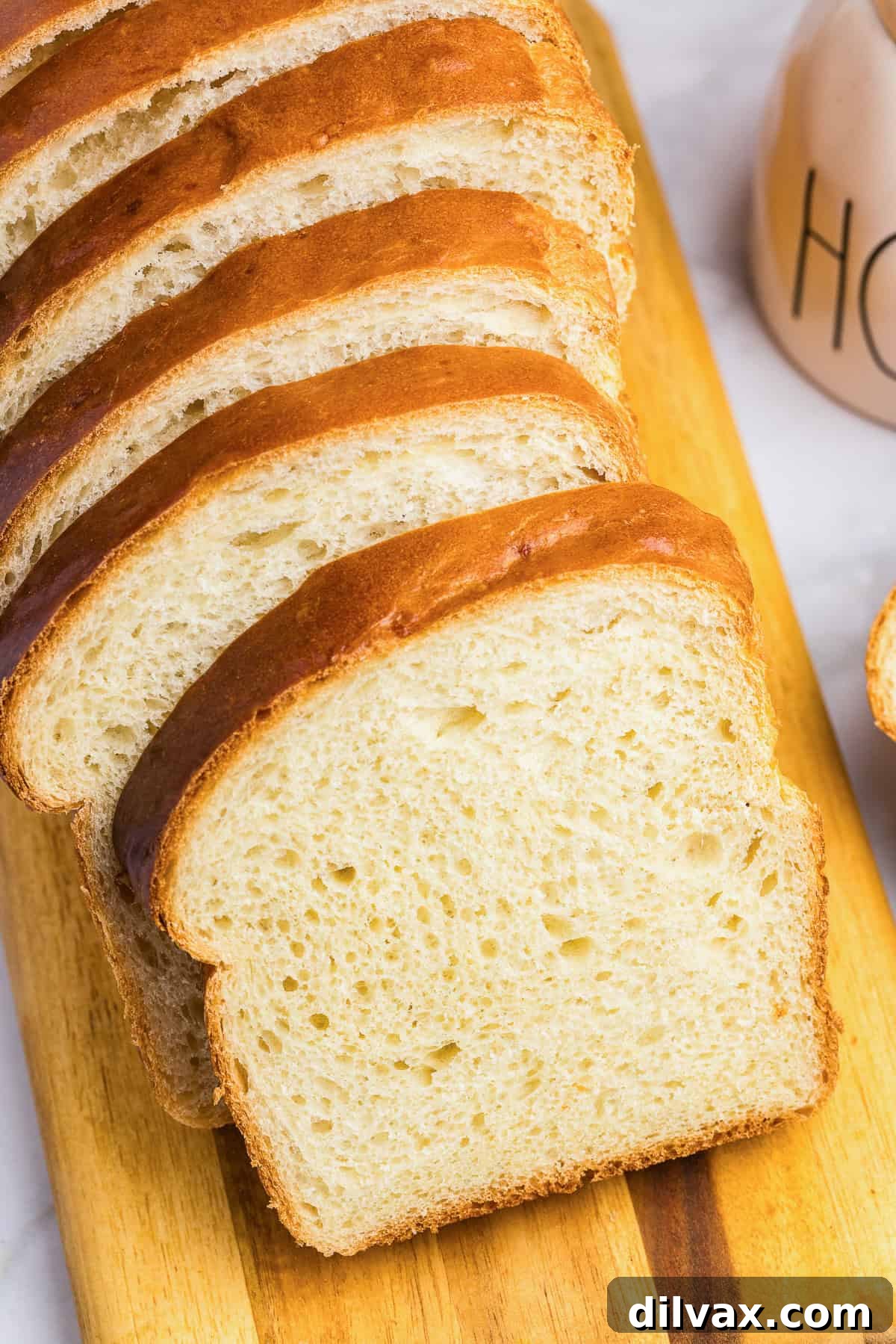
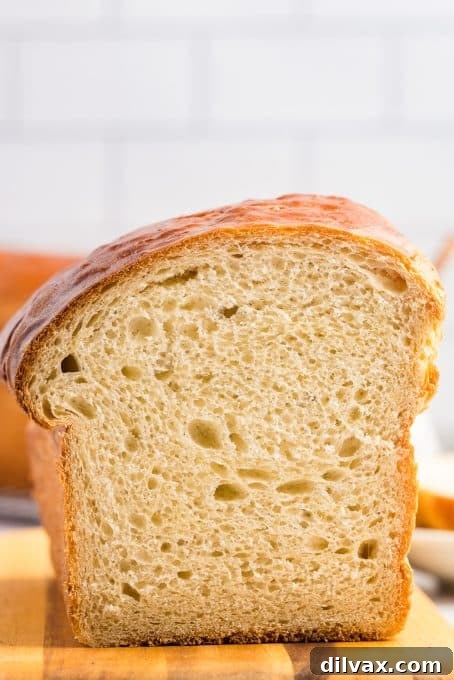
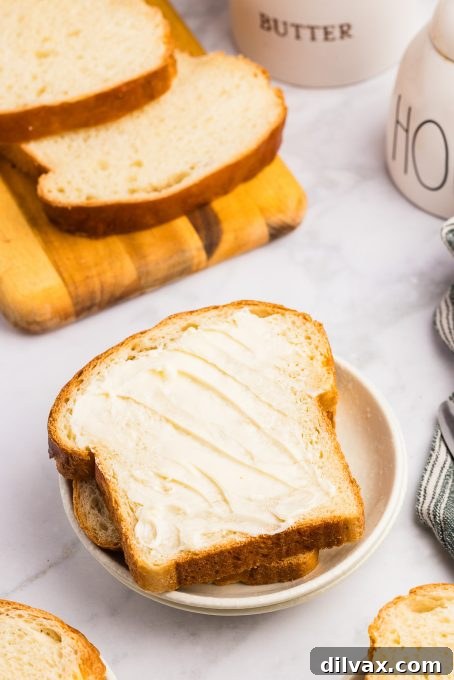
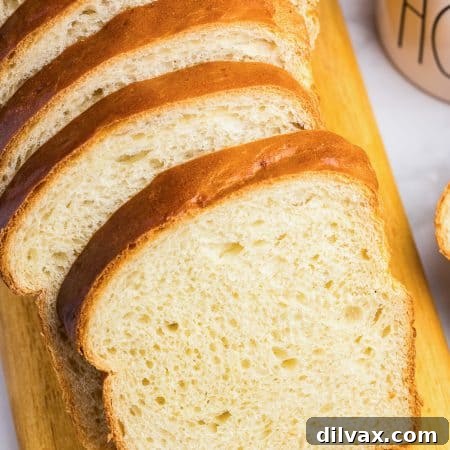
Discover the magic of homemade **Potato Bread**! This incredibly easy recipe is not just a delicious way to bake a comforting loaf, but also a clever solution for using up leftover mashed potatoes. The result is a wonderfully soft, irresistibly fluffy, and remarkably moist bread that’s perfect for any occasion. Whether you’re making the ultimate sandwich, enjoying a slice toasted with butter, or transforming it into rich French Toast, this potato bread is destined to become a beloved staple in your kitchen. Get ready to bake a loaf that delights with every bite!
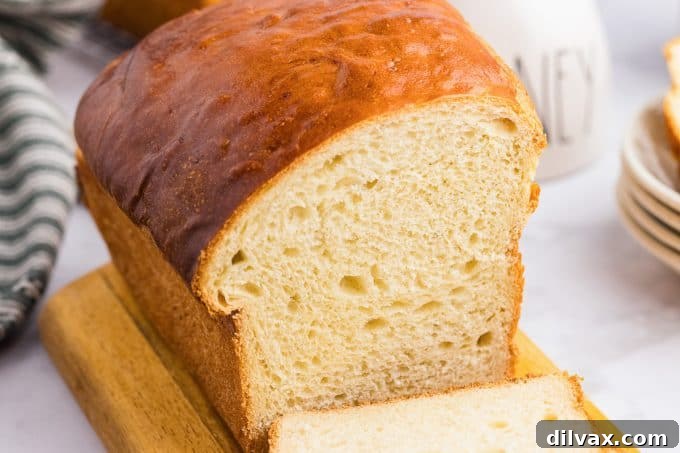
There are few things as satisfying as the aroma of freshly baked bread filling your home, and the simple comfort of perfectly mashed potatoes. What if you could combine these two culinary delights into one extraordinary creation? This potato bread recipe does exactly that! It’s a harmonious blend of your favorite comfort foods, resulting in a loaf that’s not only incredibly flavorful but also wonderfully textured. I fell in love with this bread from the first slice, and I’m confident you will too. It’s more than just a recipe; it’s an experience that brings warmth and joy to your table.
SAVE THIS POTATO BREAD RECIPE TO YOUR FAVORITE PINTEREST BOARD!
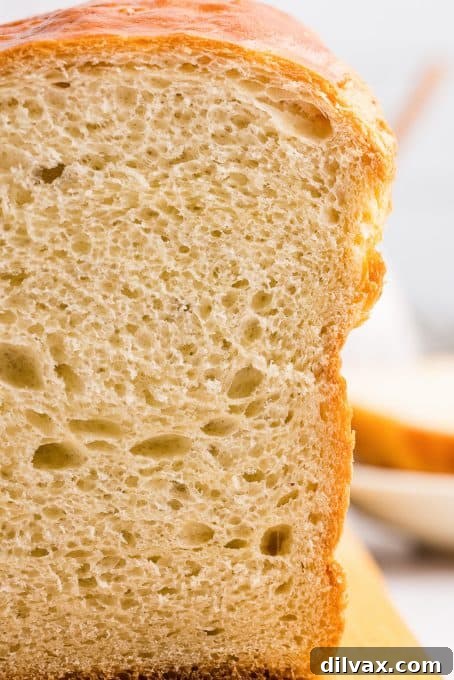
Why Potato Bread is a Game-Changer: The Science of Softness
If you’re wondering what makes potato bread so special, or why potatoes are even a suitable ingredient for baking, the answer lies in their remarkable starch content. As culinary experts like King Arthur Baking often highlight, starch is the secret weapon for achieving truly tender baked goods.
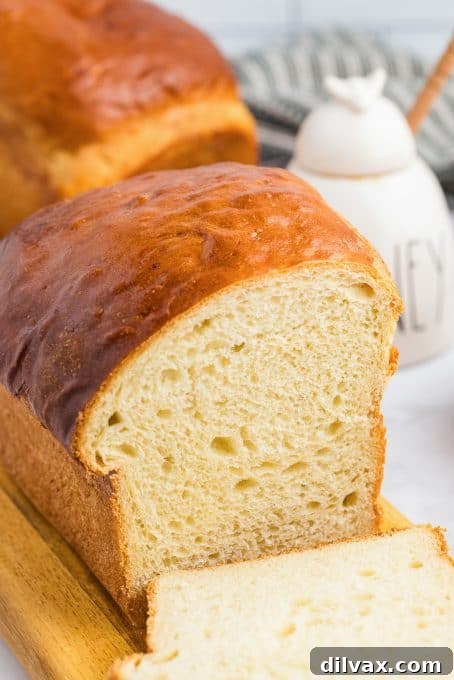
Potatoes are incredibly starchy, and when incorporated into bread dough, they work wonders. The added starch contributes to an exceptionally soft and tender crumb, making your loaf incredibly moist and delightful. This isn’t just about texture; it also helps the bread stay fresh for longer, preventing it from drying out quickly. Furthermore, the starches help create a wonderfully sturdy yet pliable crust, offering a satisfying contrast to the fluffy interior. The natural sugars in potatoes also subtly feed the yeast, aiding in a more robust rise and contributing to that classic, slightly sweet, and utterly addictive flavor profile. So, if you’re chasing the dream of a bread that’s consistently soft, flavorful, and has an extended shelf life, adding potatoes is your golden ticket.
Choosing the Perfect Mashed Potatoes for Your Bread
The type and preparation of your mashed potatoes play a crucial role in the success of your potato bread. Here’s what you need to know:
- **Potato Variety Matters:** For the best results, opt for starchy potatoes like Russet or Yukon Gold. These varieties break down beautifully, contributing to the desired texture and flavor. Avoid red or purple potatoes, as their higher moisture content and distinct pigments can alter both the texture and the appealing golden color of your finished bread.
- **Keep it Plain:** It’s essential to use unseasoned mashed potatoes. While delicious in their own right, garlic, herbs, cheese, or other strong flavors in your mashed potatoes will undeniably transfer to your bread, potentially clashing with the subtle, comforting taste you’re aiming for. Stick to plain, buttery mashed potatoes.
- **Freshly Mashed vs. Leftovers:** If you don’t have leftover mashed potatoes on hand, don’t fret! Simply peel and chop about two medium-sized Russet potatoes. Boil them until they are fork-tender, then drain thoroughly. Mash them immediately, adding a touch of butter and perhaps a splash of milk or cream if needed to achieve a smooth consistency, but be mindful not to make them too wet.
- **Smoothness is Key:** The texture of your mashed potatoes directly impacts the bread’s consistency. Strive for potatoes that are as smooth and lump-free as possible. For an effortlessly smooth result, I highly recommend using a potato ricer like this one. It eliminates any stubborn lumps, ensuring that your finished loaf has a uniform, tender crumb without unexpected bits of potato.
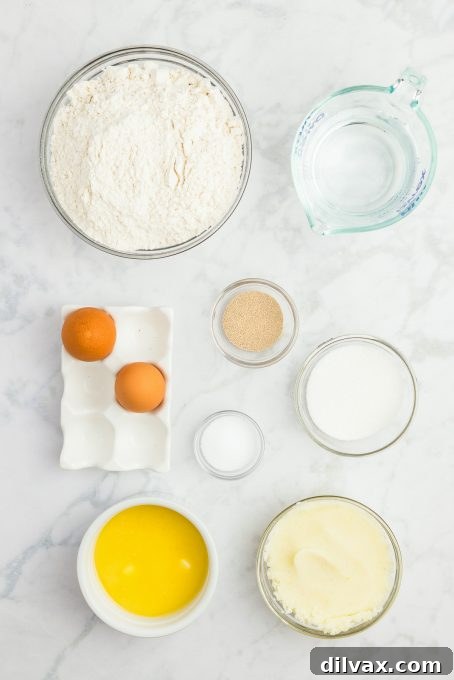
Essential Ingredients for Your Perfect Potato Bread
Crafting this delightful potato bread requires a handful of common baking ingredients, each playing a vital role in achieving that wonderfully soft and flavorful loaf:
- **Dry Active Yeast:** This is the living component that gives your bread its rise and signature airy texture. You can use either active dry yeast (which usually requires proofing) or instant yeast (which can often be mixed directly with dry ingredients, though for this recipe, we activate it). Ensure your yeast is fresh and active for a successful rise.
- **Granulated Sugar:** Beyond adding a delicate sweetness to the bread, granulated sugar serves a crucial purpose: it feeds the yeast. This metabolic process helps the yeast activate and multiply, leading to a light, fluffy, and well-risen bread.
- **Warm Water:** The ideal temperature for your water is crucial for activating the yeast. Aim for around 90-100 degrees F (32-38 degrees C), which feels warm but not hot to the touch. Water that is too cold won’t activate the yeast, while water that is too hot can kill it. Filtered, bottled, or tap water all work, as long as it’s the correct temperature.
- **Unsalted Butter:** Melted and then cooled, unsalted butter adds richness, tenderness, and a beautiful flavor to the dough. Using unsalted butter allows you to control the exact amount of salt in your recipe.
- **Salt:** A fundamental ingredient in bread making, salt enhances the flavor of all other ingredients and helps regulate the yeast’s activity, preventing it from rising too quickly. If you’re using salted butter, remember to reduce the amount of added salt accordingly. For kosher salt, typically cut the amount in half compared to table salt, as its larger flakes are less dense.
- **Eggs:** Room temperature large eggs contribute to the bread’s structure, richness, and golden hue. They also add moisture and help create a tender crumb. Allowing eggs to come to room temperature helps them integrate more smoothly into the dough.
- **Mashed Potatoes:** (Refer to the notes above for best practices on selection and preparation). This key ingredient is what makes our potato bread incredibly soft, moist, and gives it a unique, comforting texture.
- **All-Purpose Flour:** This versatile flour provides the necessary structure for your bread. You can also use bread flour, which has a higher protein content and can result in a slightly chewier bread, but all-purpose flour works perfectly for a tender loaf.
For a detailed list of ingredients with precise measurements, please refer to the comprehensive recipe card located at the bottom of this post!
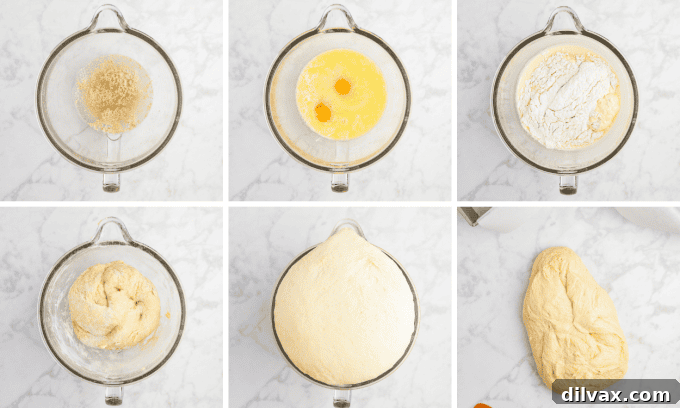
Baking Your Best Potato Bread: A Step-by-Step Guide
Baking homemade bread might seem daunting at first glance, but I assure you, it’s a deeply rewarding and surprisingly straightforward process. These detailed instructions are designed to guide you to absolute success. The journey from ingredients to a warm, fragrant loaf involves just a few key stages: mixing the dough, allowing it to rise, shaping it, a second rise, and finally, baking it to golden perfection!
Crafting the Perfect Potato Bread Dough
- Begin by adding the active dry yeast, granulated sugar, and warm water into the bowl of your stand mixer. Attach the whisk and stir these ingredients gently until they are well combined. Let this mixture rest for about 5 minutes. During this time, the yeast should “bloom” – you’ll see a bubbly, foamy layer form on the surface, indicating your yeast is active and ready to work.
- Once the yeast has proofed and appears soft and bubbly, proceed by adding the melted and cooled unsalted butter, salt, and room temperature eggs to the yeast mixture. Stir thoroughly with the whisk attachment until all these ingredients are smoothly incorporated.
- Next, add your prepared mashed potatoes to the mixture. Stir again, ensuring the potatoes are evenly distributed throughout the wet ingredients.
- Now, add the first two cups of all-purpose flour to the bowl. Stir just until the flour is combined and no dry streaks remain. The mixture will be quite wet at this stage.
- Allow this mixture to rest for an additional 10 minutes. This crucial step, known as autolyse, allows the flour to fully hydrate and helps kickstart the gluten development, which is essential for a tender and chewy bread texture.
- After the 10-minute rest, switch out the whisk attachment for the dough hook. With the mixer on a low speed, begin slowly incorporating the remaining flour, adding it approximately ½ cup at a time. It’s important to allow each addition of flour to be fully absorbed into the dough before adding the next portion. This gradual process helps to achieve the perfect dough consistency without overworking it.
- Continue adding flour until the dough begins to pull away cleanly from the sides of the mixer bowl. At this point, the dough should still feel slightly tacky to the touch but no longer excessively sticky. This indicates the right balance of moisture and flour for optimal kneading.
Kneading, Shaping, and Double Rising for Optimal Texture
- Once all the flour is incorporated, increase your stand mixer speed to medium and allow the dough to knead for approximately 5 minutes. This process develops the gluten structure, resulting in a strong yet elastic dough. After kneading, gently turn the dough out onto a lightly floured work surface.
- Prepare a clean, large bowl by lightly greasing it with baking spray or a small drizzle of oil. Place the kneaded dough into this oiled bowl, turning it once to ensure it’s coated on all sides. Cover the bowl loosely with plastic wrap or a clean kitchen towel and place it in a warm, draft-free spot. Allow the dough to rise for about 90 minutes, or until it has visibly doubled in size. This is the first, crucial rise.
- While the dough is undergoing its first rise, prepare your loaf pans. Lightly spray two 9×5-inch loaf pans with nonstick cooking spray, or line them with parchment paper for easy removal. Set these prepared pans aside.
- After the dough has successfully doubled in size, gently turn the risen dough out onto a clean, dry surface. Carefully divide the dough into two equal portions. This will ensure you have two evenly sized loaves.
- Take one of the dough balls and, using your hands, gently flatten it into a rectangular shape. Then, starting from one of the shorter ends, tightly roll the dough up, tucking in the sides as you go to create a neat loaf shape. This technique creates tension in the dough, which helps achieve a beautiful rise and an even crumb. Place the shaped loaf seamlessly into one of your prepared loaf pans. Repeat this shaping process with the second dough ball. (Refer to the helpful photos in the post for visual guidance on shaping.)
- Cover both loaf pans loosely with plastic wrap or a clean tea towel and allow them to rise for a second time, for about 30 minutes. This shorter second rise, known as proofing, ensures a final burst of activity before baking, leading to a lighter, airier loaf.
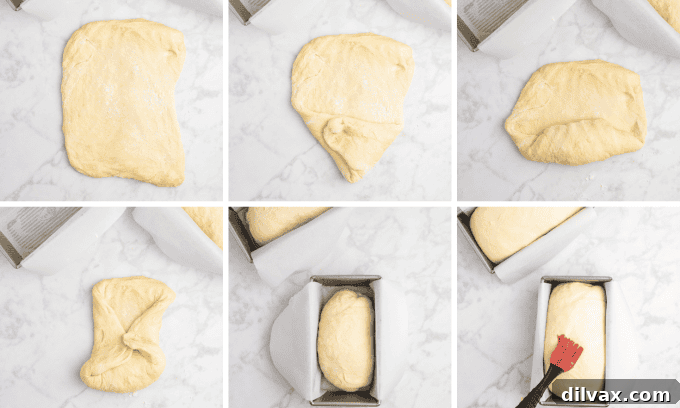
The Final Steps: Preparing for the Oven and Achieving Golden Perfection
- Approximately 10 minutes before the second rise is complete, preheat your oven to 375 degrees F (190 degrees C). If you opt for an egg wash (highly recommended for a beautiful golden crust), prepare it now: whisk one large egg with 2 tablespoons of water in a small bowl until well combined.
- Once the loaves have completed their second rise, gently brush the tops of each with the prepared egg wash. This step not only gives the bread a lovely shine but also contributes to a rich, golden-brown crust.
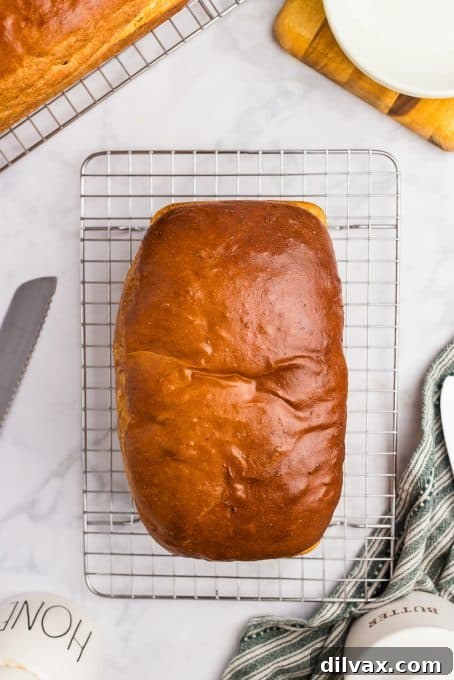
- Carefully transfer the loaf pans to the preheated oven and bake for about 45 minutes. The bread is perfectly baked when the tops and sides are a deep golden brown. A simple test for doneness is to gently tap on the top of a loaf; if it sounds hollow, it’s ready. An internal temperature of 190-200 degrees F (88-93 degrees C) also indicates doneness.
- Once baked, remove the loaves from the oven. Allow them to cool in their pans on a wire rack for at least 30 minutes. This initial cooling period allows the bread to set and prevents it from becoming gummy.
- After 30 minutes, carefully remove the loaves from the bread pans and transfer them directly to a wire rack. Allow them to cool for an additional 20 minutes before attempting to slice them. Slicing warm bread can compact the crumb and affect its texture, so patience is key for the perfect slice.
Frequently Asked Questions About Potato Bread
How Do I Properly Store My Homemade Potato Bread?
To keep your potato bread fresh and delicious, proper storage is key. At room temperature, your loaf will remain wonderfully soft for up to 3 days when stored in an airtight container or a bread bag. For longer freshness, you can store it in an airtight container in the refrigerator, where it will keep well for up to 5 days. Be aware that refrigeration can slightly alter the texture, making it a bit firmer, but it will still be delicious.
Can I Freeze This Potato Bread for Later Enjoyment?
Absolutely! This potato bread freezes beautifully, making it an excellent option for meal prep or enjoying a homemade loaf whenever the craving strikes. To freeze a whole loaf, first ensure it’s completely cooled to room temperature. Then, wrap it tightly in plastic wrap, followed by a layer of aluminum foil or place it in a freezer-safe bag. Label it with the date and freeze for up to 3 months.
For ultimate convenience, consider pre-slicing the bread before freezing. Slice the cooled loaf, arrange the slices in a single layer on a baking sheet, and pre-freeze for about an hour. Once individually frozen, transfer the slices to a labeled and dated freezer-safe container or bag. This method allows you to remove just a few slices at a time, making it incredibly easy to grab and toast whenever you wish. Allow whole loaves or slices to thaw at room temperature before enjoying, or pop frozen slices directly into a toaster for quick warmth.
Can I Substitute Potato Flakes (Instant Potatoes) for Mashed Potatoes?
While fresh or leftover mashed potatoes are highly recommended for the best texture and flavor, you can use instant potato flakes in a pinch. However, do not add them directly to your dough in their dry form, as they require significant moisture to rehydrate, which would make your dough excessively dry and unworkable. If you choose to use instant potatoes, first prepare them according to the manufacturer’s directions, typically by mixing with hot water or milk, until you have a smooth, mashed consistency. Allow them to cool completely before incorporating them into the bread dough, following the recipe as written for mashed potatoes.
Troubleshooting: Why Didn’t My Bread Rise?
A common concern for home bakers is bread that fails to rise. Most often, the issue can be traced back to the yeast. Here are the primary reasons and how to avoid them:
- **Inactive Yeast:** Yeast is a living organism, and like all living things, it has a shelf life. If your yeast is old or has been improperly stored (e.g., exposed to heat or moisture), it may no longer be active. Always check the expiration date and store yeast in an airtight container in the refrigerator or freezer for optimal longevity. You can test its activity by proofing it in warm water with a pinch of sugar; if it doesn’t foam after 5-10 minutes, it’s likely expired.
- **Incorrect Water Temperature:** Yeast is sensitive to temperature extremes. Water that is too cold (below 90°F / 32°C) will inhibit yeast activity, leading to a slow or non-existent rise. Conversely, water that is too hot (above 110°F / 43°C) will kill the yeast entirely. Always aim for lukewarm water, around 90-100°F (32-38°C), which feels comfortably warm to the touch.
- **Too Much Salt:** While essential for flavor and regulating yeast activity, excessive salt can inhibit or even kill yeast. Ensure you are measuring salt accurately and not adding too much, especially if using a finer grain salt or if your mashed potatoes already contained salt.
- **Lack of Warmth for Rising:** Yeast thrives in warm environments. If your kitchen is too cold, your dough might rise very slowly or not at all. Find a warm, draft-free spot, or create one using a slightly warmed oven (turned off!) or proofing box.
Explore More Irresistible Bread Recipes!
If you’ve enjoyed baking this potato bread, you’re in for a treat! Here are more fantastic bread recipes to expand your baking repertoire:
- English Muffin Bread: Achieve the nooks and crannies of classic English muffins in a convenient loaf format. Perfect for toast!
- Italian Bread: A crusty, chewy loaf that’s ideal for sandwiches, dipping in olive oil, or accompanying any Italian meal.
- No-Knead Bread: Experience the joy of homemade bread with minimal effort – perfect for beginners.
- Peach Bread: A delightful sweet bread bursting with juicy peach flavor, wonderful for breakfast or dessert.
- Coca Bread: Discover this unique Spanish sweet bread, often flavored with citrus or anise.
Don’t forget to Pin or print this Potato Bread Recipe so you can easily revisit it whenever your next homemade bread craving strikes!
FOLLOW ME
FACEBOOK ~ PINTEREST
INSTAGRAM ~ TWITTER
YOUTUBE
Stay Tuned for More Easy and Delicious Recipes Every Week!
Want to Save This Recipe?
Enter your email & I’ll send it to your inbox. Plus, get great new recipes from me every week!
By submitting this form, you consent to receive emails from 365 Days of Baking and More.
Potato Bread Recipe
Ingredients
- 2 ¼ teaspoons active dry yeast (1 packet)
- ¼ cup granulated sugar
- 1 ¼ cups warm water (about 90 degrees F)
- ½ cup unsalted butter melted and cooled
- 2 teaspoons salt
- 2 large eggs
- 1 cup mashed potatoes (leftover or fresh)
- 6 cups all-purpose flour
Instructions
Make The Bread Dough
-
Into the bowl of your stand mixer, fitted with the whisk attachment, add the yeast, sugar, and warm water. Stir until just combined, then let the mixture rest for 5 minutes, or until small bubbles begin to form on the surface, indicating the yeast is active.
-
Once the yeast is visibly softened and foamy, add the melted and cooled butter, salt, and eggs to the yeast mixture. Stir thoroughly with the whisk attachment until all ingredients are well incorporated.
-
Add the mashed potatoes to the bowl and stir gently to combine them fully with the wet ingredients.
-
Incorporate 2 cups of the all-purpose flour into the mixture, stirring until no dry pockets of flour remain. The consistency will still be quite wet.
-
Allow the entire mixture to sit undisturbed for 10 minutes. This resting period is crucial for the gluten to begin developing, leading to a more elastic dough.
-
After the 10-minute rest, replace the whisk attachment with the dough hook. With the mixer set to a low speed, gradually add the remaining flour, about ½ cup at a time. Ensure each addition of flour is completely absorbed into the dough before adding the next portion.
-
Once all the flour has been added, the dough should effortlessly pull away from the sides of the bowl. It will still have a slight stickiness to it, but it shouldn’t adhere excessively.
Knead and Rise
-
Set your stand mixer to medium speed and allow the dough to knead for approximately 5 minutes. This process is vital for developing the gluten, which creates the bread’s structure.
-
Gently turn the kneaded dough out onto a lightly floured surface. Lightly grease a large, clean bowl with baking spray or a small amount of oil. Transfer the dough to this bowl, turning it once to coat all sides with oil. Cover the bowl loosely with plastic wrap or a clean kitchen towel and let the dough rise in a warm, draft-free place for about 90 minutes, or until it has doubled significantly in size.
-
Prepare two 9×5-inch loaf pans by lightly spraying them with nonstick cooking spray or lining the bottom and sides of each pan with a piece of parchment paper, leaving an overhang to easily lift the baked loaves. Set these prepared pans aside.
-
Once the dough has completed its first rise and doubled in size, turn it out onto a clean, dry work surface. Gently divide the dough into two equal portions to create two uniform loaves.
-
Take one of the dough balls and, using your hands, carefully flatten it into an even rectangle. Then, tightly roll the dough up from one end, gently tucking in the sides as you roll to form a neat, compact loaf shape. (Visual aids are available in the post photos for this step.) Place the shaped loaf into one of your prepared bread pans. Repeat this entire process with the second dough ball. Cover both pans loosely with a clean tea towel or plastic wrap and allow them to undergo a second rise for 30 minutes. This final proofing will result in light, airy loaves.
Prepare and Bake
-
With approximately 10 minutes remaining on the second rise, preheat your oven to 375 degrees F (190 degrees C). If you plan to use an egg wash for a golden crust, prepare it now: whisk one beaten egg with 2 tablespoons of water in a small bowl until thoroughly combined.
-
Gently brush the tops of the proofed loaves with the prepared egg wash. Carefully place the pans into the preheated oven and bake for 45 minutes. The loaves are done when their tops and sides are a rich, golden brown, and when tapped on top, they produce a hollow sound. This indicates a fully baked interior.
-
Once baked, remove the bread from the oven and allow it to cool in the pans on a wire rack for 30 minutes. This initial cooling helps the bread firm up and prevents it from becoming dense. After 30 minutes, carefully remove the loaves from their pans and place them directly on the wire rack to cool for an additional 20 minutes before slicing. Cooling completely ensures the crumb is set and the texture is perfect for enjoying.
Notes
- Always use plain, unseasoned mashed potatoes. Strong flavors from seasonings will overpower the delicate taste of your potato bread.
- If you don’t have leftover mashed potatoes, simply peel and chop 2 medium-sized Russet potatoes. Boil them until tender, then drain thoroughly and mash until completely smooth, ensuring no lumps remain. A potato ricer is highly recommended for achieving the best consistency.
- For optimal freshness, store your baked potato bread in an airtight container at room temperature for up to 3 days. It can be refrigerated for up to 5 days, though the texture may become slightly firmer.
Nutrition
Did you make this recipe?
Share it with me on Instagram and make sure to follow me on Pinterest for more recipes.
Pin Recipe
Share Recipe