Discover the Delights of Perfectly Baked Artichokes: A Simple & Flavorful Recipe
Embarking on a culinary adventure often starts with a single ingredient, and for many home cooks, the majestic artichoke presents both intrigue and a delightful challenge. While jarred, marinated artichoke hearts have long been a beloved pantry staple for their convenience and zesty flavor, there’s an undeniable satisfaction in preparing a fresh, whole globe artichoke from scratch. Recently, I decided to venture beyond the jar and experience the true essence of this unique vegetable by baking it myself.
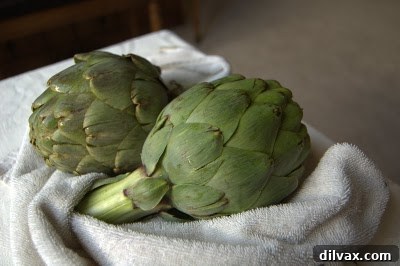
The journey began with two beautiful globe artichokes, promising a fresh, earthy flavor profile distinct from their pickled counterparts. My quest for the perfect preparation led me to a fantastic instructional video on the Ocean Mist website, a renowned source for premium produce. This guide became my blueprint for transforming humble artichokes into a tender, aromatic side dish or appetizer. The result was a learning experience, a culinary exploration that I’m eager to share, complete with tips, tricks, and a honest review of the process.
Baked Artichokes: An Easy & Aromatic Recipe
This recipe focuses on simplicity, allowing the natural flavors of the artichoke to shine, enhanced by classic seasonings and the gentle embrace of your oven. It’s a method that yields tender leaves and a buttery heart, perfect for a cozy meal or an impressive appetizer.
Yields: 4 Servings
Ingredients:
- 2 medium globe artichokes, fresh and firm
- 1 whole lemon, for brightening and preventing oxidation
- 1/4 teaspoon dried sage, divided (for earthy aroma)
- 1/4 teaspoon dried oregano, divided (for Mediterranean zest)
- 4 tablespoons extra virgin olive oil, divided (for richness and moisture)
- Optional: Melted butter, for serving (a classic accompaniment)
- Optional: 2-3 cloves garlic, thinly sliced (for enhanced flavor, highly recommended!)
Preparation Steps:
- Preheat Your Oven: Begin by preheating your oven to a steady 425 degrees Fahrenheit (220 degrees Celsius). This ensures the artichokes cook evenly and develop a tender texture.
- Rinse and Trim with Care: Gently rinse each artichoke under cold running water. Using a kitchen brush, carefully scrub away any dirt or debris from between the leaves. Be extremely cautious of the thorny tips on the outer leaves; they can be quite sharp! A good pair of kitchen gloves can be very helpful here. I speak from experience – those thorns can sting!
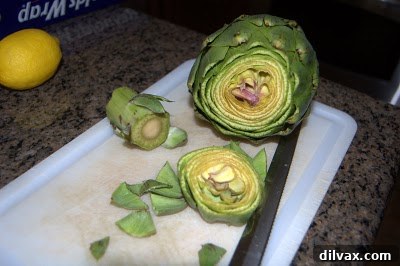
- Prepare the Artichoke Base: Using a long, serrated knife, trim the stem to about 1 inch in length. This creates a stable base for the artichoke to stand upright. Next, carefully cut about 1 inch off the very top of the artichoke. This opens up the artichoke slightly and helps with even cooking.
- Prepare the Foil Wraps: Tear off two pieces of heavy-duty aluminum foil, each approximately 18-24 inches long. Lay them crisscross over each other on a clean surface. Repeat this process for the second artichoke. These foil packets will create a steaming environment, ensuring the artichokes become incredibly tender.
- Snip the Leaf Tips: With a pair of kitchen scissors, carefully snip off the thorny tips of each remaining outer leaf. This makes the artichoke much more pleasant to handle and eat later.
- Gently Open the Artichoke: Place your thumbs into the center of the trimmed artichoke and gently, but firmly, spread the leaves outward. Imagine it opening like a flower. This step is crucial for allowing the seasonings and olive oil to penetrate deep into the leaves and reach the tender heart.
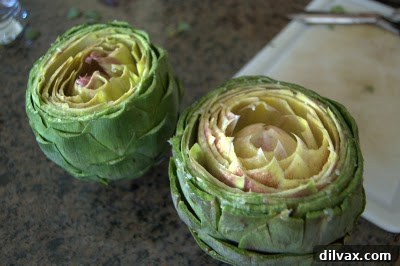
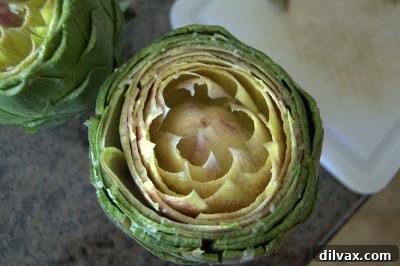
- Lemon Infusion: Cut the lemon in half. Take one half and generously rub it all over the cut surfaces and exposed leaves of the artichoke, paying special attention to the snipped leaf tips. This not only adds a bright, fresh flavor but also helps prevent the artichoke from browning during cooking. After rubbing, squeeze the juice from the lemon half directly into the center of the artichoke, allowing it to trickle down between the leaves.
- Season and Drizzle: Evenly sprinkle 1/4 teaspoon each of dried sage and dried oregano over one artichoke, ensuring the spices fall into the crevices created by opening the leaves. Follow this with a generous drizzle of 2 tablespoons of olive oil, distributing it as widely as possible. If you’re adding garlic, now is the time to tuck the thinly sliced cloves in amongst the leaves.
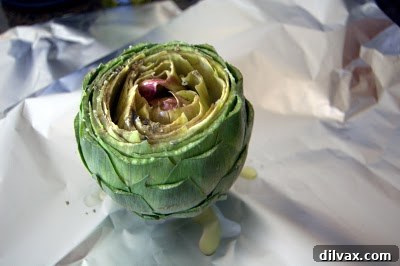
- Seal the Artichoke: Bring the ends of the bottom piece of tin foil up to meet each other over the artichoke and fold them over, creating a seam. Do the same with the remaining two ends of the second piece of tin foil.
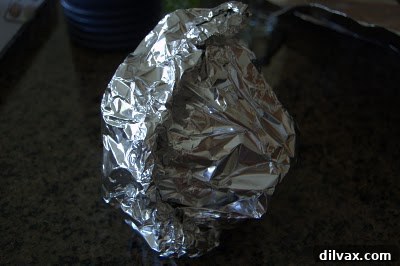
- Complete the Foil Packet: Carefully fold and crimp all the edges of the tin foil together, ensuring the artichoke is completely encased in a tightly sealed packet. This creates a steamy environment that tenderizes the artichoke beautifully.
- Repeat for the Second Artichoke: Follow steps 7 through 10 for the second artichoke, ensuring both are seasoned and wrapped securely.
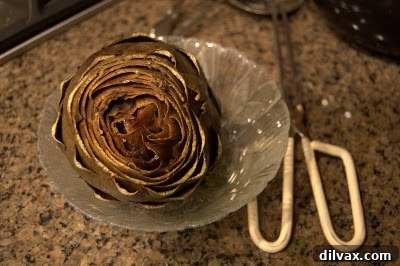
- Bake to Perfection: Place both tin foil bundles directly onto the center oven rack. Bake for approximately 1 hour, or until a sharp knife can be easily inserted into the base of the stem without resistance. Cooking time may vary slightly depending on the size of your artichokes.
- Serve and Enjoy: Carefully unwrap the baked artichokes (watch for escaping steam!). Serve immediately, ideally with a small bowl of melted butter for dipping each succulent leaf.
Mastering the Artichoke: Tips for the Best Experience
Choosing and Storing Fresh Artichokes:
The success of your baked artichokes starts at the market. Look for globe artichokes that feel heavy for their size, with tightly closed leaves that squeak when rubbed together. Avoid any with brown spots, wilting, or overly dry leaves, as these indicate age. Store fresh artichokes in the refrigerator in a plastic bag, ideally with a sprinkle of water, for up to a week.
How to Eat a Baked Artichoke:
Eating an artichoke is a delightful, interactive experience. Start by pulling off an outer leaf. Dip the fleshy, white base of the leaf into your melted butter (or preferred dip). Then, place the leaf in your mouth, bite down, and gently scrape the soft, edible “meat” from the bottom of the leaf using your lower teeth. Discard the fibrous remainder of the leaf. Continue this process, working your way inwards. As you get closer to the center, the leaves will become smaller and more tender. Eventually, you’ll reach the “choke.”
The Choke and the Heart:
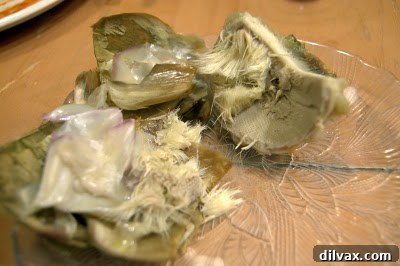
The “choke” is the fuzzy, inedible part that covers the prized artichoke heart. It’s crucial to remove this before eating the heart. Once you’ve peeled away all the edible leaves, you’ll be left with a fuzzy dome. Using a spoon or a knife, gently scrape away all the fuzzy hairs until the smooth, pale green artichoke heart is fully exposed. Discard the choke. The heart is the most tender and flavorful part of the artichoke, often described as having a nutty, slightly sweet taste. It can be eaten whole or cut into pieces.
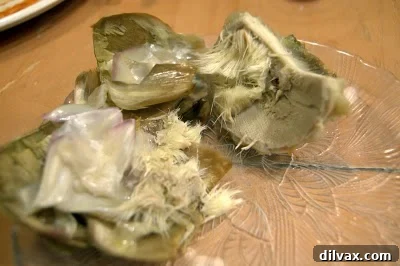 |
| While a bit blurry, this image clearly illustrates how the fuzzy hairs (the choke) are attached to the tender artichoke heart in the upper right section. |
Enhancing the Flavor:
While the basic recipe is delicious, there’s always room for personalization. Adding thinly sliced garlic as suggested earlier is a game-changer, infusing the artichoke with a warm, pungent aroma. Consider a sprinkle of red pepper flakes for a subtle kick, or a dusting of grated Parmesan cheese before wrapping for a cheesy crust. Fresh herbs like thyme or rosemary can also be tucked into the leaves for an aromatic boost. Don’t be afraid to experiment with your favorite spices!
Serving Suggestions:
Beyond melted butter, consider serving your baked artichokes with a variety of dipping sauces. A simple aioli (garlic mayonnaise), a tangy lemon-herb vinaigrette, or even a spicy sriracha mayo can elevate the experience. They make an excellent appetizer for a dinner party, a healthy and satisfying snack, or a unique side dish alongside grilled chicken or fish.
My Personal Culinary Reflection
On a scale of 1 to 4 rolling pins (with 4 being the highest rating for my baking endeavors), these particular baked artichokes earned a solid 2. My personal experience was a mixed bag. While the process of preparing them was engaging, I found the reward, at least for my palate, somewhat understated. I confess, after all that effort, I primarily tasted mouthfuls of butter, which overshadowed the delicate artichoke flavor I was hoping for. Perhaps I’m inclined towards instant gratification in the kitchen!
However, it’s important to note that my family absolutely loved them! They eagerly dipped each leaf in butter, finding the experience thoroughly enjoyable. This goes to show that taste is incredibly subjective, and what might not hit the mark for one person can be a resounding success for another. I do wonder, had I remembered to disperse those sliced garlic cloves throughout the leaves, if my rating would have been higher. That pungent addition might have provided the depth of flavor I felt was missing.
Despite my personal rating, the act of cooking fresh artichokes from start to finish was incredibly rewarding. It demystifies a seemingly complex vegetable and connects you more deeply with your food. For anyone looking to explore new flavors or simply enjoy a fresh, healthy ingredient, baking an artichoke is a worthwhile endeavor. Don’t let my personal preference deter you; the joy of discovery and the potential for a delicious outcome are well worth the effort.
Thank you for stopping by and taking the time to read about this culinary adventure today! I hope this detailed guide inspires you to try baking your own artichokes and discover their delightful potential. Happy cooking, and as always, I send you BIG baking hugs and muffins!