Savoring Tradition: A Journey to Crafting Classic Swedish Meatballs
After an unexpected hiatus, it’s an absolute delight to be back in the kitchen and sharing a recipe that brings warmth and comfort to any table. The brief interruption in our blogging journey truly highlighted how much I cherish this connection with you all – it’s more than just sharing recipes; it’s about sharing experiences, culinary adventures, and the simple joy of cooking. Missing a day of posting felt like a small eternity, but we’re back up and running, eager to dive into today’s flavorful creation: classic Swedish meatballs!
This dish, steeped in tradition and beloved by many, holds a special place in my heart, evoking thoughts of cozy family dinners and perhaps, a certain iconic furniture store. But before we get to that, let’s set the mood with a little lighthearted inspiration. When embarking on a culinary quest for Swedish meatballs, there’s one character who invariably comes to mind, bringing a smile to my face and a chuckle to my lips. It’s an essential part of the experience, almost like making brownies without enjoying the leftover batter – an unthinkable omission! So, without further ado, let’s embrace the spirit of fun:

Börk, börk, börk! The legendary Swedish Chef!
The Enduring Appeal of Homemade Swedish Meatballs
Swedish meatballs are more than just a meal; they are a culinary institution, a testament to simple yet profound flavors that have captivated palates worldwide. From bustling IKEA food courts to the intimate settings of Swedish homes, these savory spheres are synonymous with comfort food. The unique blend of warm spices, the tender texture, and the rich, creamy sauce combine to create a dish that is both hearty and delicately aromatic. It’s a dish that transcends seasons, perfect for a cozy winter evening or a comforting summer gathering.
Our particular journey into the world of Swedish meatballs begins with a time-honored source: the Fannie Farmer Cookbook Thirteenth Edition, specifically pages 171-172. Authored by the esteemed Marion Cunningham and published by Alfred A. Knopf, Inc., a division of Random House, Inc. (ISBN 0-394-56788-9), this cookbook provides a foundational recipe that promises authenticity. While the initial experience with this recipe had its learning moments, it serves as an excellent starting point for any home cook eager to master this classic.
Classic Swedish Meatballs: A Traditional Recipe
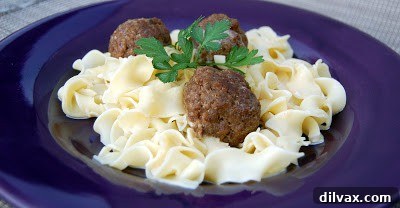
This recipe yields approximately 21 delightful meatballs, perfect for a family meal or entertaining guests. The blend of beef with subtle spices and a creamy finish makes for a truly comforting dish.
Ingredients:
- 1 lb. ground beef (preferably 80/20 for good flavor and moisture)
- 2 cups plain breadcrumbs
- 1 egg, lightly beaten
- 1 teaspoon sugar
- ½ teaspoon allspice
- ½ teaspoon freshly grated nutmeg (for superior flavor)
- ½ teaspoon salt
- ¼ teaspoon freshly ground black pepper
- 2 tablespoons shortening (or your preferred cooking oil/fat)
- 1 teaspoon beef bouillon granules mixed with ½ cup boiling water (to create beef broth)
- ½ cup heavy cream
Instructions:
- Preparation: Preheat your oven to 325ºF (160ºC). This ensures the meatballs will cook through evenly after browning.
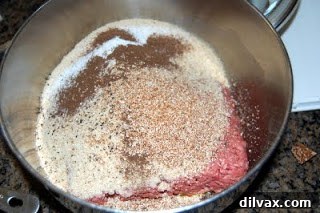
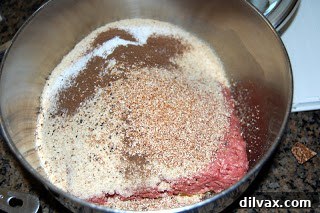
- Mixing the Meatball Base: In a large mixing bowl, gently combine the ground beef, plain breadcrumbs, lightly beaten egg, sugar, allspice, freshly grated nutmeg, salt, and freshly ground pepper. Be careful not to overmix, as this can lead to tough meatballs. Mix just until all ingredients are incorporated.
-
Forming the Meatballs: Shape the mixture into uniform 1½-inch meatballs. Aim for consistency in size to ensure even cooking.

-
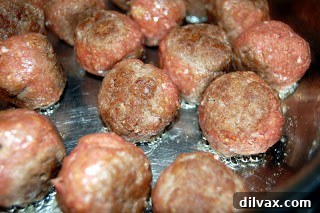
Browning: Melt the shortening in a large skillet over medium-high heat. Once hot, carefully add the meatballs in batches, being careful not to overcrowd the pan. Brown them on all sides until they develop a nice crust. This step is crucial for developing deep flavor.
-
First Bake: Transfer the browned meatballs to a shallow casserole dish. Pour the prepared beef broth over the meatballs.
- Cover and Bake: Cover the casserole dish tightly with a lid or aluminum foil and bake for 25 minutes. This steaming process helps the meatballs cook through and stay moist.
-
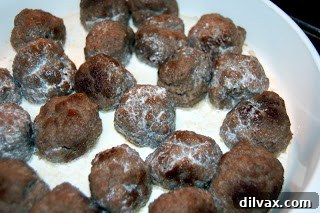
Finishing Touches: After 25 minutes, remove the cover. Add the heavy cream to the dish, stirring gently to combine with the broth. Return the dish to the oven, uncovered, and continue to cook for another 15 minutes. This allows the sauce to thicken slightly and the flavors to meld beautifully.
The IKEA Connection: A Benchmark for Meatball Excellence
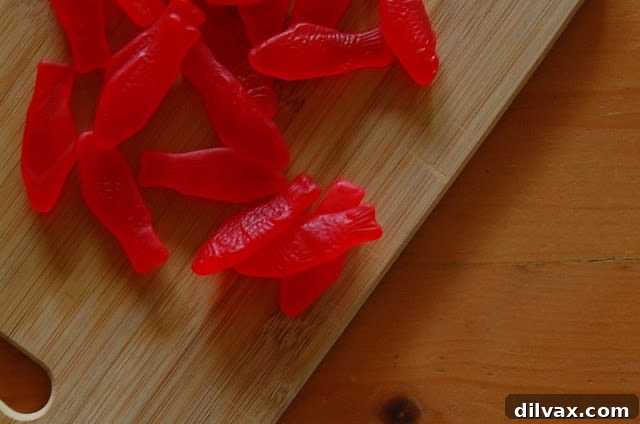
When one mentions Swedish meatballs, it’s almost impossible not to conjure images of IKEA. Their iconic meatballs, served with creamy mashed potatoes and tart lingonberry jam, have set a global standard for what many expect from this dish. The blend of savory, sweet, and tangy flavors is truly addictive, and it’s a rare trip to IKEA where I don’t indulge. And of course, no trip is complete without grabbing a bag of their beloved Swedish fish for the ride home – a little sweet treat that always brings a smile!
Family Feedback and Lessons Learned
Our recent homemade Swedish meatball dinner sparked an interesting conversation around the table. The goal, as always, was to create a dish that resonated with the familiar comfort of the IKEA version, or perhaps even surpassed it. Here’s how our family rated the experience:
“So, what do you think? How would you rate them?” I asked, eager for feedback.
My middle daughter, ever the honest critic, mused, “Eh. They’re a little dry, and they definitely need more sauce.” I concurred, noting my own adjustments to the recipe. The original Fannie Farmer recipe called for 1¼ lbs. of beef and 2½ cups of breadcrumbs. I had reduced the beef to 1 lb. and the breadcrumbs to 2 cups, yet I suspected even 1¾ cups of breadcrumbs would have been more ideal for moisture.
Our eldest daughter, who had just returned from her first year of college, joined us for her first homemade dinner in months. Her input was perhaps the most memorable: “The spices remind me of Christmas. They’re meat cookies!” she declared with a laugh. My initial reaction was a mix of amusement and slight horror. “Meat cookies?” The words simply don’t align with my culinary vocabulary, especially for a blog often focused on baking and delicious sweets. It conjured images of “meatloaf,” a dish I confess does not ignite my appetite. Rest assured, you won’t be seeing any ‘meat cookies’ or ‘meat loaves’ here!
Ultimately, I was a bit disappointed that these meatballs didn’t quite capture the distinct flavor profile of the IKEA version I adore. The primary issue, as both my daughter and I observed, was dryness, which I attribute to using perhaps a quarter cup too much breadcrumbs. This, coupled with a surprisingly modest amount of liquid specified in the recipe – only ½ cup each of broth and cream – meant the meatballs lacked the lush, abundant sauce that is a hallmark of truly great Swedish meatballs.
On my personal rating scale of 1-4 rolling pins (with 4 being the highest), these Swedish meatballs earned a solid 2 rolling pins. For context, those delightful Swedish fish always score a perfect 4!
Tips for Elevating Your Homemade Swedish Meatballs
Based on this culinary experiment, here are some actionable tips to ensure your homemade Swedish meatballs reach their full potential, aiming for that perfect balance of moisture, flavor, and sauciness:
- Manage Breadcrumbs Wisely: The type and amount of breadcrumbs significantly impact moisture. If using plain dry breadcrumbs, consider soaking them briefly in a little milk before adding to the meat mixture. This can help prevent dryness. Start with a slightly lesser amount and adjust as needed to achieve a tender, not dense, consistency. For 1 lb. of ground beef, 1½ to 1¾ cups of breadcrumbs might be a better starting point.
- Don’t Overmix: Overworking the meat mixture can lead to tough meatballs. Mix just until ingredients are combined.
- Amplify the Sauce: The original recipe’s ½ cup each of broth and cream is simply not enough for a truly luscious sauce. I recommend at least doubling the liquid, aiming for 1 to 1½ cups of beef broth and 1 cup of heavy cream. To achieve a thicker sauce, you can create a roux (equal parts butter and flour) in the skillet after browning the meatballs, then gradually whisk in the broth and cream before adding the meatballs back.
- Enhance Flavor Depth: Don’t shy away from freshly grated nutmeg and a good quality allspice. A pinch of ground cloves can also add a subtle layer of complexity. For an extra touch of richness, a small amount of finely minced onion or shallot, sautéed until translucent, can be added to the meat mixture.
- Serving Suggestions: Traditional accompaniments are key. Serve your homemade Swedish meatballs with creamy mashed potatoes, providing a perfect base for the rich sauce. A side of tart lingonberry jam is essential for that signature sweet and savory contrast. Pickled cucumbers (pressgurka) also offer a refreshing counterpoint. For a hearty meal, consider serving them over egg noodles.
A Culinary Journey Worth Taking
Every recipe, whether a triumph or a learning experience, contributes to our growth as home cooks. While this particular rendition of Swedish meatballs sparked some lively debate and highlighted areas for adjustment, it was a valuable journey. The joy of cooking for family, experimenting with classic dishes, and embracing the inevitable “meat cookie” moments are what make culinary endeavors so rewarding.
I encourage you to try this recipe, perhaps incorporating some of the suggested adjustments, and embark on your own Swedish meatball adventure. Share your experiences, your successes, and your own family’s quirky feedback. Because in the end, the best recipes are those we make our own, filled with love, laughter, and a generous helping of deliciousness. Happy cooking!