Overcoming Baker’s Block: A Culinary Journey of Improvisation and Learning
Every home cook has experienced it: that moment of staring blankly into the pantry or refrigerator, a profound lack of inspiration settling in, despite a genuine desire to create something delicious. This frustrating phenomenon is often dubbed “Baker’s Block” or “Chef’s Block,” and it hit me hard recently. The evening was drawing in, and the undeniable truth was that dinner needed to be baked. Not just any baked dinner, mind you, but something comforting, hearty, and distinctively non-chicken. Our palates, much like a well-traveled ship, had sailed far too many chicken-filled seas lately, and it was time for a temporary hiatus from poultry. The chicken boat, for now, had indeed set sail.
The challenge was compounded by my absolute aversion to making a trip to the grocery store. The thought of navigating aisles, searching for elusive ingredients, felt like an insurmountable task in my current state of culinary inertia. Moreover, I didn’t even know what those necessary ingredients might be, as my mind was a complete blank slate regarding potential dishes. Ordering takeout was a tempting thought, especially after a long day, but we had indulged in that luxury just the night before. Plus, the objective was specifically to bake something, a hands-on culinary endeavor, not a passive consumer experience. So there I was, settled on the couch, watching the Patriots battle the Chargers, scrolling through countless online recipes and food blogs, feeling utterly stuck and silently pleading for a flash of inspiration.
The Spark of Improvisation: From Empanadas to Casserole Creation
As is often the case, clarity struck when I least expected it. A quick mental inventory of my pantry and fridge revealed a few unassuming heroes: a pound of ground beef, a solitary sweet potato, and a generous bunch of leaf spinach. Individually, they seemed simple, perhaps even disparate, but together, a vague idea began to form. I recalled seeing a recipe for beef and sweet potato empanadas – a delightful concept combining savory beef with the subtle sweetness of potato, all encased in a flaky pastry. However, the crucial hurdle was time. Most empanada doughs require a significant resting period in the refrigerator, a luxury I simply did not have if dinner was to be on the table before midnight.
This time constraint forced a pivot, a creative adaptation born out of necessity. If I couldn’t make empanadas with the traditional dough, why not deconstruct the concept and reassemble it into a hearty casserole? The core flavors of ground beef and sweet potato could still shine, complemented by the freshness of spinach, all baked together under a comforting topping. The idea of a casserole offered a simpler, quicker approach, bypassing the intricate pastry work for something more rustic yet equally satisfying. The excitement of improvisation felt liberating, transforming a moment of “baker’s block” into an opportunity for culinary invention. And thus, the Beef and Sweet Potato Casserole was conceived, promising a hearty, home-baked solution to my dinner dilemma.
Hearty Ground Beef and Sweet Potato Casserole: A Recipe in Progress
This recipe, initially designed to serve four hungry individuals, was born from a desire for warmth and substance, utilizing readily available ingredients. While the core filling proved to be a good starting point, the journey to a truly satisfying dish also involved a significant learning curve, particularly regarding the topping. Here’s how I approached it, including both the successful components and the areas for improvement.
Ingredients for the Savory Beef and Sweet Potato Base:
- 1 tablespoon olive oil
- 1 medium onion, finely chopped
- 1 clove garlic, minced (or 1/2 teaspoon garlic powder for convenience and milder flavor)
- 1 lb. lean ground beef (preferably 80/20 for good flavor without excessive grease)
- 1 teaspoon salt (adjust to taste, keeping in mind the saltiness of any added broth later)
- 1/4 teaspoon black pepper, freshly ground for best flavor
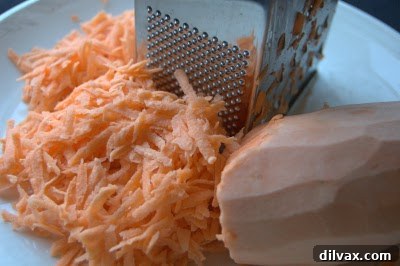
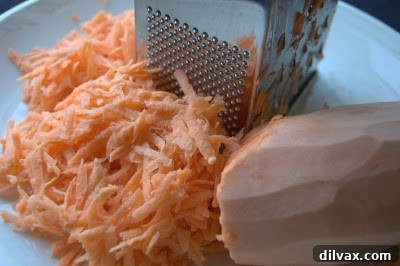
- 1 large sweet potato, peeled and grated (approximately 2 cups, providing natural sweetness)
- 2 1/2 cups fresh leaf spinach, roughly chopped (adds a touch of earthiness and nutrients)
The Ambiguous Biscuit Topping (Proceed with Extreme Caution!):
A note of extreme importance and caution: The following ingredients for the biscuit topping represent my initial, misguided attempt, which resulted in a regrettable culinary failure. While I believe in sharing the full culinary journey, including its missteps, I emphatically recommend seeking a proven, reliable biscuit recipe for this component. The proportions and method I used here did not yield the desired results and, frankly, led to significant disappointment. Consider this a cautionary tale rather than a recommendation. For a truly successful casserole, a golden, flaky, and fluffy biscuit topping is paramount. I urge you to consult trusted culinary resources, well-reviewed cookbooks, or established food blogs for a biscuit recipe that explicitly promises light and tender results. Look for recipes that emphasize cold fats (butter or shortening), minimal handling, and proper leavening agents. Alternatively, consider a savory scone topping, a cheddar biscuit, or even a simple drop biscuit recipe for ease.
- 4 cups all-purpose flour
- 1 teaspoon dried rosemary, crushed (for aromatic depth)
- 1/2 teaspoon salt
- 1/4 teaspoon freshly ground black pepper
- 3 tablespoons shortening, chilled
- 2 1/2 cups milk (preferably whole milk or buttermilk for better texture)
Step-by-Step Preparation for the Casserole:
- Preheat Oven & Prepare Dish: Begin by preheating your oven to a robust 450ºF (232ºC). Lightly grease an 8 X 8-inch baking dish with cooking spray or a thin layer of butter to prevent sticking and ensure easy serving.
- Sauté Aromatics: In a large, deep skillet or Dutch oven, heat the olive oil over medium-high heat. Add the chopped onion and minced garlic, sautéing gently until they soften and become fragrant, typically about 5 minutes. Be careful not to burn the garlic, as it can turn bitter.
- Brown the Beef: Add the ground beef to the skillet, breaking it up with a spoon as it cooks. Continue cooking until the beef is thoroughly browned and no pink remains. Once cooked, it is crucial to drain any excess fat from the skillet to prevent the casserole from becoming greasy or heavy.
- Incorporate Sweet Potato: Stir in the grated sweet potato with the browned beef mixture. Reduce the heat to medium and cook for approximately 10 minutes, stirring frequently. This allows the sweet potato to soften slightly and meld its natural sweetness and earthy flavors with the beef and aromatics.
- Wilt the Spinach: Finally, add the fresh leaf spinach to the skillet. Cook just until the spinach wilts down, which usually takes only a couple of minutes. Season the mixture generously with salt and pepper to taste, ensuring a well-balanced base.
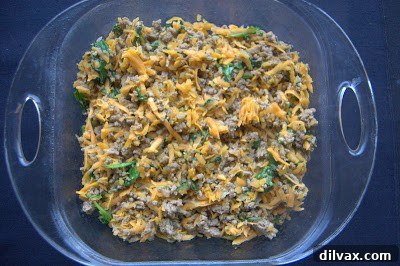
- Assemble the Base: Transfer the entire beef, sweet potato, and spinach mixture evenly into your prepared 8 X 8-inch baking dish. Gently spread it out to form a uniform layer. Set aside while you prepare the topping.
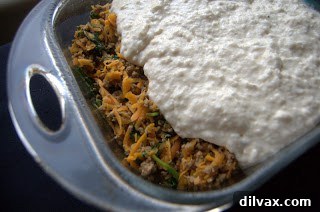
- Prepare the (Flawed) Biscuit Topping: Now, for the part I strongly advise you to modify with a better recipe. In a medium bowl, combine the flour, rosemary, salt, and pepper. Using a pastry cutter or your fingertips, incorporate the chilled shortening into the flour mixture until it resembles coarse crumbs or a mealy texture. Gradually mix in the milk until just combined, being careful not to overmix, as this can lead to tough biscuits.
- Apply Topping: Gently spoon or drop your biscuit mixture (or, ideally, your chosen superior topping from a trusted recipe) over the beef and sweet potato base in the baking dish, spreading it as evenly as possible to cover the entire surface.
- Bake to Golden Perfection (Hopefully): Place the assembled casserole in the preheated 450ºF (232ºC) oven. Bake for approximately 15 minutes, or until your biscuit topping is beautifully golden brown on top and cooked through. Keep an eye on it to prevent burning.
The Unvarnished Truth: A Learning Experience and Culinary Critique
With eager anticipation, I watched the casserole bake, hoping for a delightful transformation. What emerged, however, was far from the vision of a perfectly baked, golden-brown biscuit topping. I don’t even have a photograph of the “finished product,” and for good reason: the biscuit mixture was an unmitigated disaster. Instead of rising into light, fluffy biscuits, it remained stubbornly goopy and grossly undercooked on the inside, despite the exterior showing some signs of browning. Sampling a small piece confirmed my fears; it didn’t taste like a biscuit at all. My attempt to find a quick, specific recipe online after failing to locate a suitable one in my cookbooks had backfired spectacularly.
The disappointment was profound. I ended up scraping the entire, unappetizing topping into the garbage, and regrettably, a good portion of the beef and sweet potato mixture went with it. While I did capture a photo of the culinary carnage, it was so unappetizing that I decided against sharing it, sparing everyone the visual trauma. On my personal rating scale of 1-4 rolling pins for everything I bake, this Beef and Sweet Potato Casserole, in its original form, sadly earned a dismal 1 1/2 rolling pins.
Even if I were to find a truly fantastic, reliable biscuit recipe that yielded perfect results, I must confess, I wouldn’t be inclined to make this particular casserole again. The fundamental flavor profile of the base, despite the satisfactory sweet potato and spinach, left something to be desired. The plain ground beef, without any binding sauce or rich gravy, felt somewhat lackluster and disconnected from the other elements. It lacked that cohesive, comforting quality I seek in a casserole. Perhaps a well-seasoned gravy, some rich tomato paste, a dash of Worcestershire sauce, or even a splash of red wine could have truly elevated the beef, transforming it from merely “plain” to wonderfully palatable and integrated.
Needless to say, after an adventurous but ultimately unsatisfying dinner, our household was left feeling a little hungry. The evening concluded with an unplanned foraging mission through the pantry and fridge, searching for supplementary sustenance to quell our cravings. This experience served as a potent reminder of the delicate balance between culinary ambition and practical execution, and the crucial importance of tested recipes, especially for foundational components like a casserole topping.
Lessons from the Kitchen: Embracing Imperfection and Culinary Growth
While this particular casserole didn’t achieve culinary greatness, it was far from a complete failure; it was a profound learning experience. It underscored the importance of not only having quality ingredients but also using reliable recipes, especially when improvising or venturing into unfamiliar territory. The “Baker’s Block” might have initiated the journey, but the journey itself provided invaluable insights into what works and, more importantly, what doesn’t.
For those inspired to try a similar ground beef and sweet potato casserole, I offer these constructive takeaways: prioritize a proven and reliable topping (whether it’s a stellar biscuit recipe, a creamy mashed potato layer, a crispy savory crumble, or even a simple puff pastry). And critically, consider enriching the ground beef base with additional seasonings, a touch of broth, diced tomatoes, or a simple savory gravy to enhance its depth of flavor and ensure it truly complements the sweet potato and spinach. Culinary adventures, even the ones that don’t quite hit the mark, are often the most memorable and contribute significantly to our growth as home cooks. Here’s to many more baking hugs and, hopefully, perfectly risen muffins in the future!