Welcome to a delightful culinary journey where we transform a classic into an individual treat: Individual Corn Puddings. This recipe, inspired by the esteemed Martha Stewart Living Cookbook, page 340, promises to bring a touch of comforting elegance to your dining table. Whether you’re planning a family meal, a holiday feast, or simply craving a savory side dish, these corn puddings offer a creamy texture and a burst of sweet corn flavor that’s hard to resist.
Originally designed to serve eight, we’ve thoughtfully halved the recipe to perfectly cater to four, ensuring less waste and just the right amount of indulgence for a smaller gathering. Our goal is to guide you through crafting these delectable puddings with clarity, simplicity, and expert tips to ensure your baking success. Prepare to discover a new favorite side that beautifully complements any main course, from a roasted chicken to a holiday ham.
The Irresistible Charm of Individual Corn Puddings
Corn puddings have long been cherished for their unique blend of textures and flavors. They offer a comforting creaminess that melts in your mouth, often contrasted with the gentle pop of corn kernels. What makes individual corn puddings particularly special is their presentation; each serving is a perfectly portioned, golden-brown delight, making them an elegant addition to any meal. This recipe, hailing from the renowned Martha Stewart, emphasizes quality ingredients and a straightforward method, ensuring even novice bakers can achieve impressive results.
Beyond their aesthetic appeal, these puddings are incredibly versatile. They can lean subtly sweet or distinctly savory, depending on the chosen seasonings and accompaniments. They make an excellent accompaniment to a Sunday roast, a Thanksgiving spread, or even a simple weeknight dinner, adding a touch of homemade warmth and sophistication.
Recipe Source & Adaptation
This recipe is an adapted version from The Martha Stewart Living Cookbook, page 340, by Martha Stewart, published by Clarkson Potter/Publishers, an imprint of The Crown Publishing Group, a division of Random House, Inc. (ISBN 978-0-307-39382-1). Recognizing that not every occasion calls for a large batch, we’ve thoughtfully scaled down the original recipe to serve four, making it ideal for smaller households or intimate gatherings without compromising on flavor or quality.
Individual Corn Puddings – Serves 4
Estimated Time
- Prep time: 15 minutes
- Cook time: 50-55 minutes
Ingredients:
Crafting these exquisite individual corn puddings requires a handful of common ingredients, each playing a crucial role in developing their signature taste and texture. Opting for quality components will elevate the final dish significantly.
- 2 1/2 tablespoons unsalted butter: Unsalted butter allows you to control the overall saltiness of the dish, while also providing a rich flavor base.
- 1 tablespoon all-purpose flour: Essential for creating a slight thickening, which helps give the pudding its custard-like consistency.
- 1 cup canned or frozen corn or 2 ears fresh with kernels shaved from the cob: The choice of corn significantly impacts flavor and texture. While canned is convenient, fresh or frozen corn often yields a brighter, sweeter taste. (The original adaptation used canned for convenience.)
- 1 large egg, separated: Separating the egg is key; the yolk adds richness and binding, while the whisked white provides lightness and helps the pudding rise.
- 1/2 cup + 6 tablespoons milk: Whole milk is recommended for the creamiest texture, contributing to the pudding’s luxurious mouthfeel.
- 1/2 teaspoon salt: To balance the sweetness of the corn and enhance all the other flavors.
- 1/8 teaspoon freshly ground black pepper: Adds a subtle warmth and a gentle bite.
- Pinch of ground nutmeg: A classic spice that complements the sweetness of corn and the richness of dairy, adding aromatic depth.
- Pinch of cayenne pepper: This optional ingredient introduces a whisper of heat, creating a delightful contrast without overpowering the dish.
Equipment Needed:
Before you begin, gather these essential kitchen tools to ensure a smooth and enjoyable baking process:
- Four 6-ounce ramekins
- Small saucepan
- Whisk(s)
- Mixing bowls (at least two: one large, one small)
- 9 x 13-inch baking dish (for the water bath)
- Kettle for boiling water
Step-by-Step Culinary Journey: Crafting Your Corn Puddings
Embark on the journey of creating these individual corn puddings with confidence. Each step is designed to build flavor and achieve the perfect texture, culminating in a truly satisfying dish.
1. Prepare Your Baking Environment
Begin by preheating your oven to 325°F (160°C). This ensures the oven is at a consistent temperature when the puddings go in, which is crucial for even baking. Next, take 1/2 tablespoon of the unsalted butter and generously butter the interiors of your four 6-ounce ramekins. This critical step prevents sticking and helps the puddings release easily once baked. Set the prepared ramekins aside.
2. Create the Flavorful Base
In a small saucepan, melt the remaining 2 tablespoons of unsalted butter over medium heat. Once melted, whisk in the all-purpose flour. Continue whisking for about 1 minute, creating a light roux. This mixture will serve as a foundational thickener, contributing to the puddings’ creamy consistency. Remove from heat and set aside briefly to cool.
3. Combine the Core Ingredients
In a large mixing bowl, combine the corn (whether canned, frozen, or fresh), the egg yolk, milk, salt, black pepper, ground nutmeg, and cayenne pepper. Whisk these ingredients together until they are thoroughly combined and the mixture is uniform. Then, add the slightly cooled melted butter and flour mixture (the roux) to the corn mixture. Whisk vigorously until everything is well incorporated, ensuring no lumps remain.
4. Incorporate the Egg Whites for Lightness
In a separate, small, clean bowl, whisk the reserved egg white until soft peaks form. This means the peaks will hold their shape but still be slightly pliable. The whipped egg white is key to giving the corn puddings their airy, light texture and helping them puff up beautifully. Gently fold the whisked egg white into the corn mixture using a spatula. Be careful not to deflate the egg white too much; the goal is to incorporate it with as much air as possible to maintain lightness.
5. Prepare for the Water Bath
Bring a full kettle of water to a boil. This boiling water will be used for the water bath (bain-marie), an essential technique for baking custards and puddings evenly and gently.
6. Fill the Ramekins and Set Up the Water Bath
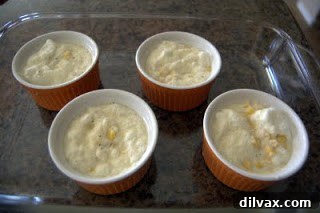
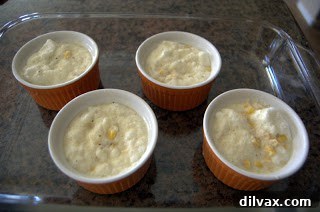
Carefully ladle the corn mixture evenly into each of the four buttered ramekins. Make sure to leave about 3/4 of an inch from the top of each ramekin. This space is vital to allow the puddings to rise during baking without overflowing. Place the filled ramekins into a larger 9 x 13-inch baking dish. Carefully place the baking dish, with the ramekins inside, into the preheated oven. Once in the oven, carefully pour the boiling water from the kettle into the baking dish, ensuring the water level comes halfway up the sides of the ramekins. This water bath creates a moist, consistent heat environment, preventing the puddings from drying out or cracking.
7. Bake to Golden Perfection
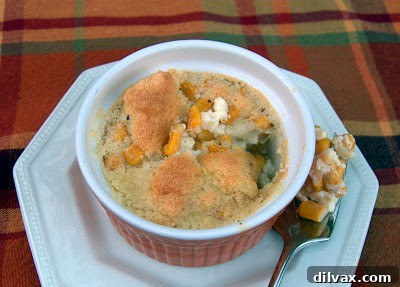
Bake the individual corn puddings for approximately 50-55 minutes, or until they are beautifully puffed up and golden brown on top. The center should be set, with a slight jiggle. Once baked, carefully remove the baking dish from the oven. Using oven mitts, carefully lift the ramekins out of the hot water bath and place them on a wire rack to cool slightly before serving. Be mindful that the dishes will be extremely hot.
Tips for Success and Creative Variations
Achieving the perfect corn pudding is an art, but with a few tips and tricks, you can elevate your baking and even experiment with delightful variations.
Choosing Your Corn: Fresh, Frozen, or Canned?
The choice of corn can significantly impact your pudding’s flavor and texture. While the original adaptation used canned corn for convenience, fresh or frozen corn is often recommended for its superior sweetness and vibrant texture. If opting for fresh corn, aim for two ears, and carefully shave the kernels off the cob. For frozen corn, there’s no need to thaw it beforehand; simply add it directly to the mixture. If using canned, be sure to drain it thoroughly to prevent excess moisture in your pudding. The inherent sweetness of fresh corn truly shines through in this dish, making it a highly recommended upgrade.
Troubleshooting Common Issues
- Puddings Not Rising: This is a common concern. One frequent culprit is opening the oven door too early or too often during baking, causing a sudden drop in temperature. Just like soufflés, corn puddings are sensitive to temperature fluctuations. Ensure your oven is consistently preheated, and resist the urge to peek until at least two-thirds of the baking time has passed. Overmixing the egg whites can also reduce their leavening power.
- Uneven Baking: A water bath is your best friend here. It provides gentle, even heat, preventing the edges from overcooking before the center is done. Ensure the water level remains consistent throughout baking.
- Sticky Puddings: Generously buttering your ramekins is crucial. You might also dust them lightly with flour after buttering for extra insurance against sticking.
Creative Variations to Explore
Don’t hesitate to personalize your corn puddings:
- Cheesy Delight: For a savory twist, fold in 1/4 cup of shredded sharp cheddar or Gruyère cheese with the corn mixture. The cheese adds a wonderful depth and umami flavor.
- Herbal Infusion: Fresh herbs like chopped chives, parsley, or a hint of thyme can brighten the flavor profile. Add them along with the corn and milk.
- Spicy Kick: If you enjoy a bit more heat, increase the amount of cayenne pepper or add a tablespoon of finely diced jalapeño (seeds removed for less heat) to the corn mixture.
- Sweet & Savory: For a pudding that leans slightly sweeter, a touch of maple syrup or honey can be added to the liquid mixture, complementing the natural sweetness of the corn.
A Personal Culinary Reflection
Admittedly, I’ve never been a big fan of corn, especially the canned variety. My earliest memories of canned corn date back to my first year of marriage when my culinary skills were still developing, and convenience often won out. I much prefer the crisp sweetness of fresh corn on the cob or the reliability of frozen corn. For this particular recipe, I found myself using canned corn simply because a trip to the grocery store wasn’t on the agenda, and it was readily available. While it served its purpose, I believe the puddings would truly sing with the vibrant flavor of fresh corn.
During the baking process, I encountered a minor setback: my puddings didn’t rise as beautifully as anticipated. I’m quite certain this was due to my impatient retrieval of last night’s cheesy garlic pull-apart bread, which I was warming up, necessitating an early oven door opening. This taught me a valuable lesson about the importance of consistent oven temperature, especially for delicate dishes like puddings and custards.
On my personal rating scale of 1-4, with 4 being the absolute best, these corn puddings earned a respectable 2 rolling pins. They were… “eh.” While not a disappointment, they didn’t quite reach the level of a recipe I’d rush to make again with canned corn. However, I wholeheartedly believe that these puddings would be much better, perhaps even a 3 or 4, if made with fresh corn kernels. The natural sweetness and superior texture of fresh corn would undoubtedly elevate this dish from simply good to truly outstanding. This experience has only reinforced my conviction that ingredient quality can make all the difference.
Conclusion
Individual Corn Puddings offer a delightful combination of comfort and elegance, making them a superb choice for any meal. While my initial attempt presented a few learning opportunities, the core recipe from Martha Stewart is undoubtedly a solid foundation. With the insights shared regarding corn selection, baking tips, and creative variations, you are now equipped to create these lovely puddings with confidence and customize them to your taste. Embrace the journey of home baking, experiment with fresh ingredients, and enjoy the delicious results.
I leave you with a BIG baking hug!!
Happy Baking!