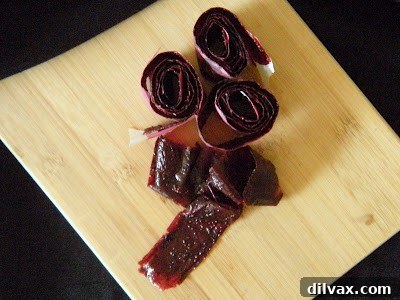
Homemade Fruit Roll-Ups: A Journey from Nostalgia to Healthy Snacking
There’s an undeniable allure to chewy candies and snacks, a delightful texture that transports many of us back to simpler times. For me, that soft, yielding bite of confections like Bit-O-Honey, Milk Duds, and classic caramels holds a special place. And then there’s saltwater taffy – oh, the dream of one day mastering the art of making that delightful treat from scratch! I vividly recall a cherished childhood memory: the joyful experience of making mint taffy with my mom. The process of pulling the warm, pliable mixture was not just fun; the resulting candy was absolutely delicious. This fascination with chewiness extended into my adult years, particularly with the advent of fruit snacks. While I’m well aware that many commercial fruit snacks are often more sugar and high-fructose corn syrup than actual fruit, the sheer enjoyment they bring often outweighs that knowledge. It’s truly the inner child in me delighting in those sweet, chewy bites.
The Dilemma of the Unused Kitchen Gadget: Dehydrators vs. Ovens
Many of us have that one kitchen appliance, purchased with the best intentions, now relegated to a forgotten corner of the pantry or closet. In my household, that appliance is a food dehydrator. My husband, Mr. 365, bought it probably over a year ago, brimming with enthusiasm for healthy, homemade snacks. The day it arrived, I was incredibly excited. I pulled it from its box, examined its various trays, and even took out the manual, envisioning endless batches of vibrant, homemade fruit leather. That manual still sits on my nightstand, a silent testament to good intentions. The dehydrator itself, however, is back in its box, tucked away in our bedroom closet, buried under a collection of clothes destined for donation and toiletries that simply wouldn’t fit under the bathroom sink. It’s a classic tale of a promising investment becoming yet another casualty of neglect in the busy 365 home, patiently awaiting its resurrection.
Initially, my primary motivation for acquiring the dehydrator was to create perfect fruit leather. But then, as often happens, life intervened, and my focus shifted towards a baking extravaganza that consumed my free time. The dehydrator remained dormant. However, the desire for wholesome, chewy fruit snacks never faded. I knew that while a food dehydrator is an excellent tool for making fruit leather, not everyone has one. Accessibility and practicality are key when sharing recipes. Therefore, to ensure this delightful treat could be made by anyone with a standard kitchen oven, I decided to adapt a recipe using the oven method. I found wonderful inspiration on Kym’s blog, Free Spirit Eater, and made a few minor adjustments to the fruit quantities based on what I had available – slightly more strawberries than blueberries, for instance. This approach ensures that homemade fruit roll-ups are within reach for all.
Why Make Your Own Fruit Roll-Ups? The Unbeatable Benefits of Homemade Snacks
In a world overflowing with processed snacks, the appeal of homemade fruit roll-ups goes far beyond just satisfying a craving for something chewy and sweet. Making your own offers a multitude of benefits, making it a truly rewarding endeavor for both you and your family.
Firstly, and perhaps most importantly, is the incredible control you gain over the ingredients. Store-bought fruit snacks are often laden with artificial colors, synthetic flavors, preservatives, and a host of chemicals that are difficult to pronounce, let alone understand. Many also contain high-fructose corn syrup, a sweetener linked to various health concerns. With homemade fruit leather, you dictate what goes in: pure, natural fruit, a touch of water or juice, and a squeeze of lemon. You eliminate all the undesirable additives, ensuring a snack that is genuinely wholesome and natural. This transparency provides immense peace of mind, especially for parents concerned about their children’s nutrition.
Beyond health benefits, homemade fruit roll-ups are surprisingly cost-effective. While the initial outlay for fresh fruit might seem comparable to a box of commercial snacks, the yield from a single batch of homemade fruit leather is often substantial. Furthermore, you can take advantage of seasonal fruit sales, using ripe, flavorful produce at its peak freshness and lowest price. This makes it an economical choice for regular snacking.
Lastly, the versatility and customization options are endless. While this recipe focuses on strawberry, blueberry, and pomegranate, you are limited only by your imagination and the fruits available. Want a tropical twist? Try mango and pineapple. Prefer something classic? Apple or pear bases work wonderfully. You can adjust the sweetness, experiment with spices like cinnamon or nutmeg, or even incorporate vegetables like spinach for an extra nutrient boost (don’t worry, the fruit flavor usually masks it!). This creative freedom makes snack time exciting and nutritious. Homemade fruit roll-ups are also an excellent way to use up overripe fruit that might otherwise go to waste, turning it into a delicious, long-lasting treat.
Strawberry, Blueberry and Pomegranate Fruit Roll-Ups – Oven Method
This recipe yields approximately 8 servings of delicious, chewy fruit roll-ups, perfect for a healthy snack or a lunchbox treat. It’s a fantastic alternative to store-bought varieties, offering pure fruit goodness without any artificial additives.
Ingredients:
- 2 1/2 cups fresh strawberries, hulled and chopped
- 1 1/2 cups fresh blueberries
- 1 cup water
- 1 cup natural pomegranate juice (unsweetened preferred)
- 1/2 lemon, freshly squeezed
Equipment You’ll Need:
- Medium saucepan
- Rimmed baking sheet
- Parchment paper or silicone baking mat (highly recommended over saran wrap for oven use)
- Rubber spatula or offset spatula
- Hand blender or standing blender
Step-by-Step Instructions:
1. Prepare Your Baking Sheet: Begin by preparing a large, rimmed baking sheet. Line it carefully with either parchment paper or a silicone baking mat. While some recipes suggest saran wrap, parchment paper is generally safer and more reliable for oven use, preventing any potential melting or sticking. Ensure the parchment paper extends slightly beyond the edges of the pan if possible, to make handling easier later.
2. Preheat Your Oven: Set your oven to the lowest possible temperature, typically around 170 degrees F (approximately 75 degrees C). The goal here is to dehydrate the fruit mixture slowly, not to bake it, so a very low, consistent heat is crucial for success.
3. Combine and Cook the Fruit Base: In a medium-sized saucepan, combine your chopped strawberries, blueberries, pomegranate juice, and water. Place the saucepan over high heat. Bring the mixture to a boil, then reduce the heat slightly to maintain a vigorous simmer. Allow the fruit to cook for about 10-15 minutes. During this time, use a potato masher or the back of a spoon to gently mash the fruit as it softens. Mashing helps release the fruit’s natural sugars and juices, facilitating the thickening process and creating a smoother puree later on.
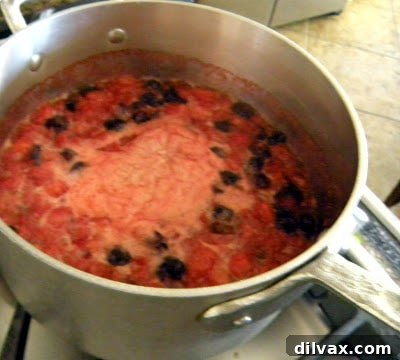
4. Reduce to a Thick Syrup: After the initial cooking, reduce the heat to medium-low. Continue to cook the mixture for another 10-15 minutes, stirring frequently. The goal is for the mixture to thicken significantly, resembling a jam-like syrup. Be extremely vigilant during this stage; fruit sugars can burn quickly if left unattended or cooked at too high a heat. A slight caramelization is fine, but you don’t want a burnt taste. The mixture should cling to the back of a spoon.
5. Add Lemon Juice and Puree: Once the fruit mixture has reached the desired thick consistency, remove the saucepan from the heat. Stir in the freshly squeezed lemon juice. The lemon juice not only adds a bright, fresh note that balances the sweetness but also helps preserve the vibrant color of the fruit. Now, using a hand blender, carefully puree the mixture directly in the saucepan until it is completely smooth. If you’re using a standing blender, exercise extreme caution when blending hot contents. Hot liquids create steam, which can build pressure inside a sealed blender and potentially blow the lid off, resulting in a very messy and potentially dangerous kitchen disaster. Always fill the blender only halfway, vent the lid, and cover with a kitchen towel to avoid splatters. Trust me, you don’t want the cleanup aftermath!
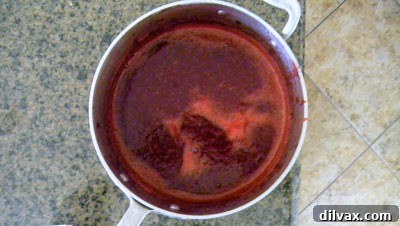
6. Spread Evenly on Baking Sheet: Pour the smooth fruit puree onto your prepared baking sheet. Using a rubber spatula or an offset spatula, carefully spread the mixture out evenly across the parchment paper. Aim for a thickness of approximately 1/8-inch. Consistency is key here; if some areas are thicker than others, they will take significantly longer to dry, leading to unevenly done fruit leather. Also, ensure that no parchment paper or silicone mat accidentally folds over or covers any part of the fruit mixture, as this will prevent that section from drying properly.
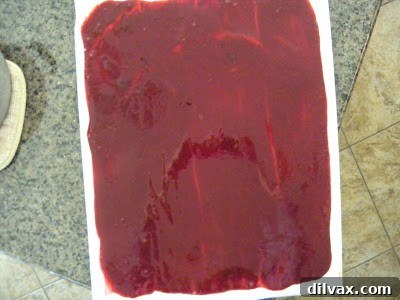
7. Bake and Dry: Carefully transfer the baking sheet to your preheated oven. Bake (or rather, dry) for 5-6 hours. The exact time will depend on your oven, the humidity in your kitchen, and the thickness of your fruit puree. The fruit leather is ready when it feels dry to the touch, is no longer sticky, and you can gently peel it from the parchment paper without it tearing or leaving wet spots. A good test, as I often do, is to lightly press your finger into the middle – if it leaves an impression but doesn’t feel wet or gooey, it’s likely done. It should have a leathery, pliable texture.
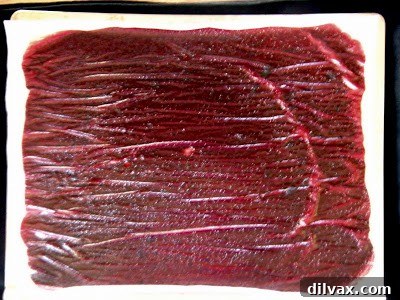
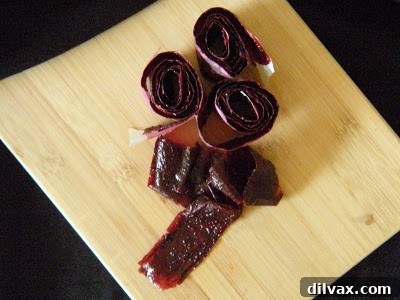
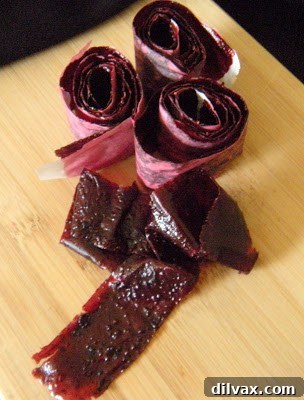
8. Cut and Store: Once the fruit leather has completely cooled, it’s time to cut it into your desired “roll-up” shapes. You can use kitchen shears or a pizza cutter to cut the large sheet into strips, typically 1 1/2 to 2 inches thick. For easier rolling, you can leave the fruit leather on the parchment paper and cut both simultaneously. Then, simply roll each strip, paper and all, and store them in a tightly covered, airtight container in a cool, dry place. Stored properly, these homemade fruit roll-ups can last for several weeks, though they are usually devoured much sooner!
My Take: A Personal Review and Flavor Reflections
As with all my culinary adventures, I rate everything I bake or create on a scale of 1-4, with 4 being the absolute pinnacle of deliciousness. These Strawberry, Blueberry, and Pomegranate Fruit Roll-Ups earned a solid 2 1/2 rolling pins. While they weren’t the most mind-blowingly delicious thing I’ve ever made, they were definitely “okay,” and more importantly, they offered a profoundly healthier alternative to their store-bought counterparts. The real win here is knowing precisely what goes into them – no artificial colors, no synthetic flavors, no weird preservatives, no unpronounceable chemicals, and absolutely no high-fructose corn syrup. That transparency and purity are invaluable.
However, my personal palate found the pomegranate to be significantly too tart for my liking. It delivered an intense, almost eye-watering sourness that reminded me a bit too much of those Sour Patch Kids candies – great for some, but not quite what I was aiming for in a wholesome fruit roll-up. While pomegranates are packed with healthy antioxidants, and I generally love them, their intense tartness simply didn’t translate well into my ideal fruit leather texture and flavor profile. It left my mouth watering in that peculiar, puckering way.
Despite the tartness, I am certainly motivated to make these again. My next attempt will involve a simple substitution: swapping out the pomegranate juice for organic apple juice. I have a strong feeling that the natural sweetness and milder flavor of apple juice will perfectly complement the strawberries and blueberries, creating a more balanced and enjoyable fruit leather. I’m already salivating at the thought of that combination! For those who adore tart flavors, the pomegranate version might be your absolute favorite, but for a broader appeal or a less aggressive tang, apple juice or even a sweeter berry juice would likely do the trick.
Tips for Success and Flavor Variations
To ensure your homemade fruit roll-ups are always a hit, here are a few extra tips:
- Don’t Rush the Drying Process: Patience is key. If you pull them out too early, they’ll be sticky and hard to store. If they’re too brittle, you’ve likely over-dried them. It’s a delicate balance.
- Even Thickness is Crucial: A consistent 1/8-inch thickness ensures uniform drying. Use a ruler or a steady hand to achieve this.
- Seasonal Fruits are Best: Using ripe, in-season fruits will give you the best flavor and natural sweetness, often reducing the need for any added sweeteners.
- Experiment with Spices: A pinch of cinnamon, nutmeg, or even a tiny dash of vanilla extract can add another layer of flavor.
And for those eager to explore beyond this recipe, here are some delightful flavor combinations to try:
- Tropical Paradise: Mango and pineapple (add a touch of lime juice for brightness).
- Classic Apple: Pureed apples (cook down until very soft), a dash of cinnamon.
- Berry Blast: Mixed berries (raspberries, blackberries, strawberries) with a splash of orange juice.
- Peachy Keen: Fresh peaches with a hint of ginger.
The possibilities are endless, allowing you to tailor your fruit roll-ups to your exact preferences.
Embrace the Joy of Healthy Homemade Snacking
Making your own fruit roll-ups is more than just following a recipe; it’s an act of self-care and a commitment to healthier living. It’s about reclaiming control over what you and your loved ones consume, replacing artificial ingredients with the vibrant goodness of real fruit. The process itself is wonderfully therapeutic, from mashing the fruit to the anticipation as they slowly dry in the oven. The end result is a truly satisfying, guilt-free treat that’s bursting with natural flavor.
So, why not dust off your baking sheet and give this oven-baked fruit roll-up recipe a try? Experience the joy of creating delicious, wholesome snacks right in your own kitchen. And please, if you do make them, come back and let me know what you think! I’d love to hear about your flavor choices and experiences.