
Indulge in a truly captivating dessert experience with this exquisite Lemon Pudding Cake recipe. Prepare to be enchanted by its unique texture – a luscious, creamy lemon pudding forming the base, crowned with a light, airy, and delicately golden cake-like layer on top. This harmonious blend of tart and sweet, combined with its delightful dual texture, makes it an irresistible treat for any lemon lover. It’s an easy-to-make dessert that promises to become a cherished favorite in your recipe collection!

The Ultimate Homemade Lemon Pudding Cake: A Zesty Delight!
There’s an undeniable allure to lemon desserts that simply brightens any day. The vibrant, zesty flavor of fresh lemons transforms ordinary ingredients into extraordinary treats. Whether it’s a tangy lemon pie, a moist lemon cake, or crisp lemon cookies, this citrus fruit consistently delivers a burst of refreshing flavor. My journey into creating the perfect lemon dessert led me to an “Old-Fashioned Lemon Pudding” recipe discovered in The Fanny Farmer Cookbook. Its promise of a dual-textured marvel, a rich pudding below and a tender cake above, was too intriguing to pass up. This classic recipe, with its simple ingredients and straightforward method, guarantees a delicious result every time.
SAVE THIS HOMEMADE LEMON PUDDING CAKE RECIPE TO YOUR FAVORITE PINTEREST BOARD!
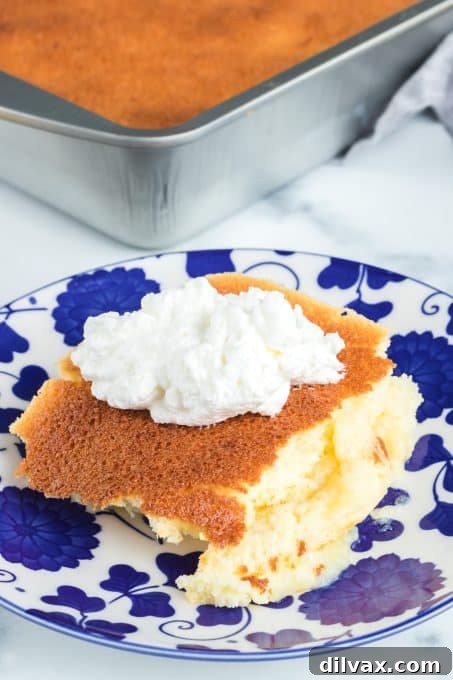
Why You’ll Love This Lemon Pudding Cake
A Symphony of Textures
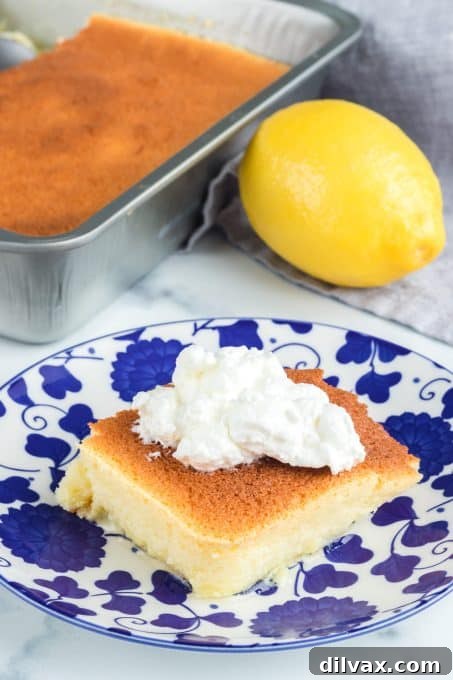
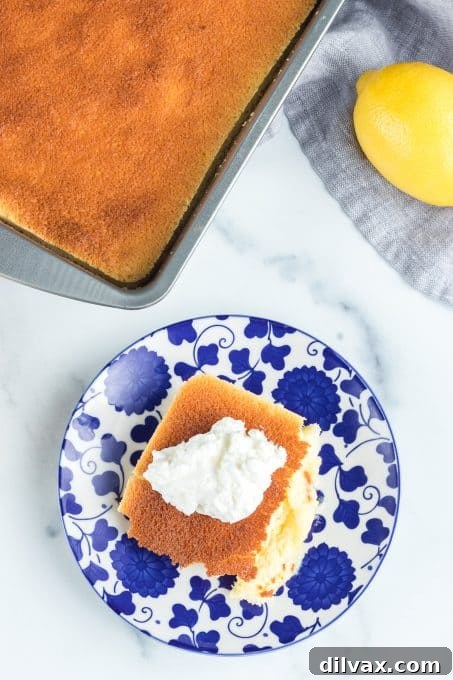
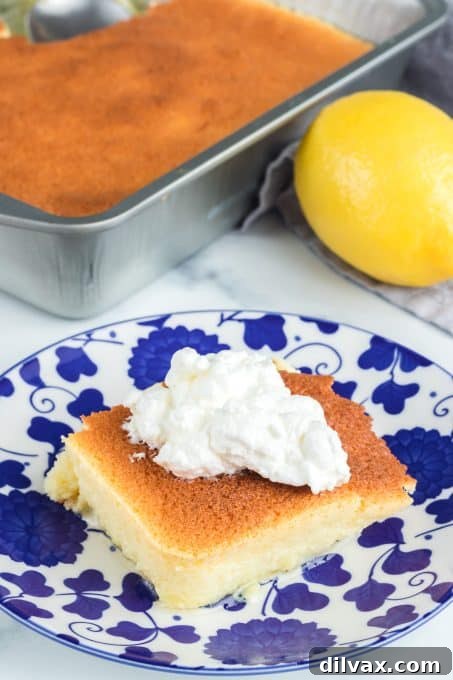
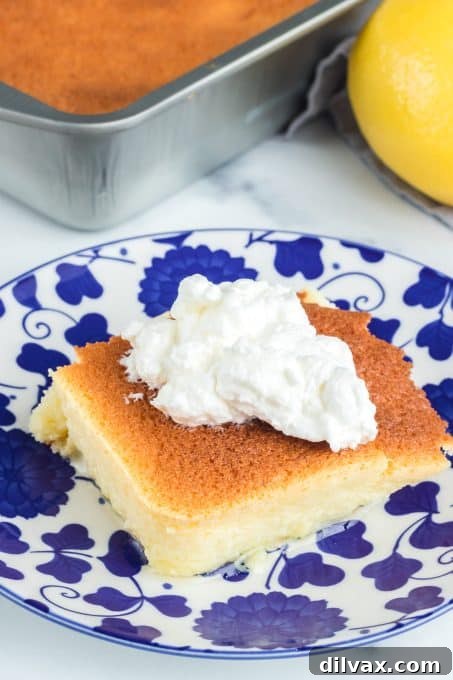
What sets this particular Lemon Pudding Cake apart is its truly magical transformation during baking. As it cooks, the batter remarkably separates into two distinct layers. The bottom layer becomes a delightfully thick and creamy, intensely flavored lemon pudding, while the top gracefully bakes into a light, fluffy, and tender cake. This incredible textural contrast, from the smooth, custardy base to the delicate crumb of the cake, provides a unique and satisfying eating experience that will leave you wanting more. It’s a perfect illustration of how simple ingredients can create something extraordinary in the oven.
The Perfect Balance of Sweet and Tart
For those who adore the bright, tangy kick of lemon, this dessert strikes an ideal balance. It’s sweet enough to be a comforting treat, yet the fresh lemon juice and rind ensure a wonderful tartness that cuts through the richness, preventing it from being overly cloying. This makes the lemon pudding cake incredibly refreshing and a fantastic palate cleanser after any meal. It’s a truly sophisticated flavor profile presented in a comforting, home-style package.
The Wonderful World of Lemons: More Than Just Flavor
Health Benefits of Lemons
Beyond their amazing taste in baking, lemons boast a impressive array of health benefits. They are an excellent source of Vitamin C, a powerful antioxidant that plays a crucial role in protecting your cells from oxidative damage and supporting a robust immune system. This makes a lemon dessert not just a treat for your taste buds, but also a small contribution to your well-being!
The citric acid found in lemons is also known for its ability to help prevent kidney stones. Furthermore, lemon juice possesses natural antibacterial and anti-fungal properties, which is why it’s a common ingredient in many natural cleaning products. While directly biting into a raw lemon might not be appealing, incorporating fresh lemon juice and zest into your diet through recipes like this pudding cake can be a delicious way to harness its beneficial properties. It’s a versatile fruit that offers both culinary delight and nutritional value.
Choosing Your Lemons: Meyer vs. Regular
When it comes to selecting lemons for your pudding cake, both Meyer lemons and regular lemons (Eureka or Lisbon varieties) are excellent choices. Meyer lemons are distinguishable by their thinner, smoother skin and a slightly sweeter, less acidic flavor profile, often with floral notes. Their juice is typically milder, making them a fantastic option if you prefer a less intensely tart dessert. However, Meyer lemons can be seasonal and sometimes harder to find in conventional grocery stores.
Regular lemons, on the other hand, are widely available year-round. They have a thicker, bumpier skin and a more pronounced, classic tart lemon flavor that many people associate with baking. Whichever variety you choose, ensure your lemons are firm, heavy for their size (indicating juiciness), and have a bright, unblemished peel. For the best flavor, always opt for fresh lemons over bottled lemon juice, as the fresh juice offers a far superior aroma and taste that is crucial for this recipe.
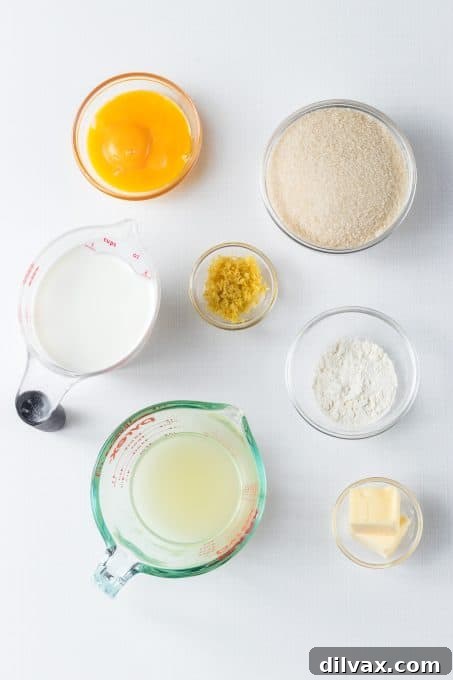
Key Ingredients for Success in Lemon Pudding Cake
This homemade lemon pudding cake requires just a few pantry staples, proving that extraordinary desserts don’t need complicated ingredient lists. Here’s what you’ll need, and a quick note on why each is important:
- Butter: Provides richness and a tender crumb to the cake layer. Use unsalted butter for better control over the salt content.
- Granulated Sugar: Sweetens the dessert and helps create the beautiful caramelization and texture.
- Eggs (separated): The yolks contribute richness and emulsification, while the whipped egg whites are crucial for the airy, soufflé-like cake layer that forms on top.
- Whole Milk: Adds moisture and richness, contributing to the creamy texture of the pudding.
- All-Purpose Flour: Provides structure to the cake layer. Just a small amount is needed for the right consistency.
- Fresh Lemons: The star of the show!
- Fresh Lemon Juice: Delivers the essential tartness and vibrant citrus flavor.
- Lemon Rind (or Zest): Packed with aromatic oils, it intensifies the lemon flavor and fragrance.
- Heavy Cream (for topping): While optional, a dollop of stabilized whipped cream elevates the dessert, complementing the tart lemon beautifully.
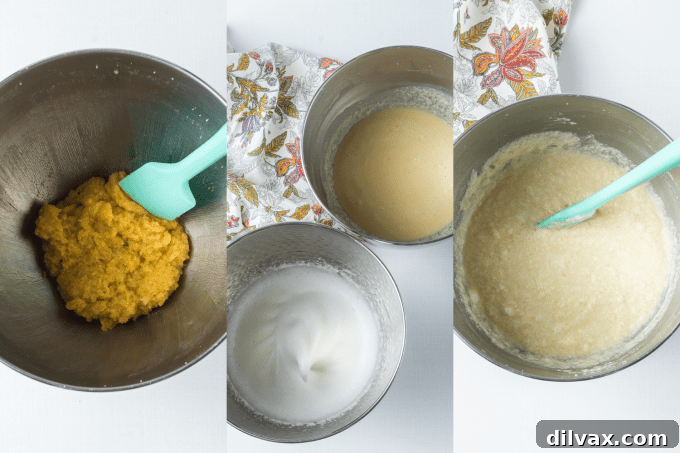
Crafting Your Lemon Pudding Cake: A Step-by-Step Guide
How to Make Homemade Lemon Pudding Cake
Creating this delightful lemon pudding cake is a straightforward process, but paying attention to each step ensures that perfect dual-layered outcome. Follow these instructions carefully:
- Preparation is Key: Begin by preheating your oven to 350 degrees F (175 degrees C). Select a 1 ½ quart baking dish – an 8×8 inch square dish or a similar sized oval dish works wonderfully. Lightly spray the dish with nonstick cooking spray to prevent sticking, then set it aside.
- Cream Butter and Sugar: In a large mixing bowl, beat the softened butter until it’s light and fluffy, usually for 1-2 minutes. Gradually add the granulated sugar, continuing to beat until the mixture is pale yellow and well-incorporated, with a creamy texture.
- Incorporate Egg Yolks: Carefully separate your eggs, reserving the whites for later. Add the egg yolks one at a time to the butter and sugar mixture, beating thoroughly after each addition until fully combined. This step ensures a smooth, rich base for your pudding.
- Add Wet and Dry Ingredients: Gradually incorporate the whole milk, all-purpose flour, fresh lemon juice, and grated lemon rind (or zest) into the butter mixture. Beat on low speed until all ingredients are just combined and the batter is smooth. Be careful not to overmix the flour.
- Whip Egg Whites: In a separate, clean bowl, use an electric mixer to beat the reserved egg whites until they form stiff peaks. This means when you lift the beaters, the egg whites will hold their shape firmly. This step is crucial for the airy cake layer.
- Gently Fold in Egg Whites: Delicately fold the beaten egg whites into the lemon batter. Use a spatula and a gentle, upward motion to combine them, preserving as much air as possible. The batter will be light and fluffy.
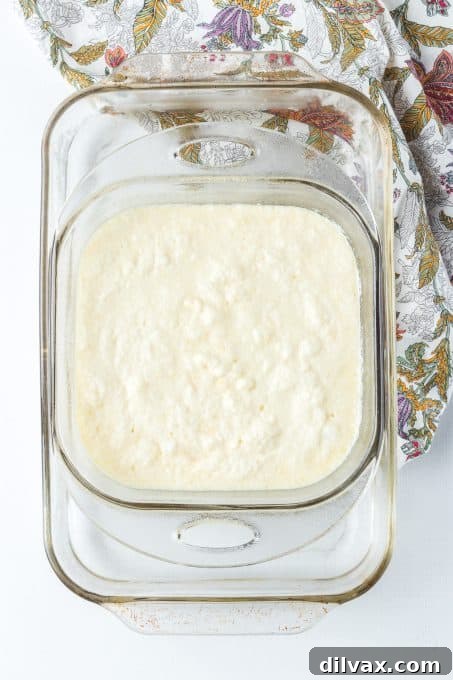
- Prepare for Baking (Water Bath): Pour the finished batter into your prepared 1 ½ quart baking dish. Now, place this dish into a larger baking pan. Carefully pour hot water into the larger pan until it comes halfway up the sides of the smaller pudding pan. This “bain-marie” or water bath creates a gentle, even cooking environment, which is essential for the pudding to set properly and prevent the cake from drying out. For an 8×8 inch dish, a 9×13 inch pan works perfectly for the water bath.
- Bake to Perfection: Transfer the entire water bath setup to your preheated oven. Bake for 50-60 minutes, or until the top layer is golden brown and the pudding layer is set. A toothpick inserted into the cake layer should come out clean.
- Cool and Serve: Once baked, carefully remove the pudding cake from the water bath and let it cool completely on a wire rack. This allows the pudding to set fully and the flavors to meld. Serve either tepid (slightly warm, just above room temperature) or thoroughly chilled. It’s absolutely divine served with a dollop of my homemade Stabilized Whipped Cream or Vanilla Bean Whipped Cream for an extra touch of indulgence.
Zest vs. Rind: Understanding Lemon Peel
The recipe specifically calls for grated lemon rind, and it’s important to understand the distinction between rind and zest for optimal flavor. The “rind” technically refers to the entire outer covering of the fruit, including both the bright colored layer and the white pith directly beneath it. The “zest,” on the other hand, is just the outermost, finely colored layer of the peel, which contains all the fragrant essential oils and vibrant lemon flavor.
The white layer, known as the pith, can be quite bitter. When a recipe calls for “rind,” it often implies grating a bit deeper to include a small amount of this pith, which can add to the acidic, more complex flavor profile of the lemon. If you prefer your lemon dessert a little sweeter and less bitter, I recommend using only the zest, carefully avoiding the pith. You can achieve this with a microplane zester, gently grating just the bright yellow part of the lemon. For this particular recipe, embracing a slight bitterness from the pith can enhance the “old-fashioned” feel, but adjust to your personal preference!
Tips for Lemon Pudding Cake Perfection
To ensure your lemon pudding cake turns out absolutely perfect every time, consider these helpful tips:
- Adjusting Lemon Rind: The original recipe uses a full grated rind, which can be quite potent. If you find the lemon flavor too intense or slightly bitter, next time try grating only half of the lemon’s rind, or focus purely on the zest and avoid the white pith completely. This will yield a brighter, less bitter lemon flavor.
- The Magic of Whipped Cream: Serving this pudding cake with a generous dollop of stabilized whipped cream truly elevates the dessert. The creaminess and subtle sweetness of the whipped cream beautifully balance the tartness of the lemon, creating a harmonious flavor combination that is utterly delightful. It adds another layer of texture and richness that complements the cake’s unique structure.
- Don’t Skip the Water Bath: The water bath (bain-marie) is not just for show; it’s critical for achieving the perfect pudding consistency. It provides gentle, even heat, preventing the edges from overcooking before the center is set, and it ensures the pudding layer remains wonderfully smooth and creamy.
- Cool Completely: Patience is a virtue with this dessert! Allowing the lemon pudding cake to cool completely, or even chilling it for a few hours, allows the pudding layer to fully set and the flavors to deepen. Rushing this step might result in a runny pudding.
- Room Temperature Ingredients: Ensure your butter and eggs are at room temperature. This helps them emulsify better with other ingredients, creating a smoother, more uniform batter and a better overall texture.
Serving Suggestions & Variations
Beyond whipped cream, consider these ideas to customize your Lemon Pudding Cake:
- Fresh Berries: A sprinkle of fresh raspberries, blueberries, or sliced strawberries adds a pop of color and complementary fruity sweetness.
- Powdered Sugar: A light dusting of powdered sugar over the top layer adds a simple elegance.
- Citrus Zest: A final sprinkle of fresh lemon zest just before serving enhances the aroma.
- Lime or Orange: For a twist, try substituting lemon juice and rind with lime or orange for a different citrus pudding cake!
Storage & Make-Ahead Tips
This Lemon Pudding Cake is wonderful as a make-ahead dessert. Once cooled, cover the dish tightly with plastic wrap and store it in the refrigerator for up to 3-4 days. It tastes fantastic chilled, making it a perfect option for entertaining or for enjoying throughout the week. You can even bake it the day before your event, allowing ample time for it to chill and for the flavors to fully develop.
More Lemon Desserts to Explore
If this Lemon Pudding Cake has sparked your love for all things lemon, you’re in luck! Our blog is filled with many other delicious lemon treats that are worth trying. I highly recommend starting with one of these:
- Lemon Dream Bars: Layers of shortbread, creamy lemon filling, and a fluffy topping.
- Lemon Ricotta Pound Cake: An incredibly moist and flavorful cake with a delicate texture.
- Lemon Cake Mix Cookies: Super easy and chewy cookies, bursting with lemon flavor.
- No-Bake Lemon Cheesecake: A refreshing and creamy dessert that requires no oven time.
- Lemon Poppy Seed Scones: Perfect for breakfast or an afternoon tea, with a lovely lemon glaze.
- Lemon Marshmallow Poke Cake: A fun and flavorful cake, soaked in lemon goodness and topped with marshmallows.
Other Creamy Dessert Recipes You’ll Adore
If you’re a fan of rich, creamy textures, beyond this lemon pudding cake, here are a few more delightful dessert recipes that I’m sure you’ll love:
- Stabilized Whipped Cream: The essential topping for many desserts, holding its shape beautifully.
- Chocolate Peanut Butter Dream Bars: A decadent layered treat for chocolate and peanut butter enthusiasts.
- Chocolate Mint Dream Bars: Refreshing mint and rich chocolate in a dreamy layered bar.
- Chocolate Peanut Butter Pudding Cake: Another fantastic pudding cake, this time combining two classic flavors.
- Banana Pudding Dream Bars: A comforting and creamy dessert, reminiscent of classic banana pudding.

Lynne Feifer
Lemon Pudding Cake
Dessert
American
15 minutes
1 hour
1 hour 15 minutes
Ingredients
- 2 tablespoons butter
- 1 cup sugar
- 3 eggs separated
- 1 cup milk
- 1 ½ tablespoons all-purpose flour
- ⅓ cup lemon juice
- 1 grated rind lemon
- stabilized whipped cream for topping
Instructions
-
Preheat oven to 350 degrees F (175 C). Prepare a 1 ½ quart baking dish by lightly spraying it with nonstick cooking spray.
-
In a large bowl, beat the butter until soft and fluffy. Gradually add the sugar, beating until completely incorporated and creamy.
-
Separate your eggs, adding the egg yolks into the butter mixture one at a time, mixing each one in thoroughly before adding the next.
-
Add the milk, flour, fresh lemon juice, and grated lemon rind (or zest), and beat on low speed until well mixed.
-
In a separate, clean bowl, beat the egg whites until they form stiff peaks. Gently fold these whipped egg whites into the lemon batter using a spatula.
-
Pour the batter into the prepared baking dish. Place this dish into a larger pan, and pour hot water into the larger pan until the water comes halfway up the sides of the pudding dish.
-
Bake for 50-60 minutes, or until the top is golden and the pudding is set.
-
Let cool completely. Serve either tepid (barely warm) or chilled, topped with stabilized whipped cream or a dusting of powdered sugar.
Nutrition
Calories: 228kcal |
Carbohydrates: 38g |
Protein: 4g |
Fat: 7g |
Saturated Fat: 4g |
Polyunsaturated Fat: 1g |
Monounsaturated Fat: 2g |
Trans Fat: 0.2g |
Cholesterol: 97mg |
Sodium: 77mg |
Potassium: 111mg |
Fiber: 0.2g |
Sugar: 36g |
Vitamin A: 303IU |
Vitamin C: 7mg |
Calcium: 66mg |
Iron: 1mg
Did you make this recipe?
Share it with me on Instagram and make sure to follow me on Pinterest for more recipes!
Pin Recipe
Share Recipe
This post was originally published 2/11/2011. It has been thoroughly updated in format and with new pictures on 3/3/23 to provide an even better user experience and more comprehensive baking guidance.
The inspiration for this Lemon Pudding recipe comes from the classic Fannie Farmer Cookbook Thirteenth Edition, page 676; authored by Marion Cunningham; and published by Alfred A. Knopf, Inc., a division of Random House; ISBN 0-394-56788-9.