Mastering Homemade Rosemary Flatbread: An Aromatic & Irresistible Recipe Guide
There’s something uniquely satisfying about the aroma of freshly baked bread filling your home. It promises warmth, comfort, and deliciousness. While my initial dinner plans involved classic BLT sandwiches, leading me to seek out the perfect accompanying bread, serendipity led me to a delightful discovery: a simple yet incredibly flavorful Rosemary Flatbread recipe. This recipe, sourced from the esteemed Martha Stewart Living Cookbook – The Original Classics (p.550, by Martha Stewart, published by Clarkson Potter/Publishers, an imprint of the Crown Publishing Group, a division of Random House, Inc.; ISBN 978-0-307-39382-1), proved to be an absolute revelation. Even though the BLTs were put on hold, this aromatic flatbread stole the show and effortlessly transformed into the star of our meal.
Homemade flatbread offers a versatile and delicious alternative to traditional loaves. Its tender, chewy interior and often crispy exterior make it ideal for dipping, sandwiching, or simply enjoying on its own. The addition of fresh rosemary infuses the bread with an earthy, piney fragrance that is simply irresistible, evoking the sun-drenched landscapes of the Mediterranean. Join me as we embark on a baking journey to create this magnificent Rosemary Flatbread, a recipe that promises to become a cherished favorite in your kitchen.
The Art of Homemade Flatbread: Why It’s Worth It
In a world of store-bought convenience, the act of baking bread from scratch might seem daunting, but homemade flatbread is surprisingly approachable and incredibly rewarding. Beyond the unparalleled taste and freshness, making your own flatbread allows you to control the ingredients, ensuring a wholesome and delicious product free from additives. The process itself—from activating the yeast to kneading the dough and watching it transform—is a therapeutic and engaging experience. This particular Rosemary Flatbread recipe yields two beautiful 10 to 12-inch loaves, perfect for sharing or enjoying over several days. Its simplicity belies its sophisticated flavor, making it a fantastic addition to any culinary repertoire.
Essential Ingredients for Your Aromatic Rosemary Flatbread
Crafting exceptional Rosemary Flatbread begins with selecting quality ingredients. Each component plays a vital role in achieving the perfect texture, flavor, and aroma. Here’s what you’ll need to gather:
Key Ingredients:
- 1/4 cup warm water (110°F / 43°C): Crucial for activating the yeast. Ensure it’s not too hot (which kills the yeast) or too cold (which won’t activate it).
- 1 1/4 teaspoons active dry yeast: This is slightly less than a standard 2 1/4 teaspoon envelope, so measure carefully. Active dry yeast needs to be proofed (activated) in warm water.
- 1/2 cup milk, room temperature: Adds richness and softness to the dough. Room temperature milk helps maintain the ideal environment for yeast activity.
- 1 tablespoon olive oil, plus more for drizzling: Provides flavor, moisture, and helps create a tender crumb. High-quality extra virgin olive oil is recommended for drizzling to enhance the final flavor.
- 1/2 tablespoon salt, plus more for sprinkling: Essential for flavor and also plays a role in controlling yeast activity and strengthening gluten.
- 2 1/2 to 4 cups all-purpose flour, plus more for dusting: The base of our bread. The range allows for adjustment based on humidity and flour type. Always start with less and add more as needed until the dough reaches the right consistency.
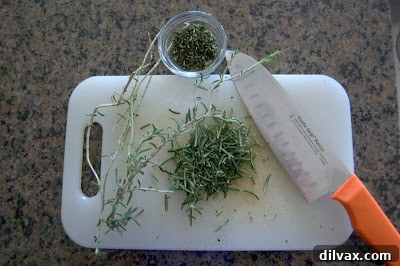
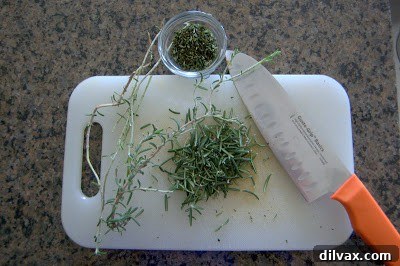
- 2 tablespoons chopped fresh rosemary: The star of the show! While the original recipe suggests 2 tablespoons, I found that 1 tablespoon of finely chopped fresh rosemary was ample for our taste, providing a fragrant, herbaceous note without overpowering the bread. Feel free to adjust to your preference.
Tips for Ingredient Selection:
- Fresh Rosemary is Key: While dried rosemary can be used in a pinch, fresh rosemary offers an unparalleled aromatic depth and vibrant flavor that truly elevates this flatbread.
- Quality Olive Oil Matters: Since olive oil is used both in the dough and for drizzling, opt for a good quality extra virgin olive oil. Its fruity, peppery notes will shine through.
- Measure Accurately: Especially with yeast and salt, precise measurements are important for consistent results in baking.
Step-by-Step Guide to Baking Your Perfect Rosemary Flatbread
Follow these detailed steps to create a beautiful and delicious Rosemary Flatbread that will impress everyone.
1. Activating the Yeast: The Foundation of Flavor
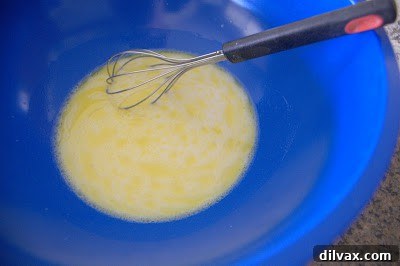
Begin by pouring the 1/4 cup of warm water (around 110°F or 43°C – think warm bathwater, not hot) into a large mixing bowl. Sprinkle the active dry yeast evenly over the surface of the water. Let this mixture sit undisturbed for about 5-10 minutes. You’ll know the yeast is active and healthy when it becomes foamy and bubbly, indicating it’s ready to work its magic and help your bread rise beautifully.
2. Combining the Wet Ingredients
Once your yeast is active and foamy, it’s time to incorporate the remaining wet ingredients. Add the room temperature milk, 1 tablespoon of olive oil, and 1/2 tablespoon of salt to the bowl with the yeast mixture. Stir everything together gently until well combined. The room temperature milk ensures that the yeast remains happy and active, contributing to an optimal rise.
3. Initial Flour Addition and Mixing
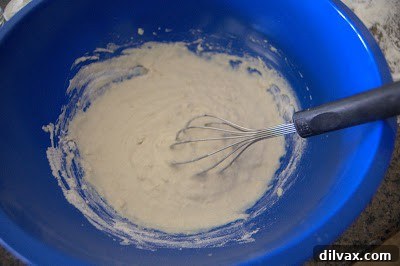
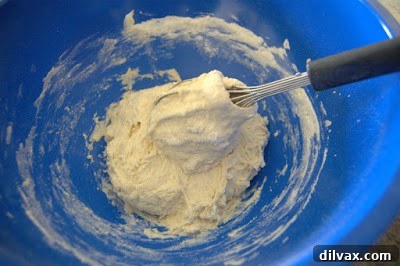
Now, add the first cup of flour to your wet ingredients. Using a wire whisk or a sturdy spoon, mix vigorously until the mixture is smooth and free of lumps. This initial addition of flour helps create a consistent base for the dough and ensures all ingredients are well incorporated before the dough thickens.
4. Forming the Dough
Continue adding the remaining flour, about 1/2 cup at a time. After each addition, mix until the flour is absorbed. Keep adding flour until the dough comes together to form a cohesive ball that pulls away cleanly from the sides of the bowl. The exact amount of flour can vary depending on humidity and the type of flour, so trust your judgment. The dough should be slightly tacky but not overly sticky.
5. Kneading for a Smooth and Elastic Dough
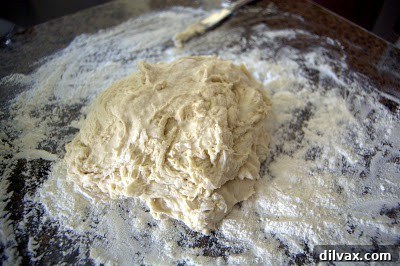
Once the dough has formed, transfer it from the bowl onto a generously floured work surface. This is where the magic of kneading happens. Knead the dough for approximately 6-8 minutes, or until it becomes soft, smooth, and elastic. As you knead, add small amounts of flour only if necessary to prevent excessive sticking, being careful not to add too much, which can result in a dry, tough flatbread. Proper kneading develops the gluten, giving the bread its structure and chewy texture.
6. The First Rise: Allowing the Dough to Double
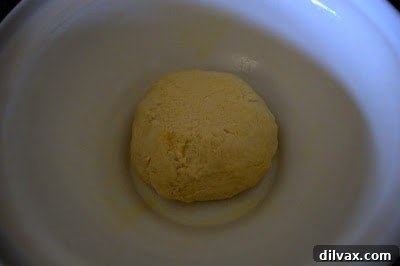
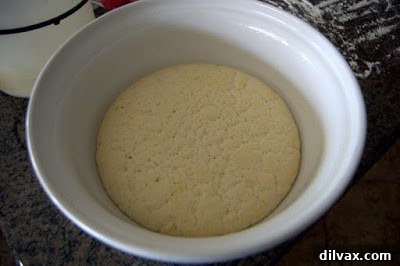
Lightly oil a large, clean bowl. Place the kneaded dough into the oiled bowl, turning it over once to ensure it’s coated all around with oil. This prevents the dough from drying out and sticking to the bowl during its rise. Cover the bowl tightly with plastic wrap to create a warm, humid environment. Place the bowl in a warm, draft-free place (like a turned-off oven with the light on, or a warm spot in your kitchen) for about 1 1/2 hours, or until the dough has doubled significantly in size. This primary fermentation is crucial for developing flavor and texture.
7. Preparing for Baking: Preheat and Divide
Once the dough has doubled, preheat your oven to 400°F (200°C). Gently punch down the risen dough to release the air. Transfer the dough onto a lightly floured surface and divide it into two equal pieces. Form each piece into a neat ball. Prepare two 12-inch wide baking sheets by lightly oiling them.
8. Shaping the Flatbreads
Place one dough ball onto each oiled baking sheet. Using oiled fingers, gently press and stretch each ball into a uniform 10 to 12-inch circle. The oil on your fingers will prevent sticking and help create a smooth surface. Aim for an even thickness across the entire circle for uniform baking.
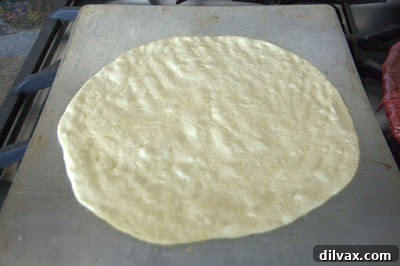
9. The Second Rise: Developing Airiness
Cover both shaped flatbread circles loosely with plastic wrap. Allow them to rise for an additional 30 minutes in a warm place. This second, shorter rise, known as proofing, enhances the dough’s texture and contributes to a lighter, airier flatbread. While they rest, the dough relaxes, making it easier to dimple.
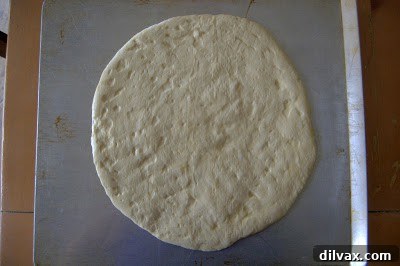
10. Dimpling and Drizzling
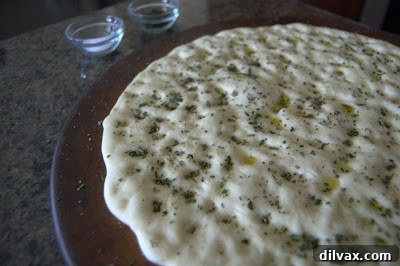
After the second rise, uncover the flatbreads. Using your fingertips, gently press dimples all over the surface of each dough circle. These dimples not only add to the rustic charm of the flatbread but also prevent large air bubbles from forming during baking and create little pockets to hold the olive oil and rosemary. Lightly drizzle additional olive oil over the surface of each dimpled flatbread.
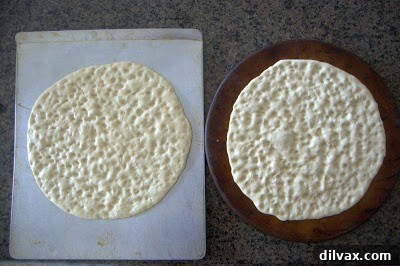
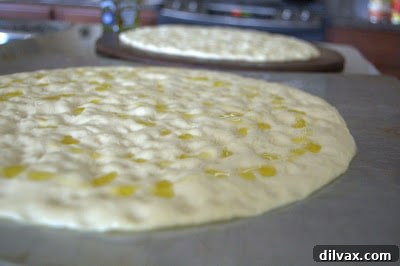
11. Final Prep: Rosemary and Salt
Cover each flatbread with a moist towel and place them in a warm area for a final 10-minute rest. This helps to re-relax the dough before baking. Afterward, evenly divide your chopped fresh rosemary between the two loaves, scattering it over the olive-oil-drizzled surface. Finish by sprinkling a little extra salt over both flatbreads. This extra sprinkle of salt, especially a flaky sea salt, adds a burst of flavor and a lovely textural contrast to the finished bread.
12. Baking to Golden Perfection
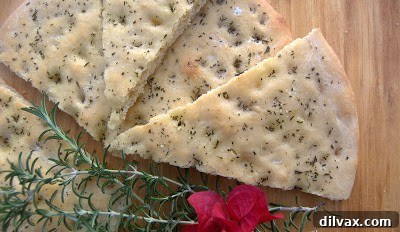
Transfer the baking sheets to your preheated 400°F (200°C) oven. Bake for 25-30 minutes, or until the flatbreads are beautifully golden brown on the bottom and lightly golden on top. For an extra crispy crust, during the first 10 minutes of baking, lightly spray or sprinkle water onto the tops of the flatbreads. This creates steam in the oven, encouraging a delightful crispness on the exterior. Keep an eye on them, as oven temperatures can vary.
My Honest Review & Delicious Discoveries
As a passionate baker, I rate everything I create on a scale of 1-4, with 4 being the absolute best. This Rosemary Flatbread proudly earned 3 rolling pins. It was truly delicious, boasting a wonderfully soft interior with a satisfying chew and a lovely herby aroma. The subtle hint of fresh rosemary was perfectly balanced, making each bite a pleasure. It was substantial enough to be incredibly satisfying, yet light enough not to feel heavy.
The true potential of this flatbread, however, was illuminated by a brilliant suggestion from my neighbor, who, along with her son, stopped by with some gorgeous Valentine’s Day cookies. She proposed adding Asiago cheese on top, and I immediately thought, “Oh, YUM!” I firmly believe that incorporating some grated Asiago cheese would elevate this flatbread to an astounding 3 1/2, if not a perfect 4 rolling pins. The salty, nutty notes of the Asiago would undoubtedly complement the rosemary and olive oil, creating an even more decadent experience. Consider this a strong hint, hint for your next baking adventure!
Customizing Your Flatbread: Beyond Rosemary
While rosemary is a classic choice, flatbread offers a fantastic canvas for culinary creativity. Don’t hesitate to experiment with different flavor profiles:
- Garlic & Herb: Mince a few cloves of garlic and mix them with your rosemary, or try other fresh herbs like thyme, oregano, or a blend of Italian herbs.
- Cheesy Delight: As suggested, Asiago cheese is a fantastic addition. You could also sprinkle Parmesan, Gruyere, or even a blend of mozzarella and cheddar for a different take. Add cheese during the final stages of the second rise or right before baking.
- Spicy Kick: A pinch of red pepper flakes can add a subtle heat.
- Sun-Dried Tomato & Olive: Chopped sun-dried tomatoes and pitted olives (like Kalamata or Castelvetrano) can add a delightful Mediterranean twist.
- Sweet Variations: While savory, flatbreads can also be made sweet with cinnamon sugar, fruit, or honey.
The possibilities are endless, allowing you to tailor this basic recipe to suit your mood or meal.
Serving Suggestions: Elevate Your Meal
This Rosemary Flatbread is incredibly versatile and can be enjoyed in countless ways. For dinner tonight, we paired it with our homemade chili. While perhaps not the most traditional bread to serve with chili, we found it to be pretty darn delicious! We even dipped it into a simple mix of olive oil and balsamic vinegar, which added another layer of flavor.
Here are more ideas to enjoy your freshly baked flatbread:
- Dipping Delight: Serve warm with a side of high-quality olive oil, balsamic vinegar, or a flavorful herbed dipping oil.
- Soup and Stew Companion: It’s the perfect accompaniment to hearty soups, stews, or even a simple bowl of tomato soup, using it to soak up every last drop.
- Mezze Platter Star: Cut into wedges and arrange on a platter with hummus, tzatziki, olives, feta cheese, and roasted vegetables for a Mediterranean feast.
- Sandwich Base: Slice it horizontally to create a unique and flavorful base for sandwiches, especially with grilled chicken, roasted vegetables, or a gourmet deli meat.
- Bruschetta Base: Toast slices lightly and top with fresh tomatoes, basil, and mozzarella for an elevated bruschetta.
- Alongside Main Courses: Serve it as a side dish with roasted meats, pasta dishes, or grilled fish to add a touch of artisan charm to your meal.
Frequently Asked Questions About Baking Flatbread
How do I know if my yeast is active?
After sprinkling yeast on warm water, let it sit for 5-10 minutes. If it becomes foamy or bubbly, it’s active. If not, your yeast might be old or the water temperature was off, and it’s best to start with a fresh batch.
Can I use cold milk?
Using room temperature milk is preferred as it helps maintain the optimal temperature for yeast activity. Cold milk can slow down or inhibit the yeast.
What if my dough is too sticky or too dry?
If too sticky, add flour one tablespoon at a time during kneading until it’s manageable but still slightly tacky. If too dry, add a tiny bit of warm water (a teaspoon at a time) to rehydrate it. Humidity can greatly affect flour absorption.
How long can I store Rosemary Flatbread?
Freshly baked flatbread is best enjoyed on the day it’s made. However, you can store it wrapped tightly in plastic wrap or foil at room temperature for 2-3 days. For longer storage, freeze it for up to 2 months. Reheat in a warm oven or toaster oven for best results.
Can I make this recipe ahead of time?
You can prepare the dough up to the first rise, then punch it down, cover tightly, and refrigerate overnight (up to 24 hours). Let it come to room temperature for about an hour before proceeding with shaping and the second rise.
Share Your Culinary Creations!
I hope this detailed guide empowers you to create your own incredible Rosemary Flatbread. Whether you stick to the classic recipe or venture into the world of Asiago cheese and other variations, the process is sure to be enjoyable and the result incredibly rewarding. Please come back and leave me a note to let me know how your flatbread turned out, especially if you tried the Asiago cheese suggestion!
I give you BIG baking hugs and muffins!! Happy baking!