Crafting the Perfect Homemade Birthday Cake: A Labor of Love and Delicious Celebration
There’s something uniquely heartwarming about a homemade birthday cake. It’s more than just a dessert; it’s a tangible expression of love, effort, and celebration. This year, with two of my children celebrating their birthdays within a week of each other, I embarked on a baking adventure to create a truly special cake for my son. Thankfully, our son, the third addition to our family, made his grand entrance into the world a few days after his sister’s birthday, ensuring each child gets their own distinct day of celebration – a small but significant detail that avoids any birthday sharing dilemmas!
The journey to the perfect birthday cake often begins with selecting reliable recipes. For the cake itself, I turned to a trusted culinary icon: Martha Stewart. Her Baking Handbook (specifically page 149) provided the foundational recipe for a classic Yellow Butter Cake. This choice promises a moist, tender crumb that’s beloved by all. For the frosting, I relied on the tried-and-true Wilton Buttercream Icing instructions, a recipe known for its stability and suitability for decorating, which I’ve used countless times since my children were little, often alongside their themed cake pans.
Personalizing the Celebration: From Winnie the Pooh to a Baseball Star
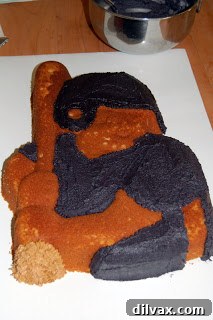
Originally, I had envisioned a Winnie the Pooh cake for my son, a nostalgic nod to his younger years. However, fate (and a fantastic thrift store find!) intervened. While browsing at Goodwill, I stumbled upon a brand-new-looking cake pan shaped like a baseball player for an incredible $2.99 – a fraction of its retail price. This discovery was a serendipitous stroke of luck! Not only was it an absolute steal, but it also offered a profoundly fitting tribute to my son.
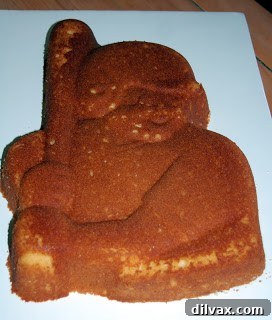
This particular school baseball season was likely to be his last, as he plans to transition to boys’ volleyball in high school, both sports competing for spring schedules. The baseball player cake became a beautiful, edible homage to his fantastic baseball career, a sport he truly loved. What’s more, the finished cake, with its artistic representation, remarkably captured a resemblance to him – I think it was the curly hair that really did it! While I wouldn’t call myself a professional cake decorator, the outcome exceeded my expectations, delivering a personalized touch that made the cake truly unique and meaningful.
Essential Tools for Your Baking Journey
Before diving into the recipes, let’s ensure you have the necessary tools for a smooth baking experience. Having these items on hand can make all the difference between a frustrating mess and a joyful creation:
- Electric Mixer: A stand mixer with a paddle attachment or a good quality hand mixer is essential for creaming butter and sugar effectively.
- Mixing Bowls: Keep various sizes handy for dry and wet ingredients.
- Sifter or Whisk: Crucial for combining and aerating dry ingredients, preventing lumps.
- Measuring Cups and Spoons: Accurate measurements are the foundation of successful baking.
- Rubber Spatula: Indispensable for scraping down bowls and gently folding ingredients.
- Cake Pans: The recipe suggests two 9-inch round pans, but a shaped pan like mine offers a unique touch.
- Parchment Paper or Non-Stick Spray: A non-negotiable for ensuring your cake releases cleanly from the pan.
- Cooling Rack: Essential for proper air circulation around the cake, preventing a soggy bottom.
- Offset Spatula: Your best friend for spreading batter evenly and frosting smoothly.
- Cake Tester or Toothpick: The simple, reliable tool to check for cake doneness.
- Cake Board (optional but recommended): Provides stability and ease when transferring and serving your decorated cake.
- Decorator Bags, Couplers, and Tips: For detailed frosting work and adding personalized flair.
- Food Coloring Gels: For vibrant and stable colors in your buttercream without altering its consistency.
Recipe: Martha Stewart’s Classic Yellow Butter Cake
This delightful yellow butter cake recipe yields a moist and tender crumb, perfect for celebrations. While the original recipe is designed for a traditional 9-inch layer cake using two round pans, it can be adapted for shaped pans as I did. Remember that baking times may vary slightly with different pan shapes and sizes.
Ingredients:
- 2 sticks (1 cup) unsalted butter, softened to room temperature, plus extra for greasing the pan
- 1½ cups all-purpose flour, plus extra for dusting the pan
- 1½ cups cake flour (ensure it’s not self-rising for optimal results)
- 1 tablespoon baking powder
- ½ teaspoon salt
- 1¾ cups granulated sugar
- 4 large eggs, brought to room temperature
- 2 teaspoons pure vanilla extract
- 1¼ cups whole milk, brought to room temperature
Instructions for the Yellow Butter Cake:
- Prepare Your Oven and Pan: Preheat your oven to a steady 350ºF (175ºC). Generously butter your chosen cake pan(s), ensuring all interior surfaces are thoroughly coated. Dust the buttered pan(s) with all-purpose flour, gently tapping out any excess. This meticulous preparation creates a non-stick barrier that helps your cake release cleanly and beautifully. Alternatively, for superior non-stick performance, I highly recommend using a high-quality non-stick baking spray, such as Wilton ‘Bake-Easy.’ It genuinely makes a remarkable difference in preventing sticking! Set the prepared pan(s) aside.
- Combine Dry Ingredients: In a medium-sized bowl, sift together the all-purpose flour, cake flour, baking powder, and salt. Sifting is a crucial step here as it helps to aerate the flours, remove any lumps, and ensures the leavening agents are evenly distributed throughout the mixture. This contributes to a lighter, more uniform cake texture. Once sifted, set this mixture aside.
- Cream Butter and Sugar: In the bowl of an electric mixer fitted with the paddle attachment (this attachment is ideal for creaming!), beat the softened unsalted butter and granulated sugar together. Start on medium speed and continue beating for about 3 to 4 minutes. The mixture should undergo a noticeable transformation, becoming light, fluffy, and visibly paler in color. Throughout this process, make sure to frequently stop the mixer and scrape down the sides and bottom of the bowl with a rubber spatula. This critical step ensures all ingredients are fully incorporated, preventing pockets of unmixed butter or sugar.
- Incorporate Eggs and Vanilla: With the mixer still running on medium speed, add the large eggs one at a time, beating thoroughly after each addition until fully incorporated. It’s important to add them individually to allow each egg to emulsify properly with the butter mixture, which helps prevent the batter from curdling. Once all eggs are in, beat in the pure vanilla extract until just combined.
- Alternate Dry and Wet Ingredients: Reduce the mixer speed to low. Gradually add the sifted flour mixture to the butter mixture in three distinct parts, alternating with the milk. It’s best to begin and end with the flour mixture. For example, add one-third of the flour mixture, beat until just combined, then add half of the milk, beat until just combined, then another third of the flour, the remaining milk, and finally the last third of the flour. Beat only until just combined after each addition. The key here is to avoid overmixing at this stage, as excessive agitation can overdevelop the gluten in the flour, potentially resulting in a tough, dry cake.
- Prepare for Baking: Gently pour the luscious batter into your prepared cake pan(s). Use an offset spatula to delicately smooth the top of the batter, ensuring an even surface for baking and a uniform rise.
- Bake to Golden Perfection: Carefully place the cake pan(s) in the preheated oven. Bake for approximately 30-40 minutes. If you are using multiple pans or a uniquely shaped pan, it’s a good practice to rotate the pan(s) halfway through the baking time to ensure even heat distribution and consistent baking. The cake is done when it achieves a beautiful golden-brown hue, springs back lightly when gently pressed in the center, and a cake tester or toothpick inserted into the very center comes out completely clean, without any wet batter attached.
Cooling and Leveling Your Cake: The Foundation for Flawless Frosting
Proper cooling and leveling are critical steps that often get overlooked but are vital for a professional-looking finished cake. These stages ensure your cake layers are flat, stable, and ready for beautiful decoration.
- Leveling While Warm: Once the cake is freshly out of the oven, and while it’s still in the pan, you might notice a slightly raised dome in the center. To ensure your cake layers sit level and to prevent cracking when stacking or decorating, carefully use a long serrated knife to slice off this raised center portion. This creates a flat, even surface, making frosting much easier and resulting in a more stable, professional-looking cake.
- Unmolding with Care: To unmold the cake from its pan, place a cooling rack directly on top of the cake (while it’s still snugly in the pan). Hold the cooling rack and the cake pan together firmly, then carefully invert both. Gently lift the cake pan off. If you used the recommended non-stick spray, the cake should release without any hesitation, leaving a perfectly intact cake.
- Thorough Cooling: Allow the cake to cool completely on the wire rack for at least 1 hour, or until it reaches room temperature. This step cannot be rushed! Attempting to frost a warm cake will inevitably result in melted, messy frosting that slides right off. Patience is indeed key here!
- Crumb Coat Preparation: Once thoroughly cooled, gently brush off any loose crumbs from the cake surface. This often-skipped step is essential before applying your frosting, as it helps create a smooth base and prevents those pesky crumbs from mixing into your beautiful final decorative layer.
- Transferring to a Serving Platter: For easy and safe transfer to a serving platter or a sturdy cake board (which I highly recommend for stability and presentation, especially for larger or decorated cakes), hold a clean cake board against the top of the cooled cake (which is currently upside down on the cooling rack). Invert both the cake and the rack, then carefully lift off the cooling rack. Now, hold another cake board against the bottom of the cake and flip it over once more so it’s right-side up on the serving board. Always ensure you hold the cake, rack, and boards very close together while turning to prevent any accidental cracking or breakage, which can easily happen with a tender cake.
Recipe: Wilton Buttercream Icing – Your Decorating Canvas
Wilton’s classic buttercream icing is truly a decorator’s best friend. Its thick, yet creamy texture makes it incredibly versatile for piping intricate designs, spreading smoothly over cake surfaces, and holding its shape beautifully, which is essential for detailed work. This recipe, for a single batch, yields approximately 3 cups of icing, which is usually sufficient for a single 9-inch layer cake. However, for my baseball player cake, given its larger, shaped surface area and the need for multiple distinct colors, I wisely prepared a double batch, though I didn’t end up using every last drop.
Key Features of Wilton Buttercream:
- Ideal for Decorating: Known for its ability to hold crisp peaks and intricate piped shapes.
- Flavorful: Offers a classic, comforting sweet vanilla taste that pairs well with almost any cake.
- Storage Friendly: This durable buttercream can be refrigerated in an airtight container for up to 2 weeks. Before using again, simply re-whip it on medium speed to restore its light, fluffy, and spreadable texture.
Ingredients (for a single batch, yielding about 3 cups):
- ½ cup solid vegetable shortening (such as Crisco, which adds stability and a smooth texture)
- ½ cup unsalted butter or margarine, softened to room temperature (for rich flavor)
- 1 teaspoon Wilton Clear Vanilla extract (or pure vanilla extract if a slightly off-white color is acceptable)
- 4 cups (1 lb.) sifted confectioners’ sugar (also known as powdered sugar or icing sugar). This step is absolutely crucial: ensure you sift the sugar *before* measuring to prevent lumps and ensure accurate quantity.
- 2 tablespoons whole milk (to achieve the perfect consistency)
Instructions for Wilton Buttercream Icing:
- Cream Fats Together: In the bowl of an electric mixer, combine the softened butter (or margarine) and the solid vegetable shortening. Beat them together on medium speed until they are thoroughly combined and become light and fluffy, usually taking about 2-3 minutes. The shortening provides essential stability and helps the buttercream withstand warmer temperatures, while the butter adds that rich, delicious flavor and creamy mouthfeel.
- Add Vanilla: Once the fats are well creamed, stir in the Wilton Clear Vanilla extract. Using clear vanilla is key if you are aiming for a bright, pristine white buttercream, as pure vanilla extract can impart a subtle, off-white tint.
- Gradually Add Sugar: With the mixer set to a low speed, begin gradually adding the sifted confectioners’ sugar, one cup at a time. This slow addition is important to prevent a cloud of sugar from engulfing your kitchen! After each cup is added, beat well on medium speed until the sugar is fully incorporated. It is vital to frequently stop the mixer and scrape down the sides and bottom of the bowl with a rubber spatula to ensure all sugar is blended in evenly, leaving no dry spots.
- Achieve Desired Consistency: After all the confectioners’ sugar has been mixed in, the icing will appear very thick and somewhat dry or crumbly. This is perfectly normal at this stage. Now, add the 2 tablespoons of whole milk. Increase the mixer speed to medium-high and beat the icing for several minutes until it transforms into a wonderfully light, fluffy, and easily spreadable consistency. If you find the icing is too thick for your needs, add more milk, a teaspoon at a time, until the desired consistency is reached. Conversely, if it becomes too thin, you can add a little more sifted confectioners’ sugar to thicken it up.
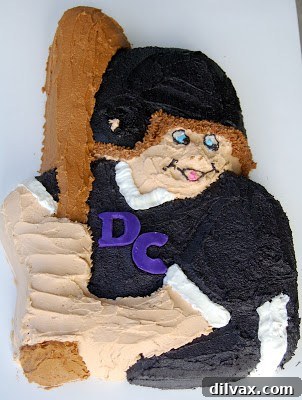 |
| It may not be the most beautiful cake, but it actually looks a little like him. I think it’s the curly hair. 🙂 |
Baking Day Insights and Smart Solutions
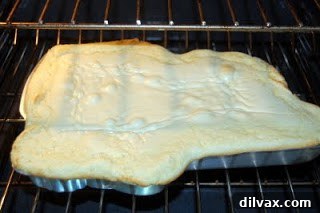
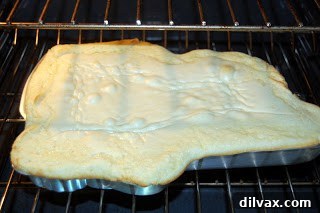
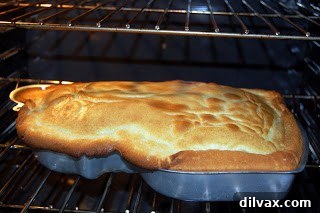
My baking day for this special cake was certainly an adventure, highlighting some common home baking challenges and delightful solutions that can make or break a project. As I mentioned earlier, Martha Stewart’s recipes often lean towards generous quantities, and this yellow butter cake batter was no exception. As I meticulously poured it into the intricate baseball player pan, I had a sneaking suspicion there might be too much batter for the mold. My instincts were, unfortunately, correct; it started to overflow slightly in the oven, creating a minor spill and some burnt edges.
While an overflowing batter can be disheartening in the moment, it was a minor setback. Once the cake had cooled, I was able to carefully trim away the slightly burned edges, and honestly, no one was ever the wiser about the oven incident. My biggest concern during the baking process was that with such a substantial amount of batter, the bottom of the cake might burn or become excessively dry before the center was fully cooked. Thankfully, the cake baked through perfectly, demonstrating both the resilience of a good recipe and the importance of careful temperature control and monitoring. This experience serves as a good reminder: when using shaped pans or adapting recipes, always keep a watchful eye on your oven and be prepared to make minor adjustments to baking times or even pan capacities.
The Magic of Non-Stick Spray and Expert Coloring Techniques
One product that truly saved the day and instantly earned my absolute loyalty was the Wilton ‘Bake-Easy’ Non-Stick Spray. Forget the tedious process of buttering and flouring intricate pans – this stuff is AWESOME! The cake released from the detailed baseball player pan without any hesitation whatsoever, leaving not a single crumb or piece of cake stuck behind. I am completely sold on its superior effectiveness and highly recommend it for any baking project, especially when working with detailed molds or decorative pans where a clean release is paramount.
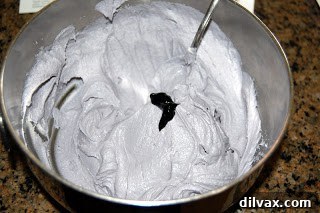
For the vibrant and intricate details of the baseball player, I opted to use Wilton icing colors. These are fantastic gel-based food colorings that provide rich, concentrated hues without thinning out your precious buttercream, which is a common issue with liquid food colorings. Here’s a breakdown of how I colored and used the frosting for different parts of the cake:
- Black: Approximately 2 cups of icing were colored black for the baseball player’s jersey and helmet, providing a bold contrast.
- Brown (darker shade): About ¾ cup was colored a darker brown, perfectly suited for the baseball bat, adding a realistic wooden texture.
- Brown (lighter shade): A smaller portion, around ⅓ cup, was colored a lighter brown for the hair, capturing a natural, textured look.
- Brown (medium shade): The largest portion, about 1¼ cups, was colored a medium brown to create a convincing skin tone for the player.
- Blue: Just 2 tablespoons were colored blue for the eyes, providing a small but striking detail.
- Pink: A mere 1 tablespoon was colored pink for the tongue, adding a tiny touch of realism.
To achieve the desired colors, I employed a simple yet effective method: I used a clean toothpick to dip into the concentrated gel coloring and then swirled it gradually into the buttercream. This method allows for precise, gradual color addition, ensuring you reach the perfect shade without the risk of over-coloring or wasting precious icing. For the actual decoration, I relied on standard decorator bags, couplers, and a variety of specialized tips to pipe the details and bring the baseball player to life with precision and artistry.
The Unforgettable Birthday Surprise: A Grand Finale
The moment of truth arrived as I carefully brought the decorated cake, accompanied by some ice cream cups for an extra treat, to the very end of my son’s baseball practice. He was genuinely surprised, and while he usually isn’t the biggest fan of surprises, I could tell this one was different. He was visibly honored, especially knowing that this personalized culinary creation would also be featured in one of my blog posts, immortalizing his special day. It was incredibly heartwarming to see him share this special treat with his friends, creating a truly memorable and joyful end to his practice and a wonderful group celebration.
The re-lighting candles were an absolute hit with the boys, adding an extra layer of fun, laughter, and excitement to the celebration – a clever touch that always delights. As expected from a spirited group of young teenage boys, they devoured the cake with gusto, like a pack of hungry vultures – a clear and unmistakable sign of its deliciousness! Even my husband, who got to enjoy a generous piece we managed to save for him later, thoroughly approved and savored every bite.
I often rate my baking endeavors on a scale of 1-4, with 4 representing magnificent perfection and complete success. This particular yellow butter cake, adorned with the delightful and versatile Wilton buttercream, unequivocally earned a perfect score of “4 rolling pins!” – a testament to its flavor, texture, and the joy it brought.
Reflections on a Rewarding Baking Journey
Despite the minor challenges – the initial overflowing batter, the carefully trimmed burned edges, and the sheer amount of time it took (practically all day, even with interruptions that thankfully weren’t related to important baseball games like the Red Sox!) – this baking project was incredibly rewarding. By the end, I had a slight crink in my neck and a cramp in my hand from holding the decorating bags for so long, which hinted at the physical effort involved. However, every minute of effort, every scraped bowl, and every piped detail was absolutely worth it.
The pure joy, the surprised smiles, and the constant thanks from the birthday boy were all the validation I needed. It reminded me once again of the immense satisfaction and deep connection that comes from creating something beautiful and delicious with your own hands for someone you love. It’s not just about the ingredients; it’s about the love baked into every slice.
Happy baking, and may your homemade creations bring as much joy and celebration to your family as this one brought to ours!