The Irresistible Charm of Snickerdoodles: A Timeless Classic Cookie
Snickerdoodles. Isn’t it a delightful word? It rolls off the tongue with a playful rhythm, hinting at the joy and comfort contained within this beloved cookie. More than just a name, “snickerdoodle” evokes a sense of nostalgia, a sweet memory of childhood, and the comforting aroma of cinnamon and sugar wafting from the kitchen. This iconic cookie has captured hearts for generations, earning its place as a quintessential part of home baking around the world.
What Makes a Snickerdoodle Truly Special?
At its core, a snickerdoodle is a sugar cookie, but with a unique twist that sets it apart. The defining characteristic is its signature coating of cinnamon and sugar, which provides a wonderfully textured crunch and a warm, inviting spice with every bite. Beyond this classic exterior, the snickerdoodle boasts an interior that is remarkably soft, chewy, and tender. What gives it this distinctive tang and characteristic crackled surface? The secret lies in one crucial ingredient: cream of tartar.
Cream of tartar, an acidic salt, works in tandem with baking soda to give snickerdoodles their unique texture and flavor. It provides a subtle tanginess that perfectly balances the sweetness, prevents the sugar from crystallizing, and contributes to the cookie’s signature soft, pillowy crumb. Without it, a snickerdoodle would simply be a good sugar cookie; with it, it transforms into an extraordinary culinary experience that truly stands out from other cookie varieties. It’s this delicate balance of sweet, tangy, and spicy that makes the snickerdoodle an enduring favorite, promising a burst of comforting flavor in every mouthful.
A Journey Through Snickerdoodle History
The precise origins of the snickerdoodle are shrouded in a bit of culinary mystery, but most food historians agree that this delightful cookie likely has roots in New England, with strong influences from German and Dutch baking traditions. Some theories suggest the name itself is a whimsical combination of German words, such as “Schnecken” (meaning snails, possibly referring to the shape of some early rolled cookies) and “Knödel” (a type of dumpling). Others believe it’s simply a playful, nonsensical name, typical of the inventive naming conventions sometimes found in early American cooking.
The earliest known recipes for snickerdoodles began appearing in American cookbooks in the late 19th and early 20th centuries. These early versions often highlighted the use of cream of tartar, solidifying its role as a key ingredient that distinguishes the snickerdoodle from its sugar cookie cousins. The cookie quickly gained popularity, especially within Quaker communities, and became a staple at potlucks, church gatherings, and family celebrations across the United States. Its simple yet profound flavor profile and relatively easy preparation ensured its widespread appeal, cementing its status as a timeless classic that continues to bring joy to bakers and eaters alike.
Crafting the Perfect Snickerdoodle: Key Ingredients
To embark on your snickerdoodle baking adventure, gather these essential ingredients. Each plays a vital role in achieving that perfect balance of flavor and texture:
- All-Purpose Flour: The structural backbone of your cookies.
- Granulated Sugar: For sweetness, both in the dough and the iconic coating.
- Unsalted Butter or Shortening (or a combination): Butter offers rich flavor, while shortening contributes to a softer, chewier texture and helps prevent spreading. Many recipes opt for a blend of both for the best of both worlds.
- Eggs: Act as a binder, adding moisture and richness to the dough.
- Cream of Tartar: The star ingredient, responsible for the cookie’s signature tangy flavor and chewy texture, preventing excessive spreading, and contributing to the crackled surface.
- Baking Soda: A leavening agent that works with cream of tartar to help the cookies rise and achieve their airy, soft crumb.
- Salt: A crucial flavor enhancer that balances the sweetness and brings out the other flavors.
- Cinnamon: The warming spice that, when combined with sugar, creates the irresistible outer coating.
Ensuring you have fresh, high-quality ingredients is the first step toward baking truly delicious snickerdoodles that will impress anyone lucky enough to try them.
Mastering the Art of Snickerdoodle Baking: A Step-by-Step Guide
Baking snickerdoodles is a straightforward process, often celebrated for its speed and simplicity. With careful attention to each step, you can achieve perfect results every time. Many find this recipe, including those like the famous one from Emeril Lagasse on Food Network, to be incredibly quick – often allowing you to go from mixing bowl to warm cookies in under an hour.
- Prepare Your Dry Ingredients: In a medium bowl, whisk together the flour, cream of tartar, baking soda, and salt. Set aside. This ensures all leavening and seasoning are evenly distributed throughout the dough.
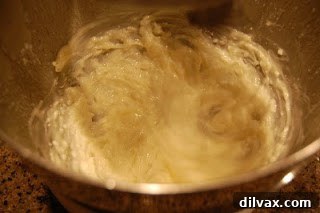
- Cream the Fats and Sugar: In a large mixing bowl, using an electric mixer, cream together the softened butter and/or shortening with the granulated sugar until the mixture is light, fluffy, and pale in color. This step incorporates air, which is crucial for a tender cookie.
- Incorporate Eggs: Beat in the eggs one at a time, mixing well after each addition. Scrape down the sides of the bowl to ensure everything is thoroughly combined. The mixture should be smooth and emulsified.
- Combine Wet and Dry Ingredients: Gradually add the dry ingredient mixture to the wet ingredients, mixing on low speed until just combined. Be careful not to overmix; overmixing can develop the gluten in the flour too much, leading to tough cookies.
- Chill the Dough (Optional, but Recommended): While some quick recipes skip this, chilling the dough for at least 30 minutes (or up to a few hours) can significantly improve the texture and flavor of your snickerdoodles. Chilled dough is easier to handle, and it prevents the cookies from spreading too much in the oven, ensuring a thicker, chewier cookie.
- Prepare the Cinnamon-Sugar Coating: In a shallow dish or bowl, combine additional granulated sugar and ground cinnamon. This mixture will be your cookie’s delightful outer layer.
- Shape and Roll the Dough: Scoop rounded tablespoons of dough (or use a cookie scoop) and roll them into smooth balls. Then, roll each dough ball generously in the cinnamon-sugar mixture, ensuring it’s fully coated.
- Arrange on Baking Sheets: Place the coated dough balls about 2 inches apart on ungreased baking sheets. For extra flat cookies, some bakers slightly flatten the balls before baking, though it’s not strictly necessary.
- Bake to Golden Perfection: Bake in a preheated oven (typically 375°F or 190°C) for 8-10 minutes, or until the edges are set and lightly golden, but the centers still look soft and slightly puffed. The cookies will continue to cook slightly as they cool. Do not overbake, as this will lead to a dry, hard cookie.
- Cool and Enjoy: Let the cookies cool on the baking sheet for a few minutes before transferring them to a wire rack to cool completely. This allows them to firm up without breaking.
And just like that, you’ll have a batch of warm, fragrant, and utterly delicious snickerdoodles ready to be devoured!
Expert Tips for Snickerdoodle Success
Even though snickerdoodles are considered an easy cookie to bake, a few expert tips can elevate your results from good to absolutely phenomenal:
- Don’t Overmix: As mentioned, overmixing the dough can develop gluten excessively, resulting in tough cookies. Mix only until the ingredients are just combined.
- Use Room Temperature Ingredients: Softened butter and eggs at room temperature emulsify better with sugar, leading to a smoother dough and a more consistent cookie texture.
- Measure Flour Correctly: Too much flour can make cookies dry. Spoon flour into your measuring cup and level it off with a straight edge, rather than scooping directly from the bag.
- Mind Your Oven: Ovens can vary. Get to know your oven’s hot spots and rotate your baking sheets halfway through if needed for even baking. Investing in an oven thermometer can also be very helpful.
- Don’t Overbake: This is perhaps the most crucial tip for soft, chewy snickerdoodles. They should still look slightly underdone in the center when you pull them from the oven. They will set up as they cool.
- Generous Coating: Don’t be shy with the cinnamon-sugar coating. A thick, even coating is essential for that signature snickerdoodle look and taste.
- Proper Storage: Store cooled snickerdoodles in an airtight container at room temperature for up to 3-5 days to maintain their freshness and chewiness.
Beyond the Classic: Delicious Snickerdoodle Variations
While the classic snickerdoodle is perfect in its simplicity, its adaptable nature makes it an excellent canvas for creative twists. Once you’ve mastered the traditional recipe, feel free to experiment with these delightful variations:
- Chocolate Chip Snickerdoodles: Fold in a cup of mini chocolate chips into the dough for a delightful chocolatey surprise.
- Pumpkin Spice Snickerdoodles: Replace some of the flour with pumpkin puree and add a blend of pumpkin pie spices to the dough for a seasonal treat.
- Lemon Snickerdoodles: Add lemon zest and a touch of lemon extract to the dough, and perhaps a hint of lemon in the sugar coating, for a bright, citrusy twist.
- Other Spices: Experiment with adding a pinch of nutmeg, cardamom, or even ginger to the cinnamon-sugar coating or directly into the dough for a unique flavor profile.
- Filled Snickerdoodles: For an indulgent treat, flatten a dough ball, place a caramel candy or a dollop of Nutella in the center, and then wrap the dough around it before rolling in cinnamon sugar.
These variations prove that the snickerdoodle, while a classic, is far from one-dimensional and can be adapted to suit various tastes and occasions.
Snickerdoodles: More Than Just a Cookie
Snickerdoodles hold a special place in the hearts of many, not just as a delicious dessert, but as a symbol of comfort, home, and shared happiness. They are often found gracing holiday platters, brightening school lunchboxes, and making an appearance at community bake sales. There’s something inherently joyful about biting into a warm snickerdoodle, with its perfect balance of textures and flavors. They are the kind of cookie that evokes memories, creates smiles, and fosters a sense of togetherness, making them a true culinary icon in the tapestry of comfort foods.
Join the Global Snickerdoodle Conversation!
The name “snickerdoodle” itself is so unique and fun to say in English, but we’re curious about its sound in other languages! If you know how to say or refer to snickerdoodles in a different language, or if there’s a similar cookie with a fun name in your culture, we’d absolutely love to hear about it. Share your insights in the comments below – let’s make this a global celebration of the snickerdoodle! We can’t wait to learn from you and potentially add your contributions to our post.
Conclusion: The Enduring Appeal of Snickerdoodles
From their whimsical name to their perfectly balanced taste and texture, snickerdoodles represent everything wonderful about homemade cookies. They are proof that sometimes, the simplest recipes yield the most profound satisfaction. Whether you’re a seasoned baker or just starting your culinary journey, the snickerdoodle is an approachable and rewarding cookie to master. Its enduring appeal lies in its comforting familiarity, its delightful tang, and the joyous experience it brings to anyone who bakes or enjoys it.
Happy baking, and may your kitchen always be filled with the wonderful aroma of fresh snickerdoodles!