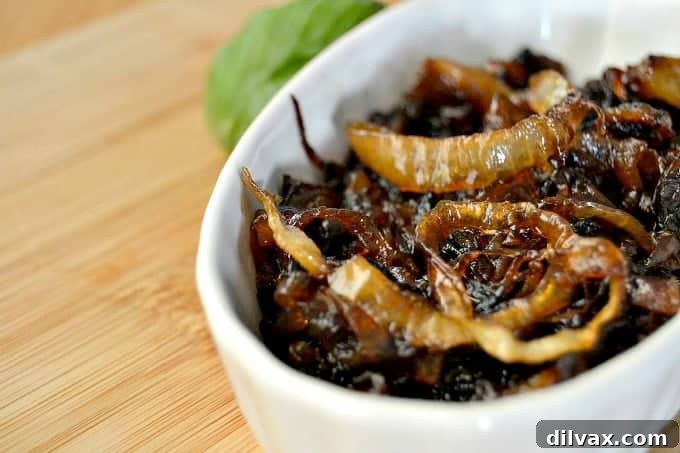
Perfect Caramelized Onions: Your Ultimate Guide to Sweet & Savory Flavor
Caramelized onions are a culinary gem, effortlessly transforming simple onions into a profoundly sweet, deeply savory, and incredibly versatile topping. Their creation requires patience more than intricate skill, making them an achievable triumph for any home cook. Envision the delight of biting into a succulent burger, a gourmet sandwich, or a perfectly seared steak, all elevated by a generous layer of glistening, deep amber onions, each bite bursting with complex, rich flavor. This comprehensive guide will illuminate every aspect of mastering these delightful culinary treasures, ensuring they become your indispensable condiment for a myriad of dishes.
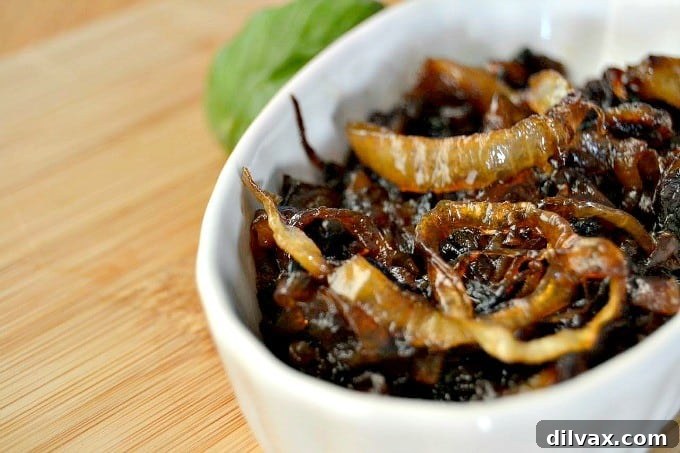
Unlock Flavor: Why Caramelized Onions Belong in Your Kitchen
Beyond their simply delicious taste, caramelized onions impart a unique depth of flavor that can transform everyday meals into extraordinary culinary experiences. The lengthy, gentle cooking process meticulously breaks down the complex sugars inherent in onions, cultivating a profound sweetness that harmonizes exquisitely with their innate savory notes. This remarkable transformation renders them an indispensable ingredient, perfect for:
- Gourmet Burgers and Sandwiches: Infusing a sophisticated twist into beloved comfort foods.
- Elevating Steaks and Roasts: Serving as a delectable accompaniment that perfectly complements rich, hearty meats.
- Artisan Pizzas and Flatbreads: Functioning as a savory-sweet foundation or a flavorful topping.
- Hearty Soups and Stews: Deepening the fundamental flavor profile, most famously in classic French Onion Soup.
- Elegant Tarts and Quiches: Offering a delightful sweet counterpoint to savory fillings.
- Irresistible Dips and Spreads: Becoming the star ingredient in creamy onion dips or robust savory spreads.
The sheer versatility of caramelized onions means that once you’ve mastered this straightforward technique, you’ll discover endless creative avenues to integrate them into your cooking, thereby enhancing even the most basic dishes with a touch of culinary magic.
Choosing the Best Onions for Superior Caramelization
While a wide range of onion varieties can be caramelized, certain types are inherently better suited to the process, consistently yielding the most desirable and flavorful results:
- Yellow Onions: These are the quintessential choice for caramelization, revered as the workhorses of the onion family. They boast a perfectly balanced blend of sweetness and a gentle sharpness, and their naturally high sugar content guarantees a beautiful, deep, and consistent caramelization.
- Sweet Onions (such as Vidalia, Walla Walla, or Maui): As their descriptive name implies, these onions possess a naturally elevated sweetness. Consequently, they caramelize more rapidly and intensely, producing an incredibly rich and mellow flavor profile.
- Red Onions: Although they can certainly be caramelized, red onions typically contain slightly less sugar than yellow varieties and present a bolder, more pungent initial flavor. When caramelized, they develop a striking deep reddish-brown hue and offer a distinctively more piquant sweetness.
- White Onions: Generally milder in flavor and lower in sugar content compared to yellow onions, white onions will not achieve the same intense level of caramelization. They are best reserved for applications where a more subtle onion flavor is preferred rather than deep sweetness.
For this particular recipe, we strongly recommend starting with classic yellow onions due to their reliable performance and their perfect equilibrium of sweet and savory notes, ensuring a successful caramelization every time.
The Art and Science of Achieving Perfect Caramelization: The “Low and Slow” Philosophy
Caramelization is a fascinating non-enzymatic browning reaction that occurs when sugars are subjected to heat. Within onions, this intricate process meticulously transforms their initial pungent, sharp flavor into something wonderfully sweet, mellow, and complex. The absolute key to unlocking this magical culinary transformation is adhering to the “low and slow” cooking philosophy. Applying high heat will invariably cause the onions to burn quickly, resulting in an unpleasant bitter taste and an undesirable crunchy texture. Conversely, a gentle, consistent heat allows the natural sugars to gradually break down and concentrate, fostering the development of profound, multifaceted flavors and a visually appealing golden-brown hue.
In this endeavor, patience is not merely a virtue; it is an essential ingredient. Resist any temptation to accelerate the process. What might initially seem like a significant duration over the stovetop is, in fact, a wise investment in achieving unparalleled depth of flavor. Your reward will be onions so extraordinarily tender and sweet, they will literally melt in your mouth, making every moment of waiting worthwhile.
SAVE THIS CARAMELIZED ONIONS RECIPE TO YOUR FAVORITE PINTEREST BOARD!
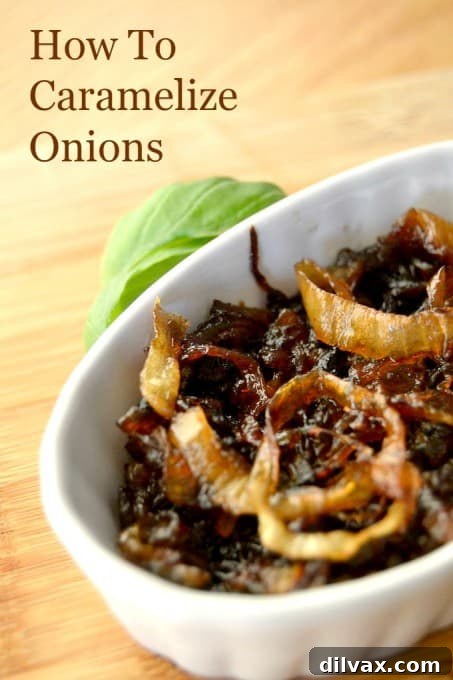
Mastering the Technique: A Step-by-Step Recipe for Perfect Caramelized Onions
Here’s a detailed, fool-proof guide to creating the most exquisitely delicious caramelized onions that will undoubtedly impress anyone who tastes them.
Ingredients
- 2 large yellow onions
- 1 tablespoon salted butter
- 1 tablespoon olive oil
- 1-2 tablespoons chicken broth or water (for deglazing)
Instructions
- Prepare the Onions: Begin by peeling and meticulously slicing your onions thinly, aiming for a consistent thickness of approximately 1/8 to 1/4-inch. Uniform slices are paramount for ensuring even cooking and caramelization. You have the option to halve the onions first, then slice them against the grain to achieve longer, elegant strands, or slice them pole-to-pole for shorter, softer pieces.
- Prepare the Pan and Fat: In a large, heavy-bottomed skillet or a sturdy Dutch oven, combine the salted butter and olive oil over a steady medium-low heat. It is crucial to ensure the entire bottom surface of the pan is thoroughly coated with this fat mixture. The synergistic combination of butter provides a rich, unparalleled flavor, while the olive oil contributes a higher smoke point, preventing the butter from burning prematurely.
- Introduce the Onions: Carefully add all the thinly sliced onions into the prepared pan. Initially, it might appear to be an overwhelming quantity of onions, but rest assured, they will significantly reduce in volume as they cook down. If you are preparing a larger batch (doubling the recipe, for instance) and your pan seems overly crowded, it is highly advisable to cook the onions in distinct batches. Overloading the pan will release excessive moisture, leading to steaming rather than the desired browning and caramelization.
- Embrace the Low and Slow Cook: Gently sauté the onions for a substantial duration of 35 to 45 minutes, stirring them occasionally to ensure even cooking and prevent sticking. The absolute essence of this step is unwavering patience. As time progresses, the onions will gradually soften, thoughtfully release their internal moisture, and begin their enchanting transformation into a golden-brown hue. Continue this patient cooking process until they achieve your personal desired level of caramelization – ranging from a delicate golden brown to a deep, lustrous amber. Personally, I find them most exquisite when deeply caramelized, almost bordering on a “burnt” appearance, as this intensity yields a profound sweetness and a wonderfully chewy texture. Please feel empowered to adjust the cooking time precisely to your preference.
- Crucial: Avoid the Lid! It is absolutely imperative that you do not cover the pan with a lid at any point while the onions are cooking. A lid will tragically trap steam within the skillet, which will undeniably prevent the onions from browning and caramelizing correctly. Our objective is to meticulously evaporate moisture, not to retain it.
- Deglaze for Enhanced Flavor: Just before you decide to remove the perfectly caramelized onions from the heat, introduce 1 to 2 tablespoons of chicken broth or water to the pan. Utilize a sturdy wooden spoon to diligently scrape up any delightful browned bits, known as ‘fond,’ that may have adhered to the bottom of the skillet. These flavorful bits are concentrated packets of taste and will dissolve into the added liquid, imbuing your caramelized onions with an incredible depth of flavor. Stir conscientiously until the added liquid has either completely evaporated or has been fully absorbed by the onions.
- Serve or Store: Promptly remove the caramelized onions from the heat and serve them immediately while warm, or allow them to cool completely before transferring them to an airtight container for future use.
Steering Clear of Pitfalls: Common Mistakes in Caramelizing Onions
While the process of caramelizing onions is fundamentally straightforward, a few common errors can inadvertently hinder your success and compromise the final product:
- Excessive Heat: This stands as the most frequent and detrimental mistake. Applying high heat will inevitably cause the onions to burn rapidly before they have a chance to properly caramelize, resulting in an unpalatable bitter taste and an undesirable crunchy texture. Always adhere strictly to a medium-low heat setting.
- Overcrowding the Pan: Overloading your skillet with too many onions at once significantly lowers the pan’s ambient temperature. This critical error causes the onions to steam rather than achieve the desired browning and caramelization. If you are preparing a substantial batch, always opt to work in smaller, manageable batches.
- Utilizing a Lid: As previously emphasized, covering the pan with a lid traps steam, rendering the onions watery and actively impeding proper browning. Maintain an uncovered pan throughout the entire cooking process.
- Insufficient Fat: Adequate fat (a combination of butter and olive oil works best) is not only crucial for developing rich flavor but also for preventing the onions from sticking to the pan. Do not be tempted to skimp on the recommended butter and oil quantities.
- Lack of Patience: True caramelization is a time-intensive process. Attempting to rush it will invariably compromise both the nuanced flavor development and the desired tender texture. Embrace and respect the slow cooking process.
- Improper Stirring: Stirring the onions occasionally is vital to prevent burning in concentrated spots and to ensure uniform cooking. However, constant, excessive stirring can paradoxically cool the pan’s temperature too much. Strive to find a balanced rhythm of stirring.
Elevate Your Onions: Variations and Flavor Enhancements
Once you’ve confidently mastered the foundational technique, you can embark on an exciting journey of experimentation with subtle additions to further elevate your caramelized onions:
- A Hint of Sweetness: For an even more pronounced sweet onion, consider adding a modest pinch of sugar (either brown or granulated) or a small splash of rich balsamic vinegar during the final 10-15 minutes of cooking. These additions will beautifully enhance and deepen the caramelization process.
- Aromatic Herbs: Freshly chopped herbs such as thyme or rosemary, introduced during the last 15 minutes of cooking, can infuse the onions with wonderfully aromatic and earthy notes.
- Sophisticated Liquids: As an intriguing alternative to chicken broth for deglazing, try incorporating a splash of dry white wine or even a robust dark beer. These liquids will impart a more sophisticated and complex flavor profile to your caramelized onions.
Storage and Reheating Tips for Caramelized Onions
Caramelized onions are an excellent component for meal preparation due to their impressive storage capabilities:
- Refrigerator Storage: Store your cooled caramelized onions in an airtight container within the refrigerator for a substantial period of up to 5-7 days, ensuring they remain fresh and flavorful.
- Freezer Storage: For extended preservation, spread the completely cooled caramelized onions in a thin, single layer onto a baking sheet lined with parchment paper. Freeze them until they become thoroughly solid. Once frozen, transfer the individual onion pieces to a freezer-safe bag or an airtight container, and they will keep perfectly for up to 3 months. This method brilliantly prevents them from clumping together.
- Reheating: To gently reheat, place them in a skillet over low heat with a tiny dab of butter or oil until warmed through. Alternatively, they can be briefly reheated in the microwave.
After careful consideration and numerous culinary adventures, I confidently rate these Caramelized Onions a solid 4 out of 4 rolling pins. Their profound flavor and exceptional versatility truly set them apart as an unmatched culinary staple!
While I once attempted to make them in a slow cooker, I must admit, I wasn’t entirely impressed with the outcome. The resulting texture was far too light, and they distinctly lacked the intense caramelization I personally prefer, particularly that desirable “almost burnt” sweetness that, for me, truly defines their peak flavor. For consistently the very best results, the traditional skillet method unequivocally shines brightest.
Explore More Handy Recipes from Our Kitchen!
Looking for other reliable recipes to add to your repertoire? Here are a few tried-and-true favorites you can confidently return to time and again:
Perfectly Baked Bacon
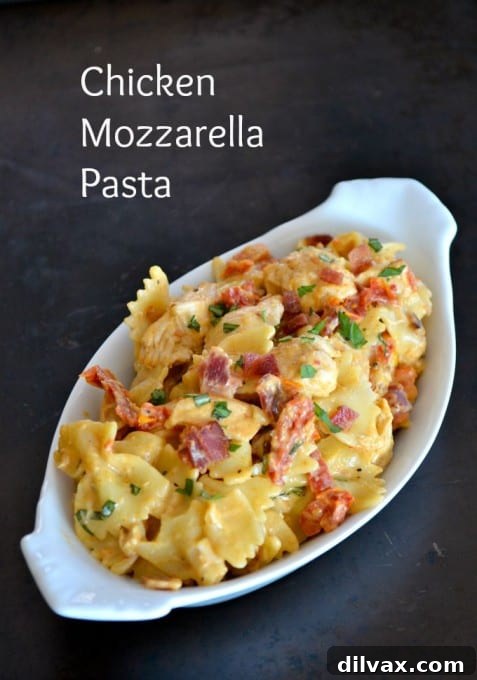
Creamy Chicken Mozzarella Pasta
Easy Crockpot BBQ Root Beer Shredded Chicken Sandwiches