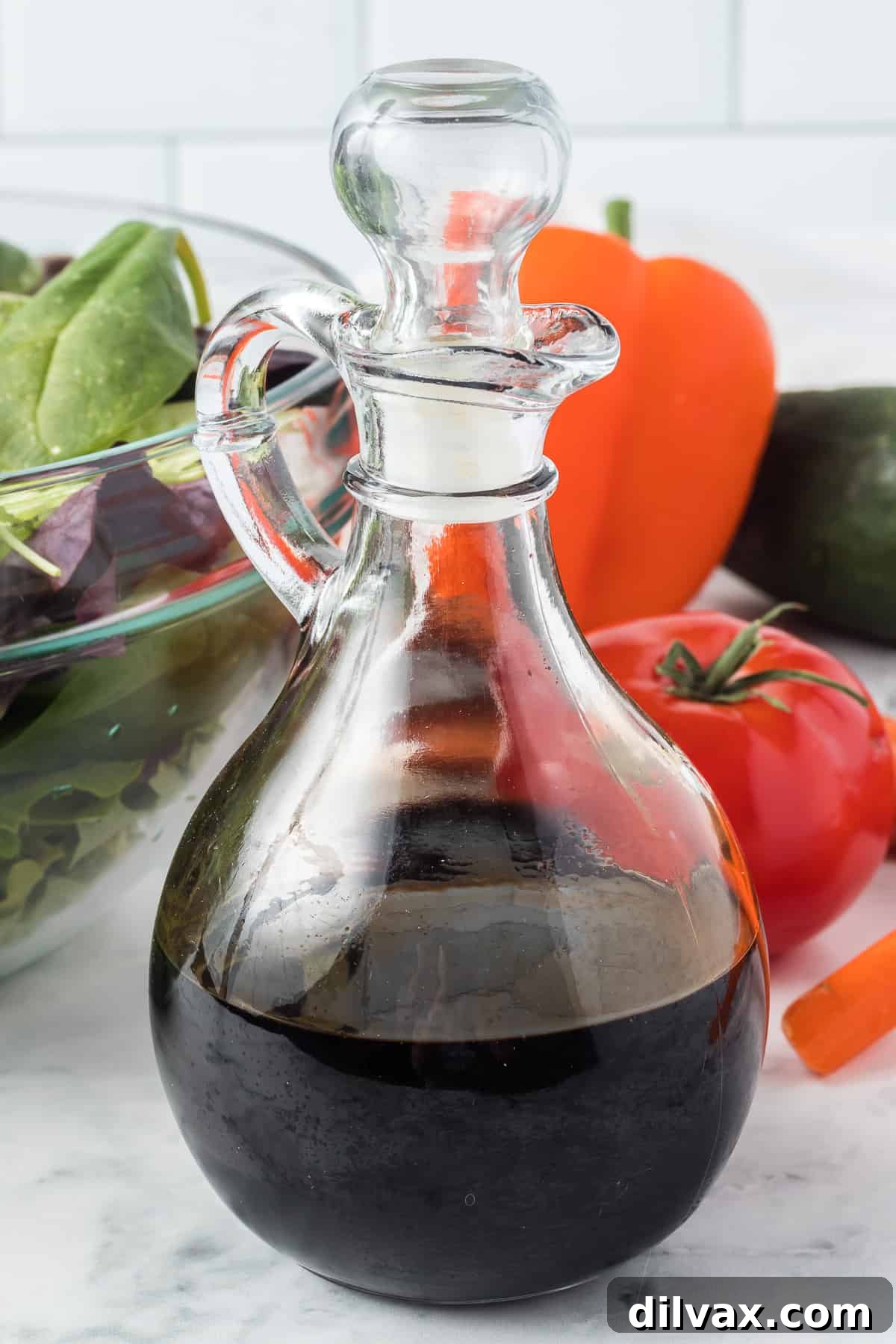
Mastering the Art of Homemade Balsamic Glaze: A Two-Ingredient Elixir
Unlock the secret to a professional touch in your home cooking! Learn how to make the best Balsamic Glaze with just two simple ingredients in this effortless recipe. This luxurious balsamic vinegar reduction is a versatile, delicious sauce, perfect for drizzling over everything from succulent meats to vibrant vegetables, and even sweet treats.
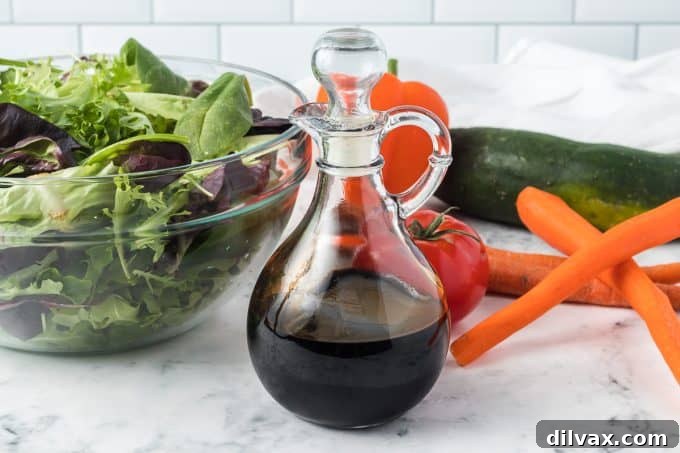
Balsamic Glaze is more than just a condiment; it’s an incredibly easy way to infuse intense, complex flavor into any dish. Its unique balance of sweetness and tanginess can elevate the simplest ingredients, turning an ordinary meal into a memorable culinary experience.
SAVE THIS EASY BALSAMIC REDUCTION RECIPE TO YOUR FAVORITE PINTEREST BOARD!
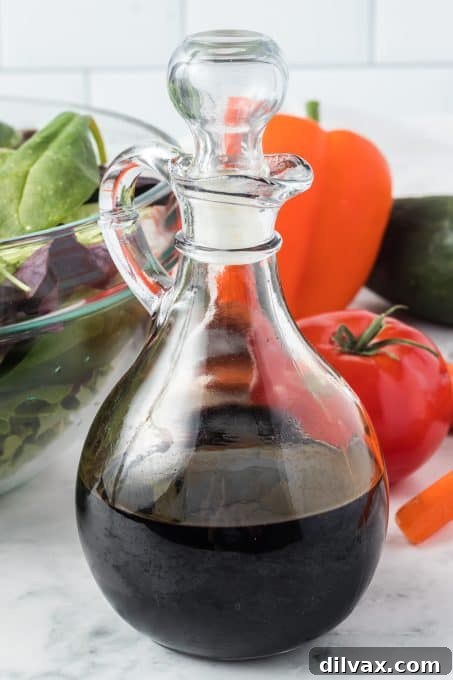
Why Every Home Cook Needs Homemade Balsamic Glaze
As someone who genuinely loves cooking and savoring delicious food, I understand the desire to create extraordinary meals, even when life demands simplicity. Running a blog focused on baking and cooking means spending a good deal of time in the kitchen, but like many busy individuals juggling jobs and family, I rarely have hours to dedicate to elaborate culinary endeavors every single day.
Over the years, I’ve gathered a collection of clever hacks to enhance my cooking, especially when time is of the essence. One of the most impactful strategies is making homemade sauces and condiments. Not only does this give you complete control over the ingredients – ensuring you know exactly what goes into your food – but almost invariably, homemade versions taste far superior to anything you can buy at the grocery store. This simple Balsamic Glaze is a shining example of such a hack, standing out as one of the most versatile and effortless additions to your culinary arsenal.
This rich, savory sauce takes mere minutes to prepare and boasts an astonishing number of uses. Once you experience its vibrant flavor, you’ll want to keep a batch readily available in your refrigerator to instantly add a gourmet flair and a burst of exquisite taste to any meal you prepare!
Understanding Balsamic Glaze: A Sweet and Tangy Elixir
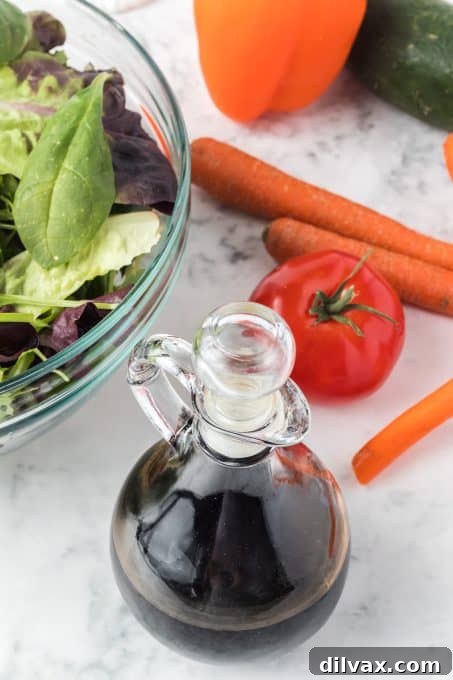
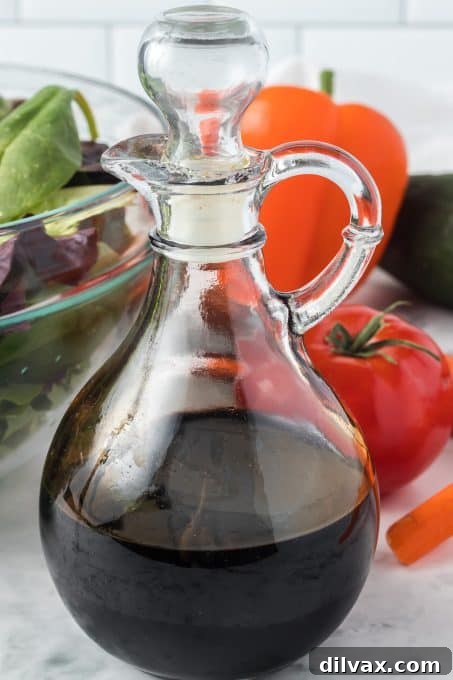
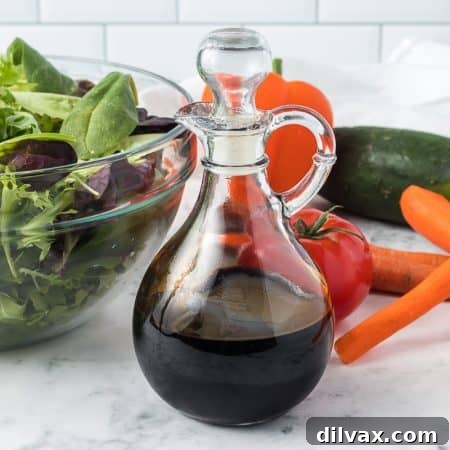
Often referred to as balsamic reduction, balsamic glaze is a captivatingly sweet and tangy condiment crafted from balsamic vinegar. The magic happens on the stovetop: the vinegar is gently simmered until a significant portion of its water content evaporates. What remains is a concentrated, thick, and intensely flavorful syrup.
This reduction process deepens the natural sugars and acids in the balsamic vinegar, creating a complex flavor profile that is both mellow and vibrant. It adds a sophisticated layer of acidity, a delightful hint of sweetness, and a beautiful glossy sheen to any food it graces. Traditional balsamic vinegar, known for its nuanced notes of fig, cherry, molasses, and even chocolate, truly shines when transformed into a glaze, with these subtle flavors becoming more pronounced and rich.
The culinary applications for balsamic glaze are virtually endless. Imagine drizzling it generously over a classic Caprese salad, enhancing the natural sweetness of fresh strawberries and other fresh fruits, complementing an elegant cheese plate, adding depth to delicate fish dishes, or giving a gourmet finish to roasted chicken. It truly pairs well with almost anything you can envision.
I personally find balsamic glaze to be the perfect finishing touch for my Cranberry Pecan Goat Cheese Bites. These appetizers are already impressive with their delectable blend of nutty, savory, and sweet flavors. However, a delicate drizzle of homemade balsamic reduction takes them to an unparalleled level of sophistication, enhancing both their taste and their elegant presentation. This versatile glaze also makes an incredible addition to my favorite Roasted Brussels Sprouts and hearty Oven Roasted Chicken recipes, imbuing them with a depth of flavor that is truly remarkable.
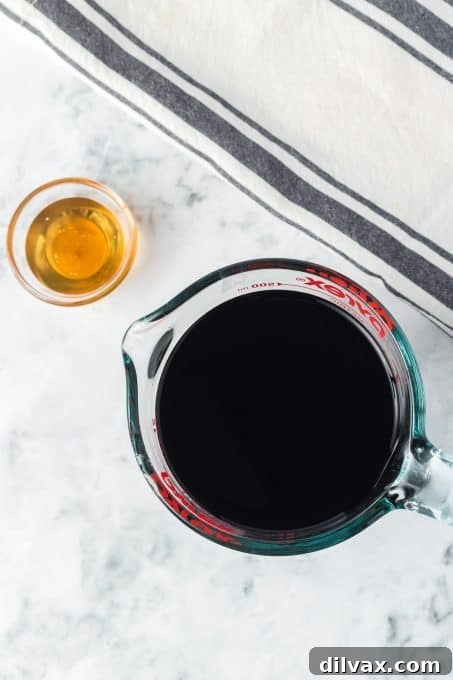
The Essential Ingredients for Your Homemade Balsamic Glaze Recipe
Creating a truly exceptional homemade balsamic glaze starts with selecting the right core ingredients. This recipe is wonderfully simple, requiring only two key components, but their quality significantly influences the final product.
Choosing the Right Balsamic Vinegar
The cornerstone of a superb balsamic glaze is a good quality balsamic vinegar. While you don’t need to splurge on the most expensive, aged Traditional Balsamic Vinegar (Aceto Balsamico Tradizionale DOP) for this recipe – as those are best enjoyed unreduced – investing in a decent quality “Balsamic Vinegar of Modena” (Aceto Balsamico di Modena IGP) is highly recommended. You can often find excellent options, like this one, at a reasonable price point.
What defines a good balsamic vinegar for reduction? Look for a product with a dark, rich color and a harmonious blend of mellow acidity with distinct sweet notes, reminiscent of cherry, plum, or molasses. Avoid vinegars that appear thin, watery, or have a very sharp, singular acidic taste. These often contain excessive amounts of wine vinegar and artificial caramel coloring, which won’t yield a rich, flavorful glaze.
To ensure you’re purchasing a quality balsamic, always check the ingredient list. “Cooked grape must” should ideally be listed first, and generally, the shorter the ingredient list, the better. Be aware that some manufacturers use thickeners to create a denser consistency in cheaper vinegars, mimicking an aged product. Don’t be fooled by thickness alone; focus on the authenticity and simplicity of the ingredients for the best results.
The Sweetener: Honey (Optional but Recommended)
I also include honey in this easy balsamic glaze recipe. Its primary purpose is to balance out the intense acidity of the balsamic vinegar, adding an extra layer of nuanced sweetness and contributing to that beautiful, syrupy consistency. While honey undeniably enhances the glaze’s flavor and texture, it is technically an optional ingredient. Feel free to omit it if you prefer a tangier, less sweet glaze, or if you are following specific dietary guidelines.
If you’re looking for alternatives, maple syrup can be a wonderful substitute, offering a slightly different but equally delicious flavor profile. A touch of brown sugar can also work in a pinch. The beauty of this recipe lies in its adaptability, allowing you to tailor the sweetness to your personal preference.
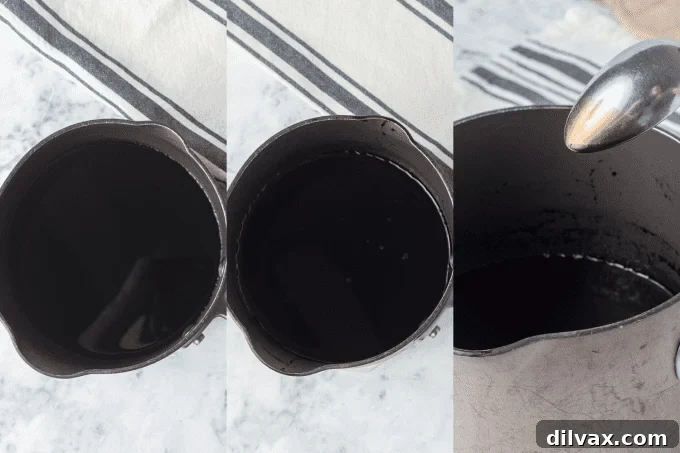
How to Make a Flawless Balsamic Vinegar Reduction
Crafting your own balsamic vinegar reduction is a straightforward process that yields impressive results. Follow these simple steps to achieve a perfectly glossy and flavorful glaze:
- **Combine Ingredients:** Begin by pouring your chosen balsamic vinegar and honey (if using) into a small, heavy-bottomed saucepan. A heavy-bottomed pan helps distribute heat more evenly, preventing scorching.
- **Bring to a Boil:** Place the saucepan over medium heat. Stir the mixture constantly until the honey is fully dissolved and the liquid gently comes to a boil. Constant stirring also ensures uniform heating.
- **Reduce Heat & Simmer:** Once boiling, immediately reduce the heat to low. Maintain a gentle simmer, allowing the vinegar to reduce slowly. Stir occasionally to prevent any part of the mixture from sticking to the bottom of the pan and ensure even evaporation. This crucial step is where the flavors concentrate and the liquid begins to thicken.
- **Watch for Consistency:** The reduction process typically takes about 20 to 30 minutes, but the exact time will vary based on your saucepan’s size and heat intensity. The glaze is done when it has reduced to approximately half of its original volume and visibly coats the back of a spoon. To test, dip a spoon into the glaze and lift it out. If the glaze clings to the spoon and you can draw a clean line through it with your finger, it’s ready. Remember that it will thicken considerably more as it cools, so err on the side of slightly thinner rather than too thick.
- **Ventilation is Key:** Do yourself a favor and avoid standing directly over the simmering pan, especially early in the process. The evaporating vinegar fumes can be quite intense and irritating. Ensure good ventilation in your kitchen by opening a window or using your exhaust fan.
- **Cool and Store:** Once your glaze has reached the desired consistency, remove the saucepan from the heat. Allow the homemade balsamic glaze to cool completely at room temperature. This cooling period is essential, as the glaze will continue to thicken significantly. Once fully cooled, carefully transfer the rich, syrupy glaze to an airtight container, such as a clean glass jar (a mason jar with a lid works perfectly), and store it in the refrigerator.
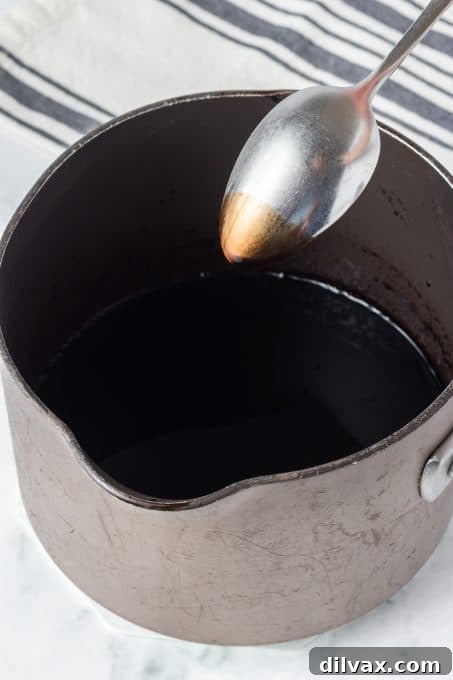
Longevity and Serving: How Long Does Balsamic Glaze Last?
One of the many appealing aspects of homemade balsamic glaze with honey is its impressive shelf life. When meticulously sealed in an airtight container and properly refrigerated, your freshly prepared glaze will maintain its exceptional flavor and consistency for approximately 2 weeks. This makes it a fantastic make-ahead condiment, perfect for busy weeks or for preparing in anticipation of a special gathering.
The versatility extends to its serving temperature as well. Many enjoy the glaze chilled, particularly when drizzling it over crisp, fresh salads, vibrant fruit platters, or creamy cheeses. When I incorporate it into warm dishes, such as perfectly roasted chicken or cooked vegetables, I personally prefer to let it come to room temperature first. This subtle adjustment allows the full spectrum of its complex flavors to unfold beautifully, complementing the warmth of the food without any conflicting chill. However, this is purely a matter of individual preference, and the glaze is delightful served straight from the fridge as well.
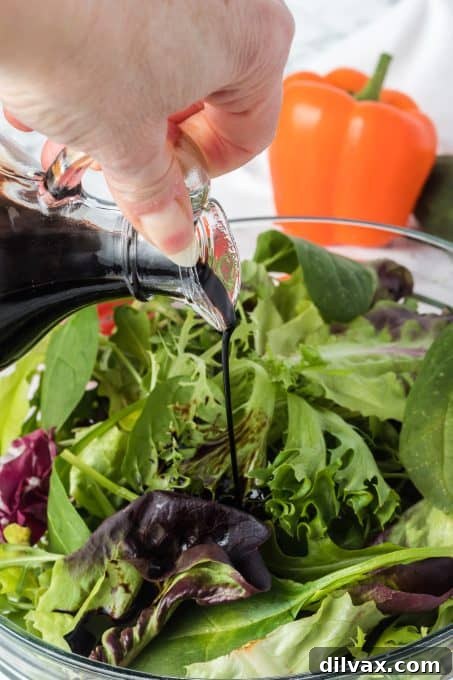
Endless Culinary Adventures: Creative Uses for Balsamic Glaze
The exceptional versatility of balsamic glaze makes it a culinary powerhouse, capable of elevating almost any dish. Its unique sweet, tangy, and acidic profile acts as a perfect foil and complement to a vast array of flavors. Here are numerous ideas to spark your creativity in the kitchen:
Appetizers & Starters:
- Elegant Goat Cheese Bites: Drizzle over sophisticated appetizers like Cranberry Pecan Goat Cheese Bites or a delightful Poached Pear and Goat Cheese Appetizer for an instant touch of gourmet flair.
- Classic Caprese: Enhance the simplicity of Caprese skewers or a Caprese salad with a generous swirl.
- Gourmet Bruschetta: A fantastic finishing drizzle for toasted bread topped with fresh tomatoes, basil, and a hint of garlic.
- Stuffed Mushroom Perfection: Imagine the delightful flavor contrast this glaze would add to Cream Cheese Stuffed Mushrooms – a truly irresistible combination!
- Elevated Charcuterie: Serve alongside aged cheeses, salty cured meats, and crusty artisanal bread on any charcuterie board.
Salads & Vegetables:
- Signature Salad Dressing: A luxurious alternative to standard vinaigrettes, particularly wonderful with mixed greens, toasted walnuts, and a crumbling of feta or goat cheese.
- Roasted Vegetable Dream: A magical finishing touch for Roasted Brussels Sprouts, tender asparagus, sweet carrots, vibrant bell peppers, or earthy mushrooms.
- Grilled Delights: Transforms simple grilled asparagus or zucchini into a sweet and savory sensation.
- Avocado Toast Twist: A surprising yet utterly delicious addition to avocado toast, perhaps with a sprinkle of red pepper flakes for an extra kick.
Main Courses & Proteins:
- Poultry Perfection: Drizzle over perfectly Oven Roasted Chicken, pan-seared chicken breasts, or even rich duck confit for a gourmet finish.
- Pork Enhancement: A natural complement to the richness of grilled or pan-fried pork chops.
- Steak & Lamb Luxury: Elevate grilled steaks, juicy lamb chops, or even beef tenderloin with a glossy, flavorful sheen.
- Delicate Fish: A subtle drizzle over baked salmon, flaky cod, or pan-seared swordfish enhances their natural flavors without overpowering them.
- Pasta Pizzazz: Add a unique, sweet-tangy element to simple pasta dishes featuring fresh tomatoes, basil, and a touch of olive oil.
Fruits & Desserts:
- Berry Bliss: A light drizzle over fresh strawberries, raspberries, blueberries, or mixed berries turns them into an elegant dessert.
- Grilled Fruit Sophistication: Pairs beautifully with grilled peaches or figs, especially when served with a dollop of vanilla ice cream or creamy mascarpone.
- Cheesecake Surprise: An unexpected but incredibly delightful topping for plain or vanilla cheesecake, offering a tangy counterpoint to the creamy sweetness.
- Ice Cream Extravaganza: Drizzle over a scoop of vanilla bean ice cream for a surprisingly sophisticated and delicious treat.
Beyond this incredible glaze, I am always ready to share crowd-pleasing recipes that make entertaining or weeknight dinners a breeze. From playful Lasagna Pasta Skewers, offering a fun, utensil-free spin on a classic, to my restaurant-quality Breaded Baked Ravioli – easier to make than you’d think! When all else fails, I often turn to my Quick and Simple Cheese Fondue recipe, a 5-minute wonder with inexpensive ingredients that everyone adores. For a more refined dip, try my Beer Cheese Dip, best served with homemade pretzel bites. Imagine the extra layer of gourmet flavor a drizzle of this homemade balsamic glaze could add to these already fantastic dishes!
Frequently Asked Questions About Homemade Balsamic Glaze
Below are answers to some of the most common questions regarding the preparation and use of this versatile condiment.
Can I make balsamic glaze without adding honey or other sweeteners?
Absolutely! While honey in this recipe contributes to a slightly sweeter flavor and a thicker, more luscious consistency, you can certainly make a perfectly delicious balsamic reduction using just balsamic vinegar. The process of simmering will still concentrate the vinegar’s natural sugars and acids, resulting in a rich, syrupy glaze with a more pronounced tartness. Experiment to find your preferred balance!
What’s the best type of balsamic vinegar to use for reduction?
For an excellent homemade glaze, I recommend using a good quality “Balsamic Vinegar of Modena” (IGP). You don’t need the most expensive, traditionally aged balsamic for reduction, as many of its delicate nuances can be lost during cooking. However, avoid very cheap, thin vinegars that are often primarily wine vinegar with added caramel coloring. Always look for “cooked grape must” as the first ingredient to ensure good flavor depth.
How do I know when my balsamic glaze has reached the perfect consistency?
The ideal balsamic glaze should reduce to about half its original volume and visibly coat the back of a spoon. A common test is to dip a spoon into the glaze and run your finger across the back; if the line holds without the glaze immediately flowing back together, it’s ready. Keep in mind that the glaze will thicken considerably more as it cools, so it’s always better to take it off the heat slightly before it reaches your perceived perfect thickness.
My glaze is too thick/too thin after cooling. How can I fix it?
If your cooled glaze is too thick to drizzle, gently warm it in a saucepan over low heat and stir in a small amount of regular balsamic vinegar or a tiny splash of water until it reaches your desired pourable consistency. If it’s too thin, simply return it to the saucepan and simmer over low heat for a few more minutes, stirring frequently, until it further reduces and thickens. Be careful not to scorch it.
Are there other sweeteners I can use besides honey?
Yes, absolutely! Maple syrup is a fantastic alternative that imparts a slightly different but equally delicious flavor. Brown sugar can also be used, though it might make the glaze a bit darker. Start with a conservative amount and taste as you go, adjusting to achieve your preferred level of sweetness. Each sweetener will slightly alter the final flavor profile, offering fun opportunities for customization.
What are some unexpected or unique ways to use balsamic glaze?
Beyond the classic applications on salads and roasted vegetables, get creative! Try drizzling balsamic glaze over your morning scrambled eggs, adding a tangy kick to avocado toast, or even using it as a sophisticated topping for creamy panna cotta or fruit tarts. It also makes a fantastic, unexpected addition to savory pizzas or flatbreads right after they come out of the oven, or as a component in marinades for grilled chicken or pork, adding a beautiful caramelization and depth of flavor during cooking.
This remarkably easy recipe, requiring just a few simple ingredients, creates a delicious and indispensable condiment for your kitchen. The tangy yet sweet flavor of this homemade balsamic vinegar glaze is the perfect accompaniment to egg dishes, robust aged cheeses, vibrant fruit salads, succulent pork chops, and, of course, the crowning glory atop any fresh green salad.
Easy Balsamic Glaze Recipe
Created by: Lynne Feifer
Recipe Details
Course: Condiment
Cuisine: American
Prep Time: 5 minutes
Cook Time: 25 minutes
Total Time: 30 minutes
Servings: 16 tablespoons (1 cup)
Ingredients
- 2 cups good quality balsamic vinegar
- 1 tablespoon honey (optional, for sweetness and thickness)
Instructions
- In a medium saucepan, combine the balsamic vinegar and honey (if using) over medium heat. Stir until the honey dissolves and the mixture comes to a boil.
- Reduce the heat to low and simmer gently for about 25 minutes, stirring occasionally. The glaze is ready when it has reduced to roughly half of its original volume and coats the back of a spoon. Remember, it will thicken further as it cools.
- Remove from heat and allow the homemade balsamic glaze to cool completely at room temperature.
- Once cooled, transfer the glaze to a tightly sealed jar or container and store it in the refrigerator.
Notes
Nutritional information is calculated per tablespoon. For best results and flavor, refer to the detailed tips in the article on how to choose the best quality balsamic vinegar for this recipe.
Nutrition Facts
Serving Size: 1 tablespoon
- Calories: 32 kcal
- Carbohydrates: 7 g
- Protein: 0.2 g
- Sodium: 7 mg
- Potassium: 36 mg
- Fiber: 0.003 g
- Sugar: 6 g
- Vitamin C: 0.01 mg
- Calcium: 9 mg
- Iron: 0.2 mg
Did you make this delicious recipe?
I would love to see your creations! Share them with me on Instagram, and don’t forget to follow me on Pinterest for more inspiring recipes and culinary tips!
Consider sharing this recipe with your friends: Email this recipe or Pin this recipe to your board.