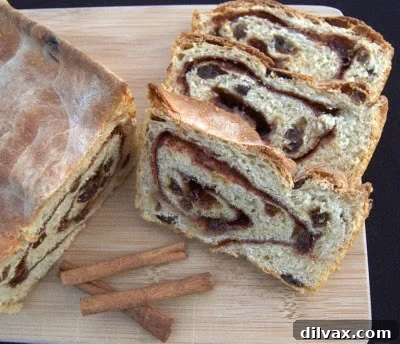
Irresistible Homemade Cinnamon Raisin Bread: A Classic Recipe for Your Kitchen
There’s nothing quite like the comforting aroma of freshly baked bread filling your home. And when that aroma is spiced with warm cinnamon and sweet raisins, it becomes an experience truly unparalleled. This isn’t just any bread; it’s a timeless classic that evokes cozy mornings and delightful gatherings. Perfect with your morning coffee, as a satisfying snack, or even transformed into a luxurious French toast, this homemade cinnamon raisin bread recipe promises to be a staple in your baking repertoire.
Adapted from the revered Fannie Farmer Cookbook, Thirteenth Edition, this recipe yields two generous loaves, making it ideal for sharing with loved ones or for freezing one to enjoy later. Prepare to embark on a baking journey that culminates in incredibly soft, flavorful, and utterly delicious bread that you’ll be proud to serve.
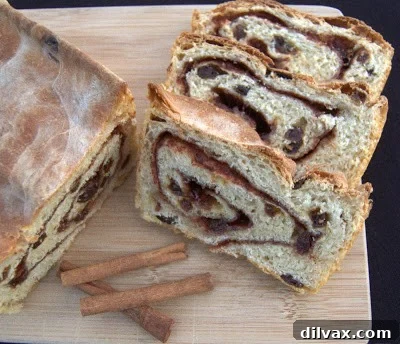
Why Bake Your Own Cinnamon Raisin Bread?
While store-bought options are convenient, nothing compares to the taste and texture of homemade bread. When you bake from scratch, you control every ingredient, ensuring a product free from unwanted preservatives and artificial flavors. The process itself is incredibly rewarding, from kneading the dough to watching it rise, and finally pulling golden-brown loaves from the oven. The unparalleled freshness, the tender crumb, and the robust flavors of cinnamon and plump raisins make homemade cinnamon raisin bread an indulgence worth every minute spent in the kitchen. It’s a wonderful way to connect with traditional baking methods and create lasting memories with family and friends around a delicious, wholesome treat.
Cinnamon Raisin Bread – Makes 2 Loaves
Ingredients:
- 2 tablespoons shortening (or unsalted butter for richer flavor)
- 2 teaspoons salt
- 2 tablespoons granulated sugar
- 1 cup whole milk
- 1 cup water
- 1 package active dry yeast (approximately 2 1/4 teaspoons)
- 1/4 cup warm water (for dissolving yeast)
- 6 cups all-purpose flour, approximately (you might need slightly more or less)
- 1 1/2 cups raisins
For the Cinnamon Sugar Swirl:
- 4 tablespoons unsalted butter, melted
- 1/2 cup granulated sugar
- 5 teaspoons ground cinnamon
Step-by-Step Baking Instructions:
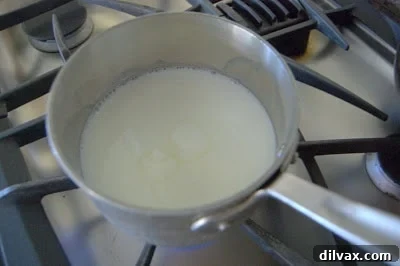
- Prepare the Liquid Base: In a medium saucepan, combine the shortening, salt, 2 tablespoons of sugar, milk, and 1 cup of water. Heat over low heat, stirring occasionally, until the shortening is completely melted and the mixture is very warm (around 120-130°F or 49-54°C). This temperature is crucial to melt the fats and dissolve the sugar without scalding the milk.
- Cool to Lukewarm: Remove the saucepan from the heat and allow the mixture to cool down to lukewarm (around 105-115°F or 40-46°C). This temperature is ideal for activating yeast; if it’s too hot, it will kill the yeast, and if it’s too cool, the yeast won’t activate properly.
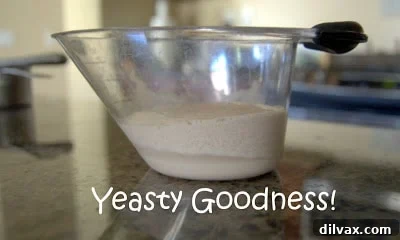
- Activate the Yeast: While the milk mixture cools, combine 1/4 cup of warm water (lukewarm, 105-115°F) with the active dry yeast in a small measuring cup or bowl. Stir gently and let it sit for about 5 minutes. You should see a foamy layer form on top, indicating that the yeast is active and ready to work its magic.
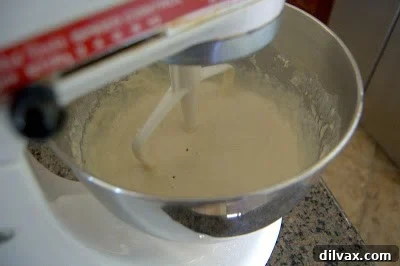
- Combine Wet and Dry Ingredients: Pour the cooled milk mixture into a large mixing bowl (or the bowl of a stand mixer). Add 3 cups of the all-purpose flour and the activated yeast mixture.
- Initial Mixing: If using a stand mixer with the paddle attachment, beat the ingredients until they are well combined and a shaggy dough begins to form. If mixing by hand, use a sturdy spoon to mix thoroughly.
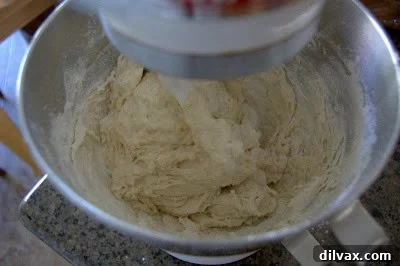
- Add More Flour: Gradually add 2 more cups of flour to the dough, mixing well after each addition until the flour is fully incorporated. The dough will become thicker and stickier at this stage.
- Incorporate Raisins: Add the raisins to the dough and mix them in thoroughly. Ensure they are evenly distributed throughout the dough.
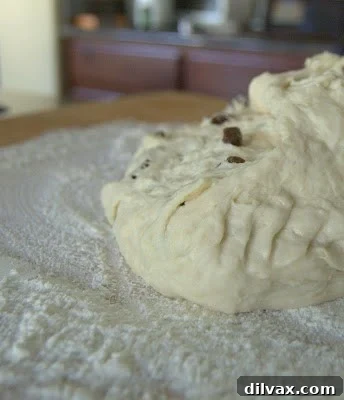
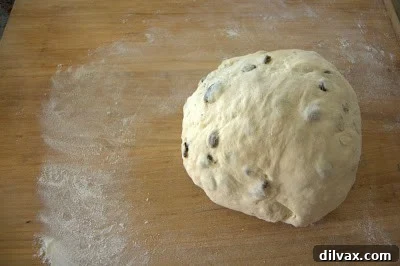
- First Kneading Stage: Turn the dough out onto a lightly floured surface. Knead the dough for approximately 2 minutes, adding just enough additional flour (from the remaining 1 cup) as needed to prevent it from sticking excessively to your hands or the counter. This initial kneading helps to bring the dough together.
- Rest the Dough: Cover the dough with a clean towel and allow it to rest for 10 minutes. This resting period, known as “autolyse” in professional baking, allows the flour to fully hydrate and the gluten to begin developing, making the dough easier to work with during the main kneading phase.
- Second Kneading Stage: After resting, continue to knead the dough until it becomes smooth, supple, and elastic. This typically takes another 5-10 minutes. You can test for proper kneading by performing the “windowpane test”: stretch a small piece of dough thinly; if you can see light through it without it tearing, your gluten is well developed.
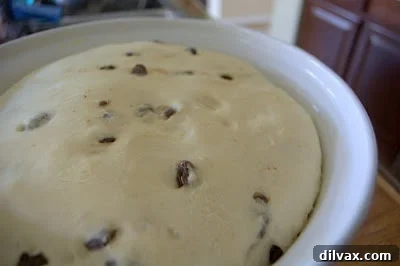
- First Rise (Bulk Fermentation): Place the kneaded dough into a large bowl that has been lightly greased with butter or cooking spray. Turn the dough once to coat it all over. Cover the bowl with a clean kitchen towel or plastic wrap. Place it in a warm, draft-free area (like an oven with the light on, or a warm spot on your counter) until it has doubled significantly in bulk, which usually takes about 1 hour. This process allows the yeast to produce carbon dioxide, giving the bread its airy texture.
- Prepare the Cinnamon Swirl: While the dough is rising, melt the 4 tablespoons of butter in a small microwave-safe bowl. In a separate small bowl, combine the 1/2 cup of granulated sugar and 5 teaspoons of ground cinnamon, mixing well. The generous amount of cinnamon is key to the bread’s incredible flavor.
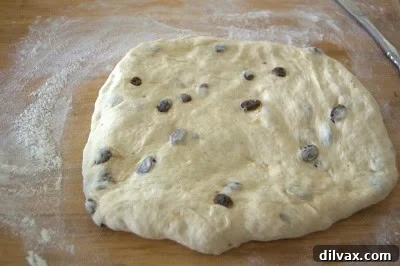
- Punch Down and Divide: Once the dough has doubled, gently punch it down to release the accumulated gases. Turn the dough out onto a lightly floured surface and divide it evenly into two halves. Keep one half in the greased bowl, covered with a piece of greased plastic wrap, to prevent it from drying out.
- Shape the First Loaf: Take one half of the dough and gently pat and shape it into an 8-inch square on your lightly floured surface.
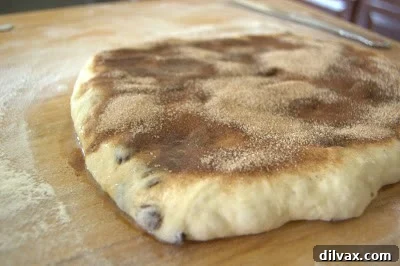
- Add Butter and Cinnamon Sugar: Brush the surface of the dough square with half of the melted butter. Then, generously sprinkle half of the cinnamon sugar mixture completely over the entire surface of the buttered dough.
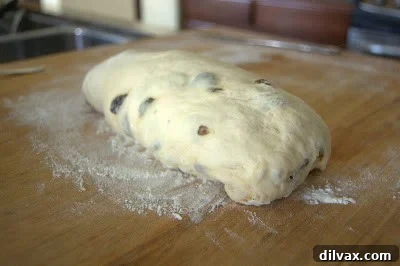
- Roll the Dough: Starting from one side of the square, slowly and tightly roll the dough into a log. Once rolled, pinch the seam along the bottom to seal it securely. Then, gently pinch the ends of the roll together and fold them under the loaf to create a neat, sealed seam, which prevents the cinnamon sugar from leaking out during baking.
- Place in Pan: Carefully place the rolled loaf, seam-side down, into a standard loaf pan that has been greased.
- Repeat for Second Loaf: Repeat the entire shaping process with the other half of the dough: pat and shape into an 8-inch square, brush with the remaining melted butter, sprinkle with the remaining cinnamon sugar mixture, roll, pinch the ends, and place into a second greased loaf pan.
- Second Rise (Proofing): Place both loaf pans in a warm, draft-free area, cover them loosely with a clean towel, and let them rise again until they have nearly doubled in bulk. This second rise typically takes about 1 hour and is essential for achieving a light and airy texture in the final bread.
- Preheat Oven: About 15 minutes before the second rise is complete, preheat your oven to 425°F (220°C).
- Initial Bake: Bake the bread in the preheated oven for 15 minutes. This initial high heat creates “oven spring,” where the bread rapidly expands for a good rise and helps form a beautiful crust.
- Reduce Heat and Continue Baking: After 15 minutes, reduce the oven temperature to 375°F (190°C). Continue to bake for an additional 30 minutes, or until the loaves are golden brown and sound hollow when tapped on the bottom. If the tops are browning too quickly, you can loosely tent them with aluminum foil.
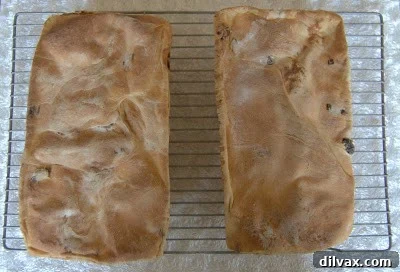
- Cool Completely: Remove the bread from the pans immediately after baking and transfer them to a wire rack to cool completely. Cooling on a wire rack allows air to circulate around the loaves, preventing the bottom crust from becoming soggy. Resist the urge to slice into them too soon, as they continue to cook and set as they cool.
Baking Insights and Lessons Learned
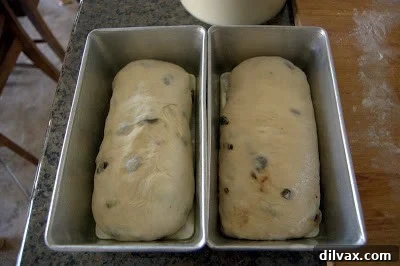
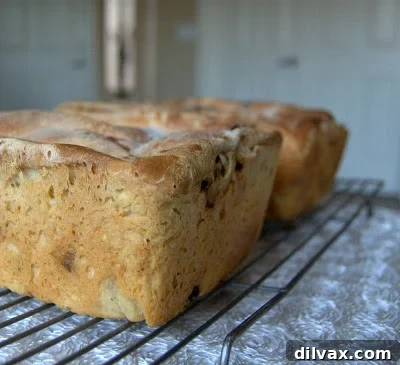
Baking, especially with yeast, is a journey that often comes with its own set of delightful surprises and valuable lessons. You might expect your loaves to be beautifully domed after the second rise, standing tall and proud. However, sometimes life, and yeast, have other plans!
In one instance, my loaves didn’t quite achieve that majestic second rise, appearing flatter than anticipated. The culprit? An unintentional extended proofing period. I started the second rise around 11 AM and didn’t get back to them until 4 PM. As any seasoned baker knows, over-proofing can cause the gluten structure to weaken and collapse, leading to a flatter loaf. But fear not! Even with a slightly less dramatic rise, the flavor of this cinnamon raisin bread remained absolutely phenomenal.
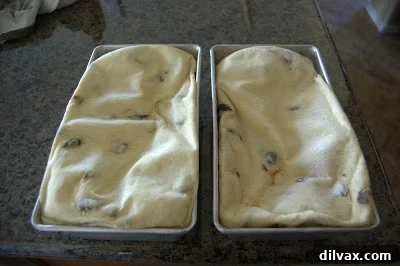
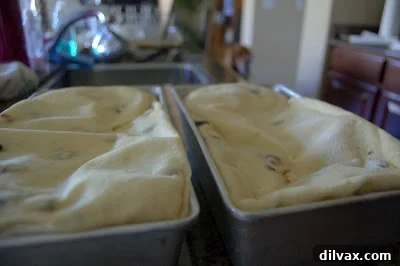
Baking is a beautiful blend of science and art, and sometimes real-life commitments mean we can’t always hover over the oven. These little imperfections are simply part of the charm of homemade cooking. The joy comes from the process and the incredible results, even when they’re not picture-perfect.
The Unforgettable Taste Experience
Despite any minor mishaps, the final verdict on this Cinnamon Raisin Bread was unequivocally outstanding. On a scale where 4 is the absolute best, these loaves proudly earned a remarkable 3 1/2 rolling pins! Truly, OH. MY. GOODNESS! The texture was incredibly tender and soft, a delightful contrast to the chewy raisins. It wasn’t “moist” in a wet sense, but rather perfectly delicate and never dry. I found myself at a loss for words to truly capture its perfection – you simply have to try it to understand.
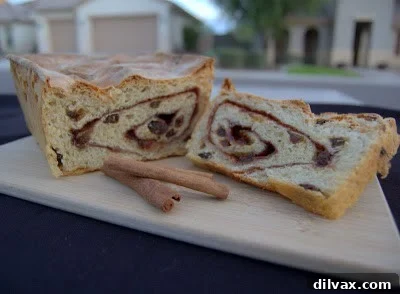
So incredibly delicious.
The dough achieved a flawless consistency, and the cinnamon… oh, the cinnamon! I initially worried that 5 teaspoons might be overpowering, but it was absolutely, perfectly balanced. Each bite delivered that quintessential warm spice, beautifully complementing the sweetness of the raisins. It was so incredibly yummy that I instantly craved a toasted slice with my morning coffee. Seriously, I went to bed early just so I could wake up sooner and enjoy it!
*Special Note: I froze one of these loaves specifically to make French Toast over Thanksgiving weekend, and it turned out to be THE MOST DELICIOUS French Toast I have ever created! My family absolutely adored it and devoured every last piece. This is a must-try transformation for any leftover loaf – though I doubt you’ll have much left! I will definitely be making this again!*
A Little Kitchen Adventure: The Unexpected Salmon Plunge
Sometimes, the kitchen serves up more than just delicious food – it offers memorable, albeit chaotic, moments. Just last night, I prepared a lovely dinner: Basil Baked Salmon, alongside some crispy sweet potato chips and, yes, even some bottled applesauce (a small culinary shortcut!). Salmon isn’t always the cheapest, but it’s a wonderfully healthy fish, and I found a great sale. Plus, we hadn’t enjoyed it since Day 215 – a whopping 51 days ago!
The table was set, the food was ready, and Mr. 365 was still relaxing on the couch. Our daughter stood by the table, watching me plate the salmon. As I went to serve Mr. 365, something entirely unplanned happened:

I swear, I couldn’t have replicated that if I had tried! A perfectly good-sized piece of salmon slipped off the fork and landed smack dab into his apple juice! My initial reaction was pure disgust. Not only had I ruined a good piece of fish and a glass of juice, but I’d also wasted about $4 worth of food due to a momentary lapse in carefulness. I was truly upset. I stared at the unfortunate sight, then silently walked away from the table, leaving my daughter suppressing giggles.
But then, I started to laugh too. It was undeniably funny, and of course, it had to be documented. Still, the underlying disgust remained! Mr. 365, on the other hand, was unfazed. He simply declared it didn’t matter and that he’d eat it anyway. “Blech!” I thought. He often mixes his food on his plate anyway, so perhaps I had just accelerated his process. Oh, how I love that man for his easygoing nature!
Thank you for joining me on this baking adventure. I hope this detailed guide inspires you to create your own magnificent Cinnamon Raisin Bread. There’s a special satisfaction that comes from mastering a classic, and this recipe delivers on all fronts – flavor, texture, and the warmth of a homemade treat.
Happy baking, everyone! I send you all BIG baking hugs and muffins (and maybe a little bit of advice to keep your salmon out of your apple juice)!