
Naturally Unclog Your Bathroom Sink: The Eco-Friendly DIY Guide for Clear Drains
A slow-draining bathroom sink is more than just an inconvenience; it’s a common household frustration that often signals an underlying issue with your plumbing. Beyond the annoyance of standing water, a sluggish drain can quickly become a breeding ground for bacteria, mold, and unpleasant odors, compromising the hygiene of your bathroom – a space that should be a sanctuary of cleanliness. This issue becomes even more critical during seasons when health and sanitation are top priorities. If water lingers in your basin instead of swiftly disappearing, it’s time to take action, and thankfully, the solution doesn’t involve harsh chemicals or expensive plumber calls.
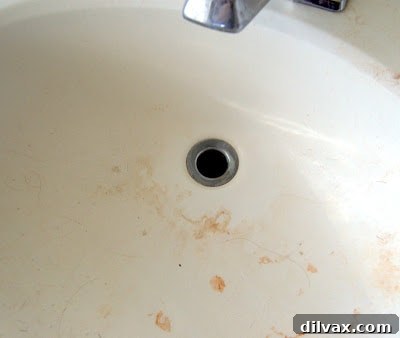
For me, the struggle with slow-draining master bathroom sinks began shortly after we moved into our home. It was a persistent problem that escalated to the point where a professional plumber’s intervention was necessary. While their work provided temporary relief, the familiar gurgle and sluggish flow inevitably returned after only a few months. My long hair certainly contributes to the issue, but I suspect years of buildup from previous occupants also played a significant role. The mere thought of confronting the grimy, disgusting contents of the P-trap – the notorious “black gook” – filled me with dread. Disassembling that pipe to clear a blockage felt like a truly revolting task, one I was determined to avoid at all costs.
Even the preliminary step of removing the sink stopper to gain access to the drain was enough to make my skin crawl. The sight of accumulated hair, soap scum, and other indescribable crud clinging to the stopper was a stark reminder of the problem lurking below. This aversion fueled my quest for a cleaner, simpler, and less stomach-churning method than traditional plumbing interventions or the potentially damaging chemical drain cleaners available on the market. These commercial products often come with strong, offensive odors, and from my experience, their effectiveness can be hit or miss. More importantly, they pose risks to your health, your home’s plumbing, and the environment. Happily, the answer to a flawlessly draining sink lies in a powerful trio of humble, natural ingredients: baking soda, white distilled vinegar, and readily available tap water.
The Unseen Dangers of Clogged Drains and Harsh Chemical Solutions
Understanding what causes drain clogs and why natural solutions are superior is key to maintaining a healthy home. Clogged drains are typically a cocktail of everyday detritus:
- Hair: The most common culprit in bathroom sinks and showers. Hair strands intertwine, forming dense webs that trap other debris.
- Soap Scum: A sticky residue formed from the reaction of soap with hard water minerals. It adheres to pipe walls, narrowing the passage and trapping hair.
- Toothpaste and Cosmetics: These products can build up over time, contributing to the sticky film that lines your pipes.
- Mineral Deposits: Hard water can leave mineral scale inside pipes, further restricting flow and providing more surfaces for clogs to adhere to.
Beyond the inconvenience, a clogged drain poses several risks: it can harbor germs and bacteria, leading to foul odors and an unhygienic environment. In severe cases, it can cause water backup, potentially leading to water damage and costly repairs. While chemical drain cleaners promise a quick fix, they come with a hefty price:
- Environmental Damage: Highly corrosive chemicals enter our wastewater systems, harming aquatic life and polluting water sources.
- Plumbing Hazards: The intense heat and corrosive nature of these chemicals can degrade PVC pipes, weaken metal pipes, and damage rubber seals, potentially leading to leaks or pipe bursts.
- Health Risks: Strong fumes can irritate lungs, eyes, and skin. Accidental contact or ingestion can be severely harmful to humans and pets.
- Ineffectiveness on Tough Clogs: Often, these chemicals only partially dissolve a clog, leaving a gooey residue that hardens, making the problem worse over time.
By opting for a natural approach, you not only avoid these pitfalls but also embrace a safer, more sustainable method that is gentle on your pipes and kind to the planet.
How to Unclog a Sink Drain Naturally: Your Step-by-Step Guide
This incredibly effective method leverages the power of simple household ingredients to clear your drains, leaving them fresh and free-flowing. Get ready to bid farewell to your slow-draining woes!
Materials You’ll Need:
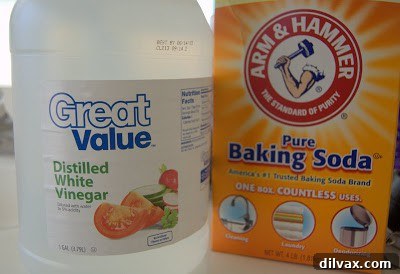
- 1/2 cup baking soda (sodium bicarbonate)
- 1 cup white distilled vinegar (acetic acid)
- A large pot of water (approximately 1 gallon)
- An old rag or a temporary drain stopper
- A small bowl or shallow container (optional, for catching any potential drips under the P-trap)
- Pliers or a wrench (if needed to remove your sink stopper’s bolt)
- A damp cloth for cleaning
Detailed Step-by-Step Instructions:
-
Preparation and Stopper Removal:
Begin by placing a small bowl or container directly beneath the P-trap U-bend under your sink. While this method typically doesn’t involve disassembling pipes, unexpected drips can occur, and it’s always better to be prepared. Next, you need to remove your sink stopper. Most bathroom sink stoppers are connected by a rod extending from the back of the faucet into the drainpipe. You’ll usually find a nut or bolt behind the pipe that secures this rod. Loosen it with pliers or a wrench, then pull the stopper mechanism out. Once the stopper is free, give it a thorough cleaning. You’ll likely find it coated in a considerable amount of hair, soap residue, and grime – a major contributor to reduced drainage. Use an old toothbrush or paper towel to scrub it clean, then rinse it thoroughly.
-
Clean the Drain Area and Add Baking Soda:
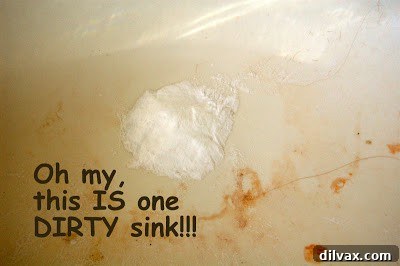
With the stopper removed, use a damp cloth to wipe around the rim and entrance of the drain hole. This ensures that the opening is clear and ready for the treatment. Now, carefully pour the 1/2 cup of baking soda directly down the drain. Try to get as much of it as possible into the pipe, avoiding scattering it around the basin. Baking soda acts as a mild abrasive, helps to physically scour the pipe walls, and is a fantastic natural deodorizer, starting to neutralize any foul odors emanating from the drain.

-
Introduce the Vinegar for a Powerful Reaction:
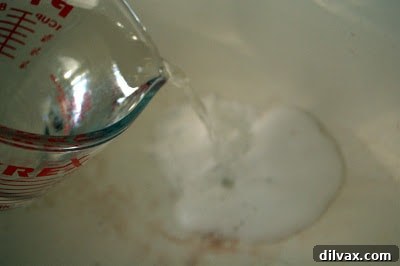
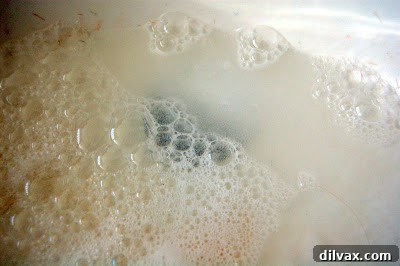
Slowly and steadily pour the 1 cup of white distilled vinegar down the drain, directly onto the baking soda. You will immediately observe a vigorous fizzing and bubbling action. This effervescent reaction is the core of the natural unclogging process! The acetic acid in the vinegar reacts with the bicarbonate in the baking soda to produce carbonic acid, which rapidly decomposes into water and carbon dioxide gas. This release of gas creates pressure and agitation within the pipe, helping to physically dislodge and break apart stubborn clogs composed of hair, grease, and soap scum.
-
Seal and Allow the Magic to Work:
Immediately after pouring the vinegar, firmly place an old rag or a temporary stopper over the drain opening. This step is critical! By sealing the drain, you trap the gaseous reaction within the pipes, forcing the effervescence to work downwards and directly on the clog, rather than allowing the bubbles to dissipate harmlessly into the air above the sink. Allow this powerful mixture to work its magic for at least 30 minutes. For particularly stubborn or long-standing clogs, you might extend this waiting period to an hour or even let it sit overnight if it’s convenient.
-
Flush with Boiling Water for a Final Clear-Out:
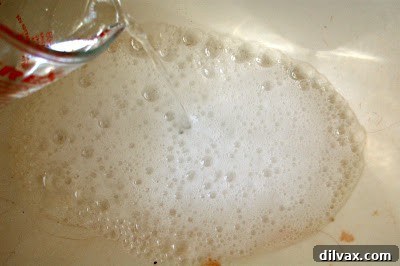
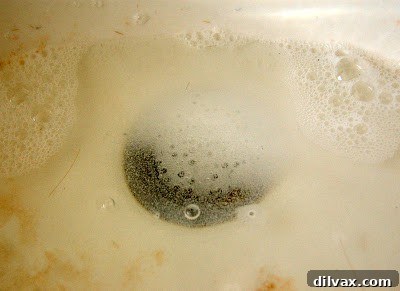
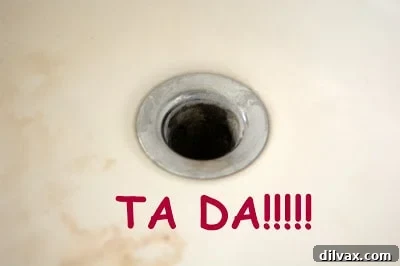
While the baking soda and vinegar are actively breaking down the clog, fill a large pot with water and bring it to a rolling boil on your stovetop. Once your waiting period is complete, carefully remove the rag or stopper from the sink. Then, slowly and cautiously pour the entire pot of boiling water directly down the drain. The extreme heat of the boiling water serves a dual purpose: it helps to further liquefy any remaining greasy deposits or soap scum, and its sheer volume provides a powerful flush, pushing the loosened debris completely out of your pipes and into the main sewage system. Listen for the satisfying sound of freely flowing water – the unmistakable sign of a successfully unclogged drain!
Troubleshooting and Proactive Drain Maintenance
In the vast majority of cases, this natural method proves incredibly effective on the first attempt. However, if you’re dealing with a particularly severe or stubborn clog, a bit more effort might be required:
- Repeat the Process: If your drain is still flowing slowly after the initial attempt, don’t be discouraged. A deeply set clog may simply need more time and another round of the baking soda, vinegar, and boiling water treatment. Repeat the entire process for a second application.
- Extended Soak: For truly resilient blockages, consider letting the baking soda and vinegar mixture sit in the drain for an extended period, perhaps several hours or even overnight. The longer contact time can help break down tougher obstructions more effectively.
- Consider a Drain Snake: If multiple attempts with the natural method yield no significant improvement, it might indicate a more solid or deeply embedded obstruction beyond the reach of the chemical reaction. In such cases, a simple drain snake (or plumbing auger), which can be rented or purchased from hardware stores, might be necessary to physically dislodge the clog.
Prevention is Key: Maintaining Clear Drains Long-Term
The most effective strategy against clogged drains is proactive prevention. Incorporating these simple habits into your routine will significantly reduce the likelihood of future blockages:
- Install Drain Protectors: These inexpensive mesh screens or hair catchers fit over your drain opening and are incredibly effective at trapping hair, soap pieces, and other debris before they enter your pipes. Clean them regularly.
- Flush with Hot Water: After each use of the sink, let the hot water run for an extra minute or two. This helps to flush away any residual soap scum, toothpaste, and loose hair before they can accumulate and harden.
- Monthly Maintenance Treatment: Adopt a preventative approach by performing the baking soda and vinegar treatment once a month, even if your drain seems fine. This routine will dissolve minor buildups before they become major problems, keeping your pipes consistently clear.
- Avoid Grease: While more common in kitchen sinks, never pour grease or cooking oils down any drain in your home. Grease solidifies as it cools, creating sticky blockages that are extremely difficult to remove.
- Brush Hair Before Washing: A quick brush of your hair before you wash your face or shower can dramatically reduce the amount of loose hair that ends up in your drain.
When to Contact a Professional Plumber
While DIY natural methods are highly effective for common clogs, there are situations where professional plumbing assistance is essential. It’s time to call a plumber if:
- The clog persists and shows no signs of improvement after multiple, diligent attempts with natural remedies and mechanical tools like a drain snake.
- You experience multiple drains in your home clogging simultaneously, as this often indicates a more significant blockage in your main sewer line.
- You notice water backing up in other fixtures (e.g., the toilet gurgles when you use the sink) – a strong sign of a shared pipe blockage.
- There’s a persistent and strong sewage odor emanating from your drains, suggesting a serious issue within the wastewater system.
- You suspect a broken pipe, leak, or any other structural damage to your plumbing infrastructure.
Embracing natural cleaning solutions for your home, especially for routine maintenance tasks like drain unclogging, aligns perfectly with a lifestyle focused on sustainability and well-being. It’s truly remarkable how effective Mother Nature’s ingredients can be, eliminating the need for harsh, polluting chemicals that harm both our environment and our health. Anytime I can leverage these simple, natural remedies for household chores, I feel a greater sense of peace and pride. There are already enough synthetic pollutants impacting our bodies and ecosystems; why add more if we don’t have to?
The satisfaction of seeing my sink drain effortlessly, the water swiftly disappearing without a trace of pooling, is incredibly gratifying. It transforms a daily chore into a moment of simple joy. And the absolute best part, beyond the perfectly functioning sink, is the knowledge that you’re making a positive contribution to the environment. That’s good karma in action, a small step towards a more sustainable home!
So, go ahead, gather your baking soda and vinegar, and give your bathroom sink the natural, eco-friendly treatment it deserves. You’ll be amazed at the difference, and your pipes, your family, and the planet will undoubtedly thank you for it. Now, if you’ll excuse me, I’m off to revel in my now sparkling clean bathroom and enjoy the quiet efficiency of clear drains!
Here’s to big baking hugs, delicious muffins, and impeccably clean sinks with water that flows perfectly – naturally!