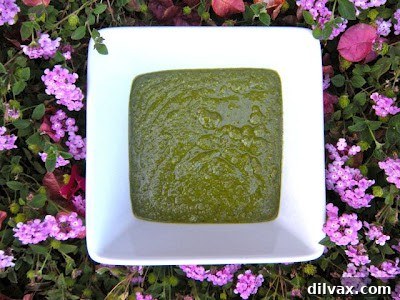
Mastering Homemade Pesto: A Versatile Sauce for Every Dish
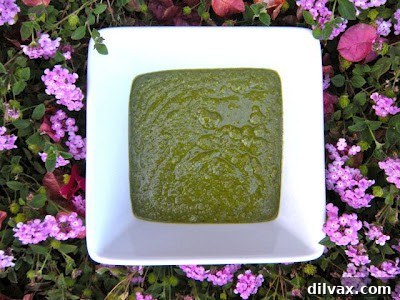
Ah, pesto! This vibrant green sauce is a true culinary marvel, renowned for its fresh flavor and incredible versatility. Whether you’re a seasoned chef or a beginner in the kitchen, learning how to make homemade pesto is a game-changer. It’s not just for pasta; imagine elevating everything from simple salads to gourmet entrées like grilled chicken or roasted vegetables with a dollop of this fragrant sauce. In this comprehensive guide, we’ll dive deep into crafting the perfect pesto, exploring its rich history, practical applications, and why our easy recipe, adapted from the brilliant Brown Eyed Baker, is a must-try.
The Irresistible Allure of Homemade Pesto
For many, the first encounter with pesto is a revelation. I confess, for a long time, I actually avoided this delicious condiment, mistakenly believing it might cause digestive discomfort similar to other strong-flavored dressings. What a missed opportunity that was! Discovering the joy of fresh pesto, free from any adverse reactions, was a delightful surprise. And trust me, once you taste homemade, you’ll rarely go back to store-bought versions. The difference in freshness, aroma, and intensity is incomparable – a truly authentic experience that elevates any dish.
Pesto, originating from Genoa in the Liguria region of Italy, traditionally consists of crushed garlic, European pine nuts, coarse salt, basil leaves, Parmigiano-Reggiano (or Pecorino Sardo cheese), and extra virgin olive oil, all carefully blended with a mortar and pestle. The name itself, “pesto,” comes from the Genoese word “pestâ,” meaning “to crush” or “to pound,” vividly reflecting its traditional preparation method. While a mortar and pestle offer an authentic, time-honored experience that some purists still advocate, modern food processors make the task effortlessly quick and convenient, bringing this classic Italian sauce within reach for even the busiest home cooks. The result is a vibrant, aromatic sauce that captures the essence of fresh ingredients.
Why This Easy Pesto Recipe Stands Out: The Walnut Advantage
One of the most defining characteristics of traditional pesto is the inclusion of pine nuts. These delicate nuts contribute to pesto’s rich texture and subtly sweet flavor. However, pine nuts can be quite expensive, sometimes acting as a financial barrier for those looking to make pesto regularly or in larger batches. This particular recipe offers a fantastic, budget-friendly, and equally delicious alternative: walnuts. Not only are walnuts more accessible and significantly more affordable, but they also lend a slightly earthier, heartier flavor profile to the pesto, complementing the pungent freshness of the basil and garlic beautifully. This clever substitution doesn’t compromise on taste or texture; in fact, many find walnut pesto to be exceptionally delightful, offering a slightly different but equally appealing character.
Beyond the cost-effectiveness, walnuts offer a distinct nutritional advantage. They are celebrated for being packed with beneficial omega-3 fatty acids, powerful antioxidants, and a variety of essential vitamins and minerals. These nutrients contribute significantly to heart health, brain function, and overall well-being. So, when you choose walnuts for your homemade pesto, you’re not just saving money and enjoying a unique flavor; you’re also adding a substantial healthy boost to your meal. This makes walnut pesto a smart choice for both your palate and your health.
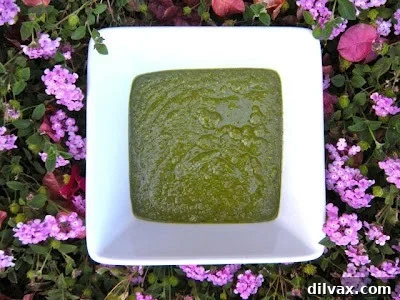
Easy Homemade Walnut Pesto
Created by: Lynne Feifer
Course: Main Course, Sauce, Condiment
Cuisine: Italian
Prep Time: 15 minutes
Total Time: 15 minutes
This easy pesto recipe is incredibly versatile and can be used in countless dishes. From simple pasta salads to flavorful pork chops, this homemade sauce is quick to prepare and guaranteed to add amazing flavor to your meals.
Ingredients
- 3 cups fresh basil leaves (firmly packed)
- ½ cup chopped walnuts
- 5 cloves garlic, minced
- ¾ cup grated Romano cheese (or Parmesan, for a milder flavor)
- ¾ cup extra virgin olive oil (choose a high-quality one for the best taste!)
Instructions
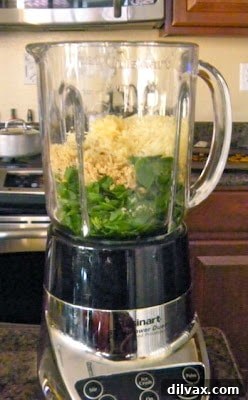
- In the bowl of a food processor or blender, combine the fresh basil leaves, chopped walnuts, and minced garlic. Pulse the machine 5-7 times until the ingredients are roughly chopped and beginning to mix. Be careful not to over-process at this initial stage.
- With the food processor or blender running on a low speed, slowly and gradually drizzle in the extra virgin olive oil. This slow addition is crucial for emulsifying the pesto, resulting in a smooth, creamy, and beautifully vibrant green sauce.
- Stop the machine and use a spatula to scrape down the sides and bottom of the bowl, ensuring all ingredients are incorporated. Add the grated Romano cheese to the mixture. Pulse a few more times until all the ingredients are thoroughly blended and the pesto reaches your desired consistency – some prefer it chunkier, while others like it perfectly smooth.
- Before serving or storing, taste the pesto and adjust the seasoning if necessary. You might want to add a small pinch of salt if your cheese isn’t very salty, or a touch more olive oil for a looser, more spreadable consistency.
Notes
This simple recipe yields approximately 1.5 cups of delicious homemade pesto, making it perfect for several meals or for freezing to enjoy later. Store in an airtight container.
Nutrition Information (per recipe serving)
- Calories: 1429kcal
- Carbohydrates: 11g
- Protein: 23g
- Fat: 147g
- Saturated Fat: 25g
- Cholesterol: 52mg
- Sodium: 606mg
- Potassium: 396mg
- Fiber: 3g
- Sugar: 1g
- Vitamin A: 2740IU
- Vitamin C: 11.8mg
- Calcium: 673mg
- Iron: 3.8mg
Tips for Pesto Perfection
- Embrace Fresh, High-Quality Ingredients: The heart of an outstanding pesto lies in the freshness of your basil and the quality of your olive oil. Always opt for vibrant green basil leaves, free from blemishes, and invest in a good extra virgin olive oil. The flavor difference is undeniable.
- Avoid Over-processing: While a food processor simplifies the task, over-processing can generate excessive heat. This heat can oxidize the delicate basil leaves, causing your pesto to lose its beautiful vibrant green color and sometimes even develop a slightly bitter taste. Pulse in short bursts and keep a close eye on the consistency.
- Consider Toasting Your Walnuts (Optional): For an even deeper, more complex, and nuttier flavor, lightly toast the walnuts in a dry skillet over medium heat for a few minutes before adding them to the food processor. Be sure to let them cool completely before use to prevent them from heating the other ingredients.
- Customize Consistency to Your Liking: Pesto consistency is a matter of personal preference. If your pesto seems too thick for your intended use (e.g., as a pasta sauce), simply add a little more olive oil, a tablespoon at a time, until it reaches your desired smoothness and texture. If it’s too thin, you might consider adding a bit more cheese or walnuts.
- Experiment with Cheeses: While Pecorino Romano cheese offers a distinct sharp, salty, and tangy kick, grated Parmesan cheese can provide a milder, nuttier, and slightly sweeter flavor profile. Feel free to use a blend of both or choose your preferred hard Italian cheese to tailor the pesto to your taste.
Storing Your Homemade Pesto for Freshness
Homemade pesto is a delicious condiment that can be enjoyed fresh or stored for later use. In the refrigerator, your freshly made pesto will keep well for up to a week when stored properly. To prevent oxidation and maintain its vibrant green color, always press a layer of plastic wrap directly onto the surface of the pesto before sealing the container with a lid. Alternatively, you can pour a thin layer of extra virgin olive oil over the top of the pesto before refrigerating; this creates a barrier against air. For longer storage, pesto freezes beautifully. Spoon individual portions of pesto into ice cube trays and freeze until solid. Once frozen, transfer the pesto cubes to an airtight freezer bag or container. This convenient method allows you to easily grab a single portion whenever you need a burst of fresh flavor, without having to thaw the entire batch. Frozen pesto typically lasts for several months without compromising quality.
Beyond Pasta: Creative Ways to Enjoy Your Homemade Pesto
While pesto and pasta are a classic and undoubtedly a match made in culinary heaven, the versatility of this incredible sauce extends far beyond. Don’t limit yourself to just one application! Homemade pesto can transform an ordinary meal into something extraordinary with just a spoonful. Here are just a few inspiring ideas to broaden your kitchen horizons and incorporate more pesto into your diet:
- Delicious Spreads and Dips: Blend pesto into cream cheese for a flavorful bagel spread, or swirl it into hummus, Greek yogurt, or sour cream for a quick, aromatic dip that’s perfect with vegetables or crackers.
- Elevate Sandwiches and Wraps: Spread a thin, generous layer of pesto on bread, wraps, or flatbreads for an instant flavor upgrade that adds depth and freshness to your lunch.
- Brighten Up Eggs: Drizzle a spoonful of pesto over scrambled eggs, omelets, frittatas, or even a simple fried egg for a burst of herbaceous flavor at breakfast or brunch.
- Enhance Soups and Stews: Stir a tablespoon or two into vegetable soup, minestrone, or even a creamy tomato soup right before serving. It adds a fresh, aromatic depth that’s truly comforting.
- Flavorful Roasted Vegetables: Toss chopped vegetables like zucchini, bell peppers, asparagus, or potatoes with pesto before roasting. The flavors meld beautifully as they caramelize in the oven.
- Marinades and Finishing Sauces: Use pesto as a dynamic marinade for grilled chicken, fish, shrimp, or pork. It also works wonderfully as a vibrant finishing sauce spooned over cooked meats or seafood, adding moisture and intense flavor.
- Unique Pizza Base: Replace traditional tomato sauce with pesto for an incredibly unique and flavorful pizza base. Top with fresh mozzarella, cherry tomatoes, and perhaps some grilled chicken for a gourmet touch.
- Vibrant Salad Dressing: Whisk pesto with a little extra olive oil, lemon juice, and a touch of vinegar for a quick and vibrant salad dressing that elevates any green salad.
- Savory Compound Butter: Blend softened butter with pesto to create a savory compound butter. This is fantastic melted over grilled steaks, corn on the cob, or simply spread on warm, crusty bread.
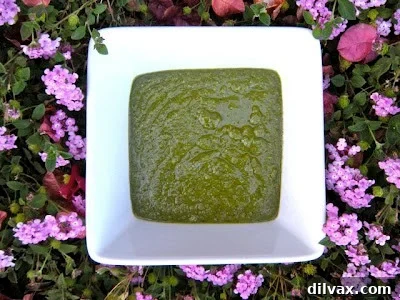
A Personal Touch and Invitation
Experiencing this easy pesto recipe for the first time was a truly delightful culinary journey, one that proudly earned a solid 3.5 out of 4 rolling pins in my personal rating system. It delivered a delicious “kick” that perfectly complemented simple pasta, immediately opening my eyes to the incredible flavors and possibilities this sauce holds. The thought of exploring the nuanced differences in taste when using traditional pine nuts versus walnuts is certainly intriguing, and I encourage you to experiment with different nut variations to find your personal favorite. This recipe is a wonderful testament to how simple, fresh ingredients can come together to create something truly extraordinary and profoundly satisfying.
I am always thrilled to see how you incorporate my recipes into your culinary creations and make them your own. If you decide to whip up this easy homemade pesto, please share your experience and showcase your delicious results! Feel free to tag me on Instagram and don’t forget to follow me on Pinterest for more mouth-watering recipes, kitchen inspiration, and baking adventures. Happy cooking!