The Ultimate Spinach, Bacon & Gruyère Quiche Recipe: A Culinary Journey to Perfection
There’s something undeniably comforting and sophisticated about a perfectly baked quiche. It’s a dish that effortlessly transitions from a hearty breakfast to an elegant dinner, proving its versatility time and again. While some might shy away from its preparation, believing it to be complex, we’re here to guide you through crafting a truly exceptional Spinach, Bacon, and Gruyère Quiche that will win over even the most skeptical palates. Forget preconceived notions – a truly satisfying quiche is within your reach, and it’s a meal that consistently brings joy to the table.
In this comprehensive guide, we’ll share a cherished recipe, born from years of experimentation and a desire for quiche perfection. We’ll delve into the secrets of a flaky homemade pastry shell, a rich and flavorful filling, and perhaps most importantly, how to navigate the often-tricky world of oven temperatures to ensure your quiche is perfectly set every time. Prepare to clean out those mental cobwebs, as we unlock the full potential of this classic savory pie. Get ready to bake a quiche that’s destined to become a new family favorite!
Mastering the Flaky Homemade Pastry Shell
A truly great quiche begins with an outstanding crust. While store-bought options offer convenience, there’s an unparalleled satisfaction and superior flavor that comes from a homemade pastry shell. For this recipe, we’ve drawn inspiration from the classic Fannie Farmer Cookbook, Thirteenth Edition, page 639, authored by Marion Cunningham and published by Alfred A. Knopf, Inc.
Ingredients for a 9-inch Pastry Shell:
- 1½ cups all-purpose flour
- ¼ teaspoon salt
- ½ cup shortening (chilled)
- ¼ teaspoon dried dill (optional, for an herbal note)
- 3-4 tablespoons cold water (you may need a bit more, sometimes up to 7 tablespoons, depending on your flour and environment)
Step-by-Step Pastry Shell Instructions:
- Prepare Your Oven: Begin by preheating your oven to 450ºF (230ºC). This initial high temperature is crucial for blind baking.
- Combine Dry Ingredients: In a medium-sized bowl, thoroughly whisk together the flour and salt.
- Cut in Shortening: Add the cold shortening to the flour mixture. Using a pastry blender or two cold knives, cut the shortening into the flour. Work quickly to prevent the shortening from melting. Continue until the mixture resembles coarse meal or very tiny peas, ensuring its texture is uniform with small crumbs and bits of shortening. This ensures a tender and flaky crust.
- Add Dill (Optional): If using, sprinkle the dried dill seasoning into the flour mixture and lightly combine.
- Incorporate Water: Sprinkle the cold water over the flour mixture, one tablespoon at a time. Using a fork, gently mix the ingredients. Add just enough water until the pastry comes together when lightly pressed. Overworking the dough or adding too much water will result in a tough crust.
- Roll Out the Dough: On a lightly floured surface, roll the dough out into a circle approximately 2 inches larger than your 9-inch pie pan. This extra circumference allows for proper crimping.
- Fit into Pan: Carefully transfer the rolled-out dough into the pie pan. Fit it loosely but firmly, gently pressing it against the bottom and sides without stretching.
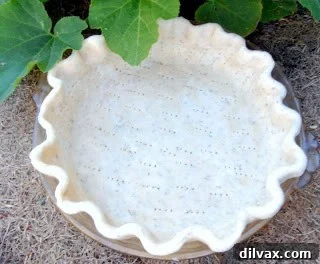
- Crimp the Edges: Crimp or flute the edges of the pastry to create an attractive border and help prevent shrinkage during baking.
- Blind Baking – First Stage: Cover the pastry shell with a double lining of aluminum foil, pressing it gently into the pan. Bake for 8 minutes at 450ºF (230ºC).
- Blind Baking – Second Stage: Remove the foil and bake for an additional 8 minutes, or until the crust appears set and dry.
- Troubleshooting Tip: During my baking, I noticed the bottom of the crust was still moist and slightly bubbly after the initial uncovered bake. To remedy this and ensure a perfectly crisp bottom, I carefully lined the still-warm crust with parchment paper and filled it with dry rice as a weight. This added another 10 minutes to the blind baking time. This step is highly recommended for a truly firm base.
- Decrease Oven Temperature: Once the crust is blind-baked to your satisfaction, decrease the oven temperature to 325ºF (160ºC). This lower temperature will be used for baking the filled quiche.
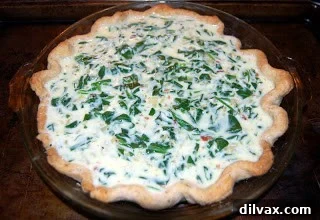
A note on piercing the crust: You might notice my images show a pricked crust. In my haste, I momentarily forgot that for a quiche, it’s generally best to avoid pricking the bottom of the crust, as the custard filling can seep through the holes, potentially leading to a soggy bottom. However, with the blind baking and weighted parchment method, any minor imperfections tend to be mitigated. Don’t fret over tiny holes too much if you find yourself in a similar situation!
Crafting the Irresistible Spinach, Bacon & Gruyère Filling
The heart of any quiche lies in its rich, savory filling. This combination of smoky bacon, earthy spinach, and nutty Gruyère cheese creates a harmonious blend of flavors that is both comforting and sophisticated. Each ingredient plays a vital role in building a complex and satisfying taste profile.
Ingredients for the Quiche Filling:
- 4 slices thick-cut bacon
- ½ cup chopped yellow onion
- 1 large garlic clove, minced
- 1 (8 oz) bag fresh spinach, thoroughly chopped
- 1 cup shredded Gruyère cheese
- 4 large eggs, beaten
- 1½ cups whole milk (for a creamier custard)
- 1 tablespoon all-purpose flour
- ¼ teaspoon salt
- Freshly ground black pepper to taste
Preparing the Savory Quiche Filling:
- Cook the Bacon: In a large skillet over medium-high heat, cook the bacon until it is crispy. Once cooked, remove the bacon slices and place them on a plate lined with a paper towel to drain excess grease. Once cooled, crumble the bacon into small pieces. Reserve at least one tablespoon of bacon drippings in the skillet.
- Sauté Aromatics: Using the reserved bacon drippings (which adds incredible depth of flavor), sauté the chopped onion and minced garlic in the same skillet for about 3-4 minutes, or until the onions have softened and become translucent, and the garlic is fragrant. Be careful not to burn the garlic.
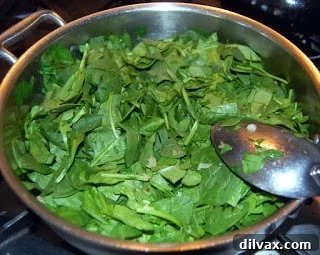
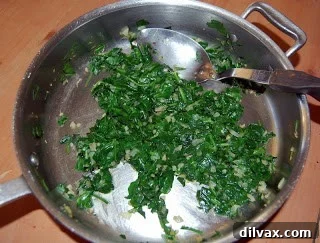
- Wilt the Spinach: Add the chopped fresh spinach to the skillet with the sautéed onions and garlic.
- Continue Sautéing: Continue to sauté the spinach until it is thoroughly wilted and has significantly reduced in volume, typically 5-7 minutes. This step is crucial to remove excess moisture that could make your quiche soggy. Remove the skillet from heat and set aside to cool slightly.
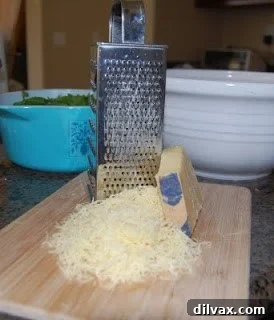
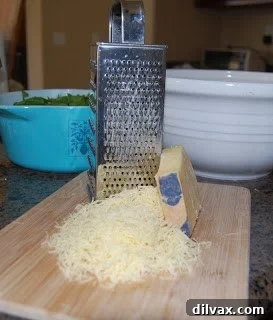
- Prepare Cheese Mixture: In a small bowl, combine the shredded Gruyère cheese with the flour. Mix thoroughly until the cheese is completely coated. This flour coating helps to prevent the cheese from sinking to the bottom of the quiche during baking, ensuring even distribution. Set this mixture aside.
- Create the Custard Base: In a large mixing bowl, beat the eggs until they are light and frothy. Stir in the milk, salt, and freshly ground black pepper.
- Combine Filling Ingredients: Add the crumbled bacon and the flour-coated cheese mixture to the egg and milk custard. Mix well to ensure everything is evenly distributed.
- Integrate Spinach Mixture: Finally, add the cooled spinach, onion, and garlic mixture from the skillet to the large bowl with the custard. Mix everything together one last time to ensure all ingredients are well combined.
- Pour into Crust: Carefully pour the entire filling mixture into your prepared, blind-baked pie crust.

The Quiche Baking Conundrum: Perfecting Temperature and Time
Now, we arrive at what can be the most challenging, yet rewarding, part of quiche making: the baking process. Achieving that perfectly set, creamy custard without over-browning the crust or having a runny center often comes down to precise oven temperature and timing. This is where your executive decision-making skills come into play, informed by both general guidelines and personal experience.
My initial baking experience with this particular quiche proved to be quite an adventure. Despite consulting numerous cookbooks that suggested a quiche with added ingredients like bacon, spinach, and cheese would typically set in about 45-50 minutes at 325ºF (160ºC), my quiche seemed to defy all expectations. After the prescribed time, a knife inserted into the center still came out wet – a sure sign it wasn’t ready. The hungry masses were growing impatient, and the prospect of quiche for breakfast rather than dinner loomed large!
Our Recommended Baking Method (Based on Experience):
To avoid similar frustrations and achieve a beautifully set quiche, here’s the adjusted approach that ultimately yielded perfect results:
- Initial Bake: Place the quiche in your oven, which should already be preheated to 325ºF (160ºC) (after blind baking the crust). Bake for approximately 50 minutes. At this point, the edges should begin to look set, but the center will likely still be wobbly.
- Temperature Adjustment: Increase your oven temperature to 350ºF (175ºC). Continue baking for another 15 minutes.
- Check for Doneness: After this additional time, gently jiggle the quiche. The edges should appear mostly firm, and the center should have only a slight jiggle. Insert a thin knife or skewer into the center. If it comes out clean, your quiche is done. If it’s still wet, continue baking for another 10-15 minutes at 350ºF (175ºC), checking every few minutes.
Total Baking Time: Expect approximately 50 minutes at 325ºF (160ºC), followed by 25-30+ minutes at 350ºF (175ºC). Remember, oven temperatures can vary, so visual cues and the knife test are your best friends. The goal is a golden-brown top, a set custard, and a crisp bottom crust.
While patience was certainly tested (sweet potato fries temporarily appeased the crowd!), the end result was absolutely worth the wait. This baking schedule allowed the quiche to cook through evenly, transforming from a wobbly liquid to a perfectly firm and creamy delicacy.

The Verdict: A Quiche Transformation and Unexpected Delights
Indeed, good things truly do come to those who wait. This particular quiche marked a significant culinary achievement in our household. My husband, who previously expressed reservations about quiche, actually loved it this time! This was a delightful surprise, as it signaled a successful evolution of a family favorite.
The children, while generally fans of quiche, were a little less thrilled with some of the changes. In the past, I typically used a simpler cheddar/Colby cheese blend and a thawed box of frozen spinach that wasn’t sautéed. I also often resorted to a convenient store-bought pie crust. However, for this recipe, I yearned for something different, a bolder flavor profile, and the satisfaction of a completely homemade dish.
The real star of this transformation was undoubtedly the Gruyère cheese. Having never used it in a quiche before, I was captivated by its rich, nutty, and slightly sweet flavor profile. It elevated the entire dish, adding a layer of sophisticated depth that cheddar simply can’t replicate. It’s safe to say Gruyère has earned a permanent spot in my quiche repertoire.
Regarding the dill in the crust: while it added an interesting herbal note, I found it almost too many competing flavors when combined with the robust filling. I could distinctly taste the dill only when eating the crust on its own. For future iterations, I might omit it to let the subtle, buttery flavor of the homemade crust shine through more purely, allowing the filling to truly be the star.
Using my personal rating system of 1-4 (with 4 being the best), this particular quiche proudly earned 3 rolling pins. It’s a testament to the fact that taking the time to make components from scratch and experimenting with high-quality ingredients can truly elevate a dish from good to great. The challenges encountered during baking only made the final success taste sweeter.
Expert Tips for Quiche Perfection:
- Always Blind Bake: Don’t skip blind baking your crust. This crucial step prevents a soggy bottom, ensuring your quiche has a firm, flaky base. Using parchment paper and pie weights (like dry rice or beans) during the second half of blind baking is highly recommended.
- Don’t Overmix the Dough: For a tender pastry shell, mix the dough just until it comes together. Overmixing develops gluten, leading to a tough crust.
- Properly Drain Spinach: Whether using fresh or frozen spinach, ensure it’s thoroughly wilted and squeezed of all excess moisture. Waterlogged spinach will release liquid into your custard, making it runny.
- Pre-coat Cheese with Flour: Tossing your shredded cheese with a tablespoon of flour helps distribute it evenly throughout the filling and prevents it from sinking to the bottom of the quiche.
- Monitor Baking Closely: Oven temperatures vary. Rely on visual cues (golden brown top, puffed edges) and the knife test (clean insertion) rather than strictly adhering to time. A slight jiggle in the center is acceptable, as it will continue to set as it cools.
- Allow to Rest: Once out of the oven, let your quiche rest for at least 10-15 minutes before slicing. This allows the custard to fully set, making for cleaner cuts and a more stable slice.
- Experiment with Cheeses: While Gruyère is fantastic, don’t be afraid to try other cheeses like Swiss, sharp cheddar, or even a blend to customize your quiche’s flavor profile.
This journey to the perfect Spinach, Bacon, and Gruyère Quiche has been an educational and delicious one. We hope these detailed instructions and personal insights empower you to create your own outstanding savory pie. Happy baking, and may your quiche always be perfectly set!