
Ultimate Roasted Vegetable Chicken Lasagna: A Flavorful Family Favorite
Prepare to elevate your weeknight dinners and special occasions with this incredible Roasted Vegetable Chicken Lasagna recipe. While the thought of making lasagna from scratch might conjure images of culinary complexity, rest assured, this dish is far more approachable than it appears. Drawing on classic techniques, we’ll guide you through creating a rich, creamy, and undeniably delicious lasagna that will have everyone asking for seconds. My own experience with this recipe confirmed its status as a definite winner, earning rave reviews and a permanent spot in our dinner rotation. If you’ve ever made lasagna before, you’ll find the process familiar and deeply satisfying. Even if you’re a novice, our detailed steps ensure success.
Why This Lasagna Will Be Your New Favorite
What makes this particular lasagna so special? It’s the harmonious blend of textures and tastes. Imagine tender, caramelized roasted butternut squash and eggplant, providing a sweet and savory depth. Couple that with succulent shredded chicken, a creamy, velvety homemade béchamel sauce, and a robust ricotta filling, all layered between tender pasta sheets. Each bite is a symphony of flavors, reminiscent of gourmet restaurant dishes but with the comforting warmth of a home-cooked meal. This recipe doesn’t just feed the body; it nourishes the soul. It’s a fantastic way to incorporate more vegetables into your diet, and the make-ahead potential makes it perfect for busy schedules.
The Heart of the Dish: Ingredients You’ll Need
Crafting this exquisite lasagna requires a few key components, each playing a vital role in the final flavor profile. We’ve broken down the ingredients by section to help you organize your culinary journey. This recipe serves 4 generously, making it ideal for a cozy family dinner or a small gathering.
Overall Lasagna Components
- Prepared Roasted Vegetables (see section below)
- 1 cup cooked chicken, shredded (Leftover rotisserie chicken is an excellent time-saver and adds great flavor)
- Prepared Béchamel Sauce (see section below)
- Prepared Ricotta Filling (see section below)
- 8 No-Bake lasagna noodles
- 2 cups shredded mozzarella cheese
- Grated Parmesan cheese, for topping
For the Ultimate Roasted Vegetables
Roasting vegetables transforms their natural sugars, intensifying their flavor and giving them a delightful caramelized edge. This step is crucial for the depth of taste in our lasagna.
- 1 Chinese eggplant (or 1 small regular eggplant)
- 1 small butternut squash
- 1/4 cup olive oil
- 2 teaspoons fresh marjoram, finely chopped
- 2 teaspoons fresh oregano, finely chopped
- 1 clove garlic, minced
- 1/2 teaspoon salt
- 1/4 teaspoon freshly ground black pepper
For the Velvety Béchamel Sauce
A true béchamel sauce is the secret to a luscious, creamy lasagna without relying on a tomato-based sauce. Its rich, subtle flavor complements the roasted vegetables beautifully.
- 3 1/2 tablespoons unsalted butter
- 1/4 cup plus 2 tablespoons all-purpose flour
- 3 cups warm whole milk
- 1/2 teaspoon salt, plus more to taste
- 1/8 teaspoon ground white pepper, plus more to taste
- 1/8 teaspoon freshly ground nutmeg, plus more to taste
For the Rich Ricotta Filling
The ricotta filling provides a creamy, tangy contrast and another layer of texture. The egg acts as a binder, ensuring the filling holds its shape beautifully within the layers.
- 1 large egg
- 1 (15 oz.) container part-skim ricotta cheese
- 2 teaspoons fresh parsley, finely chopped
- 1/2 cup grated Parmesan cheese
Step-by-Step Guide to Crafting Your Lasagna
Now that we have all our ingredients ready, let’s dive into the cooking process. We’ll tackle each component systematically to ensure a smooth and enjoyable cooking experience.
1. Preparing Your Flavorful Roasted Vegetables
This initial step brings out the best in our star vegetables, the butternut squash and eggplant. The roasting process not only softens them but also concentrates their flavors, adding an unparalleled depth to your lasagna.
- Preheat your oven to 400°F (200°C). Prepare two rimmed baking sheets by lining them with parchment paper for easy cleanup and to prevent sticking.
- Carefully peel the butternut squash. Cut it into thin, uniform slices, ideally less than 1/4 inch thick. Place these slices into a large mixing bowl.
- Peel the eggplant and cut it into slices approximately 1/4 inch thick. Add these to the bowl with the squash.
- To the bowl, add the olive oil, fresh marjoram, fresh oregano, minced garlic, salt, and freshly ground black pepper. Toss everything together thoroughly, ensuring all the vegetable slices are evenly coated with the herb and oil mixture. This ensures every piece gets infused with flavor.
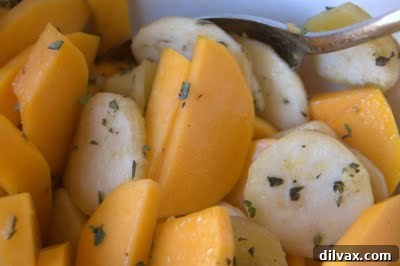
Spread the coated squash and eggplant slices in a single layer onto the prepared baking sheets. Avoid overcrowding the sheets, as this can steam the vegetables instead of roasting them, preventing that desirable caramelization. If necessary, use a third sheet.
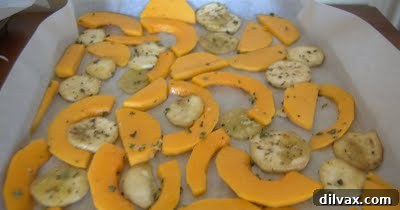
Bake for 50 minutes, stirring the vegetables once about halfway through to ensure even cooking and browning. Keep a close eye on the eggplant, as it tends to cook faster and can brown (and burn) more quickly than the squash. If the eggplant appears done sooner, remove it from the oven to prevent overcooking, allowing the squash to continue roasting until tender and slightly caramelized.
2. Mastering the Creamy Béchamel Sauce
While your vegetables are roasting, you can move on to preparing the béchamel sauce. This classic French sauce is the foundation of many creamy dishes and lends a luxurious texture to our lasagna. Patience and continuous whisking are key here.
- In a 2-quart saucepan, melt the unsalted butter over medium heat. Be careful not to let it brown.
- Once the butter is melted, add the all-purpose flour. Whisk continuously for about 2 minutes to create a smooth roux. This step cooks out the raw flour taste and forms the base for thickening our sauce.
- Gradually, pour in the warm whole milk, a little at a time, whisking constantly and vigorously to prevent any lumps from forming. The warmth of the milk helps it incorporate more smoothly.
- Continue to simmer the sauce over medium heat, whisking constantly. The sauce will gradually thicken and become smooth and creamy, which typically takes about 10 minutes. It’s important not to allow the sauce to boil rapidly, as this can cause it to break or become grainy.
- Remove the saucepan from the heat. Stir in the initial 1/2 teaspoon of salt, 1/8 teaspoon of ground white pepper, and 1/8 teaspoon of freshly ground nutmeg. Taste the sauce and adjust the seasonings as needed, adding more salt, pepper, or nutmeg to suit your preference. Freshly grated nutmeg offers the best aroma and flavor.
- If you’re preparing the sauce in advance, cool it completely, then cover it tightly and refrigerate for up to 3 days. Otherwise, leave it in the pan, ready for assembly.
3. Crafting the Savory Ricotta Filling
The ricotta filling is delightfully simple to prepare, yet it contributes significantly to the lasagna’s texture and flavor, offering a wonderful creaminess and a touch of tang.
- In a small mixing bowl, lightly beat the large egg. The egg acts as a crucial binder, preventing the ricotta layer from becoming crumbly during baking.
- Add the 15-ounce container of part-skim ricotta cheese, finely chopped fresh parsley, and grated Parmesan cheese to the beaten egg.
- Mix all the ingredients thoroughly until well combined and smooth. Ensure there are no large lumps of ricotta.
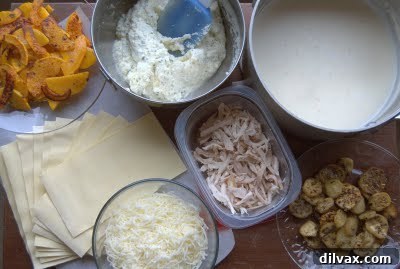
4. Assembling Your Lasagna Masterpiece
With all components ready, it’s time for the exciting part: assembling the layers that will transform into your magnificent lasagna. Precision here ensures beautiful slices, but remember, even if layers aren’t perfectly even, the flavors will meld wonderfully during baking.
- Once your roasted vegetables are done, reduce the oven temperature to 375°F (190°C).
- Prepare an 8×8-inch baking dish by coating it thoroughly with cooking spray. This prevents sticking and makes cleanup easier.
- Pour or ladle about 1/2 cup of the béchamel sauce into the bottom of the prepared baking dish, spreading it evenly. This foundational layer prevents the noodles from sticking and adds moisture.
- Place two no-bake lasagna noodles side-by-side on top of the sauce, breaking them slightly if needed to fit the dish.
- Carefully spread 1/3 of the ricotta filling evenly over the noodles.
- Arrange 1/2 of the roasted butternut squash slices in a single layer over the ricotta.
- Distribute 1/3 of the cooked chicken evenly over the squash layer.
- Ladle about 1/3 cup of béchamel sauce over the chicken, then sprinkle with 1/4 cup of shredded mozzarella cheese.
- Cover this layer with another two no-bake noodles.
- Spread another 1/3 of the ricotta mixture over these noodles.
- Arrange all of the roasted eggplant slices in a single layer over the ricotta.
- Cover the eggplant with the remaining 1/3 of the chicken, then sprinkle with another 1/4 cup of mozzarella cheese.
- Ladle another 1/3 cup of the béchamel sauce over this layer.
- Place the final two noodles in the dish.
- Spread the remaining ricotta filling, the remaining 1/2 of the roasted squash, and any leftover chicken.
- Sprinkle with another 1/4 cup of mozzarella cheese.
- Add another 1/3 cup of béchamel sauce.
- Cover the top with the remaining sauce, the remaining mozzarella cheese, and a generous sprinkling of grated Parmesan cheese. This top layer will become beautifully golden and bubbly.
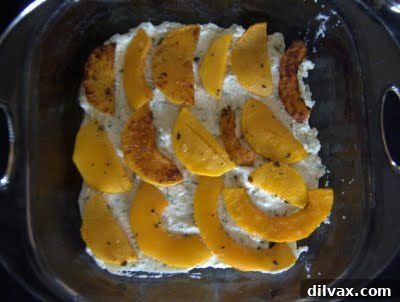
Baking to Golden Perfection
The final step is to bake your masterpiece until it’s golden, bubbly, and fragrant. This is where all the wonderful flavors meld together to create a truly unforgettable dish.
Place the assembled lasagna in the preheated 375°F (190°C) oven. Bake for 45-50 minutes, or until the top is golden brown, the sauce is bubbly, and the cheese is melted and slightly caramelized. If the top starts to brown too quickly, you can loosely tent it with aluminum foil.
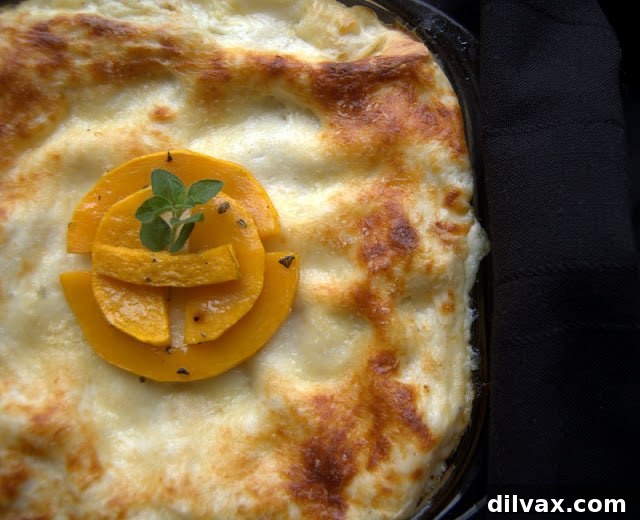
Once baked, remove the lasagna from the oven and let it rest for at least 10-15 minutes before slicing and serving. This crucial resting period allows the layers to set, preventing the lasagna from collapsing when cut and ensuring neat, beautiful portions. It also helps redistribute the heat and juices, resulting in a more cohesive and flavorful dish.

Expert Tips for Lasagna Success
Achieving the perfect lasagna is within your reach! Here are some additional tips and tricks to make your cooking experience even smoother and your final dish even more spectacular.
Ingredient Swaps & Customizations
- Vegetables: Feel free to experiment with other roasting-friendly vegetables. Zucchini, bell peppers, mushrooms, or even chopped spinach (sautéed to remove excess water) can be wonderful additions or substitutions.
- Chicken: While rotisserie chicken is convenient, you can also use baked or poached chicken breast, shredded. For a vegetarian option, simply omit the chicken, or replace it with cooked lentils or plant-based crumble. Italian sausage (cooked and crumbled) also makes a fantastic addition.
- Cheese: Beyond mozzarella and Parmesan, consider adding a layer of provolone, fontina, or smoked gouda for extra depth and gooeyness. A sprinkle of fresh ricotta salata on top after baking can also be delightful.
- Herbs: Don’t limit yourself to marjoram and oregano. Fresh thyme, rosemary, or a sprinkle of dried Italian seasoning can enhance the roasted vegetables. A handful of fresh basil in the ricotta filling would also be excellent.
Make-Ahead & Storage Solutions
- Prepare Ahead: You can assemble the entire lasagna up to 24 hours in advance. Cover it tightly with plastic wrap and refrigerate. When ready to bake, remove it from the fridge 30-60 minutes before baking to allow it to come closer to room temperature, then bake as directed (you might need to add 5-10 minutes to the baking time).
- Freezing: Lasagna freezes exceptionally well. You can freeze an unbaked lasagna (covered tightly with foil then plastic wrap) for up to 3 months. Thaw overnight in the refrigerator before baking. Alternatively, bake the lasagna, let it cool completely, then slice into individual portions and freeze in airtight containers. Reheat thawed portions in the oven or microwave.
- Béchamel Sauce: As mentioned, the béchamel can be made up to 3 days in advance and stored in the refrigerator. Reheat gently over low heat, whisking constantly, and add a splash of milk if it’s too thick.
Troubleshooting Common Lasagna Issues
- Watery Lasagna: This often happens if vegetables aren’t sufficiently cooked down or if ricotta isn’t drained properly. Ensure your roasted vegetables are tender, and if using watery veggies like zucchini, pat them dry after roasting.
- Dry Lasagna: Not enough sauce can lead to a dry lasagna. Don’t skimp on the béchamel! Also, ensure your noodles are adequately covered by sauce or filling to prevent them from drying out.
- Burnt Top: If the cheese is browning too quickly, simply loosely tent the baking dish with aluminum foil for the remainder of the baking time.
The Verdict: A Dish Worth Every Effort
After all the anticipation, the moment of truth arrives. This Roasted Vegetable Chicken Lasagna truly delivers. On a personal rating scale of 1-4, with 4 being the pinnacle, this dish proudly earned 3 1/2 rolling pins. The intricate dance of flavors from the perfectly roasted vegetables, the tender chicken, and the incredibly smooth béchamel sauce created a culinary harmony that was nothing short of incredible. Everything came together seamlessly, reminding me of the best butternut squash ravioli I’ve savored in fine restaurants.
While the process may seem layered, the outcome is profoundly rewarding. I wholeheartedly recommend you give this recipe a try. You’ll find that even if your layers aren’t perfectly uniform or if you adjust the amounts of sauce, chicken, squash, or ricotta slightly, the magic of baking ensures everything melds beautifully. You won’t even notice the minor imperfections when you’re enjoying a forkful of this delightful creation. The initial perception of complexity quickly fades once you see how each simple step builds into a grand, satisfying whole.
A quick note on flexibility: to save a little time, you could certainly opt for a good quality jarred Alfredo sauce in place of homemade béchamel, and the result would still be wonderfully delicious. Though, I do encourage trying the béchamel at least once for the authentic experience! Also, remember the tip about the roasted squash: I only used about half of what I roasted for the lasagna; the other half became a delectable snack while I cooked, proving just how good it is on its own! It was so good, in fact, that my planned roasted butternut squash soup had to wait for another day.
Seriously, take a leap and try this recipe. I genuinely believe you will not be disappointed. It’s a meal that promises comfort, flavor, and a sense of accomplishment.
Thank you for embarking on this culinary journey with me!
Happy baking!
Should you have any questions or need further assistance, please don’t hesitate to reach out. Cooking should be an enjoyable and stress-free experience, and I’m happy to help in any way I can.