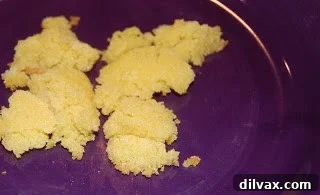
A Culinary Adventure Gone Awry: Reviewing Fannie Farmer’s Bizarre Corn Crisps
Every culinary journey is filled with discoveries – some delightful, some truly unexpected. Today, we embark on one such journey, revisiting a classic American cookbook with a recipe that proved to be, in a word, bizarre. My kitchen often buzzes with the excitement of new flavors and textures, inspired by various cookbooks. Among them, the revered Fannie Farmer Cookbook Thirteenth Edition, authored by Marion Cunningham and published by Alfred A. Knopf, Inc., a division of Random House (ISBN 0-394-56788-9), holds a special place. It’s a treasure trove of reliable, comforting recipes. However, even the most esteemed culinary tomes can house a dish that misses the mark, and today’s subject, “Corn Crisps,” unfortunately falls into that category for me.
As an avid home cook and food experimenter, I believe in giving every recipe a fair shot. The allure of classic recipes often lies in their simplicity and historical significance. However, sometimes simplicity can lean towards blandness, or an older palate might differ significantly from contemporary tastes. This particular recipe for Corn Crisps, even its name striking me as a tad peculiar, promised a quick and easy snack. Little did I know, this venture into a seemingly innocuous appetizer would lead to a dish that puzzled the senses rather than pleased them.
The Recipe Unveiled: Corn Crisps – Simple Ingredients, Unexpected Outcome
The beauty of many classic recipes is their reliance on basic pantry staples. Corn Crisps certainly fits this description, requiring only a handful of ingredients, which initially led me to believe it would be a straightforward and potentially pleasant nibble. Here’s what the recipe calls for:
- ¾ cup water: The base liquid, intended to create a batter.
- 2 tablespoons butter: For richness and to prevent sticking.
- ½ cup yellow cornmeal: The star ingredient, providing texture and flavor.
- ¼-½ teaspoon salt: To season and enhance other flavors.
The ingredient list itself offers no red flags; these are all common components found in many delicious dishes. Yellow cornmeal, in particular, is incredibly versatile, forming the backbone of everything from hearty cornbread to creamy polenta and crispy fried coatings. My initial thoughts were positive: “How could something so simple go wrong?” I imagined a light, crispy, savory snack, perhaps reminiscent of a very thin cornbread cracker or a sophisticated, homemade version of a corn chip. The minimal seasoning of salt suggested a clean, pure corn flavor would shine through. Unfortunately, the execution and final product told a different story.
Making the “Crisps”: A Quick and Easy Process
One undeniable positive aspect of the Corn Crisps recipe is its speed and ease of preparation. It’s a testament to quick cooking, perfect for those moments when you need something on the table in a flash. The instructions are concise, leaving little room for error in technique, yet perhaps too much room for improvement in flavor.
Step-by-Step Preparation:
- Preheat and Prepare: The first step is to preheat your oven to a moderately hot 425ºF (approximately 220ºC). While the oven heats, generously butter a cookie sheet. This buttering step is crucial for preventing sticking and contributing to the crispiness, though as I later discovered, it can also lead to some dramatic effects!
- Boil the Base: In a small saucepan, bring the water and butter to a rolling boil. This creates the hot liquid necessary to cook the cornmeal instantly when added, forming a cohesive dough.
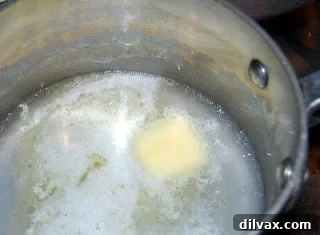
- Incorporate Cornmeal and Salt: Once the water and butter are boiling, quickly stir in the yellow cornmeal and salt. It’s important to mix well and swiftly to ensure the cornmeal is evenly hydrated and cooked, forming a thick, smooth paste. This is a crucial step for the texture of the crisps.
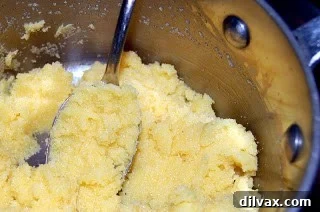
- Portion onto Sheet: Using a teaspoon, drop small portions of the cornmeal mixture onto the prepared cookie sheet. The instructions suggest “teaspoonfuls,” which implies small, bite-sized pieces, aiming for crispiness. Spacing them adequately ensures even baking and prevents them from melding together.
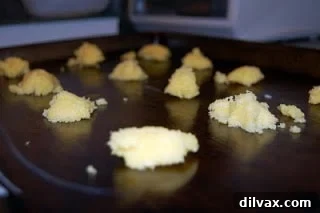
- Bake to Crispness: Bake for 10-15 minutes. The recipe gives a relatively short baking window, which is typical for small, thin items designed to crisp up quickly. For my batch, I removed them after precisely 10 minutes. A note of caution for fellow bakers: be prepared for a bit of smoke! The buttered cookie pan, combined with the high oven temperature, produced a noticeable amount of smoke upon opening the oven door. While not a disaster, it’s something to be aware of, perhaps suggesting parchment paper as a less smoky alternative or a slightly lower temperature for those concerned about burnt butter.
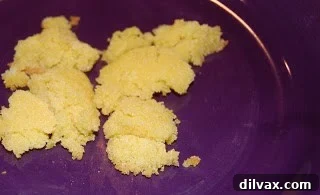
The Tasting Experience: A Bizarre and Unremarkable Outcome
This recipe was undeniably short, quick, and to the point. From a technical standpoint, they don’t get much easier. However, ease of preparation does not always equate to culinary delight. I’ve encountered countless simple recipes that yield incredible results, but Corn Crisps, regrettably, did not join that esteemed company. The taste profile was, to put it mildly, confusing and ultimately unappealing. The “crisps” themselves possessed a texture that was simultaneously dry and slightly chewy, lacking the satisfying crunch one would expect from a dish bearing the name “crisp.”
The flavor was equally perplexing. Cornmeal, when prepared well, offers a comforting, earthy sweetness. Here, it tasted strangely muted, almost bland, despite the addition of salt. It lacked the robust character of cornbread or the creamy allure of polenta. It was like a ghost of corn flavor, present but without substance, leaving a lingering, somewhat starchy aftertaste. I genuinely enjoy cornmeal in many other applications – in muffins, as a breading, or even as a simple porridge – but in these crisps, it felt out of place and underserved.
The recipe’s placement in the Fannie Farmer Cookbook, specifically in the “Nibbles section of Appetizers & First Courses,” alongside more universally appealing items like popcorn and sugared nuts, struck me as particularly odd. Popcorn offers a light, airy crunch and a familiar savory or sweet profile. Sugared nuts deliver intense sweetness and a satisfying textural contrast. These Corn Crisps, however, provided neither a delightful crunch nor a compelling flavor. They simply existed, a testament to the fact that not every recipe, however classic its source, will resonate with contemporary palates.
Family Verdict and Final Thoughts: Not for the Dinner Table
To ensure my assessment wasn’t solely based on my individual preferences, I enlisted the most honest food critics I know: my children. Their reactions were immediate and unequivocal. They tried one, made a face, and politely declined a second. “They’re weird, Mom,” was the general consensus, echoing my own sentiments. This definitively ruled them out as a potential after-school snack, a role typically filled by items that are both tasty and satisfying.
More critically, I couldn’t envision serving these Corn Crisps to guests. Appetizers are meant to tantalize the taste buds, to whet the appetite for the meal to come, or to provide pleasant conversation starters. These crisps, I fear, would do the opposite, prompting polite but confused inquiries rather than appreciative murmurs. The effort-to-enjoyment ratio was significantly skewed towards effort, with minimal return in gustatory pleasure.
Given my overall experience and the unanimous family verdict, my rating for this recipe is a humble one rolling pin. This rating, in my culinary lexicon, signifies a dish that is largely forgettable, perhaps best left in the annals of historical cookbooks rather than revived for modern enjoyment. While I appreciate the historical context and the simplicity of the recipe, its flavor and texture simply don’t justify the minimal preparation required.
Rethinking Cornmeal: Exploring Delicious Alternatives and Potential Improvements
Despite the disappointment with this specific “Corn Crisp” recipe, it’s important not to throw the baby out with the bathwater, so to speak, when it comes to cornmeal. Cornmeal is a fantastic, versatile ingredient that deserves a prominent place in any cook’s pantry. Perhaps the lesson here isn’t that cornmeal is inherently unexciting, but rather that some preparations simply don’t showcase its best qualities. Let’s consider some beloved alternatives where cornmeal truly shines:
- Classic Cornbread: Whether sweet or savory, skillet-baked or in muffins, cornbread is a timeless comfort food. Its crumbly yet moist texture and delightful corn flavor are unparalleled.
- Creamy Polenta/Grits: A staple in many cuisines, polenta and grits offer a creamy, comforting base for a variety of savory toppings, from rich meat sauces to fresh vegetables and cheeses.
- Crispy Coatings: Fine cornmeal makes an excellent dredging for fried fish, chicken, or vegetables, imparting a beautiful golden crust and a subtle crunch.
- Cornmeal Pancakes/Waffles: Adding cornmeal to breakfast staples provides a unique texture and a hearty, rustic flavor.
- Hushpuppies: These savory, deep-fried cornmeal fritters are a Southern delight, often served with seafood.
Could the Corn Crisp Recipe Be Salvaged?
For those determined to give this recipe a second chance or to experiment further, one might consider some modifications to inject much-needed flavor and textural appeal:
- Flavor Boosters: Incorporate savory additions into the dough itself. Think finely grated Parmesan or cheddar cheese, a pinch of garlic powder, onion powder, paprika, or chili powder for a spicy kick. Fresh herbs like chives or finely chopped rosemary could also add aromatic complexity.
- Serving Enhancements: The crisps might benefit greatly from being served with a flavorful dip. A zesty salsa, a creamy avocado dip, a spicy queso, or even a simple herb cream cheese could provide the missing moisture and taste dimension.
- Texture Adjustments: To achieve a true “crisp,” one might try pressing the dropped teaspoonfuls flatter before baking, or baking them at a slightly lower temperature for a longer duration to dry them out more thoroughly. Alternatively, for a different texture, air frying could be an option, potentially resulting in a crispier exterior without excess butter.
- Sweet Version? Given the inherent sweetness of corn, one could experiment with a sweet version, adding a touch of sugar or maple syrup, perhaps cinnamon, and serving them with fruit compote or a dollop of yogurt.
While I didn’t personally find these particular Corn Crisps successful, the process of making and evaluating them was a valuable lesson in culinary exploration. It highlights that not every recipe from a venerable source will be a hit, and that personal preference plays a significant role in taste. It also encourages creative thinking about how to adapt or improve upon dishes that fall short of expectations.
The Takeaway: Embracing Culinary Exploration and Learning from Every Dish
My adventure with Fannie Farmer’s Corn Crisps serves as a vivid reminder that the world of cooking is one of continuous learning and discovery. Even when a recipe doesn’t live up to expectations, the experience itself is invaluable. It teaches us about ingredient interactions, baking science, and, perhaps most importantly, about our own evolving palates.
The Fannie Farmer Cookbook remains a classic for a reason, brimming with foundational knowledge and time-honored dishes. This particular recipe may not have been a personal favorite, but it doesn’t diminish the overall quality or historical significance of the book. Instead, it underscores the importance of critical engagement with recipes, even from the most trusted sources. It encourages us to experiment, to adapt, and to always seek out new ways to bring joy to our kitchens and our dining tables.
So, as you continue your own culinary explorations, remember that every dish, whether a triumph or a peculiar experiment, contributes to your cooking wisdom. Don’t shy away from trying something new, even if the outcome is “bizarre.” There’s always a lesson to be learned, and often, a delicious alternative to be found.
Happy baking, and happy exploring!