Crafting the Perfect Rosemary Flatbread: A Culinary Journey from Martha Stewart’s Kitchen
There’s an undeniable magic in baking bread at home. The aroma that fills your kitchen, the warmth of the dough in your hands, and the sheer satisfaction of creating something delicious from scratch. Today, we’re diving into the delightful world of homemade flatbread, specifically a fragrant Rosemary Flatbread recipe inspired by the culinary icon, Martha Stewart.
What started as a simple quest for the perfect bread to accompany classic BLT sandwiches soon evolved into an exploration of this versatile and aromatic flatbread. While the dinner plans might shift, a good bread recipe remains a timeless treasure. This particular gem was discovered within the pages of my Martha Stewart Living Cookbook – The Original Classics (p.550), a testament to her enduring influence on home cooking. Authored by Martha Stewart herself and published by Clarkson Potter/Publishers (an imprint of the Crown Publishing Group, a division of Random House, Inc.; ISBN 978-0-307-39382-1), this recipe promises an authentic and delightful baking experience.
Whether you’re looking for a sophisticated appetizer, a hearty side for your favorite meal, or simply a flavorful bread to enjoy on its own, this Rosemary Flatbread is sure to impress. Its tender interior, crisp crust, and aromatic herbal notes make it a truly special bake.
The Allure of Homemade Flatbread
In a world often dominated by quick fixes and convenience foods, taking the time to bake your own bread offers a unique and deeply rewarding experience. Homemade flatbreads, in particular, hold a special charm. They are generally simpler and quicker to make than traditional loaf breads, yet they deliver incredible flavor and texture. This Rosemary Flatbread recipe is a fantastic entry point for novice bakers and a comforting staple for experienced ones.
The beauty of flatbread lies in its versatility. It can be a canvas for various toppings, a perfect vehicle for dips, or a wonderful accompaniment to a wide array of cuisines. The addition of fresh rosemary elevates this flatbread, infusing it with an earthy, piney fragrance that is both comforting and invigorating. It’s a sensory experience from the moment you start mixing the ingredients to the first delightful bite.
Rosemary Flatbread Recipe: Step-by-Step Perfection
This recipe yields two beautifully crafted 10 to 12-inch loaves of Rosemary Flatbread. Get ready to embark on a delightful baking adventure!
Ingredients You’ll Need:
- 1/4 cup warm water (approximately 110 degrees F – crucial for activating the yeast)
- 1 1/4 teaspoons active dry yeast (note: this is less than a standard packet, which typically contains 2 1/4 teaspoons; measure carefully)
- 1/2 cup milk (at room temperature for optimal dough development)
- 1 tablespoon olive oil, plus extra for drizzling (adds flavor and moisture)
- 1/2 tablespoon salt, plus extra for sprinkling (enhances flavor and controls yeast activity)
- 2 1/2 to 4 cups all-purpose flour, plus more for dusting (the exact amount will vary based on humidity and flour type)
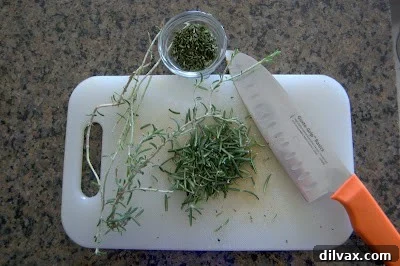
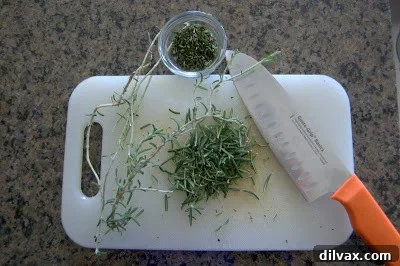
- 2 tablespoons chopped fresh rosemary (while the original recipe calls for 2 tablespoons, we found 1 tablespoon to be perfectly balanced for our taste buds, allowing the rosemary flavor to shine without overpowering the bread. Feel free to adjust to your preference!)
Essential Equipment:
- Large mixing bowl
- Wire whisk
- Measuring cups and spoons
- Dough scraper (optional, but helpful)
- Plastic wrap
- Clean kitchen towel
- Two 12-inch wide baking sheets
- Parchment paper (optional, for easier cleanup)
- Spray bottle with water (optional, for crispy crust)
Detailed Instructions:
- Activate the Yeast: Begin by pouring the 1/4 cup of warm water into a large mixing bowl. The temperature of the water is vital here – too hot will kill the yeast, too cold won’t activate it. Sprinkle the active dry yeast over the warm water. Allow it to sit undisturbed for about 5-10 minutes. You’ll know it’s ready when the surface becomes foamy and bubbly, indicating that the yeast is alive and active.
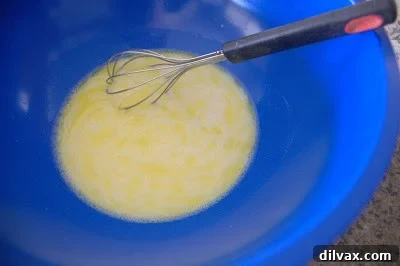
- Combine Wet Ingredients: Once the yeast is foamy, add the room-temperature milk, 1 tablespoon of olive oil, and 1/2 tablespoon of salt to the bowl. Stir gently with a whisk or spoon to combine these ingredients thoroughly with the activated yeast mixture.
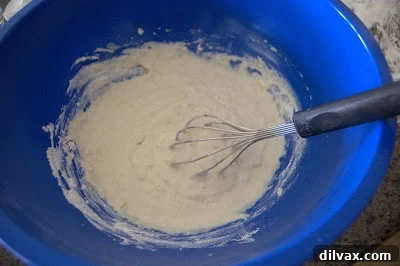
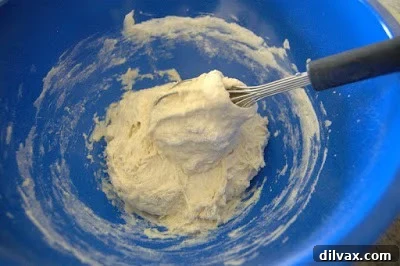
- Begin Adding Flour: Incorporate the first cup of flour into the wet mixture. Using a wire whisk, mix vigorously until the batter is smooth and free of lumps. This initial flour addition creates a smooth base for the dough.
- Continue Adding Flour Gradually: Now, switch from the whisk to a sturdy spoon or your hands. Continue adding the remaining flour, 1/2 cup at a time. Mix after each addition. You’ll notice the dough starting to come together, becoming stiffer and less sticky. Keep adding flour until the dough forms a cohesive ball and cleanly pulls away from the sides of the bowl. The total amount of flour needed can vary, so trust your judgment and the dough’s feel.
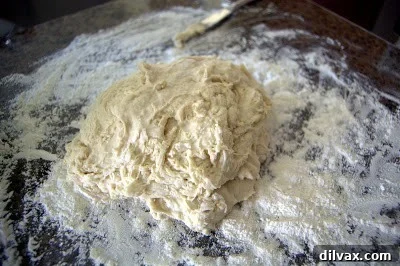
- Kneading the Dough: Lightly dust your work surface with flour. Turn the dough out onto this floured surface. Begin to knead the dough. The goal is to develop the gluten, which will give the flatbread its structure and chewy texture. Knead for approximately 6-8 minutes, or until the dough becomes soft, smooth, and elastic, and is no longer sticky. Add small amounts of flour to your hands or the work surface as needed to prevent sticking, but be careful not to incorporate too much flour, which can result in a dry, tough flatbread.
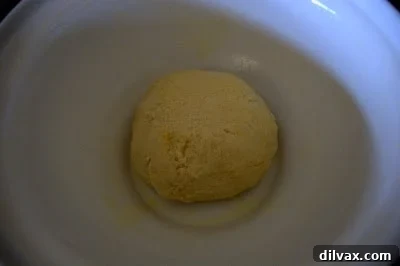
- First Rise (Bulk Fermentation): Lightly oil a large, clean bowl. Place the kneaded dough into the oiled bowl, turning it once or twice to ensure it’s coated all around with oil. This prevents the dough from drying out and sticking.
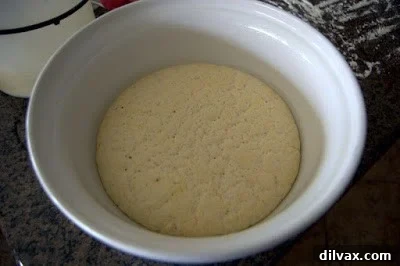
- Proofing the Dough: Cover the bowl tightly with plastic wrap to create a warm, humid environment. Place the covered bowl in a warm, draft-free spot in your kitchen. This could be near a sunny window, in a slightly warm (but not hot) oven that’s been turned off, or just in a cozy corner. Allow the dough to rise until it has doubled in size, which typically takes about 1 1/2 hours. The exact time may vary depending on the ambient temperature.
- Prepare for Baking & Shape Dough: While the dough is completing its first rise, preheat your oven to 400 degrees F (200 degrees C). Lightly flour a clean work surface. Gently punch down the risen dough to release the air. Divide the dough into two equal pieces. Form each piece into a smooth ball.
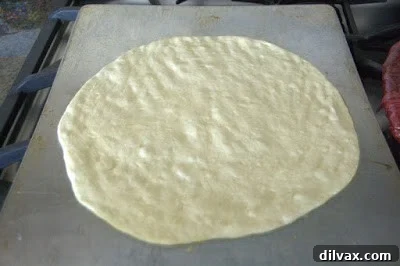
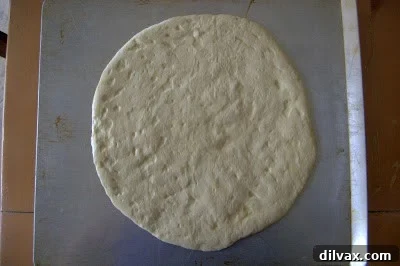
- Initial Shaping on Baking Sheets: Lightly oil two 12-inch wide baking sheets. Place one dough ball on each prepared baking sheet. Using oiled fingers, gently press each dough ball outwards to form a uniform 10 to 12-inch circle. Don’t worry about making them perfectly round; a rustic shape adds to their charm.
- Second Rise (Proofing): Cover both shaped dough circles loosely with plastic wrap. Let them rise again for another 30 minutes in a warm place. This second rise, or proofing, helps to create a light and airy texture in the final product.
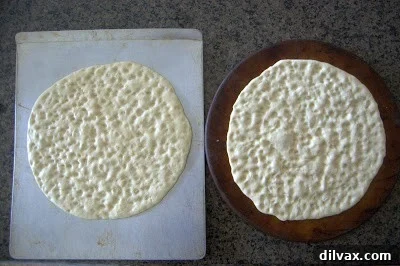
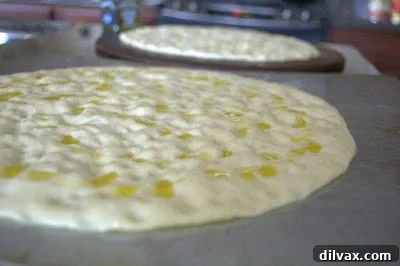
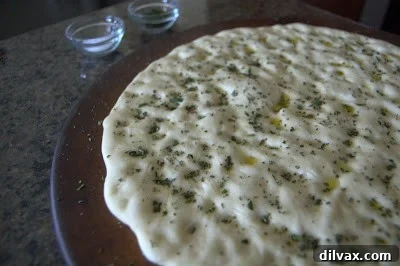
- Dimple and Dress: After the second rise, uncover the dough. Using your fingertips, gently press dimples all over the surface of each flatbread. This not only creates an appealing texture but also prevents large air bubbles from forming during baking. Lightly drizzle a little more olive oil over the dimpled surfaces.
- Final Proofing & Topping: Cover each flatbread with a moist, clean kitchen towel and place them in a warm area for a final 10-minute rest. This brief final proof helps the dough relax before baking. Evenly divide your chopped fresh rosemary between the two loaves, sprinkling it generously over the oiled, dimpled surfaces. Finish by sprinkling a little extra salt over the rosemary – a coarse sea salt or flaky salt works wonderfully here for added texture and flavor.
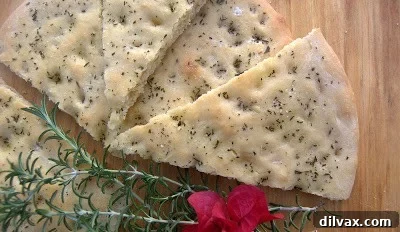
- Bake to Golden Perfection: Place the baking sheets in the preheated oven. Bake for 25-30 minutes, or until the bottoms are lightly golden brown and the tops are fragrant and slightly crisp. For an extra crispy crust, during the first 10 minutes of baking, you can lightly spray or sprinkle water on the tops of the flatbreads with a clean spray bottle or your fingers. This creates steam in the oven, promoting a delightful crunch.
Tips for Baking Flawless Rosemary Flatbread
- Yeast Temperature is Key: Always ensure your water for yeast activation is between 105-115°F (40-46°C). Too hot will kill the yeast, preventing your dough from rising. Too cold, and the yeast won’t activate properly.
- Flour Wisely: The amount of flour can vary. Start with the lower end of the range and add gradually until the dough is manageable, no longer sticky, but still soft and pliable. Resist the urge to add too much flour, as this can lead to a dry, dense flatbread.
- Kneading for Texture: Don’t skimp on kneading! This process develops the gluten, giving your flatbread its signature chewiness and structure. A well-kneaded dough will feel smooth and elastic.
- Warm Rising Environment: Yeast loves warmth. Find a cozy, draft-free spot for your dough to rise. A turned-off oven with the light on, or a warm spot on the counter, can work wonders.
- Fresh Rosemary Makes a Difference: While dried rosemary can be used in a pinch (use about half the amount), fresh rosemary offers a superior aroma and flavor that truly elevates this flatbread.
- Experiment with Toppings: Don’t be afraid to customize! While classic rosemary and salt are fantastic, this flatbread is a wonderful base for other flavors.
Serving Suggestions and Delicious Variations
This Rosemary Flatbread is incredibly versatile and pairs beautifully with a wide range of dishes. Initially conceived for BLT sandwiches, its destiny led it to accompany a hearty chili, proving its adaptability. Dipped in a good quality olive oil and balsamic vinegar, it was “pretty darn delicious” indeed.
But the possibilities don’t stop there. Here are some fantastic ways to enjoy your homemade Rosemary Flatbread:
- With Soups and Stews: Its robust flavor and satisfying texture make it an ideal companion for hearty soups, stews, and chili.
- As an Appetizer: Serve warm slices with a cheese board, alongside hummus, baba ghanoush, or other Mediterranean-inspired dips.
- Alongside Salads: A perfect complement to a fresh garden salad or a more substantial grain-based salad.
- With Grilled Meats or Fish: Its herbal notes wonderfully enhance grilled chicken, lamb, or flaky white fish.
- For Sandwiches: While not a traditional loaf, larger pieces can be sliced or torn to create delightful open-faced sandwiches or wraps.
Elevate Your Flatbread with These Variations:
My neighbor offered a brilliant suggestion that truly takes this flatbread “over the top”: Asiago cheese! Sprinkle grated Asiago cheese over the dimpled dough before the final rise or just before baking for an incredibly savory, cheesy crust. Oh, YUM! I’m convinced this addition would elevate the flatbread to a perfect 4 rolling pins, if not 3 1/2. Hint, Hint!
- Garlic Lover’s Delight: Mince a couple of cloves of garlic and mix it with the olive oil for drizzling, or add it directly to the dough during the kneading phase.
- Herb Medley: Experiment with other fresh herbs like thyme, oregano, or a blend of Italian herbs alongside the rosemary.
- Sun-Dried Tomato & Feta: Chop sun-dried tomatoes and crumble feta cheese over the dough before baking for a Mediterranean twist.
- Spicy Kick: A pinch of red pepper flakes can add a subtle warmth and zing.
- Parmesan & Black Pepper: Sprinkle freshly grated Parmesan cheese and cracked black pepper for a classic, pungent flavor.
Embrace the Joy of Home Baking
There’s a special kind of satisfaction that comes from pulling a warm, fragrant loaf of bread from your oven. It’s a simple pleasure that connects us to traditions, nourishes our bodies, and brings joy to those we share it with. This Rosemary Flatbread recipe, derived from a trusted source like Martha Stewart, offers a reliable path to achieving that delightful experience.
Don’t be intimidated by baking; embrace the process, enjoy the aromas, and savor the results. Each batch you bake is a learning experience, a step towards becoming a more confident and creative home chef. And when you bake something as delicious and versatile as this flatbread, you’re not just making food; you’re creating memories and sharing warmth.
I genuinely encourage you to try this recipe, especially with the Asiago cheese variation. I’d love to hear about your experience! Just come back and leave me a note in the comments to let me know how that turned out for you.