Festive Indulgence: The Ultimate Eggnog Creme Brulee Recipe for Your Holiday Table
Welcome back, fellow baking enthusiasts! It’s wonderful to reconnect after a bustling holiday season. Life has been incredibly busy since Christmas Eve, leading to a temporary hiatus from sharing delicious creations. But fear not, we are back in full swing, ready to dive into the world of delightful desserts and savory treats once again.
First things first, a quick note on my baking adventures: the oven saga continues! It still requires fixing, and I’m dedicating time to tackle that project very soon. Imagine the joy of baking a full batch of cookies at once, rather than the current methodical process of just three or four at a time. A baker’s dream, truly!
Embracing the Holiday Spirit: Why Eggnog Creme Brulee?
The holiday season brings with it a symphony of flavors, and for many, eggnog stands out as a quintessential taste of festive cheer. I confess, I adore eggnog, and this time of year, my inbox and social media feeds are brimming with innovative recipes incorporating this creamy, spiced beverage. Naturally, my culinary curiosity was piqued: why merely drink it when you can transform it into something extraordinary?
Our household went absolutely wild for a classic Creme Brulee I made previously. The luxurious custard and the satisfying crack of the caramelized sugar crust are simply irresistible. This past success planted a seed of inspiration: what if we infused the elegance of creme brulee with the comforting, festive notes of eggnog? The idea was too good to pass up!
After some delightful experimentation, I adapted a recipe from Barber’s Dairy website, halving the quantities to create a perfect serving for three. The result? A wonderfully festive dessert that captures the essence of the holidays in every spoonful.
The Allure of Creme Brulee: A Dessert Masterpiece
Creme Brulee, a French classic meaning “burnt cream,” is a deceptively simple yet utterly sophisticated dessert. At its heart lies a rich, velvety custard, typically made with cream, egg yolks, sugar, and vanilla. What truly sets it apart, however, is its signature crisp, caramelized sugar topping. This delicate, glassy crust provides a delightful textural contrast to the smooth custard below, creating an experience that is both elegant and deeply satisfying.
The beauty of creme brulee lies in its versatility. While traditional vanilla is always a winner, it serves as an excellent canvas for various flavor infusions, and eggnog proves to be an exceptional partner, lending its unique blend of spices and richness to the creamy base. It’s the kind of dessert that impresses guests without requiring an overly complex process, making it perfect for special occasions and holiday gatherings.
Crafting Your Holiday Delight: Eggnog Creme Brulee Recipe
Get ready to whisk up some holiday magic with this adapted recipe. This festive version of a classic creme brulee is sure to become a cherished part of your holiday baking repertoire.
Eggnog Creme Brulee – A Festive Delight (Serves 3)
Ingredients:
- 3/4 cup (approximately 180ml) eggnog
- 3/4 cup (approximately 180ml) whole milk
- 1 tablespoon granulated sugar (for the custard)
- 3 large eggs (2 whole eggs + 1 yolk)
- 1/2 teaspoon pure vanilla extract
- 1/2 teaspoon rum (optional, but highly recommended for enhanced flavor)
- Light brown sugar (1-2 teaspoons per ramekin) for the top
Equipment You’ll Need:
- 3 oven-safe ramekins
- Small saucepan
- Electric mixer with whisk attachment (or a good old-fashioned whisk)
- Fine-mesh strainer
- Larger baking dish (for water bath)
- Small hand torch or broiler
Step-by-Step Perfection: Crafting Your Eggnog Creme Brulee
Follow these detailed steps to create a flawless, creamy Eggnog Creme Brulee with that irresistible crackable sugar crust. Precision and patience are key!
Preparation is Key:
- Preheat Oven: Begin by preheating your oven to 300 degrees F (150 degrees C). This lower temperature ensures a gentle, even bake for your delicate custard.
- Prepare Ramekins: Have your three ramekins ready.
- Heat Liquids: In a small saucepan, combine the eggnog and whole milk. Place it over medium-high heat, stirring occasionally, until the mixture just begins to boil. You’ll see small bubbles forming around the edges. Immediately reduce the heat to low to keep it warm without scorching.
Making the Custard Base:
- Whisk Eggs and Sugar: In the bowl of an electric mixer fitted with the whisk attachment, combine the 1 tablespoon of granulated sugar, 2 whole eggs, and 1 egg yolk. Whisk on medium-high speed until the mixture is frothy, light in color, and slightly thickened. This usually takes about 2-3 minutes.
- Temper the Eggs: This is a crucial step to prevent the eggs from curdling. With the mixer running on low speed, slowly add the warm eggnog-milk mixture to the frothy egg mixture by large spoonfuls. Do not pour it all in at once; add it gradually, allowing the eggs to warm up slowly. Continue mixing until thoroughly combined.
- Strain for Smoothness: Place a fine-mesh strainer over the previously used saucepan (now empty). Pour the combined eggnog mixture through the strainer into the saucepan. This removes any potential cooked egg bits or lumps, ensuring a perfectly smooth and silky custard.
- Thicken on Low Heat: Return the saucepan with the strained mixture to low heat. Continue to heat gently, stirring constantly with a wooden spoon, until the mixture thickens slightly and coats the back of the spoon. It should not boil. This step further develops the custard’s texture.
- Add Flavorings: Remove the saucepan from the heat. Stir in the vanilla extract and rum (if using). Mix well to incorporate.
Baking Your Creme Brulee:
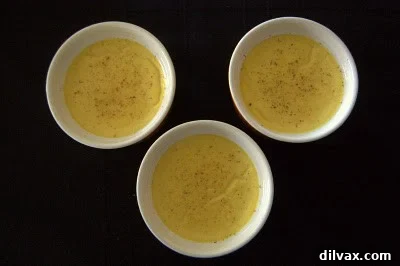
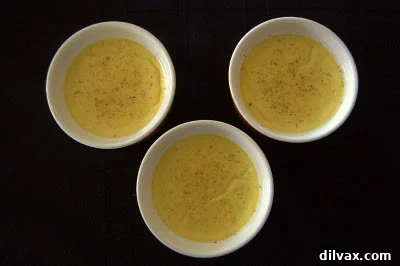
- Divide Mixture: Evenly divide the warm custard mixture among the three prepared ramekins.
- Prepare Water Bath: Place the filled ramekins into a larger baking dish. Carefully pour enough hot water (from a kettle or tap) into the baking dish so that the water comes about 2/3 of the way up the sides of the ramekins. This water bath (bain-marie) ensures even cooking and prevents the custard from cracking.
- Bake to Perfection: Carefully transfer the baking dish with the ramekins to the preheated oven. Bake for approximately 40 minutes, or until the edges of the custard are set, but the middles still have a slight wiggle when gently shaken. A toothpick inserted into the middle should come out mostly clean, perhaps with a few moist crumbs.
Cooling and Caramelization:
- Cooling Process: Once baked, carefully remove the ramekins from the water bath and place them on a wire rack. Allow them to cool slightly at room temperature before transferring them to the refrigerator. It’s crucial for creme brulee to be thoroughly chilled for at least 2 hours (preferably 4 hours or overnight) before serving. This allows the custard to fully set and firm up.
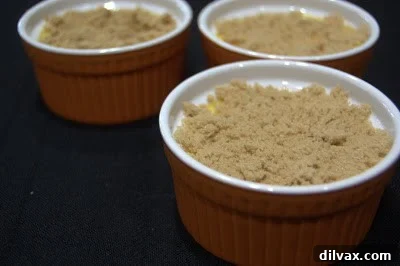
- The Signature Topping: Just before serving, take the chilled ramekins out of the refrigerator. Sprinkle about 1-2 teaspoons of light brown sugar evenly over the top of each custard. The amount can vary based on your preference for a thicker or thinner crust.
- Caramelize the Sugar:
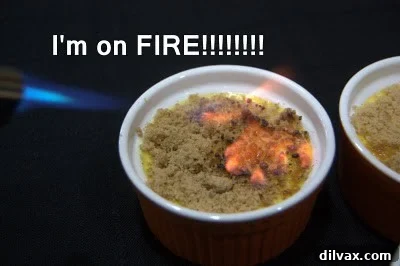
- Using a Hand Torch: With a small kitchen torch, move the flame slowly and evenly over the sugar until it melts, bubbles, and caramelizes into a deep amber color, forming a hard, glassy crust. Keep the torch moving to prevent burning.
- Using a Broiler: Alternatively, you can place the ramekins under a preheated broiler (high setting) for 1-3 minutes. Keep a very close eye on them, as sugar can burn quickly under intense heat. Rotate as needed to ensure even caramelization.
A Word of Caution on Caramelization:
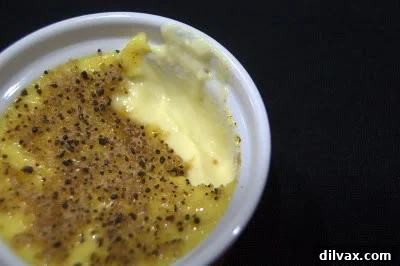
Be careful not to burn the sugar! A perfectly caramelized top is golden brown and glassy. Over-broiling or over-torching will result in a dark, bitter, and unappetizing crust, as you can see in the examples below:
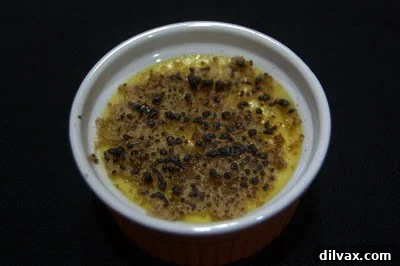
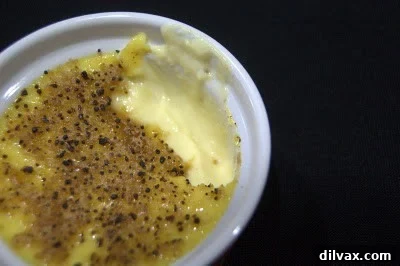
The finished product, with only a slightly burnt edge on one of them (a learning experience for us all!). Aim for that beautiful, even amber tone.
Tips for Success: Achieving Creme Brulee Perfection
Even though creme brulee seems straightforward, a few key techniques can elevate your dessert from good to absolutely outstanding. Here are some essential tips:
- Temper Your Eggs Properly: The gradual addition of hot liquid to eggs prevents them from scrambling. Always whisk continuously as you slowly pour in the warm milk mixture.
- Don’t Skip the Strainer: Straining the custard mixture is non-negotiable for that perfectly smooth, lump-free texture. It catches any bits of cooked egg or impurities.
- The Magic of the Water Bath: A water bath creates a moist, consistent heat environment, preventing the edges of the custard from cooking faster than the center and eliminating cracking. Ensure the water is hot when you add it to the baking dish.
- Patience with Chilling: Creme brulee needs ample time to chill and set properly. Don’t rush this step. A well-chilled custard will have the ideal firm yet creamy consistency.
- Sugar for the Top: While brown sugar offers a nice molasses note, it can burn more easily due to its moisture content. For a classic, foolproof crust, many chefs prefer granulated white sugar. If using brown sugar, apply a thin, even layer and watch it like a hawk during caramelization. Less is often more; too much sugar can create a thick, cloying, and easily burnt crust.
- Watch the Caramelization Closely: Whether using a torch or broiler, never turn your back. Sugar can go from perfect to burnt in a matter of seconds. Keep the flame/heat moving to achieve an even, golden-amber crust.
Troubleshooting Common Creme Brulee Issues
Don’t fret if your first attempt isn’t flawless. Baking is a journey of learning! Here are solutions to common problems:
- Curdled Custard: This usually happens if you add the hot liquid too quickly to the eggs without tempering. Strain the mixture again, and if it’s severely curdled, it might be best to start over, ensuring slower pouring and constant whisking.
- Cracked Custard: Often a sign of overbaking or insufficient water in the water bath. Ensure your oven temperature is accurate and the water level in your bain-marie remains consistent throughout baking.
- Burnt Sugar Top: As emphasized, too much heat or sugar, or lack of attention, causes this. Use less sugar, move your torch/ramekins constantly, and pull it away from the heat the moment it’s golden. A slightly less dark caramel is always better than a bitter, burnt one.
Beyond the Recipe: Customizing Your Creme Brulee Experience
While this Eggnog Creme Brulee is a star in its own right, the beauty of this dessert lies in its adaptability. Once you master the basic technique, feel free to experiment!
- Spice It Up: Enhance the eggnog flavor with a pinch of freshly grated nutmeg or a dash of ground cinnamon in the custard mixture.
- Liqueur Love: Beyond rum, consider a splash of brandy, Grand Marnier, or even Kahlua for an adult twist.
- Extract Variations: Substitute or add other extracts like almond, peppermint (for a winter mint treat), or even a touch of orange zest for brightness.
- Garnish Galore: Elevate the presentation with a sprinkle of berries (raspberries or cranberries for color), a dollop of whipped cream, or a small sprig of mint.
- Scaling Up: Need to serve more guests? Simply double or triple the ingredients. Remember to use larger ramekins or more ramekins, and adjust baking time accordingly.
Reflections and Final Thoughts
Every baking endeavor is a journey of discovery. On a scale of 1-4, with 4 being the absolute best, this particular Eggnog Creme Brulee earned 2 rolling pins from me. It was undoubtedly creamy and delicious, possessing that delightful mouthfeel characteristic of a good creme brulee. However, I found it didn’t quite reach the pinnacle of the classic creme brulee I’d made before, which I absolutely adored. I judged this one to be “just okay,” lacking that certain “wow” factor that makes a dessert truly unforgettable.
A significant factor in my personal rating was the caramelized brown sugar topping. Despite my best efforts, some parts ended up a bit too burnt, imparting a slightly bitter taste that detracted from the overall enjoyment. This experience reinforced a crucial lesson: the amount and type of sugar you use for the topping truly matters. I’ve found that when you apply too much sugar, especially brown sugar, it tends to burn more easily rather than melting into that perfect, hard, amber crust. Moving forward, I might opt for a minimal amount of light brown sugar or even revert to granulated white sugar for a cleaner, more controlled caramelization process.
Nonetheless, the process of creating this festive dessert was immensely enjoyable, and the base custard, with its subtle eggnog notes, was a lovely ode to the season. Baking is often about learning and refining, and this Eggnog Creme Brulee taught me valuable lessons about the delicate art of caramelization.
Thank you all for taking the time to read and explore this recipe. I hope it inspires you to get into your kitchen and create something wonderful. Remember, every bake is an opportunity to learn, to grow, and most importantly, to enjoy the delicious results of your efforts. I’m sending you all BIG baking hugs and muffins! Stay tuned for more delicious adventures.