The Unsweetened Truth: My Brownie Baking Fail and a Classic Parker Brownies Recipe
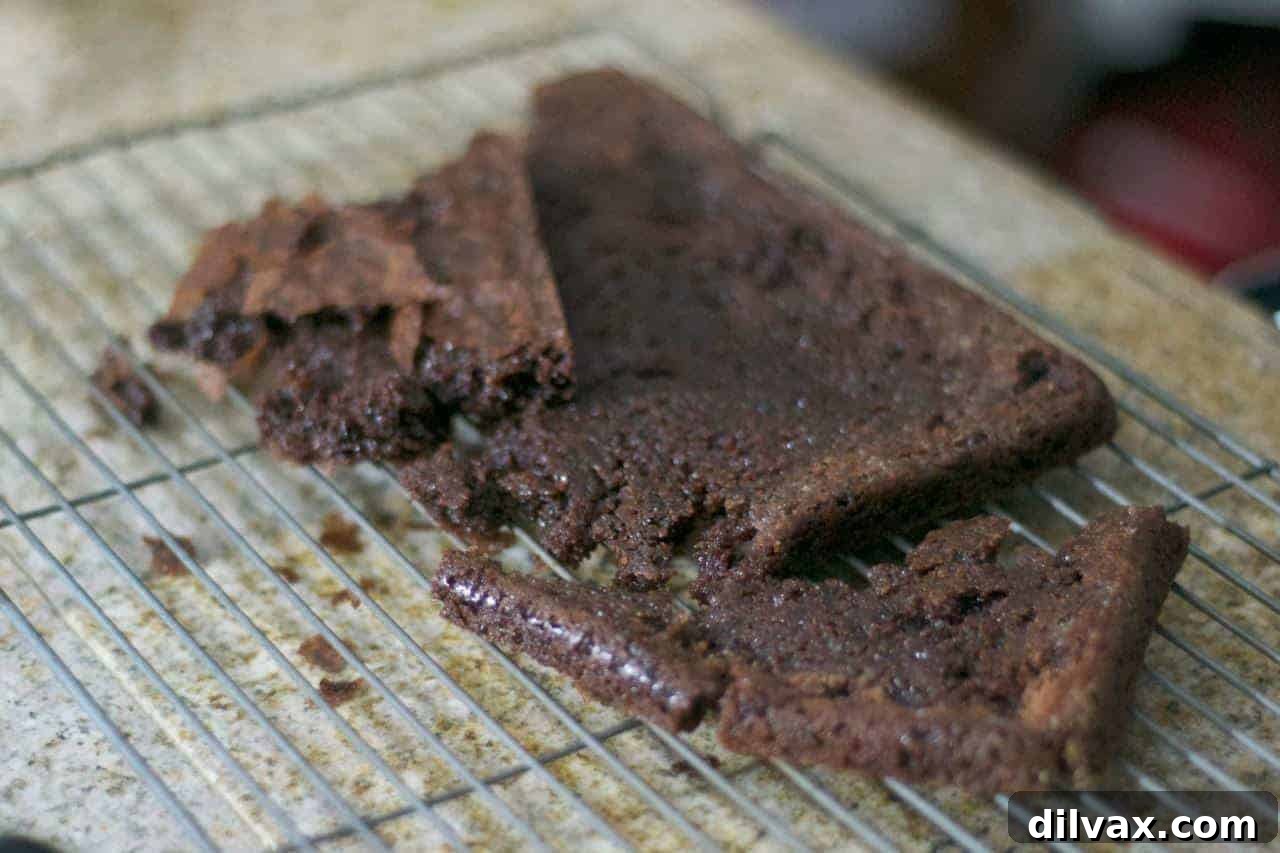
Baking is often portrayed as a serene, methodical process, a delightful dance between precision and creativity. But let’s be honest, sometimes it’s more like a chaotic tango where you step on your own toes. Today, I’m sharing one of those memorable moments: my infamous “Baking Fail Brownies.” These were brownies that, in theory, had all the potential to be gloriously rich, fudgy, and absolutely perfect. Had I simply remembered one crucial ingredient and purchased the correct type of chocolate, perhaps they would have been. Instead, I ended up with a batch that served as a humble reminder that even experienced home bakers can have their off days.
The kitchen often teaches us the most valuable lessons, and this batch of brownies certainly delivered a masterclass in what not to do. It started, as many baking misadventures do, with a seemingly innocent trip to the grocery store. My mission was clear: unsweetened chocolate. My execution, however, was flawed. I returned home, apron donned, only to discover I had unwittingly procured bittersweet chocolate. A small detail, you might think, but in the precise world of baking, it’s a difference that can reshape an entire dessert. Unsweetened chocolate provides the pure, intense cocoa flavor that balances sweetness in a brownie, while bittersweet chocolate, containing added sugar and cocoa butter, fundamentally alters the sugar-to-fat ratio.
My internal alarm bells started ringing, but I pressed on. A quick Google search for “substituting bittersweet for unsweetened chocolate” yielded mixed results. While some sources suggested a direct interchangeability, my gut instinct, perhaps fueled by a subconscious desire to “fix” my mistake, told me otherwise. I decided to improvise, and in hindsight, this was where the true unraveling began. The brownies emerged from the oven looking conspicuously thin – far from the thick, chewy squares I envisioned. And then came the taste test: an overwhelming buttery richness that left my stomach feeling, well, not so good. It was clear I had veered far off the intended path, creating a dessert that was more grease than gourmet.
The excessive butteriness was a direct consequence of my improvised “fix.” The substitution guide I eventually stumbled upon suggested using one tablespoon of unsweetened Dutch process cocoa with one tablespoon of butter for each ounce of unsweetened chocolate. In my haste, or perhaps my optimism, I added an extra two tablespoons of butter in total, beyond what the recipe originally called for. Combined with the naturally higher fat content and sugar in bittersweet chocolate compared to unsweetened, this created a perfect storm of buttery excess. It’s a testament to the delicate balance of fats, sugars, and leavening agents in baking. Every ingredient plays a vital role, and altering one can cascade into unforeseen consequences for the entire recipe, affecting everything from texture and rise to flavor profile.
The Quest for Perfection: Introducing the Parker Brownies Recipe
Despite my personal baking mishap, the journey inspired me to revisit the roots of classic baking. The original recipe I attempted to follow comes from a truly cherished culinary resource: my Fannie Farmer Thirteenth Edition, specifically page 628. This edition, authored by Marion Cunningham and published by Alfred A. Knopf, Inc., a division of Random House (ISBN 0-394-56788-9), is a testament to timeless American cooking. Fannie Farmer cookbooks have long been a cornerstone for home bakers, renowned for their clear instructions and reliable results. It’s a culinary heritage passed down through generations, often featuring foundational recipes that stand the test of time, and the “Parker Brownies” recipe found within its pages is a delightful example of classic, unpretentious baking at its best.
These Parker Brownies are designed to deliver that quintessential fudgy, chewy experience that defines a perfect homemade brownie. They represent the standard against which my “fail” batch was inadvertently measured, a benchmark for what truly great brownies should be. For those seeking a dependable recipe that promises rich chocolate flavor, a dense yet moist interior, and a satisfying texture without unnecessary complications, look no further. This recipe is straightforward, uses common, accessible ingredients, and when followed correctly, will produce a batch of brownies far superior to my overly buttery experiment. It’s a classic for a reason, offering a rich reward for minimal effort.
Parker Brownies – Yields one 8×8-inch pan of classic fudgy goodness
Ingredients
- 2 ounces unsweetened chocolate: The cornerstone for deep, rich chocolate flavor. Ensure it’s genuinely unsweetened for proper balance.
- 1/4 cup butter: Provides richness and contributes to the fudgy texture. Using unsalted butter allows for better control over the overall salt content.
- 1 cup granulated sugar: Sweetens the brownies and helps create that desirable chewy crust.
- 1 large egg: Acts as a binder and adds to the richness and moistness of the brownies.
- 1/8 teaspoon salt: Crucial for enhancing the chocolate flavor and balancing the sweetness. Don’t omit it!
- 1/2 cup all-purpose flour: Provides structure to the brownies. Overmixing should be avoided to prevent a tough texture.
- 1/2 cup walnuts, chopped (optional): Adds a delightful crunch and earthy undertone. Feel free to omit if nuts aren’t your preference, or substitute with pecans or chocolate chips.
- 1 teaspoon pure vanilla extract: A flavor enhancer that deepens the chocolate notes and adds aromatic complexity. This is a subtle yet significant ingredient.
- Confectioners’ sugar, for dusting (optional): For a professional, elegant finish, adding a light touch of sweetness and visual appeal.
Directions for Flawless Parker Brownies
- Prepare Your Workspace: Begin by preheating your oven to a precise 300 degrees Fahrenheit (150 degrees Celsius). This slightly lower temperature is ideal for brownies, allowing them to bake more evenly and achieve that desirable fudgy, dense texture without becoming cakey or dry.
- Pan Preparation is Key: Take an 8×8-inch baking pan and coat it thoroughly with butter. This initial layer prevents sticking. For effortless removal and a cleaner brownie edge, line the bottom of the pan with a piece of wax paper, ensuring it covers the entire surface. Then, lightly butter and flour the wax paper as well. This double layer of protection ensures your brownies will lift out beautifully and intact.
- Melt Chocolate and Butter: In a small, heavy-bottomed saucepan, combine the unsweetened chocolate and butter. Place the saucepan over low heat and melt the ingredients gently, stirring constantly with a spatula or whisk. Continue stirring until the mixture is completely smooth and homogeneously combined, taking care not to scorch the chocolate. Remove the pan from the heat as soon as it reaches this consistency.
- Combine Wet and Dry Ingredients: Into the warm chocolate mixture, thoroughly incorporate the granulated sugar, large egg, salt, all-purpose flour, walnuts (if you’re including them), and the pure vanilla extract. Stir everything until just combined; it’s important not to overmix the batter at this stage. Overmixing can develop the gluten in the flour, which can lead to tough, chewy brownies rather than the desired fudgy texture. A few small lumps of flour are perfectly acceptable.
- Spread the Batter: Pour the rich, thick brownie batter into your meticulously prepared 8×8-inch pan. Using an offset spatula or the back of a spoon, carefully spread the batter into an even layer, ensuring it reaches uniformly into all corners of the pan. This promotes even baking.
- Bake to Perfection: Place the pan in your preheated oven and bake for exactly 30 minutes. Keep a watchful eye on them; the edges should appear set, and a toothpick inserted into the center should come out with moist crumbs, not wet batter. Remember, overbaking is the enemy of fudgy brownies, often leading to a dry, cakey result.
- Cool and Invert: Once baked, remove the pan from the oven and immediately place it on a wire rack. Allow the brownies to cool in the pan for at least 5 minutes. This crucial cooling period helps them set and firm up before you attempt to handle them. After 5 minutes, carefully invert the pan onto another wire rack or a clean cutting board.
- Remove Wax Paper: Gently and slowly peel off the wax paper from the bottom of the brownies. If the brownies appear to be sticking or are too soft to handle, they might need a little more cooling time to fully set.
- Cut and Serve: Transfer the cooled brownie slab to a cutting board. Using a sharp, clean knife, cut the brownies into your desired squares or rectangles. For the cleanest cuts, wipe your knife clean with a damp cloth between each slice.
- Optional Garnish: If you desire an elegant touch and an extra hint of sweetness, dust the cooled brownies lightly with confectioners’ sugar using a fine-mesh sieve just before serving.
Reflecting on My Baking Blunders: Lessons Learned from a Brownie Debacle
As an avid home baker, I often rate my creations on a simple scale from 1 to 4, with 4 representing sheer perfection. My attempted batch of Parker Brownies, marred by my ingredient mishaps and improvisations, unfortunately only earned a rating of 2 rolling pins. While they did possess a certain chewy and fudgy quality that hinted at their underlying potential, the overwhelming buttery taste was impossible to ignore. This was, as mentioned, largely due to my misguided attempt to substitute unsweetened chocolate with bittersweet, which led me to add those two extra tablespoons of butter, throwing the entire fat balance out of whack. The result was a textural and flavor imbalance that overshadowed any redeeming qualities and made them less enjoyable than they should have been.
The butter issue wasn’t the only deviation from the recipe. In my haste, I also omitted the walnuts. While the classic Parker Brownies recipe calls for 1/2 cup of chopped walnuts, my family isn’t particularly fond of nuts in brownies, so this was a deliberate (though perhaps regrettable for purists) choice. More significantly, I completely forgot to add the crucial teaspoon of vanilla extract. Vanilla might seem like a small detail, often overlooked or deemed optional by some, but it plays an immense role in deepening and rounding out the chocolate flavor, adding a layer of aromatic complexity that was noticeably absent in my batch. Interestingly, while the absence of vanilla was perceptible to an experienced palate, it wasn’t as glaringly detrimental as the excessive butter. Had I forgotten the sugar, however, I’m quite certain the brownies would have been utterly inedible – a true baking catastrophe!
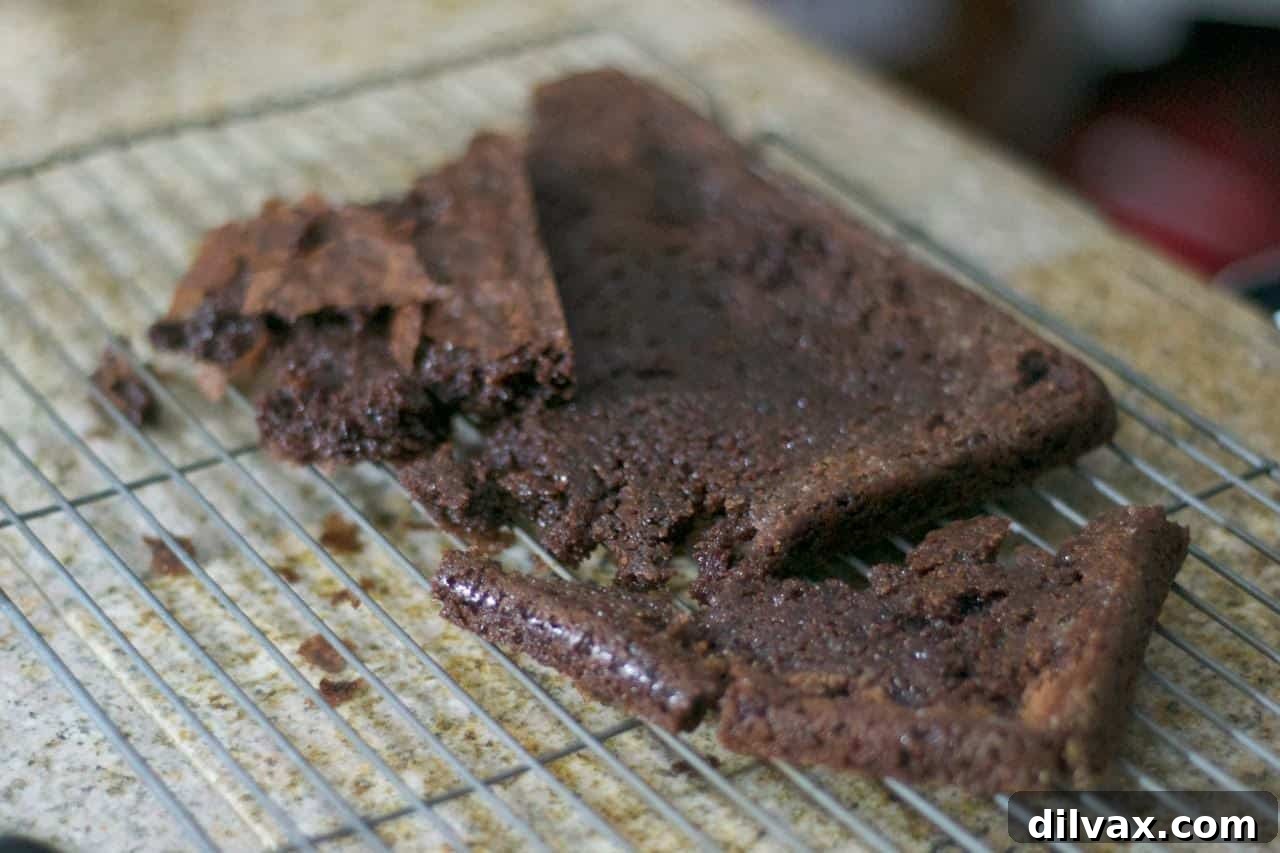
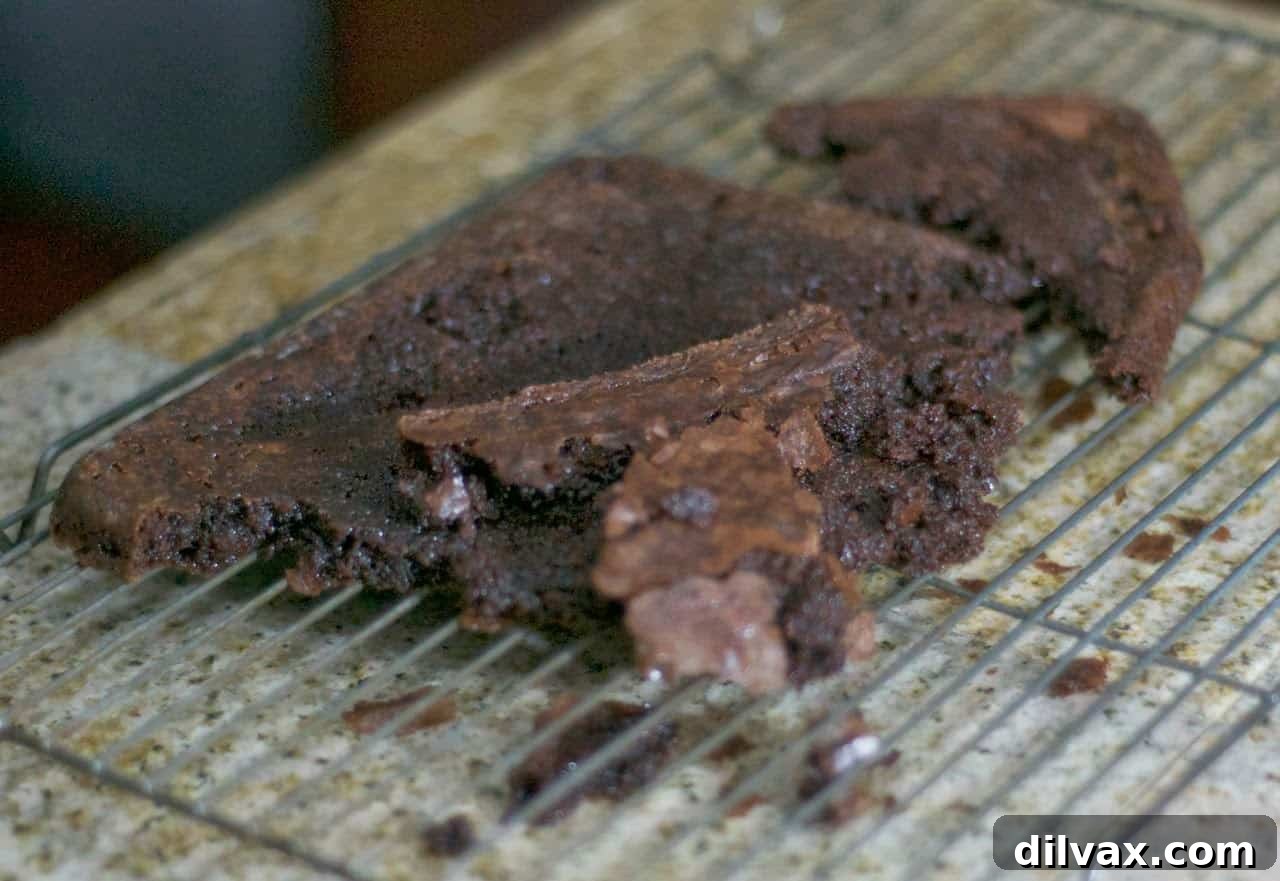
Another frustrating aspect of my “fail” batch was their structural integrity, or rather, the lack thereof. When it came time to remove the wax paper from the bottom, the brownies practically disintegrated into a crumbly mess. This might have been a combination of the excessive butter making them too soft and fragile, or perhaps I didn’t allow them to cool sufficiently. Proper cooling is paramount for brownies to set and become firm enough to handle without falling apart. It’s a lesson in patience that I clearly needed to relearn, as rushing the cooling process often leads to sticky, broken baked goods.
Despite these challenges, I managed to salvage enough of the corners to taste test and evaluate their overall “okayness.” It was a valuable exercise in understanding how each ingredient contributes to the final product and how even minor deviations can lead to significant changes. The experience reinforced a fundamental baking principle: precision matters. While baking can certainly be an art, it also relies heavily on scientific principles and the exact ratios of ingredients. Swapping out a key ingredient or forgetting another can drastically alter the chemical reactions that give baked goods their desired texture, rise, and flavor. Every mistake is an opportunity for learning and growth in the kitchen.
My primary takeaway from this baking adventure is a renewed commitment to reading the recipe thoroughly and verifying all ingredients *before* starting any baking project. Next time, I will undoubtedly ensure I have the *unsweetened* chocolate on hand, and I certainly won’t forget the vanilla extract. It’s these little details, often overlooked in the excitement of baking, that truly elevate a good brownie to a great one. Every baking fail is ultimately a learning opportunity, a chance to refine one’s skills and deepen one’s understanding of the craft. And honestly, even a “fail” brownie still involves chocolate, so it’s rarely a complete loss!
Tomorrow is indeed another day, and with it comes the promise of new baking endeavors, hopefully free from such self-inflicted blunders. Remember, the joy of baking isn’t just in the perfect outcome, but in the process, the learning, and yes, even the occasional hilarious mishap. Embrace the journey, and don’t be afraid to experiment, just make sure you know the rules before you break them!
Happy baking, everyone! May your ovens be warm and your brownies always fudgy.