The Ultimate Guide to Effortlessly Clean Greasy Hands: Say Goodbye to Stubborn Grime!
Do you frequently find yourself or a loved one grappling with hands caked in stubborn grease and grime after a long day of tinkering under the hood, cycling through muddy trails, or tackling various DIY projects around the house? The familiar struggle of trying to scrub away thick, oily residue often feels like an impossible task, leaving hands feeling grimy and looking unsightly. Many traditional soaps and harsh cleaners simply don’t cut through the tough stuff, leading to frustration and wasted time. But what if there was a surprisingly simple, incredibly effective, and remarkably inexpensive solution right in your pantry?
If you’ve ever wondered how to truly clean greasy hands without resorting to aggressive chemicals that dry out your skin, you’re in for a revelation. We’re about to share a game-changing method that will transform your post-grease clean-up routine. Forget endless scrubbing and chemical odors; this ingenious trick uses a common kitchen ingredient to leave your hands astonishingly clean and soft. Prepare to be amazed by the power of a principle known as “oil cleans oil.”

The Persistent Problem of Greasy Hands
Greasy hands are a universal badge of honor for mechanics, DIY enthusiasts, gardeners, and even avid cooks. Whether you’re changing the oil in your car, fixing a bicycle chain, working on plumbing, or simply handling raw meat, grease has a way of clinging to your skin, getting under your fingernails, and settling into every crease and wrinkle. Beyond the immediate discomfort and unpleasant texture, greasy hands can transfer grime to everything you touch – door handles, steering wheels, clothing, and even your smartphone – creating a secondary mess that’s just as frustrating.
The real challenge often lies in the nature of grease itself. It’s hydrophobic, meaning it repels water, which is precisely why a simple rinse or even vigorous scrubbing with standard soap and water often proves futile. Instead of washing away, the grease tends to smear, creating a slick film that’s incredibly difficult to dislodge. This can lead to prolonged washing sessions, excessive use of harsh cleansers, and ultimately, dry, irritated skin that’s still not perfectly clean.
Why Traditional Soap and Water Fall Short
Most soaps work by creating micelles, microscopic structures that encapsulate dirt and oil particles, allowing them to be rinsed away with water. While effective for everyday grime, the density and stickiness of automotive grease, heavy lubricants, or industrial oils can overwhelm these micelles. The grease particles are often too large or too cohesive to be easily broken down and suspended by typical hand soaps, especially when they’re deeply embedded in skin pores or under fingernails. This is where a different approach is not just helpful, but essential.
Introducing the Revolutionary Oil-Based Hand Cleaning Method
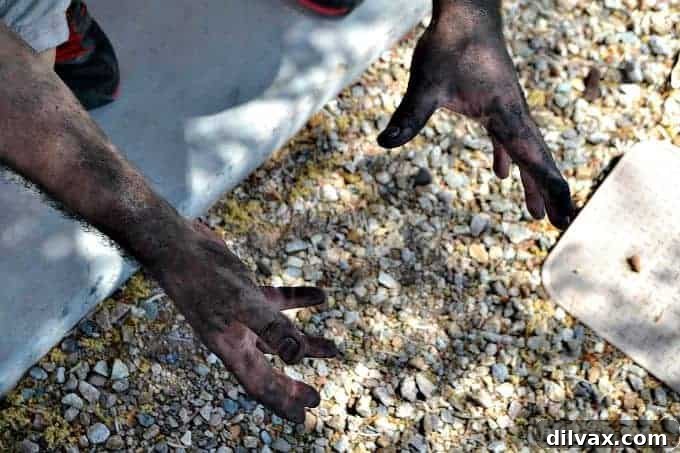
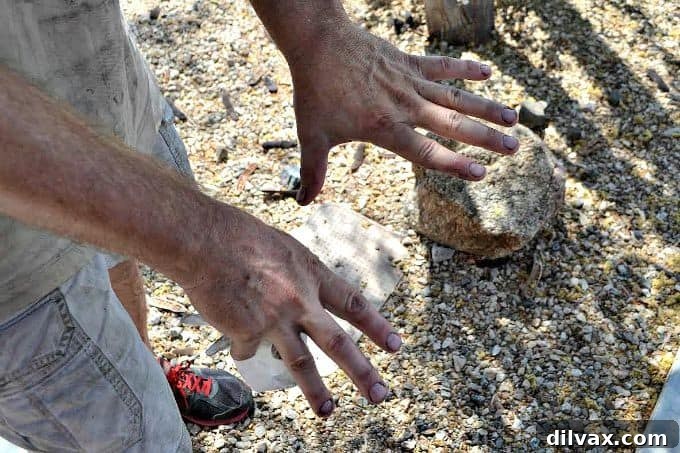
Yesterday, my spouse, Mr. 365, was engrossed in a significant car repair project. As expected, his hands became incredibly dirty, thoroughly coated in thick engine grease – a sight that would make most people sigh in defeat when thinking about cleanup. However, having stumbled upon this unconventional cleaning technique online, I was eager to put it to the test. The results were so astonishingly effective, and the method so refreshingly simple and inexpensive, that I simply had to document it to share with you all.
This method leverages a fundamental principle of chemistry: “like dissolves like.” In simpler terms, oil effectively dissolves other oils and greases. Instead of fighting grease with water-based solutions, we’re using oil to break down and lift the stubborn grime directly from your skin. It’s a gentle yet powerful approach that tackles the problem at its root.
The Science Behind “Oil Cleans Oil”
The concept of “oil cleans oil” isn’t new; it’s the very foundation of many facial cleansing oils and makeup removers. Grease, like the oils in our skin, is primarily composed of non-polar molecules – molecules that share electrons evenly and therefore don’t have a significant electrical charge. Water, on the other hand, is a polar molecule, meaning it has an uneven distribution of charge. This fundamental difference in polarity is why oil and water don’t mix.
When you introduce a non-polar substance (like cooking oil) to another non-polar substance (like engine grease), they are attracted to each other. The applied oil acts as a solvent, surrounding and dissolving the grease particles on your hands. This process breaks down the cohesive structure of the stubborn grease, lifting it away from your skin’s surface and allowing it to be easily wiped off. It’s an elegant solution that works with the chemistry of the substances rather than against it, resulting in a cleaner, less abrasive, and more efficient removal process.
Step-by-Step Guide: How to Clean Greasy Hands with Oil
This incredibly effective technique requires just a couple of items you likely already have in your kitchen. The beauty of it lies in its simplicity and accessibility. There’s no need for special, expensive hand cleaners; the solution is often right within reach.
Materials Needed:
- Canola Oil: Or any similar vegetable oil such as sunflower, olive, or even coconut oil. The type isn’t as critical as its oily nature.
- Paper Towels or Old Rags: Plenty of them, as you’ll be wiping away significant amounts of grease.
- (Optional) Granulated Sugar: For extra scrubbing power, especially for ingrained dirt.
- Regular Hand Soap and Water: For a final, refreshing wash.
Detailed Instructions:
- Apply Oil Generously: Start with dry, greasy hands. Pour a generous amount of canola oil (about a tablespoon or two, depending on the level of grime) directly onto your palms. Do not add water at this stage.
- Rub Thoroughly: Begin rubbing your hands together as if you were washing them with soap. Work the oil into every part of your hands – your palms, backs of hands, between fingers, and especially under your fingernails and around your cuticles. You’ll immediately notice the oil starting to loosen and emulsify the grease. Keep rubbing for a minute or two, ensuring the oil has ample time to dissolve the embedded grime.
- Wipe Away the Grease: Take several sheets of paper towel or an old rag. Vigorously wipe your hands, applying firm pressure. You’ll see the grease transferring directly from your hands onto the paper towel, taking the majority of the oil with it. Discard the soiled towels. Repeat this wiping process with fresh paper towels until most of the visible grease is gone.
- (Optional) Add Sugar for Stubborn Areas: For particularly stubborn grease or grime that’s deep in your cuticles or under your nails, add a small amount of granulated sugar to your oil-coated hands before the final wipe. Rub the sugar gently, allowing its abrasive texture to exfoliate and lift away embedded particles. The oil will lubricate the sugar, preventing it from being too harsh on your skin.
- Final Wash with Soap and Water: Once you’ve wiped away the majority of the oil and grease, your hands should already look significantly cleaner. Now, proceed to wash your hands as you normally would with soap and water. The remaining oil will help the soap lather more effectively, easily rinsing away any last traces of oil and grease, leaving your hands surprisingly clean and soft, not stripped and dry.
Why This Method Stands Out: Unbeatable Benefits
Beyond its sheer effectiveness, the oil-based hand cleaning method offers several compelling advantages that make it superior to many conventional approaches:
- Inexpensive and Accessible: You likely already have all the necessary ingredients in your pantry. This means no special trips to the store for expensive, specialized hand cleaners, saving you both time and money.
- Gentle on Skin: Unlike harsh industrial soaps or solvents that can strip your skin of its natural oils, leading to dryness, cracking, and irritation, cooking oils are inherently moisturizing. They help to protect your skin while effectively removing the grime, leaving your hands feeling soft and supple rather than parched.
- Highly Effective on Stubborn Grease: This method excels where others fail. Its ability to chemically dissolve and lift heavy, sticky greases makes it ideal for the toughest jobs, from automotive repairs to gardening and painting.
- Environmentally Friendlier: Using biodegradable cooking oils instead of petroleum-based solvents or harsh chemical cleaners can be a more environmentally conscious choice, reducing your exposure to synthetic chemicals and minimizing their impact.
- Pleasant Scent (or Lack Thereof): Most cooking oils are either odorless or have a mild, pleasant scent, a welcome change from the strong, sometimes irritating chemical fragrances found in many degreasing hand soaps.
Beyond Canola: Other Oils You Can Use
While canola oil is an excellent choice due to its mildness and common availability, many other oils will work just as effectively. Don’t hesitate to use:
- Vegetable Oil: A general-purpose cooking oil that’s a perfect substitute.
- Olive Oil: Often readily available, though it might have a stronger scent.
- Coconut Oil: Solid at room temperature but melts easily on contact with warm skin, making it great for conditioning.
- Baby Oil or Mineral Oil: These are non-comedogenic (won’t clog pores) and very effective at dissolving grease.
- Old Motor Oil (as a pre-wash): Some mechanics swear by using a small amount of “clean” used motor oil as a first pass, as it’s the same chemical family as the grease you’re removing. However, this is less common for general home use due to potential skin sensitivities and disposal. For home use, stick to cooking oils.
Tips for Stubborn Grease and Deep Cleaning
Even with this fantastic oil method, some grease can be particularly tenacious, especially when it’s ingrained in the ridges of your skin or stubbornly lodged under fingernails. This is where an additional step can make all the difference.
As a clever reader on Facebook once suggested, incorporating granulated sugar into your oil wash provides an excellent exfoliating boost. The sugar acts as a gentle abrasive, mechanically scrubbing away dirt and grease particles that the oil has loosened but not fully lifted. Simply sprinkle a teaspoon of sugar onto your oil-coated hands and rub them together. The tiny sugar crystals help dislodge grime from cuticles, knuckle creases, and beneath fingernails, leaving them sparkling clean. The oil simultaneously moisturizes, preventing the sugar from being too harsh on your skin. Following this, a quick scrub with a dedicated nail brush under running water will ensure every last speck of dirt is gone.
Preventative Measures: Avoiding Greasy Hands Altogether
While this cleaning method is truly remarkable, the best defense is always a good offense. Implementing a few preventative measures can significantly reduce the amount of grease you accumulate on your hands in the first place, minimizing cleanup time.
- Wear Gloves: For any task involving grease, oil, or dirt, wearing appropriate gloves is the simplest and most effective solution. Nitrile gloves offer good dexterity and protection for automotive work, while thicker work gloves are better for heavy-duty tasks or gardening.
- Use Barrier Creams: Specialty barrier creams can be applied to hands before starting a greasy task. These creams create a protective layer that prevents grease from penetrating the skin and pores, making cleanup much easier afterwards.
- Wipe Tools as You Go: Keep a rag handy and wipe down tools and surfaces as you work. This not only keeps your tools cleaner but also reduces the amount of grease you might inadvertently transfer to your hands.
Common Scenarios Where This Method Shines
This oil-based cleaning trick is a lifesaver in a multitude of situations where greasy hands are an inevitable consequence:
- Automotive Repair: From oil changes to brake jobs, engine grease is notoriously difficult to remove. This method makes quick work of it.
- Bicycle Maintenance: Cleaning and lubricating chains, gears, and other components often leaves hands black with chain grease.
- Gardening and Yard Work: Handling rusty tools, soiled equipment, or even digging in rich soil can leave hands surprisingly grimy and stained.
- Cooking: After handling raw meats, certain oils, or sticky doughs, this method can gently remove residues without over-drying.
- Crafts and DIY Projects: Working with adhesives, paints, or machinery components often results in dirty hands that benefit from a gentle yet powerful clean.
Conclusion: Embrace the Power of Oil for Perfectly Clean Hands
The next time you or a family member emerge from the garage, garden, or kitchen with hands covered in grease, remember this simple, inexpensive, and incredibly effective trick. The principle of “oil cleans oil” is a testament to the fact that sometimes, the best solutions are the most straightforward and natural ones. By harnessing the power of ordinary cooking oil, you can effortlessly dissolve stubborn grime, protect your skin from harsh chemicals, and enjoy hands that are truly clean and soft.
Give this method a try – you’ll be astonished by the results. Share this valuable tip with anyone who struggles with greasy hands, and prepare to say goodbye to frustrating cleanup routines forever. Enjoy your perfectly clean hands!