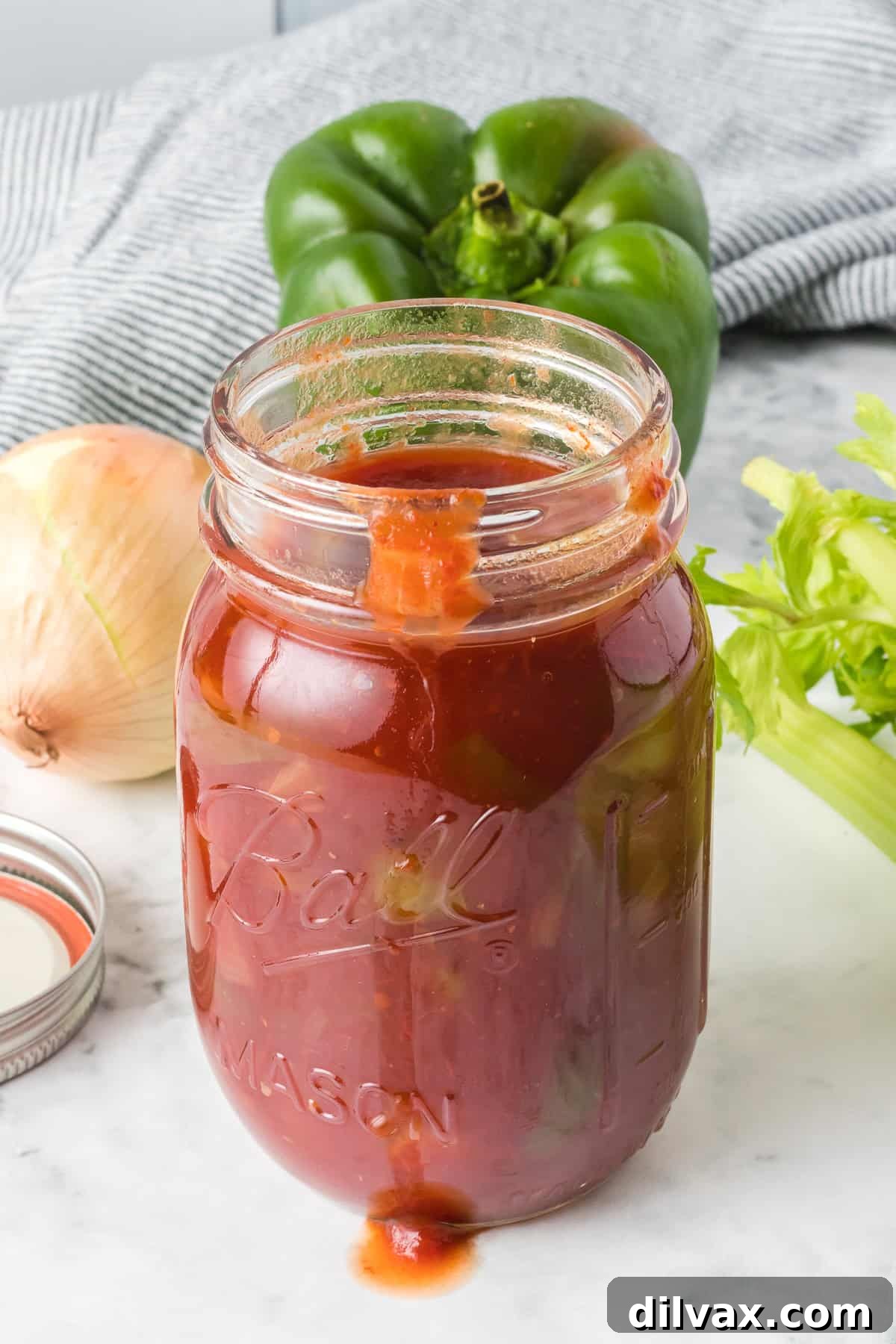
Forget the ordinary and elevate your grilling experience to legendary status with our incredible Homemade BBQ Sauce recipe! This isn’t just a condiment; it’s a testament to bold flavors, crafted with sweet brown sugar, tangy vinegar, savory Worcestershire sauce, and a thoughtful blend of fresh vegetables and aromatic spices. Get ready to ditch those store-bought bottles forever and impress everyone with your unforgettable barbecue creations. Fire up the grill – your culinary adventure starts here!
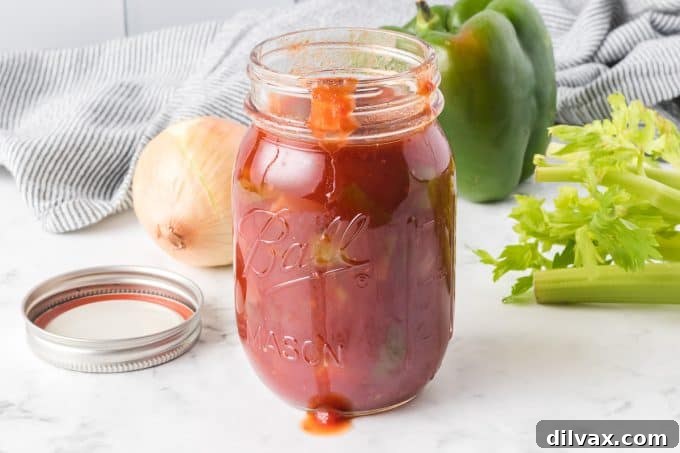
Why Craft Your Own Homemade BBQ Sauce?
In a world full of mass-produced condiments, there’s something uniquely satisfying about creating your own sauces from scratch. This particular homemade BBQ sauce recipe isn’t just any recipe; it’s a treasured family tradition, perfected over generations, delivering a depth of flavor that simply cannot be matched by anything you’ll find on a grocery store shelf. Beyond the rich, complex taste, making your own BBQ sauce offers several compelling advantages:
- Unrivaled Freshness: You control every ingredient, ensuring only the freshest vegetables and highest quality spices go into your sauce.
- Customizable Flavor: Tailor the sweetness, tang, and heat to perfectly suit your palate and the dishes you’re preparing.
- Healthier Alternative: Avoid unwanted preservatives, high-fructose corn syrup, and artificial flavors often found in commercial brands.
- Cost-Effective: Often, making a batch of delicious BBQ sauce at home is more economical than regularly purchasing premium store-bought options.
- Impress Your Guests: There’s a special pride in serving something truly homemade, and your friends and family will undoubtedly notice the difference.
Once you experience the vibrant, robust flavor of this easy-to-make sauce, you might never reach for a pre-made bottle again. It’s an effortless way to upgrade your barbecue game and add a personal touch to every meal.
SAVE THIS EASY BBQ SAUCE RECIPE TO YOUR FAVORITE PINTEREST BOARD!
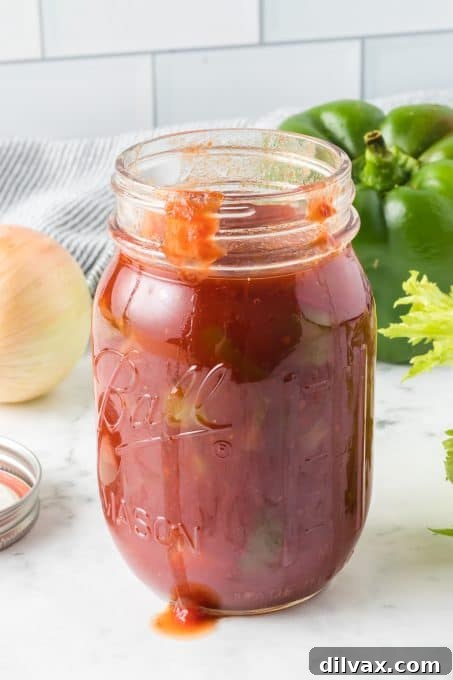
Unveiling the World of BBQ Sauce: Regional Delights & Flavor Profiles
Barbecue sauce is far from a monolithic condiment; it’s a diverse culinary landscape with distinct regional variations, each boasting a unique flavor profile. Understanding these differences can help you appreciate the versatility of BBQ sauce and even inspire your own custom creations. Here are the four primary types you’ll encounter:
- Vinegar-Based Sauces (e.g., Eastern North Carolina): These are often the thinnest of the BBQ sauces, prioritizing a sharp, tangy, and sometimes spicy kick over sweetness. Typically made with a base of vinegar (often apple cider vinegar), red pepper flakes, salt, and black pepper, they are fantastic for cutting through the richness of smoked pork, especially pulled pork, and also work wonderfully with chicken. Their bright acidity tenderizes meat and adds a clean finish.
- Tomato-Based Sauces (e.g., Kansas City & Texas): The most popular and widely recognized style, these sauces use ketchup or tomato paste as their foundation. They are characterized by a balance of sweet, tangy, and often smoky flavors, achieved through ingredients like brown sugar, molasses, Worcestershire sauce, onion powder, garlic powder, and sometimes liquid smoke. Kansas City-style tends to be thicker and sweeter, while Texas-style is often spicier and more savory, sometimes with a peppery bite. These versatile sauces are excellent with ribs, beef brisket, chicken, and almost any grilled meat.
- Mustard-Based Sauces (e.g., South Carolina): A unique and flavorful choice, these sauces are built upon a base of yellow mustard. They offer a distinctive tangy, savory, and subtly sweet taste, often enhanced with vinegar, brown sugar, and various spices. The mustard provides a bold, earthy flavor that pairs exceptionally well with pork, particularly pork shoulder, and makes for a fantastic dip for sausages or pretzels.
- Mayonnaise-Based Sauces (e.g., Alabama White Sauce): Less common but incredibly addictive, Alabama white sauce is a creamy, tangy, and savory condiment made primarily from mayonnaise, vinegar, black pepper, and sometimes a hint of horseradish or cayenne. It’s a revelation when paired with smoked or grilled chicken, offering a moistness and unique flavor that’s a departure from traditional red sauces. It also makes a fantastic dressing for coleslaw or potato salad.
Each type of BBQ sauce tells a story of its region, reflecting local agricultural products and culinary traditions. While our recipe leans towards a robust, tomato-based profile with a delightful tang, knowing these variations might just inspire your next BBQ experiment!
Crafting Your Signature Sauce: The Essential Ingredients
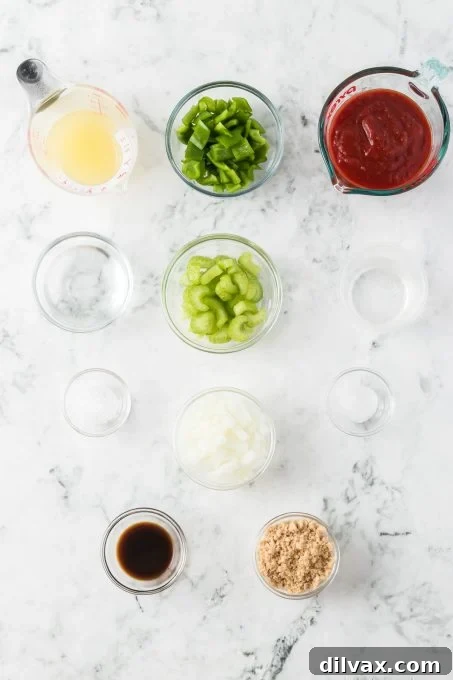
The magic of a truly great homemade BBQ sauce lies in the careful selection and balance of its core ingredients. This recipe brings together a harmonious blend of fresh produce and pantry staples to create a flavor explosion. Here’s a closer look at what you’ll need and why each component is crucial:
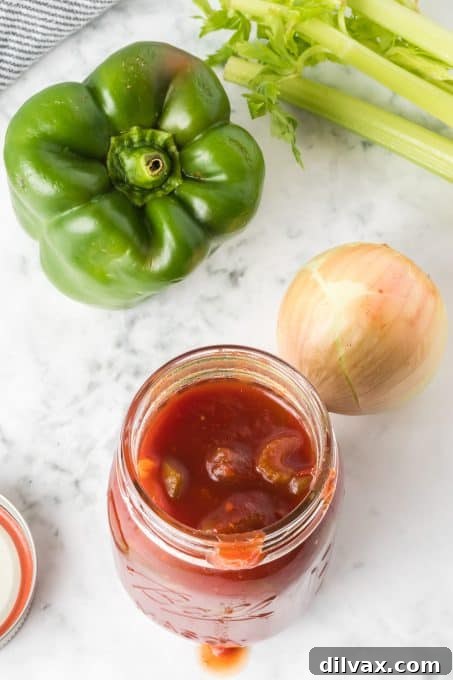
- ½ cup roughly chopped onion: Provides an aromatic base and savory depth. When simmered, it softens and releases its natural sweetness.
- ½ cup roughly chopped green pepper: Adds a fresh, slightly bitter note that complements the other flavors and contributes to the sauce’s texture.
- ½ cup sliced celery: Offers a subtle, earthy crunch (if left chunky) and another layer of savory complexity to the vegetable base.
- 3 tablespoons lemon juice: Essential for brightness and a zesty tang. Freshly squeezed lemon juice will always yield the best results, elevating the overall flavor.
- 3 tablespoons white vinegar (or apple cider vinegar): The backbone of the sauce’s tanginess. Vinegar balances the sweetness and provides that signature BBQ bite. Apple cider vinegar offers a slightly fruitier, mellower tang.
- 1 tablespoon Worcestershire sauce: A secret weapon for umami. Worcestershire sauce adds a deep, savory, and slightly funky flavor that rounds out the sauce and provides incredible complexity.
- 3 tablespoons brown sugar: The primary sweetening agent. Brown sugar, with its molasses content, adds a rich, caramel-like sweetness that is far more nuanced than plain white sugar, crucial for a classic BBQ sauce flavor.
- 6 tablespoons water: Helps achieve the right consistency and ensures all ingredients meld together perfectly as they simmer.
- 1 cup bottled chili sauce: This isn’t just about heat; it’s about the flavorful, slightly sweet, and tangy tomato base that forms the heart of our sauce. It provides a quick and robust starting point for that classic BBQ profile.
- 1 teaspoon Kosher salt: Crucial for enhancing all the other flavors. Kosher salt has a cleaner taste than regular table salt.
- ½ teaspoon Accent (MSG): A flavor enhancer that boosts the savory notes (umami) in the sauce, making it taste more profound and satisfying. (See our dedicated section on MSG below for more details.)
Gathering these simple yet powerful ingredients is the first step towards creating a truly memorable homemade barbecue sauce that will become your new go-to for all your grilling needs.

Step-by-Step Guide: How to Master Your Homemade BBQ Sauce
Don’t be intimidated by the ingredient list; this easy BBQ sauce recipe comes together with surprising simplicity. The beauty of this sauce lies in its slow simmer, allowing all the flavors to deepen and intertwine. Here’s how to whip up your own batch of irresistible barbecue goodness:
- Combine All Ingredients: In a medium saucepan, combine all the roughly chopped onion, green pepper, sliced celery, lemon juice, white vinegar (or apple cider vinegar), Worcestershire sauce, brown sugar, water, bottled chili sauce, Kosher salt, and Accent. Give everything a good whisk to ensure all the liquid ingredients are well integrated and the brown sugar begins to dissolve.
- Simmer to Perfection: Bring the mixture to a gentle simmer over medium-low heat. The key here is patience. Allow the sauce to cook slowly, stirring occasionally, for about 40 minutes. During this time, the vegetables will soften considerably, releasing their flavors, and the sauce will gradually thicken to a luscious consistency. The aroma filling your kitchen will be absolutely divine!
- Cool and Serve (Smooth or Chunky): Once the vegetables are very soft and the sauce has thickened to your liking, remove it from the heat. Let it cool down a bit before using. At this stage, you have a choice: you can embrace the rustic charm of the vegetable pieces, which add a lovely texture, or you can achieve a perfectly smooth sauce. For a smooth consistency, transfer the slightly cooled sauce to a blender and process until velvety, or use an immersion blender directly in the saucepan. My family often enjoys it both ways, depending on the dish!
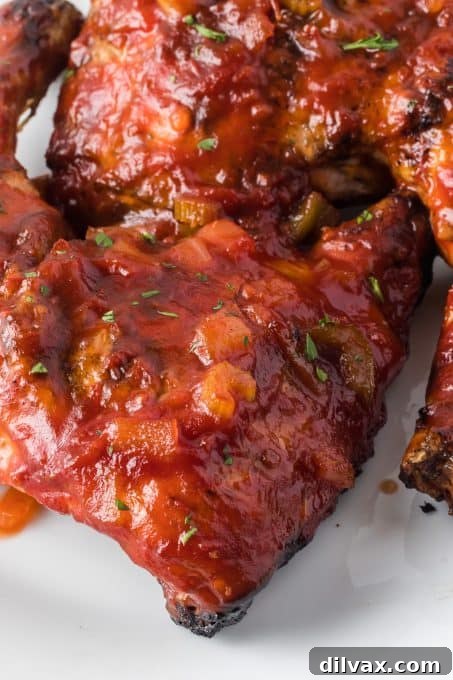
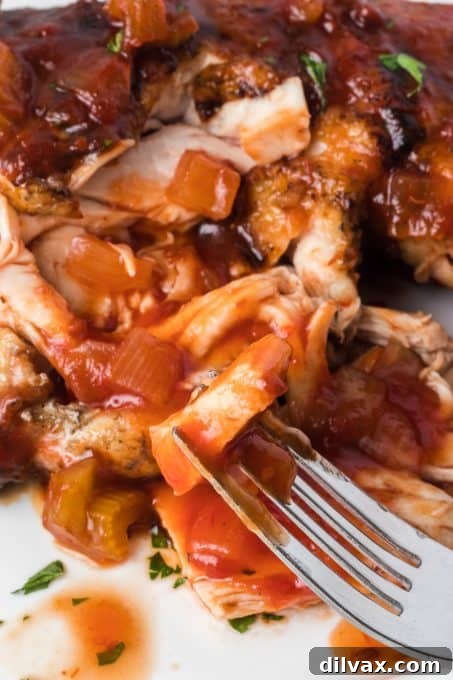
- Baste, Coat, and Dip: This sauce is designed for maximum flavor impact. I typically use about one cup to generously baste chicken or other meats during the final stages of cooking on the grill or in the oven. Just before serving, I add a fresh coating of the remaining sauce to ensure a vibrant, sticky glaze. Don’t forget to serve extra alongside in small bowls for dipping – it’s perfect for fries, chicken nuggets, or just an extra slather on your main dish.
Making your own easy homemade BBQ sauce is a rewarding process that results in a condiment far superior to anything from a bottle. Get ready to enjoy the rich, complex flavors you’ve created!
Beyond the Basics: Popular Variations for Every Palate
While this homemade BBQ sauce recipe is a classic winner on its own, its foundational flavors make it incredibly adaptable. Don’t hesitate to get creative and customize it to suit your personal preferences or specific culinary whims. Here are some popular ideas to inspire your next batch:
- Spicy BBQ Sauce: For those who crave a kick, introduce some heat! Incorporate a pinch of cayenne pepper, a dash of your favorite hot sauce, a teaspoon of chili powder, or a sprinkle of red pepper flakes during the simmering stage. Start small and add more to reach your desired level of spice. Chipotle powder can also add a smoky heat.
- Sweet & Tangy BBQ Sauce: If you prefer a sweeter profile, feel free to adjust the brown sugar quantity. Alternatively, swap out some of the brown sugar for natural sweeteners like honey, maple syrup, or even a touch of molasses to create a deeper, richer sweetness. A little extra white vinegar can enhance the tangy counterpoint.
- Smoky BBQ Sauce: To infuse a pronounced smoky flavor, consider adding a teaspoon or two of liquid smoke. Be mindful as liquid smoke is potent; add it gradually and taste as you go. For a natural smoky flavor, you could also incorporate smoked paprika into the spice blend.
- Asian-Inspired BBQ Sauce: Give your sauce an exotic twist by introducing Asian flavors. Add a tablespoon of grated fresh ginger, a splash of sesame oil, and a touch of soy sauce (or tamari for a gluten-free option) during the simmering process. A hint of rice vinegar can also replace some of the white vinegar for a different kind of tang.
- Boozy BBQ Sauce: For a sophisticated adult twist, add a splash of your favorite bourbon or whiskey to the sauce. Allow it to simmer for a longer period, perhaps an additional 10-15 minutes, to mellow out the alcohol content and leave behind only its rich, complex notes. This is particularly delicious with beef and pork.
- Herbaceous BBQ Sauce: Experiment with dried or fresh herbs. A touch of dried oregano, thyme, or rosemary can add an aromatic dimension to the sauce. If using fresh herbs, stir them in during the last few minutes of simmering or after the sauce has cooled to preserve their vibrant flavor.
These variations prove that your DIY BBQ sauce can be as unique as you are. Don’t be afraid to experiment and discover your new favorite flavor combination!
Frequently Asked Questions (FAQs) About Homemade BBQ Sauce
Understanding Monosodium Glutamate (MSG) in Your BBQ Sauce
One of the ingredients in this recipe, Accent, is a brand name for Monosodium Glutamate (MSG), a widely recognized flavor enhancer. You might have heard various opinions about MSG, and it’s natural to have questions. Here are some informative facts that may help ease any concerns:
- Extensive Research: There is a vast body of research on MSG, reviewed by independent scientists and regulatory authorities worldwide, including the U.S. Food and Drug Administration (FDA). All have consistently found MSG to be safe for consumption.
- Naturally Occurring: Glutamate, the amino acid that MSG is derived from, occurs naturally in many common foods. These include tomatoes, Parmesan cheese, mushrooms, walnuts, and cured meats. When added as seasoning, MSG simply provides more of this natural flavor.
- Body Absorption: Your body processes glutamate in exactly the same way, whether it comes from naturally occurring sources in food or is added as monosodium glutamate. It does not differentiate.
- Flavor Enhancement: MSG amplifies the savory “umami” taste, making foods taste richer, fuller, and more satisfying. It’s why it’s a staple in many cuisines globally.
- Dietary Concerns: If you have specific health concerns about your diet or ingredients like MSG, it is always best to consult with your physician or a registered dietitian.
For those who prefer to avoid MSG, a potential alternative to the ½ teaspoon of Accent in this recipe could be ¼ to ½ teaspoon of low-sodium soy sauce, which also contains natural glutamates and umami notes. However, this will alter the flavor profile slightly from the original recipe.
Perfect Pairings: What to Serve with Your Homemade Barbecue Sauce?
Our homemade barbecue sauce is incredibly versatile, making it the perfect companion for a wide array of meats, vegetables, and even unexpected dishes. Its balanced sweet, tangy, and savory profile makes it suitable for almost any occasion. Here are some of my absolute favorite ways to enjoy this delicious sauce:
- Pulled Pork: The rich, tender strands of pulled pork are a match made in heaven for this tangy and smoky BBQ sauce. Serve it piled high on a brioche bun with coleslaw, or incorporate it into creative dishes like our BBQ Pulled Pork Mac & Cheese.
- Grilled Chicken: Whether you’re grilling chicken wings, tenderloins, thighs, breasts, or skewers, this sauce adds an incredible sticky, caramelized glaze. Brush it on generously during the final few minutes of grilling to prevent burning and ensure maximum flavor. It also makes a fantastic marinade!
- Ribs: A classic pairing! Whether you prefer fall-off-the-bone baby back ribs or meaty spare ribs, slathering them in this best BBQ sauce is an absolute must. Try our recipe for Barbecued Spare Ribs for an unforgettable meal.
- Burgers: Elevate your ordinary burger to gourmet status by topping it with a generous dollop of this homemade sauce instead of ketchup or mustard. For a delightful twist, experiment with our Cheesy Spiced Pork Burgers.
- Grilled Vegetables: BBQ sauce isn’t just for meat lovers! Brush it onto your favorite grilled vegetables like corn on the cob, zucchini planks, bell pepper strips, or even portobello mushrooms for a smoky, flavorful side dish that will convert even the pickiest eaters.
- Dipping Sauce: This tangy sauce doubles as an excellent dip. Serve it alongside crispy french fries, onion rings, chicken tenders, or even vegetable sticks for a flavorful snack.
- BBQ Chicken Pizza: My personal favorite! Use this homemade sauce as the base for your BBQ chicken pizza, topping it with shredded chicken, red onion, and mozzarella for a takeout-worthy meal at home.
- Meatloaf or Meatballs: Use this sauce to glaze your meatloaf for an extra burst of flavor or toss it with meatballs for a crowd-pleasing appetizer.
With its rich and versatile flavor, this homemade BBQ sauce is sure to become a staple in your kitchen, transforming everyday meals into extraordinary culinary experiences.

Storing Your Homemade BBQ Sauce: Freshness & Longevity
One of the many benefits of making a batch of homemade BBQ sauce is having it readily available for all your grilling and cooking needs. Proper storage ensures your sauce remains fresh and delicious for as long as possible:
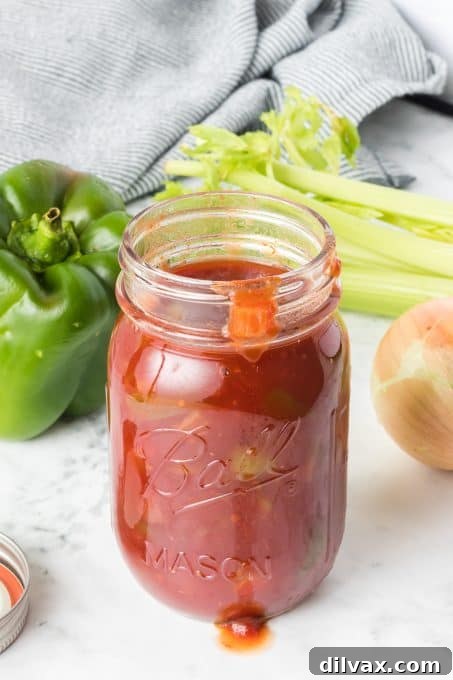
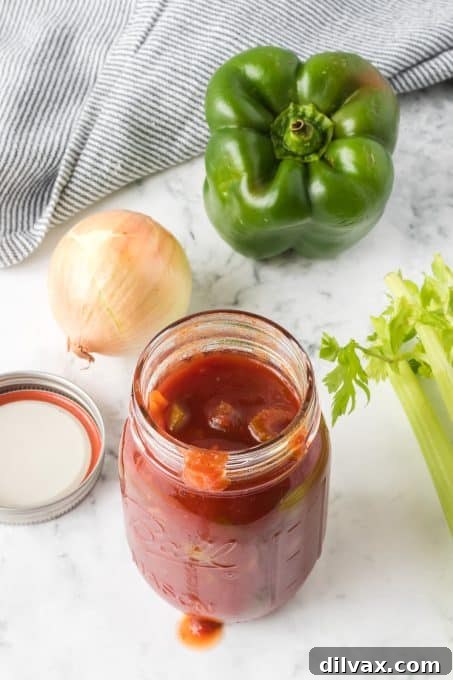
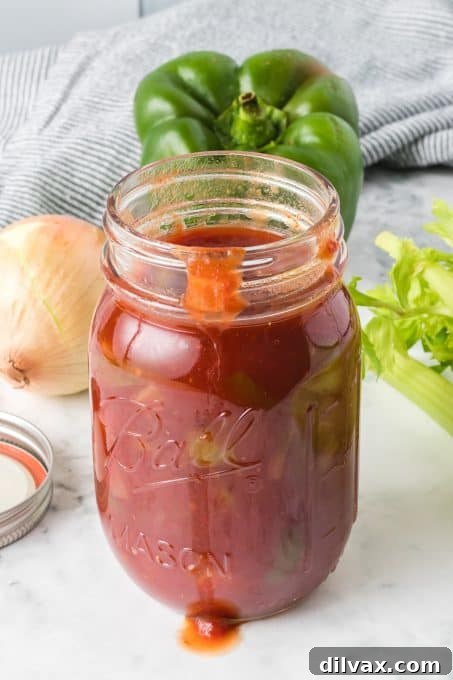
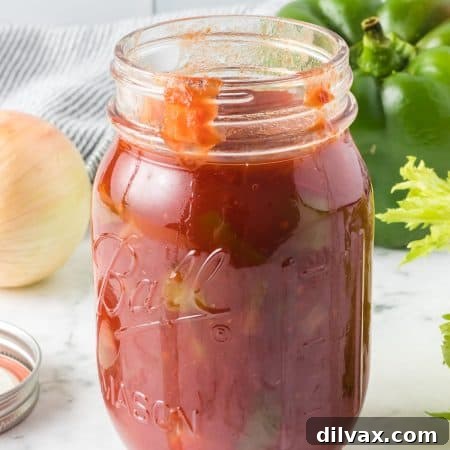
- Refrigeration: Once your sauce has completely cooled to room temperature, transfer it to a clean mason jar or any other airtight container. Stored in the refrigerator, this homemade BBQ sauce will maintain its quality and flavor for up to two weeks. Always ensure the lid is tightly sealed to prevent exposure to air and other food odors.
- Freezing: Yes, you can absolutely freeze BBQ sauce! This is a fantastic option if you’ve made a larger batch or want to prepare ahead. Pour the cooled sauce into freezer-safe containers, leaving a little headspace for expansion, or use double freezer bags to prevent any leakage. It will keep beautifully in the freezer for up to three months. When you’re ready to use it, simply thaw the sauce overnight in the refrigerator. Stir well before serving to re-incorporate any separated ingredients.
Having a stash of this delectable DIY BBQ sauce on hand means you’re always just a step away from elevating your next meal!
Achieving the Perfect Consistency: What if Your Sauce is Too Thin?
This particular homemade BBQ sauce recipe is designed to be a slightly thinner sauce compared to some of the very thick, sugary varieties you might find in stores. This lighter consistency allows it to permeate meats beautifully, creating a deep, infused flavor rather than just a surface coating. Personally, I’ve always found its natural thickness, achieved through simmering, to be ideal for basting and dipping.
However, if you prefer a thicker BBQ sauce, perhaps for a heartier glaze or a dip that clings more readily, there’s an easy fix:
Use a Cornstarch Slurry:
- In a small bowl, whisk together 1 tablespoon of cornstarch with 2 tablespoons of cold water until a smooth, lump-free slurry forms.
- Towards the end of your sauce’s cooking time, or after it has cooled slightly and you’ve reheated it gently, add about half of the cornstarch slurry to the simmering sauce. Stir continuously for 1-2 minutes.
- Observe the consistency. The sauce will begin to thicken as it heats. If it’s still not as thick as you’d like, add the remaining slurry, stirring and simmering for another minute or two.
Important Tip: Always add the cornstarch slurry gradually, as adding too much at once can result in an overly thick or gummy sauce. You can always add more, but you can’t easily remove it. Allow the sauce to simmer for a few minutes after each addition to give the cornstarch time to activate and thicken. This method will help you achieve your desired consistency without compromising the delicious flavor of your best homemade BBQ sauce.
Explore More Homemade Sauces
There’s immense satisfaction in crafting your own sauces, knowing exactly what ingredients are in them and being able to perfectly tune the flavors to your preference. If you enjoyed making this easy BBQ sauce, you’ll love exploring these other fantastic homemade sauce recipes:
- One-Pot Spaghetti Meat Sauce: Made with savory ground beef, rich tomatoes, and aromatic herbs, this One-Pot Spaghetti Meat Sauce recipe is incredibly versatile, perfect for pasta nights or layered in a comforting lasagna.
- Homemade Pizza Sauce: Elevate your pizza game with this vibrant Pizza Sauce recipe. It’s the ideal base for your homemade pizza, bursting with fresh tomato flavor.
- Roasted Garlic Alfredo Sauce: Indulge in the creamy, garlicky goodness of this Homemade Roasted Garlic Alfredo Sauce. It’s rich with cheesy Parmesan and slow-roasted garlic, making it utterly irresistible.
- 3-Ingredient Strawberry Sauce: Quick, easy, and incredibly delicious, this 3-Ingredient Strawberry Sauce is a delightful addition to ice cream, crepes, pancakes, waffles, and so much more!
- Creamy Tzatziki Sauce: If you’re a fan of Greek cuisine, you’ll adore this refreshing Tzatziki Sauce. Its cool, tangy flavor pairs perfectly with our Turkey Gyro Pockets or any grilled meat and vegetables.
Each of these recipes promises to bring fresh, vibrant flavors to your table, proving that homemade is always the better choice.
FOLLOW ME
FACEBOOK ~ PINTEREST
INSTAGRAM ~ TWITTER
YOUTUBE
Keep an eye out for more of my easy recipes each week!
Want to Save This Recipe?
Enter your email & I’ll send it to your inbox. Plus, get great new recipes from me every week!
By submitting this form, you consent to receive emails from 365 Days of Baking and More.
Homemade Barbecue Sauce
Ingredients
- ½ cup sliced celery
- ½ cup roughly chopped green pepper
- ½ cup roughly chopped onion
- 1 cup chili sauce
- 6 tablespoons fresh lemon juice
- 6 tablespoons water
- 3 tablespoons white vinegar
- 3 tablespoons packed light brown sugar
- 1 tablespoon Worcestershire sauce
- 1 teaspoon salt
- ½ teaspoon Accent *See Note
Instructions
-
Combine all ingredients – the celery, green pepper, onion, chili sauce, lemon juice, water, vinegar, brown sugar, Worcestershire sauce, salt and Accent in a saucepan.
-
Cook over medium-low heat until vegetables are very soft, about 40 minutes, stirring occasionally. Sauce will thicken as it cooks.
-
Use one cup of the sauce to cook with / for basting, and reserve the remaining cup to coat the chicken, pork, etc. before serving and for dipping.
Notes
- Accent is MSG (monosodium glutamate). It is a flavor enhancer, and is used in many cuisines. You’ll find it in the spice aisle of your grocery store or here on Amazon. The U.S. Food and Drug Administration has classified MSG as a food ingredient that is generally safe, however I know that many may be opposed to consuming it. I have never used anything but Accent to make this recipe, and there is no exact substitute. When doing a search, Google tells me that soy sauce may be the best alternative. To replace the 1 teaspoon of Accent called for in the recipe, I would use just a ½ teaspoon low sodium soy sauce.
The bottle I just purchased to make this recipe expires in 5 years, so it does have a long shelf life if you’re concerned about purchasing an ingredient that will expire before you use it all.
See the heading in the post, MSG Seasoning (Monosodium Glutamate), for more about MSG as well as a link to an informative video. - The sauce can be made smooth if you allow it to cool and put it into a blender or use an immersion blender. My family prefers it with the chunks of vegetables.
- It will be a slightly thinner sauce than what you might purchase at the store, but if you’d like to thicken it, see the post for details.
- This recipe makes 2 cups of barbecue sauce and nutritional information has been calculated for 2 tablespoons per person.
- The sodium in this recipe is high because of the combination of salt and monosodium glutamate, but know that msg has ⅓ of the amount of sodium that salt does.
Nutrition
Did you make this recipe?
Share it with me on Instagram and make sure to follow me on Pinterest for more recipes.
Pin Recipe
Share Recipe