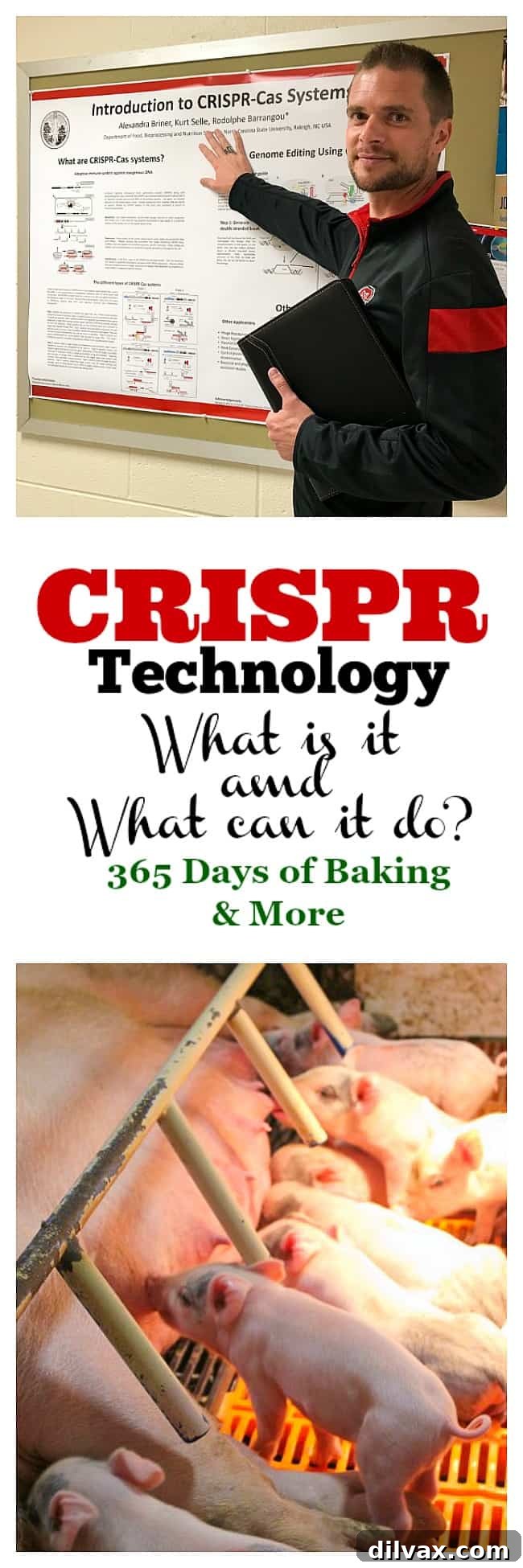
CRISPR Technology: Unlocking the Future of Health, Food, and Beyond
Have you ever heard of CRISPR? Perhaps the name conjures images of a refrigerator drawer for your vegetables, crisping up lettuce. Rest assured, while that’s a common initial thought, the scientific advancement known as CRISPR is vastly more profound and infinitely more exciting! It’s a game-changing genome editing tool that holds the potential to redefine human and animal health, transform agriculture, and address some of the world’s most pressing challenges for generations to come.
I am partnering with Best Food Facts to bring you this information. As always, all opinions are 100% my own.
My own journey into the remarkable world of CRISPR technology began not long ago, sparked by an invitation from Best Food Facts. Their mission was to demystify this revolutionary science through a series of video interviews with leading researchers, and they asked me to be the interviewer. To say I was hesitant would be an understatement. My comfort zone is the kitchen, sharing recipes and culinary tips with my online community. The thought of delving into complex scientific discussions, filled with unfamiliar terminology, and interviewing brilliant minds on camera, was frankly daunting.
My mind raced with questions and doubts:
- What could I, a self-taught home chef, possibly contribute to a discussion about cutting-edge science?
- How does something as intricate as gene editing relate to my passion for food and my blog?
- Interviewing real scientists, face-to-face, when my usual “interviews” are essentially talking to myself through an iPad during a Facebook Live? That felt like an entirely different league.
- Would I understand any of the “big words” these doctors and professors would use? I envisioned myself with a perpetually deer-in-the-headlights expression, utterly lost amidst the scientific jargon.
The internal debate was intense. Should I embrace the unknown, or stick to what I knew best? Ultimately, the allure of learning something truly groundbreaking, of stepping out of my culinary comfort zone and into the realm of scientific discovery, proved too strong to resist. I said yes, and it turned out to be one of the most enriching and eye-opening decisions I’ve ever made. The experience was nothing short of phenomenal, profoundly changing my understanding of science and its impact on our daily lives.
Unlocking Knowledge: Share This Breakthrough Information!
What Exactly is CRISPR Technology?
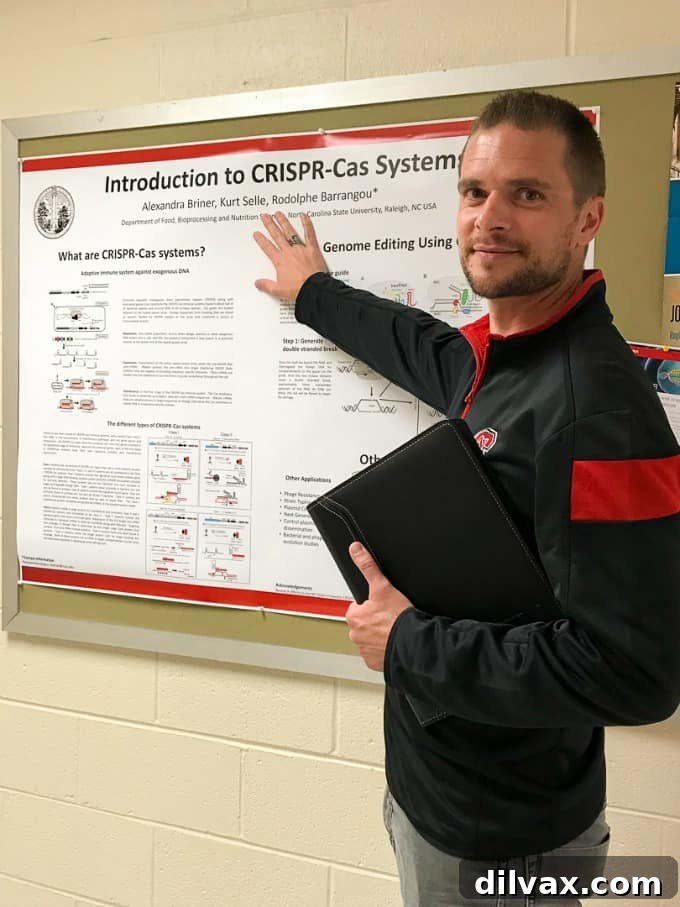
My immersive learning experience commenced at North Carolina State University, where I had the privilege of speaking with Dr. Rodolphe Barrangou, a distinguished food science professor. He eloquently introduced me to CRISPR, an acronym that, once understood, reveals the elegant precision of this scientific marvel:
- C – Clustered
- R – Regularly
- I – Interspaced
- S – Short
- P – Palindromic
- R – Repeats
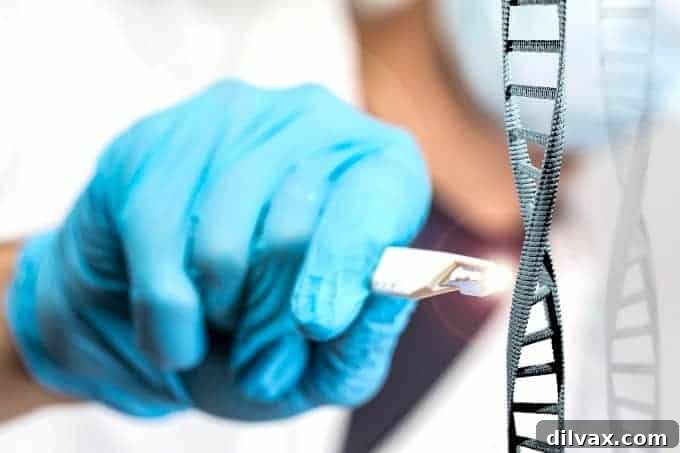
In essence, CRISPR is a sophisticated gene-editing tool often likened to a “molecular scalpel.” Imagine having the ability to precisely identify and correct a single incorrect letter in a vast book, not just a sentence. That’s the level of precision CRISPR offers when working with DNA – the fundamental building blocks of all life. It’s an enzymatic system that allows scientists to target specific sections of DNA, cut them, and either remove, replace, or modify them. This ability to edit the genetic code with such remarkable accuracy is what makes CRISPR so revolutionary.
Dr. Barrangou’s analogy really stuck with me: “It’s similar to correcting a mistake when you’re writing. You can precisely go into a word in a sentence in a paragraph and change that one specific letter to what it should be.” This vivid comparison perfectly illustrates how CRISPR’s guide RNA acts like a GPS, leading the Cas9 enzyme (the “scalpel”) to the exact DNA sequence that needs editing. The implications of being able to manipulate life’s blueprint at such a fundamental level are truly staggering, and scientists around the globe are already harnessing this power in countless ways.
To fully grasp the mechanics, watch Dr. Barrangou explain it himself in the first video of our series:
Transformative Potential: CRISPR’s Impact Across Sectors
The applications of CRISPR technology span an incredible breadth, promising advancements that could fundamentally alter our future. Its potential reaches into three critical areas: human health, animal well-being, and global food security.
Revolutionizing Human Health and Disease Treatment
One of the most profound impacts of CRISPR lies in its capacity to tackle debilitating human diseases. By precisely editing faulty genes, scientists envision a future where many genetic disorders can be cured at their root cause. Imagine a world free from the suffering caused by:
- HIV: CRISPR could potentially remove the viral DNA from infected cells, offering a path to functional cures.
- Muscular Dystrophy: By correcting the genetic mutations responsible for muscle degeneration, CRISPR could restore muscle function and improve quality of life.
- Cancer: The technology could be used to engineer immune cells to more effectively target and destroy cancer cells, leading to more potent immunotherapies.
- Sickle Cell Disease: This painful and life-threatening blood disorder, caused by a single genetic mutation, is a prime target for CRISPR. By correcting the gene responsible for abnormal hemoglobin, CRISPR offers a beacon of hope for a lasting cure.
During my interviews, the story of sickle cell disease resonated deeply. I had been scheduled to speak with Dr. Shakir Cannon, a fervent advocate for CRISPR’s potential to cure sickle cell, having battled the disease throughout his life. His unexpected passing in December from complications of the disease was a profound loss, a poignant reminder of the urgency of this research. His passion, however, continues to inspire countless researchers and patients.
I also spoke with Dr. Nazia Tabassum of Children’s Mercy Hospital, Kansas City, who shed light on the immense suffering faced by sickle cell patients daily – the chronic, severe pain, and constant respiratory difficulties. Hearing her insights reinforced the desperate need for breakthroughs. The promise of CRISPR, offering a horizon of help, provides immense comfort and motivation for continued scientific pursuit.
Hear more about CRISPR’s potential for disease treatment in this video:
Enhancing Animal Health and Agricultural Sustainability
CRISPR’s benefits extend beyond human medicine, offering powerful solutions for improving animal health and contributing to sustainable agriculture. This is particularly vital in the livestock industry, where diseases can cause immense animal suffering and significant economic losses for farmers.
My second video interview brought me back to familiar territory – virtually, at least. I had the pleasure of speaking with Erin Brenneman of Brenneman Pork, whom I had previously visited on her family’s farm in Iowa during a Pork Tour. Erin eloquently articulated the devastating impact of the PRRS virus, an acronym for Porcine Reproductive and Respiratory Syndrome.
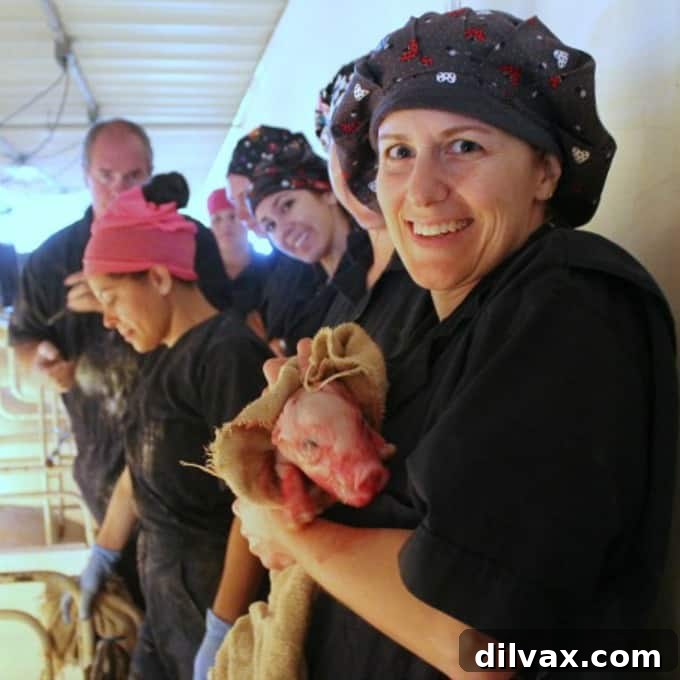
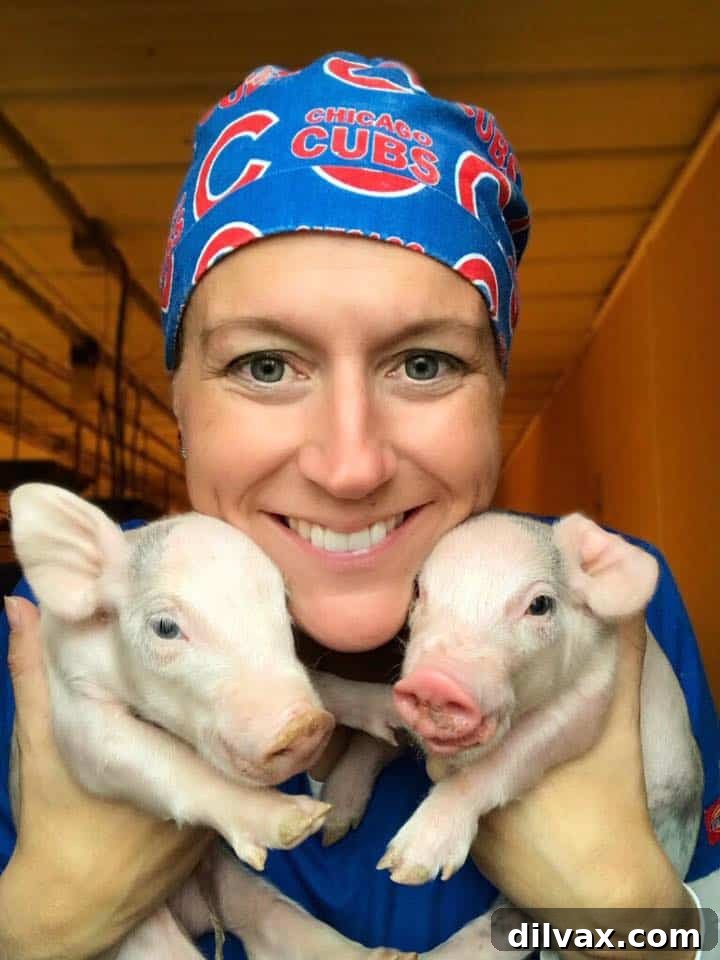
PRRS is a highly contagious and destructive disease that causes respiratory illness, reproductive failure, and increased susceptibility to other infections in pigs. Its outbreaks lead to widespread animal suffering, reduced productivity, and staggering financial burdens for farmers worldwide. CRISPR technology offers a revolutionary approach to combat PRRS by making pigs genetically resistant to the virus, thereby reducing disease prevalence, improving animal welfare, and safeguarding the livelihoods of countless farming families.
Improving Food Sources and Ensuring Global Food Security
Beyond health, CRISPR is poised to transform the way we grow and consume food, promising more nutritious, resilient, and safer crops. This gene-editing tool offers solutions for:
- Eliminating Food Allergens: Imagine a world where common food allergens in nuts, wheat, or dairy could be precisely removed or deactivated at the genetic level, opening up safe dietary options for millions with allergies.
- Enhancing Nutritional Value: CRISPR can be used to boost the vitamin and mineral content of staple crops, directly addressing hidden hunger and malnutrition in vulnerable populations.
- Improving Crop Resilience: By editing genes, scientists can create plants that are more resistant to pests, diseases, and harsh environmental conditions like drought or extreme temperatures, leading to higher yields and more stable food supplies.
My final video interview took me to California, where I met Dr. Jessica Lyons, a Molecular Biologist at the University of California – Berkeley. Our conversation focused on her groundbreaking research with the cassava plant.

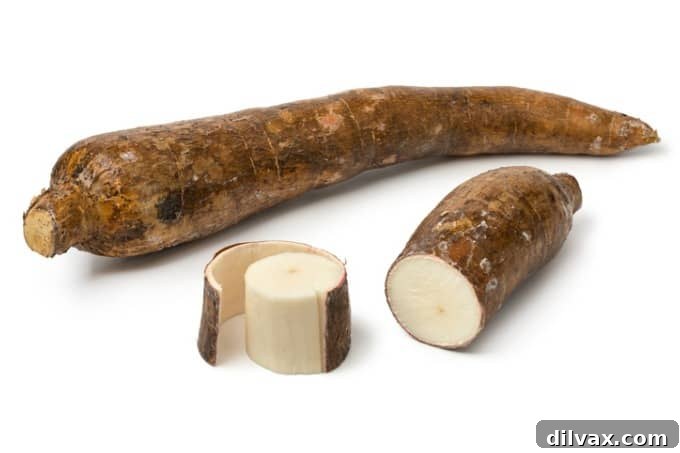
The cassava plant, also known as yucca in the U.S. (pronounced you-ka), is a staple food for over half a billion people worldwide, particularly in Africa, Asia, and Latin America. It’s incredibly versatile, and fun fact for fellow foodies: it’s also where tapioca, a common ingredient in my own kitchen, is derived! I’ve used instant tapioca to thicken many of my beloved desserts, like my Strawberry Rhubarb Galette and Lattice Strawberry Rhubarb Pie. Tapioca flour is also a staple in gluten-free baking, creating wonders like Light and Fluffy Gluten-Free Pancakes, or for achieving that coveted crispiness in dishes like Guaranteed Crispy Baked Sweet Potato Fries.
However, despite its global importance, the cassava plant harbors a dangerous secret: it naturally contains cyanide. If not processed correctly – a labor-intensive and time-consuming process – consuming cassava can lead to severe health consequences, even death. Dr. Lyons and her team are leveraging CRISPR to develop cassava varieties with significantly reduced cyanide levels, making this vital crop safer and more accessible for millions and mitigating a major public health risk in developing countries.
Learn more about CRISPR’s role in food improvement from Dr. Lyons:
The Future is Now: Embracing CRISPR’s Promise
Reflecting on everything I learned about CRISPR technology, its astounding potential, and the dedicated individuals driving its research, I am left with a profound sense of wonder and excitement. This isn’t just abstract science; it’s a tangible force with the power to solve major medical issues, enhance agricultural practices, and ultimately impact countless lives for generations to come. From curing devastating diseases and alleviating animal suffering to creating safer and more nutritious food sources, CRISPR represents a pivotal moment in scientific history.
My initial apprehension has transformed into genuine advocacy. What was once a mysterious acronym is now a symbol of hope and progress. I believe we are on the cusp of witnessing incredible breakthroughs, and I encourage everyone to stay informed and engaged with the ongoing developments. There’s no doubt you’ll be hearing much more about CRISPR in the very near future, and its story is one we should all be following closely. The future of medicine, food, and life itself is being rewritten, one precise edit at a time.
~ CONNECT WITH ME ~
~ FACEBOOK ~ PINTEREST ~ INSTAGRAM ~ TWITTER ~
SIGN UP FOR THE WEEKLY 365 DAYS OF BAKING & MORE NEWSLETTER!
STAY UPDATED WITH OUR LATEST RECIPES AND STORIES!
JOIN THE 365 DAYS OF BAKING AND MORE FACEBOOK GROUP TO RECEIVE ADVANCE NOTICE OF MY LIVE FB VIDEOS, SHARE RECIPES AND MORE!