
Timeless Comfort: Baking Boston Baked Beans in a Vintage Dutch Oven
There’s a special kind of magic that happens in the kitchen when tradition meets a treasured family heirloom. Today, we’re diving deep into the heart of comfort food, not with a BBQ as the title might playfully suggest for some, but with the rich, slow-cooked goodness of Boston Baked Beans. For the next 216 days, this blog is dedicated to the art of baking, and what better way to kick things off than by rediscovering a classic recipe with a deeply personal touch.
A Trip Down Memory Lane: The Enduring Charm of My Vintage Dutch Oven
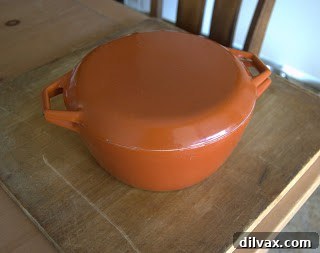
From the depths of my cupboard, I retrieved an old relic today – a dutch oven that’s certainly seen better days, or at least, days with a more subdued color palette. It’s unapologetically orange, a vibrant, almost audacious hue that stands out even among the most colorful kitchenware. Despite its eye-catching appearance, I wouldn’t dream of parting with it. This pot is more than just a cooking vessel; it’s a tangible link to my past, a piece of family history.
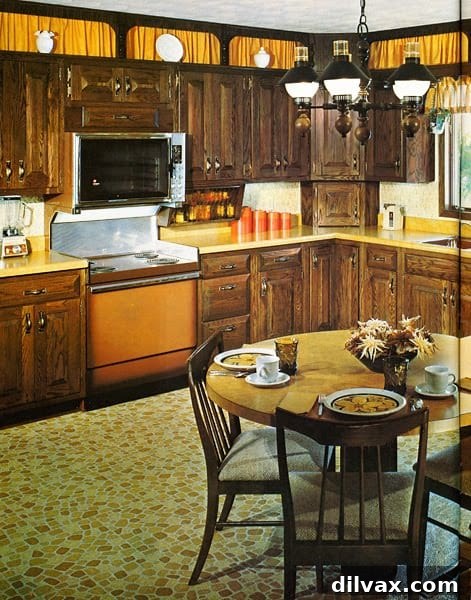
This venerable dutch oven dates back to the late 1960s. It was either a thoughtful gift to my mother or a cherished wedding present she received during an era defined by its unique design sensibilities. Think back to the hippie movement, when kitchens proudly showcased bold, sometimes clashing, color combinations of yellow, orange, and green. These were kitchens that exuded warmth and a distinct character, often quite unlike the minimalist aesthetics popular today. Imagine a space that looked something like this:

More Than Just a Pot: A Vessel of Family Heritage
Celebrating with Beans: A Fourth of July Tradition
Unlocking the Flavor of Tradition: Boston Baked Beans Recipe
Boston Baked Beans are more than just a side dish; they are a culinary cornerstone of American tradition, particularly in New England. Known for their rich, deep flavor achieved through slow cooking with molasses and salt pork, these beans offer a unique combination of sweet and savory notes. Baking them in a substantial dutch oven allows for even heat distribution and a slow, gentle simmer that transforms humble beans into a tender, flavorful masterpiece.
Ingredients for Classic Boston Baked Beans
This recipe, adapted from the timeless Fannie Farmer Cookbook, embraces the authentic methods and flavors that have delighted generations.
- 2 cups Great Northern Beans
- Water for soaking (ample amount)
- 1 teaspoon salt, approximately
- 1/4 pound salt pork
- 2 teaspoons dry mustard
- 5 tablespoons dark brown sugar
- 1/4 cup + 2 tablespoons molasses
- 1 large onion, minced
Detailed Instructions for Baking Perfection
The journey to perfect Boston Baked Beans begins with proper preparation. This recipe emphasizes the traditional slow-cook method, allowing flavors to meld beautifully.
Step 1: Preparing the Beans
Start by thoroughly washing your Great Northern Beans. This removes any dust or debris. Following this, the beans require an overnight soak. Place them in a large bowl and cover them with plenty of cold water, ensuring they are submerged by several inches as they will expand significantly.
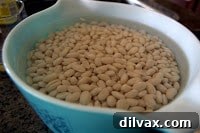
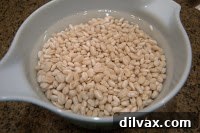
(On the left, you see the beans before soaking. On the right, the transformation after approximately 10 hours of hydration – they’ve plumped up beautifully and are ready for the next stage.)
Step 2: Initial Seasoning and Draining
After soaking, drain the beans, reserving the liquid. This bean liquid will be crucial for the cooking process, lending an authentic depth of flavor. Add approximately 1 teaspoon of salt to the beans and stir well to distribute.
Step 3: Preparing Your Baking Vessel
Preheat your oven to a steady 300ºF (150ºC). While the oven preheats, prepare your bean pot or, in our case, the trusty dutch oven. Cut the salt pork into 1-inch pieces. Arrange about 3 of these pieces at the very bottom of the pot. This creates a flavorful base and helps prevent sticking.
Step 4: Assembling the Beans
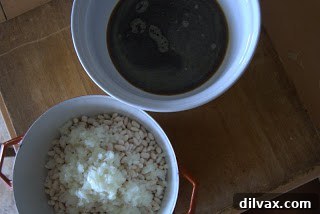
Carefully transfer the soaked beans into the prepared dutch oven. In a separate bowl, combine the dry mustard, dark brown sugar, and molasses with the reserved bean soaking liquid. Whisk this mixture until well combined. This creates the signature sweet and tangy sauce for the beans. Pour this flavorful liquid evenly over the beans in the pot.
Step 5: Final Additions and Combining
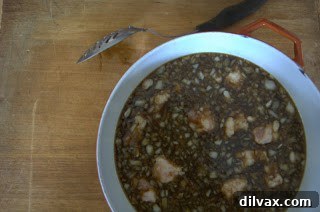
Add the minced large onion to the pot, along with the remaining pieces of salt pork. Stir all the ingredients gently but thoroughly to ensure everything is well combined and coated in the flavorful sauce.
Step 6: Slow Baking to Perfection
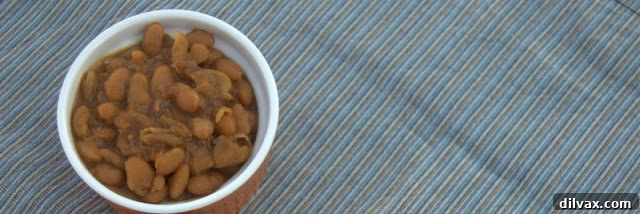
Cover the dutch oven with its lid and place it into the preheated oven. Bake for a leisurely 6 hours. During this long cooking process, it’s important to monitor the liquid level. Check periodically and add water as needed to keep the beans submerged and moist. In my experience with this batch, I added approximately 2 cups of water throughout the baking time to maintain the perfect consistency.
Tips for Perfect Boston Baked Beans and Personal Reflections
There’s something truly magnificent about witnessing the transformation of hard, dry beans into a gloriously soft, rich, and deeply flavored dish. The slow alchemy of baking turns simple ingredients into a comforting masterpiece.
On my personal baking scale of 1-4 rolling pins, these Boston Baked Beans earned a respectable 3 rolling pins. They were undeniably good, embodying much of the classic flavor profile, but I felt there was room for a little refinement to reach absolute perfection. Specifically, I believe they could benefit from a touch more molasses to deepen their characteristic sweetness and color. Next time, I plan to adjust the ratio: increasing the molasses from 1/4 cup + 2 tablespoons to a full 1/2 cup, and slightly decreasing the dark brown sugar from 5 tablespoons to 3 tablespoons. This adjustment should bring a more pronounced, complex molasses flavor, which is a hallmark of truly authentic Boston Baked Beans.
For anyone embarking on this journey of baking beans, remember that the “low and slow” method is your best friend. Patience is key. Don’t rush the soaking process, as it’s crucial for achieving tender beans. And always keep an eye on the liquid level during baking; a dry pot leads to tough beans. The beauty of a dutch oven is its ability to retain moisture and distribute heat evenly, creating an ideal environment for this slow-cooked delight.
The Enduring Appeal of Homemade Comfort
Baking, especially when using tools that carry a history, is more than just cooking; it’s an act of connection – to our past, to our loved ones, and to the simple, profound joy of creating something delicious from scratch. This vintage dutch oven, with its bold orange hue and whispers of family gatherings, has once again proven its worth, delivering a dish that speaks volumes of comfort and tradition.
Boston Baked Beans, whether served at a summer barbecue, a holiday feast, or a quiet family dinner, remind us of the enduring power of homemade food. They are a testament to the fact that some recipes, like some kitchen tools, only get better with age, carrying with them the warmth of countless meals and memories. So, next time you’re looking for a dish that truly nourishes the soul, consider breaking out an old favorite or perhaps even a cherished family heirloom. You might just find that the best ingredients are often the ones steeped in history.
Happy Baking!