The daily school drop-off can often feel like a mini-adventure, a gauntlet run where vigilance is key. This morning was no exception. While the car I was unconsciously searching for wasn’t present, the experience itself provided ample opportunity for some internal self-talk, a necessary ritual to navigate the bustling parking lot without succumbing to the pre-workday frenzy. Happily, I emerged from the automotive labyrinth not just unscathed, but with a renewed sense of calm that carried into the day’s next culinary challenge: using up leftover egg whites. This seemingly minor task often dictates the day’s baking project, turning a simple ingredient into a catalyst for kitchen creativity.
For any home cook, the sight of a bowl of leftover egg whites or yolks after a particular recipe can spark both inspiration and a slight dilemma. Yesterday, the creation of a decadent Crème Brûlée left me with a generous surplus of egg whites, a culinary treasure I was determined not to waste. The challenge then became finding a recipe that would incorporate them effectively and deliciously. My go-to resource, as it often is, was the Food Network website. Its intuitive search function is a lifesaver; simply typing in an ingredient like “6 egg whites” instantly yields a plethora of possibilities, transforming a potential waste product into the star of a new dish. After a quick search, the “Chile Cheese Casserole” recipe, originally featured on the Food Network Kitchens section, presented itself as the perfect candidate. While the original recipe link is specific, the idea of a savory casserole was instantly appealing, especially when considering the alternative.
You see, when faced with six egg whites, the immediate thought often drifts to omelets. And while a fluffy egg white omelet can be a delightful breakfast or light lunch, it simply wasn’t what I had in mind for a satisfying dinner. My aim was something baked, something that could hold its own as a main course, and something that offered a unique flavor profile. The Chile Cheese Casserole seemed to fit the bill perfectly. However, an initial apprehension lingered: would it be too “eggy” for a dinner dish? Casseroles, particularly those heavy on eggs, often lean towards breakfast or brunch fare. This internal debate led me to consider adding cooked chicken for substance, but given that chicken had graced our dinner table just the previous night, I adhered to my usual rule of avoiding consecutive meal repetitions. As the casserole began its aromatic transformation in the oven, a promising sign emerged. My daughter, with a keen nose for good food, remarked on its delicious smell, immediately sparking excitement in both of us for the impending taste test. The kitchen filled with a tantalizing blend of spices and cheese, a hopeful indicator that my initial reservations might be unfounded.
The Making of Chile Cheese Casserole: A Culinary Journey
Embarking on the creation of the Chile Cheese Casserole was an engaging process, blending familiar ingredients with a touch of Tex-Mex inspiration. The beauty of many casserole recipes lies in their simplicity and ability to be adapted, and this dish was no exception. Let’s delve into the journey from raw ingredients to a bubbling, golden brown delight.
Gathering the Ingredients
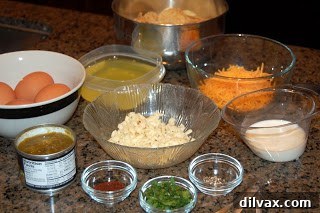
The first step, as with any recipe, was to meticulously gather all the necessary components. This casserole called for a delightful mix of dairy, spices, and, of course, a generous amount of eggs. The core ingredients included those six precious egg whites, complemented by an additional four whole eggs to provide richness and structure. A blend of cheeses—typically Monterey Jack or cheddar, offering both meltiness and flavor—formed the cheesy backbone. Diced green chiles, a hallmark of Southwestern cuisine, promised a subtle kick and vibrant flavor. Chili powder and pepper provided the foundational seasoning, while fresh cilantro added a bright, herbaceous note that would cut through the richness. And for a unique textural element, crushed tortilla chips were destined to form a crunchy base and an additional layer within the casserole.
The Initial Mixture and Flavor Infusion
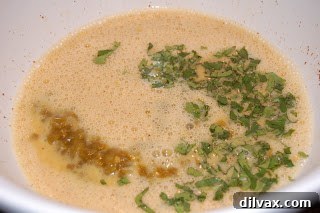
With all ingredients at hand, the assembly began. In a large mixing bowl, the eggs and egg whites were whisked together until light and frothy, creating the custardy base for the casserole. To this vibrant yellow canvas, the finely diced green chiles were added, dispersing their verdant color and mild heat throughout. Fresh cilantro, roughly chopped, followed, infusing the mixture with its distinctive aroma. Then came the warming embrace of chili powder and a dash of freshly ground pepper, promising a depth of flavor that would define the dish. This combination, carefully stirred, ensured that every bite would be seasoned perfectly.
Building the Layers: A Foundation of Crunch
What truly sets this casserole apart from a simple frittata or quiche is the ingenious inclusion of tortilla chips. These aren’t just for dipping; crushed and spread across the bottom of the baking dish, they provide a crucial textural contrast, a satisfying crunch against the soft egg and cheese mixture. Once the chip base was laid, the final flourish was to fold the shredded cheeses—a blend of Monterey Jack and sharp cheddar would work beautifully—into the eggy, spicy mixture. This not only added another layer of flavor but ensured that every forkful would be rich with melted cheese. The mixture, now complete, was ready for its transformation.
From Bowl to Pan: The Baking Begins
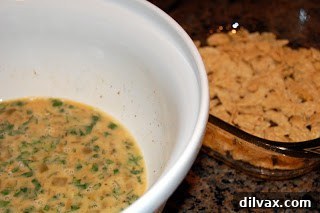
Carefully, the vibrant, cheesy mixture was poured over the bed of crushed tortilla chips in the prepared baking dish. The surface was then gently smoothed, ensuring even distribution and promising a uniform bake. This moment marks the transition from preparation to anticipation, as the raw ingredients are poised to meld into a cohesive, flavorful dish under the gentle heat of the oven.
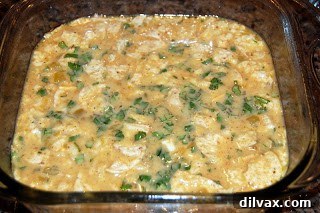
To further enhance the experience, an additional layer of tortilla chips was strategically placed on top, not just for aesthetics, but to add another dimension of texture and flavor, promising a delightful crispness on the final product. This thoughtful layering ensures that the casserole isn’t just a homogeneous mixture but offers varied textures throughout.
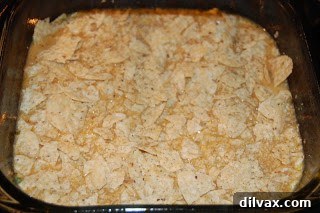
The Baking Process and Final Touches
The casserole then went into the preheated oven, filling the kitchen with increasingly enticing aromas. Midway through the baking time, just before it was fully set, a final scattering of cheese was added to the top. This additional layer would melt and bubble into a golden, irresistible crust, ensuring a rich, cheesy finish. The anticipation in the kitchen grew with every passing minute, fueled by the delightful scents emanating from the oven.
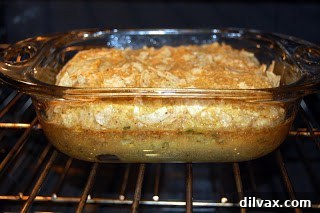
Finally, golden brown and bubbling, the Chile Cheese Casserole emerged from the oven, a testament to the transformative power of heat and carefully combined ingredients. The top was perfectly caramelized, the cheese melted and slightly crisp at the edges, and the entire dish puffed up beautifully, signaling its readiness. It rested for a few minutes, allowing the flavors to settle and the structure to firm up, making it easier to serve.
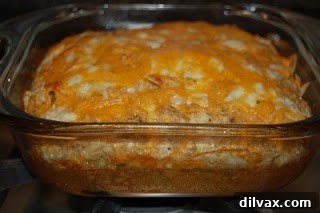
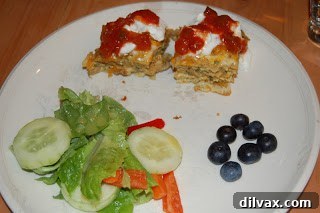
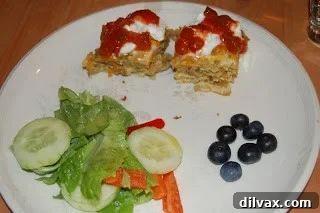
Ready for dinner, this casserole, with its promise of warmth and flavor, was plated. The vibrant colors of the chiles and cilantro peeked through the cheesy, eggy interior, and the aroma filled the dining area, inviting everyone to dig in. The final presentation promised a hearty meal, a comforting dish perfect for a family evening.
The Verdict: A Mixed Bag of Flavors and Expectations
The recipe suggested serving the Chile Cheese Casserole with sour cream and green salsa verde, classic accompaniments that would undoubtedly complement the Tex-Mex profile. However, in the spirit of improvisation and using what was readily available, I opted for a dollop of plain Greek yogurt and a generous spoonful of regular jarred salsa. To my surprise, and perhaps a testament to the versatility of these flavors, nobody at the table seemed to notice or mind the substitution. The creamy tang of the yogurt and the piquant kick of the salsa provided the necessary counterpoints to the casserole’s richness.
Despite the promising aroma during baking and the appealing presentation, the true test lay in the taste. My daughter, who had earlier expressed such excitement, took two tentative bites before politely excusing herself from finishing the rest. My husband and son, ever the dutiful taste-testers, managed to finish their portions, or at least come close, but notably, there were no requests for seconds – a rarity in our household, where enthusiastic consumption and return trips to the serving dish are almost a nightly occurrence. As for my personal opinion, I found myself in strong agreement with my daughter. I truly didn’t care for it. My initial apprehension about it being too “eggy” was unfortunately validated; despite the delicious flavors of the chiles and cheese, the dominant texture and taste were overwhelmingly eggy. While the recipe called for six egg whites and an additional four whole eggs, the sheer volume of egg flavor overshadowed everything else. I also found it wasn’t quite as spicy as I had anticipated, though the cooling effect of the yogurt and the zest of the salsa certainly helped to balance the overall profile, making it more palatable.
Alternatives and Reflections on Leftover Egg Whites
This culinary experiment, while not a resounding success, offered valuable insights. If you find yourself with a surplus of egg whites from making a glorious Crème Brûlée, or any other recipe for that matter, my honest recommendation would be to steer clear of this particular casserole if you’re sensitive to an overwhelmingly eggy texture. Instead, consider classic and universally loved alternatives. Fluffy egg white omelets, perhaps filled with fresh vegetables and a sprinkle of herbs, make for an excellent breakfast or a light, healthy lunch. Or, for those with a sweet tooth, whipping up a batch of delicate meringue cookies is a fantastic way to utilize those whites. The crisp, ethereal texture and sweet flavor of meringues are a delightful contrast to the richness of a Crème Brûlée, making them a perfect follow-up dessert. Angel food cake is another fantastic option, transforming egg whites into a light, airy cake perfect for any occasion. Even a savory soufflé, with its impressive puff and delicate texture, would offer a more refined and less dense way to enjoy egg whites.
And now for the truly memorable part of the evening, a humorous postscript that perhaps sums up the entire experience. Right after dinner, my husband and I headed out for a movie, leaving the lingering aroma of our experimental meal behind. Upon our return home, as soon as we stepped through the front door, we were greeted by an absolutely potent, almost overwhelming smell. It wasn’t the pleasant scent of dinner leftovers; it was a distinctive, rather unpleasant odor, akin to… well, dirty diapers. Yes, the lingering essence of the Chile Cheese Casserole had transformed into something truly foul. It was quite horrifying! This anecdote, while amusing in hindsight, serves as a crucial warning: be prepared to air out your kitchen, or perhaps light a very strong candle, if you decide to try this recipe. Or, better yet, save it for a night when you’re hosting company you’re not particularly eager to impress. It certainly adds a unique dimension to the dining experience!
My final rating for the Chile Cheese Casserole: 1 rolling pin. While every recipe has its merits, this one simply didn’t hit the mark for our family’s palate, proving that not every culinary adventure ends in a five-star review. Yet, the journey of discovering new dishes and learning what works (and what doesn’t) is an essential part of the joy of cooking. Happy baking, and may your kitchen experiments always yield delicious results and pleasant aromas!