Mastering the Art of Seasoned Pork Chops: A Culinary Journey with an Unexpected Twist
There’s a unique joy that comes with preparing a home-cooked meal, especially when it involves the comforting aroma of sizzling meat and savory spices filling your kitchen. Pork chops, in particular, often stand as a versatile and beloved centerpiece for many family dinners. They promise a canvas for various flavor profiles, from sweet and tangy to robust and earthy. Tonight, our culinary adventure led us to a recipe for “Seasoned Pork Chops,” a dish that promised simplicity, speed, and a delightful blend of herbs. Little did we know, this particular journey would take an unexpected turn, proving that even the most straightforward recipes can sometimes surprise you in ways you least expect.
The quest for a quick, easy, and delicious weeknight meal is a continuous one in many households. We often scour cookbooks, blogs, and family recipes, always hoping to discover that next go-to dish that will be met with smiles and requests for seconds. With a package of succulent pork chops on hand, and a desire to experiment with a new seasoning blend, the “Seasoned Pork Chops” recipe seemed like the perfect candidate. It suggested minimal fuss, classic flavors, and the promise of tender, juicy meat baked to perfection. The initial steps were encouraging, setting the stage for what we hoped would be a memorable dinner.
The Promise of Flavor: Our Seasoned Pork Chops Recipe
This recipe was designed for ease and convenience, aiming to deliver a flavorful meal without demanding hours in the kitchen. It combines a simple spice rub with the moist-cooking method of baking in foil, ensuring the pork chops remain tender. While the outcome of our particular experience was unconventional, the method itself is sound and widely used for achieving succulent results. Here’s a detailed look at the recipe:
Ingredients for Perfectly Seasoned Pork Chops (Serves 4)
- 1 lb. bone-in pork chops: For this recipe, we used a package containing three individual chops. Bone-in chops often retain more moisture and flavor during cooking compared to their boneless counterparts, contributing to a richer taste and preventing dryness. Look for chops that are roughly 3/4 to 1 inch thick for even cooking.
- 1 tablespoon coconut oil: Coconut oil is excellent for searing at higher temperatures due to its high smoke point and can impart a subtle, pleasant aroma. Olive oil or avocado oil are also suitable alternatives if preferred.
- 1/2 teaspoon sea salt: Essential for enhancing the natural flavors of the pork. Adjust to your personal taste, but remember salt is crucial for a well-seasoned dish.
- 1/4 teaspoon freshly ground pepper: Adds a gentle warmth and aromatic kick. Freshly ground pepper offers a more potent flavor than pre-ground.
- 1/4 teaspoon paprika: Provides a mild, sweet peppery flavor and a beautiful reddish hue to the pork. Smoked paprika can be used for an extra layer of smoky depth.
- 1/4 teaspoon sage: A classic herb often paired with pork, offering an earthy, slightly peppery flavor that complements the richness of the meat.
- 1/4 teaspoon thyme: Another beloved herb for pork, thyme brings a subtle minty, lemony, and earthy note that brightens the overall profile.
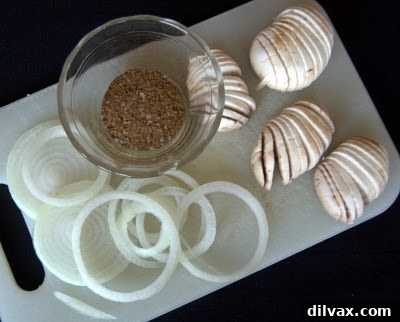
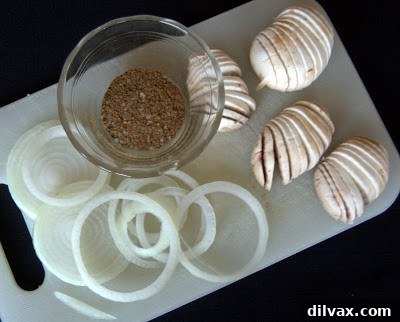
- 8 button mushrooms, sliced: Mushrooms add an umami depth and moisture to the dish as they cook alongside the pork, absorbing and releasing flavors. Any preferred mushroom variety would work here.
- 1 onion, sliced thin: Onions caramelize and soften during baking, releasing sweet and savory notes that infuse into the pork and create a delicious aromatic base.
Step-by-Step Instructions: Crafting Your Pork Chop Dinner
- Preheat Your Oven: Begin by preheating your oven to 425 degrees F (220 degrees C). A hot oven ensures that the baking process is efficient and helps to lock in moisture quickly after searing.
- Prepare Your Baking Sheet: Line a rimmed baking sheet generously with tin foil. It’s best to line it both lengthwise and crosswise, creating enough overlap so that you can easily join the ends and fold them over to fully encase the pork chops later. This foil packet method is key to creating a steamy environment that keeps the chops incredibly tender and juicy.
- Craft Your Spice Blend: In a small bowl, combine the sea salt, freshly ground pepper, paprika, sage, and thyme. Mix them thoroughly to ensure an even distribution of flavors. This simple yet potent blend is designed to penetrate the meat and provide a well-rounded savory profile.
- Season the Pork Chops: Generously rub the prepared spice mixture into both sides of each pork chop. Don’t be shy; ensure the spices adhere well to create a flavorful crust during searing.
- Sear for Flavor: Heat the coconut oil in a large skillet over medium-high heat. Once the oil is hot and shimmering, carefully place the seasoned pork chops into the skillet. Sear both sides of the chops until they are nicely browned, about 2-3 minutes per side. This crucial step, known as the Maillard reaction, develops a rich, savory crust and locks in juices, adding depth of flavor that baking alone cannot achieve.
- Transfer to Baking Sheet: Once seared, transfer the browned pork chops directly to the prepared tin foil-lined baking sheet. Arrange them evenly, ensuring there’s enough space between each chop.
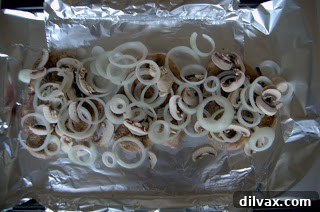
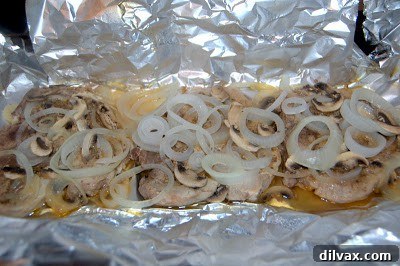
- Layer with Aromatics: Generously layer the thinly sliced onions and mushrooms on top of each pork chop. These vegetables will release their juices during baking, creating a flavorful broth that further tenderizes the meat and infuses it with their sweet and earthy notes.
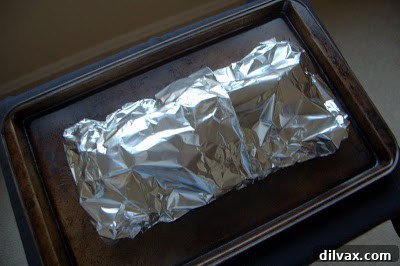
- Create the Foil Packet: Carefully bring up all sides of the tin foil, folding them securely over the pork chops and vegetables. Crimp and seal the edges tightly to create a completely enclosed packet. This technique traps steam and moisture, effectively braising the pork chops in their own juices and those released by the vegetables, resulting in incredibly tender and succulent meat.
- Bake to Perfection: Place the baking sheet with the foil packet into the preheated oven. Bake for 30 minutes. For bone-in pork chops, an internal temperature of 145°F (63°C) is generally considered safe and yields a tender result.

The Unexpected Turn: A Culinary Critique
The anticipation as the timer ticked down was palpable. The kitchen was filled with the promise of a warm, comforting dinner. The recipe, after all, seemed foolproof – quick, easy, and utilizing classic ingredients. However, as I carefully unwrapped the foil packet to transfer the pork chops to the plates, an overwhelming and distinctly unpleasant aroma wafted up, instantly changing the atmosphere. It wasn’t merely unappetizing; it was a potent, almost noxious smell that genuinely made me feel nauseous. Seriously, it was that strong.
My mind raced, trying to pinpoint the source of this culinary mystery. Was it the combination of the earthy mushrooms with the sweet onions? Was it a strange interaction with the sage and thyme, perhaps too concentrated within the foil packet? Or could it have been something specific to the pork chops themselves, despite looking perfectly fine before cooking? I had absolutely no idea, and the mystery only deepened my aversion. And no, for the record, I was *not* pregnant, despite the dramatic reaction! How could you even *think* such a thing?!
Unfortunately, from that moment on, any desire I had to eat dinner vanished completely. What started as an exciting cooking experiment ended with a regrettable reversion to a “cereal night” for me. It was truly baffling because they smelled perfectly acceptable, even delicious, after browning them in the skillet. But somewhere during the baking process, sealed tightly within their foil cocoon, something went awry. The transformation from appealing to appalling was swift and decisive.
The Family Verdict
My family, ever polite and appreciative of a home-cooked meal, approached their plates with cautious optimism. They each took a few bites, trying to be encouraging, but their expressions told a clear story. Most of the pork chops remained on their plates, largely untouched. Their feedback, delivered with gentle smiles, was a unanimous and polite request: “Please, Mom, could you *not* make these again?” It wasn’t a harsh condemnation, but rather a quiet, firm rejection of this particular flavor combination. It was clear that this wasn’t just a personal aversion; it was a collective thumbs-down from the entire household.
Oh well, you can’t win them all, can you? Cooking, like life, is full of experiments, and sometimes those experiments don’t quite pan out as hoped. Tomorrow is indeed another day, and with it comes the opportunity for new culinary triumphs. One thing is for sure: no more seasoned pork chops quite like *these* for the 365 family! This particular recipe will be archived in the “lessons learned” section of our family cookbook.
Beyond the Recipe: Embracing Culinary Adventures (and Misadventures)
Every home chef, regardless of experience, encounters dishes that simply don’t work out. It’s a fundamental part of the cooking journey. This particular experience with the seasoned pork chops serves as a humorous reminder that culinary exploration isn’t always about perfection; sometimes, it’s about the unexpected turns and the stories they create. It highlights the subjective nature of taste and how various ingredients interact in unforeseen ways under specific cooking conditions, such as the enclosed environment of a foil packet.
This culinary misadventure reinforced the importance of balancing traditional methods with a keen awareness of how certain flavor combinations might develop. While the foil packet method is excellent for tenderness, it can also intensify aromas, sometimes with unintended consequences. It might have been the unique blend of sage and thyme, perhaps a specific type of mushroom, or even just a personal sensitivity to a particular scent profile that caused the strong reaction. Regardless of the exact cause, it was a memorable learning experience.
Troubleshooting Pork Chop Recipes: Tips for Future Success
For those looking to cook pork chops successfully, here are some general tips to ensure delicious results:
- Don’t Overcook: Pork is lean and can dry out quickly. Aim for an internal temperature of 145°F (63°C) for medium-rare, followed by a few minutes of resting.
- Brine or Marinate: If you’re concerned about dryness, a quick brine or marinade can add moisture and flavor.
- Vary Seasonings: Experiment with different spice blends. Common successful pairings include apple, mustard, rosemary, garlic, and brown sugar.
- Consider Cooking Methods: While baking in foil can be great for moisture, grilling, pan-frying, or slow-cooking offer different textures and flavor profiles. Sometimes, leaving the chops uncovered allows for better browning and evaporation of certain aromatic compounds.
- Taste as You Go (when possible): Adjust seasonings in smaller components of a dish before combining everything.
Exploring Alternative Pork Chop Flavors
If you’re still keen on pork chops, consider these popular and generally well-loved flavor profiles:
- Apple and Onion: A classic sweet and savory combination that pairs wonderfully with pork.
- Garlic and Herb: Simple yet robust, often featuring rosemary, thyme (in moderation), and plenty of garlic.
- Mustard-Crusted: Dijon mustard mixed with breadcrumbs or herbs creates a fantastic crust.
- Sweet and Spicy Glazes: Incorporating brown sugar, soy sauce, ginger, and a touch of chili.
Final Thoughts on a Memorable Meal (for all the wrong reasons)
Despite the humorous failure of this specific “Seasoned Pork Chops” recipe, the spirit of home cooking endures. It’s a constant evolution, a series of trials and errors, triumphs and occasional comical defeats. Every dish, whether a resounding success or an unforgettable flop, adds to our repertoire and our understanding of flavor, technique, and personal preferences. This experience certainly taught us that sometimes, even with the best intentions and seemingly perfect ingredients, a dish can go off-script. And that’s perfectly okay.
So, here’s to future baking adventures, culinary explorations, and the courage to try new things, even if it sometimes means a return to a comforting bowl of cereal. Remember, every chef has their off days, and every palate has its unique sensitivities. Keep cooking, keep experimenting, and most importantly, keep enjoying the process, even the delightfully disastrous bits!
BIG baking hugs and muffins!