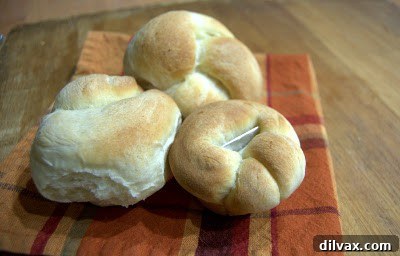
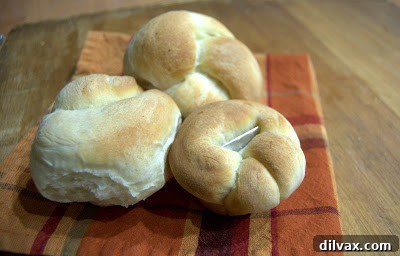
Homemade Thanksgiving Rolls: A Delicious Tradition Infused with Gratitude
Thanksgiving dinner holds a special place in our hearts, and for many, it simply isn’t complete without the warmth and comfort of a freshly baked roll. There’s an undeniable magic in tearing open a soft, pillowy roll, watching the butter melt into its steamy interior, and then, of course, using it to sop up every last drop of rich, savory gravy. It’s a sensory experience that defines the holiday, transporting us back to cherished memories and the very essence of thankfulness.
These aren’t just any dinner rolls; they are special “Gratitude Rolls” designed to elevate your Thanksgiving meal beyond just delicious food. I recently stumbled upon an inspiring idea on a food blog – a concept so brilliant it resonated deeply with the spirit of the season. While I regrettably didn’t bookmark the original post and couldn’t find it again, the spark of that idea led to this unique recipe. To the original blogger, thank you for the wonderful inspiration! My take on it, of course, features its own distinct recipe and method, but the core concept of infusing gratitude into each bite remains a beautiful tribute.
The very heart of Thanksgiving lies in reflecting on the blessings and people we are grateful for. These rolls provide a delightful and interactive way to do just that, transforming a simple meal into a memorable tradition. Imagine each soft, golden roll holding a secret message: a small piece of paper, carefully wrapped in tin foil, with the beginning of a sentence. For instance, it might read, “I am grateful for my mother because…” or “One thing I appreciate about [person’s name] is…”
The Heart of the Meal: Fostering Gratitude with Every Bite
As each person at the table breaks open their roll, they uncover their unique prompt. This moment becomes an invitation to pause, reflect, and then share their gratitude aloud with everyone around them. It’s a fantastic conversation starter, gently encouraging us to verbalize the appreciation we often feel but might not express daily. I’m particularly excited to try this with the children this year. It offers a unique opportunity for them to articulate their admiration and affection for their siblings and other family members, moving beyond the usual holiday chatter. Witnessing their genuine reflections promises to be truly heartwarming and insightful.
This simple act of sharing gratitude transforms the dinner table into a space of heartfelt connection and deeper understanding. It allows us to acknowledge the specific contributions and qualities of our loved ones, strengthening bonds and creating new, precious memories. Plus, who can resist a warm, homemade roll while engaging in such a meaningful activity? It truly embodies the spirit of Thanksgiving – good food, good company, and abundant gratitude.
The recipe for these delightful rolls is thoughtfully adapted from a trusted classic: The Fannie Farmer Cookbook, specifically pp. 524-526. Authored by Marion Cunningham and published by Alfred A. Knopf, Inc., a division of Random House, Inc. (ISBN 0-394-56788-9), this foundational recipe provides a robust base for our gratitude-filled creation.
Thanksgiving Gratitude Rolls – Yields approximately 24 delightful rolls
Ingredients for the Rolls:
- 4 tablespoons unsalted butter, softened
- 2 tablespoons granulated sugar
- 2 teaspoons fine sea salt
- 2 cups whole milk
- 1 package (2 1/4 teaspoons) active dry yeast
- 1/4 cup warm water (around 105-115°F or 40-46°C)
- 6 cups all-purpose flour, approximately (you might use slightly more or less)
- 2 tablespoons melted butter, for brushing
Materials for the Gratitude Messages:
- 24 pieces of paper, cut into small rectangles (approximately 1 x 4 inches)
- 24 pieces of food-safe tin foil, cut into rectangles (approximately 2 x 4 1/2 inches)
- 1 fine-tip permanent marker or sharpie
Step-by-Step Instructions:
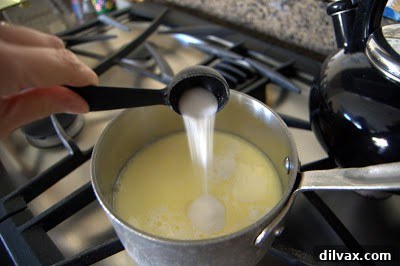
1. Prepare the Milk Mixture: In a small saucepan, combine the 4 tablespoons of butter, sugar, salt, and milk over low heat. Gently heat the mixture until the butter is fully melted and the liquid is warm to the touch, but critically, do NOT let it boil. Boiling can negatively impact the yeast. Once warm and the butter is melted, remove the saucepan from the heat and allow the mixture to cool down to a lukewarm temperature. This is crucial for yeast activation; if it’s too hot, it will kill the yeast, and if too cold, the yeast won’t activate properly.
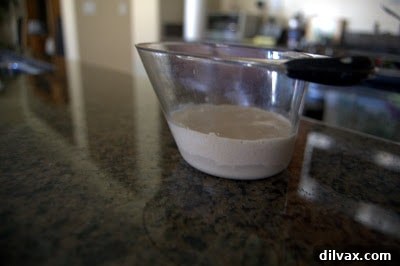
2. Activate the Yeast: While the milk mixture cools, pour the 1/4 cup of warm water into a measuring cup or small bowl. Sprinkle the dry yeast over the water. Give it a gentle stir and let it sit undisturbed for about 5 minutes. You’ll know the yeast is active and ready when it becomes foamy and bubbly, indicating that the yeast cells are alive and thriving. This step ensures your rolls will rise beautifully.
3. Combine Wet Ingredients and Initial Flour: Transfer the cooled butter/milk mixture into a large mixing bowl, preferably one fitted with a paddle attachment if you’re using a stand mixer. Add 3 cups of the all-purpose flour to this mixture, followed by the dissolved and activated yeast. Ensure the milk mixture is truly lukewarm before adding the yeast to prevent deactivation.
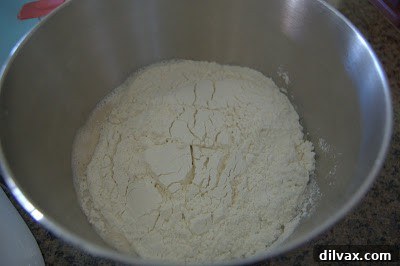
4. Initial Mixing: Begin beating the mixture on a low speed, gradually increasing it to medium-high. Continue to beat for a full 2 minutes. This initial mixing helps to develop the gluten in the flour, which is essential for the rolls’ structure and chewy texture. The dough will be quite wet and sticky at this stage.
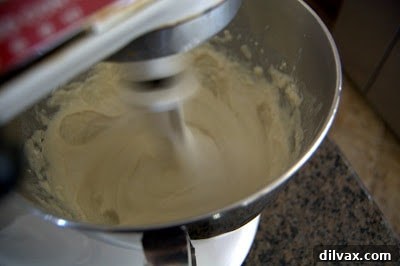
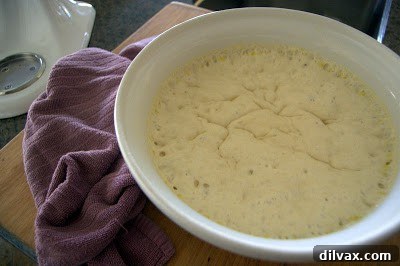
5. First Rise (Proofing): Carefully transfer the sticky dough mixture into a large, clean bowl. Cover the bowl loosely with a clean kitchen towel. Place the bowl in a warm, draft-free place to rise. This could be a slightly warm oven (turned off!), near a sunny window, or just in a warm spot in your kitchen. Allow the dough to rise until it has visibly doubled in size, which typically takes about 1 to 1 1/2 hours. This crucial step gives the rolls their light and airy texture.
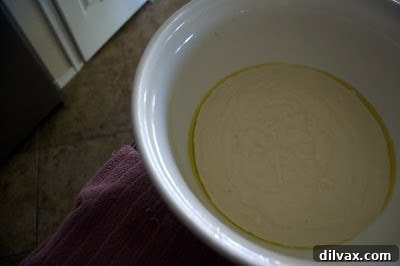
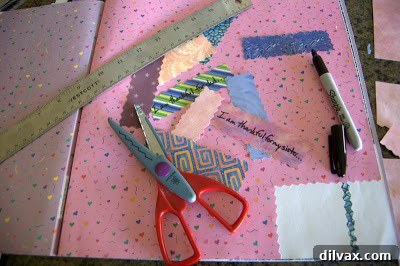
6. Prep During Rising Time: While your dough is undergoing its first rise, this is an excellent opportunity to prepare your gratitude messages and clean your mixing bowl, as you’ll need it again soon. Start by cutting your paper rectangles (1 x 4 inches) and tin foil rectangles (2 x 4 1/2 inches). I found that using colorful scrapbooking paper and craft scissors with decorative edges added a lovely touch to the little messages, making them even more special.
On each piece of paper, write the beginning of a gratitude sentence. Some ideas include: “I am thankful for my dad because…”, “I appreciate [person’s name] for…”, “A moment I cherish is when…”, or “I am grateful for the gift of…” Be creative and think of prompts that encourage genuine reflection. Once written, carefully wrap each paper message in a piece of tin foil. Seal it as tightly as possible by folding the edges, aiming for a compact packet about 1/2-inch in size. Set these foil-wrapped messages aside until the dough is ready. The foil is essential to protect the paper from burning during baking and ensures it remains food-safe.
7. Prepare Muffin Tins: Grease two 12-cup muffin tins generously with butter. This will prevent the rolls from sticking and ensure they release easily after baking.
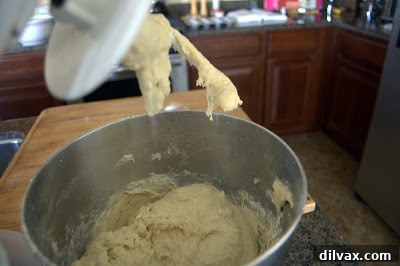
8. Incorporate Remaining Flour and Knead: Once the dough has doubled in size, gently deflate it and transfer it back into your cleaned mixing bowl, this time fitted with a dough hook attachment. With the mixer on low speed, gradually add the remaining all-purpose flour, increasing the speed to medium-high as the flour is incorporated. Add just enough flour so that the dough comes together and can be kneaded by hand without being overly sticky. You’ll likely have about 1/4 cup of flour remaining, but this can vary based on humidity and specific flour type. The dough should be soft but not tacky.
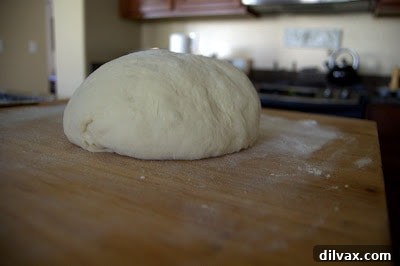
9. Hand Kneading and Resting: Turn the dough out onto a lightly floured surface. Knead the dough by hand for approximately 2 minutes, using a push-fold-turn motion. This further develops the gluten and creates a smooth, elastic dough. After this initial kneading, allow the dough to rest on the floured surface for 10 minutes. This resting period helps the gluten relax, making the dough easier to work with.
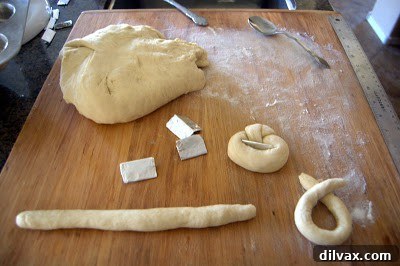
10. Form the Rolls: Resume kneading the dough until it is completely smooth and elastic, about 3-5 more minutes. Once smooth, pinch off pieces of dough, each roughly the size of a golf ball. Roll each piece into a thin strip, about 8-10 inches long. Tie these strips loosely into simple knots. Once the knot is formed, pinch the ends together securely to create a neat roll. Turn the knot over so that the seam is on the bottom, then carefully press one of your foil-wrapped gratitude messages into the center of each knot. Ensure the foil packet is nestled securely within the dough.
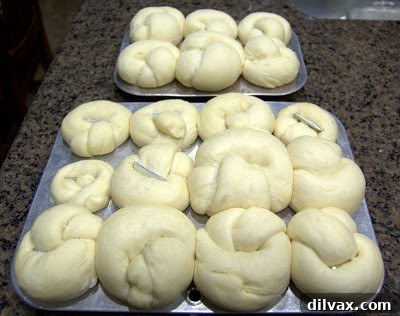
11. Second Rise: Place each dough knot, message side down or up (as long as it’s secure), into a greased muffin cup. Brush the top of each roll generously with the 2 tablespoons of melted butter. This helps create a beautiful golden crust and adds flavor. Cover the muffin tins loosely with a clean towel and let them rise again in a warm place until they have doubled in size, which should take approximately 1 hour. This second rise ensures the rolls are incredibly light and fluffy.
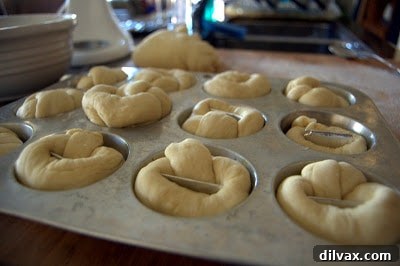
12. Bake the Rolls: Towards the end of the second rising time, preheat your oven to 425°F (220°C). Once preheated, place the muffin tins in the oven and bake for 12-15 minutes, or until the rolls are beautifully golden brown on top and cooked through. Keep an eye on them, as oven temperatures can vary.
The Aroma of Gratitude: Post-Baking Delights
Oh, the incredible aroma that fills your home as these rolls bake! It’s an irresistible, comforting scent that truly signals the holiday season is upon us. The anticipation alone is enough to make your mouth water. Once out of the oven, the rolls are perfectly golden, soft, and ready to be enjoyed.
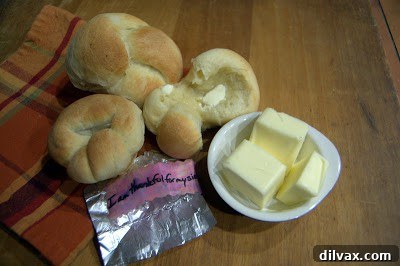
Initially, I made a batch of 18 rolls instead of the full 24. For our family dinner that evening, we enjoyed some of them as regular, incredibly delicious homemade rolls, without the gratitude messages. The rolls intended for Thanksgiving Day, complete with their special messages, I carefully placed into freezer bags to save for the main event. This makes holiday meal prep so much easier!
The original recipe suggested it could yield 2 1/2 to 3 dozen rolls. From my experience, making 24 good-sized rolls is a more realistic expectation. As you can see from some of my photos, a few of my muffins turned out to be gloriously ginormous, which only added to their charm!
Taste and Texture: A Baker’s Verdict
On my personal baking scale of 1-4 (with 4 being the absolute best), these Thanksgiving Gratitude Rolls proudly earned a solid 3 1/2 rolling pins. They were utterly delicious and incredibly soft, yet with a satisfying chew rather than a flaky texture. Breaking them open was an experience in itself: the exterior was perfectly warm and golden, and as we tore into them, a heavenly cloud of steam wafted into the air, carrying that irresistible freshly baked bread scent. And then, of course, the butter just melted effortlessly into every crevice, creating pure culinary bliss.
For an extra touch of indulgence, I highly recommend serving these rolls with the Cinnamon Honey Butter I whipped up for those Pumpkin Biscuits a few weeks ago. The sweet, spiced butter complements the rolls perfectly, elevating them even further.
These Thanksgiving Gratitude Rolls are more than just a side dish; they are an experience. They will undoubtedly make your belly happy with their incredible taste and texture, but more importantly, they will warm your heart and inspire meaningful reflection. They offer a beautiful way to actively express the appreciation you hold for your family, friends, and the precious gift of life itself, turning a meal into a cherished memory. Embrace this opportunity to share love and gratitude around your holiday table this year!
Sending you all BIG baking hugs and wishing you a Thanksgiving filled with warmth and delicious moments!