Embrace the Delight of Mexican Wedding Cookies: A Classic Recipe for Every Occasion
There’s a unique magic that happens in the kitchen, a transformation of simple ingredients into something truly special. Sometimes, however, the path to that magic can be a bit winding. Picture this: a cozy afternoon, the television humming with a football game I barely register, and the playful antics of my son and our Golden Retriever creating a charming, albeit distracting, symphony. A gentle nudge, a bit of laughter, and suddenly, a playful jostle results in an unexpected encounter between my eyebrow and a teenage knee. Ouch! A humorous, if slightly painful, reminder that even seasoned bakers sometimes need a moment to refocus.
But refocus we must, especially when the subject is as delightful as the beloved Mexican Wedding Cookies. These charming, melt-in-your-mouth confections are a testament to the simple pleasures of baking, offering a delicate sweetness and a rich, nutty flavor that transcends cultures and occasions. Known by a delightful array of names—from Polvorones in Mexico to Russian Teacakes or Viennese Crescents in other parts of the world—these cookies are a universal symbol of warmth and celebration. Whether you call them Snowball Cookies, Pecan Sandies, or simply “those delicious little sugary balls,” their appeal is undeniable.
The Allure of a Classic: Mexican Wedding Cookies Unveiled
What makes a cookie so universally cherished that it earns a multitude of names and finds a place on dessert tables across continents? The Mexican Wedding Cookie, or Polvorón, is more than just a sweet treat; it’s a culinary chameleon, adapting its name and sometimes its nut of choice, but always retaining its core identity of buttery, crumbly perfection. In Mexico, where they are most commonly known as Polvorones, these cookies are a staple, often enjoyed during holidays and family gatherings, but not exclusively linked to weddings, as the American name suggests. This fascinating cultural nuance was something even renowned chef Pati Jinich discovered, noting she hadn’t encountered the “Mexican Wedding Cookie” moniker until moving to the United States.
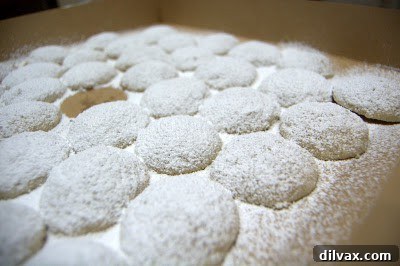
The beauty of these cookies lies in their simplicity. They are essentially a type of shortbread, enriched with ground nuts and generously coated in powdered sugar, creating a delightful “snowball” effect. Their texture is paramount: crumbly yet tender, dissolving on the tongue with a gentle sweetness that’s never overpowering. While pecans are a popular choice, the recipe is wonderfully versatile, allowing for the use of hazelnuts, walnuts, or almonds, each lending its own distinctive aroma and flavor profile to the final product. Today, we’ll embark on a journey to create these iconic pecan-infused delights, drawing inspiration from authentic sources to ensure a truly satisfying result.
Mastering the Art: A Step-by-Step Guide to Perfect Mexican Wedding Cookies
Creating these delightful cookies is a rewarding experience, and with a few key techniques, you’ll achieve that coveted melt-in-your-mouth texture. This recipe, thoughtfully adapted to bring out the best in these traditional treats, yields approximately 44 cookies, perfect for sharing or savoring over several days.
Ingredients:
- 1/2 cup pecans
- 3/4 cup confectioners’ sugar, plus additional for generous dusting
- 2 cups all-purpose flour
- 1/8 teaspoon salt
- 3/4 cup (1 1/2 sticks) unsalted butter, chilled and cut into small pieces
- 1/4 cup vegetable shortening, chilled
- 1 large egg
Equipment:
- Food processor (optional, for grinding pecans)
- Large mixing bowl
- Whisk
- Baking sheets
- Parchment paper or silicone baking mats
- Fine-mesh sieve for dusting
Instructions:
-
Preparation is Key:
Begin by preheating your oven to 350 degrees F (175 degrees C). This ensures a consistent baking temperature from the moment your cookies enter the oven. If you haven’t already, take your butter and shortening out of the refrigerator and cut them into small, manageable pieces. Chilled fats are crucial for a tender, crumbly cookie texture.
-
Grinding the Pecans:
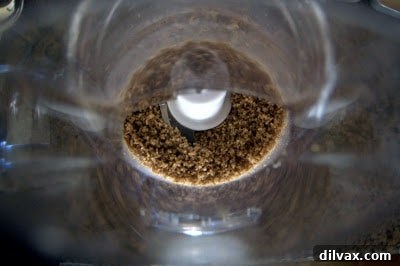
In a food processor, finely grind the pecans until they resemble a coarse meal. Be careful not to over-process them into a paste; you want a fine, crumbly texture. The goal is to release their aromatic oils without turning them into butter. If you don’t have a food processor, you can finely chop them by hand, though a processor makes this step much easier.

-
Sweetening the Nuts:
Add the 3/4 cup of confectioners’ sugar to the finely ground pecans in the food processor and pulse briefly to mix them completely. This step ensures the sugar is evenly distributed and helps to slightly “dry” the ground nuts, preventing the dough from becoming overly sticky later on.
-
Combining Dry Ingredients:
In a large mixing bowl, combine the all-purpose flour and salt. Whisk them together thoroughly to ensure the salt is evenly dispersed throughout the flour. This simple step is important for uniform flavor in every bite.
-
Incorporating the Fats:
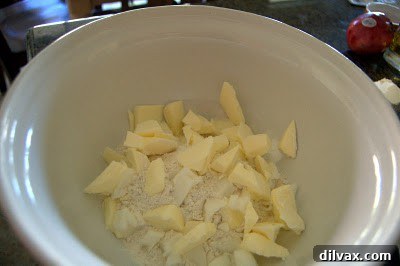
Add the chilled butter and shortening to the flour mixture in small pieces. This method, often called “cutting in” the fat, is fundamental for achieving the classic shortbread-like texture of these cookies. The small pieces of cold fat will create pockets in the dough, which turn into tenderness during baking.
-
Forming the Coarse Meal:
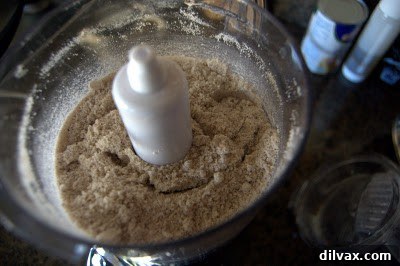
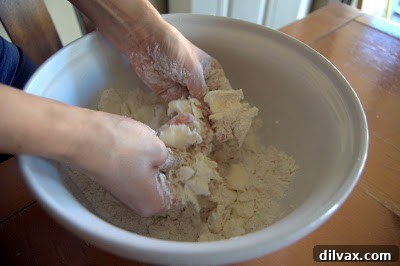
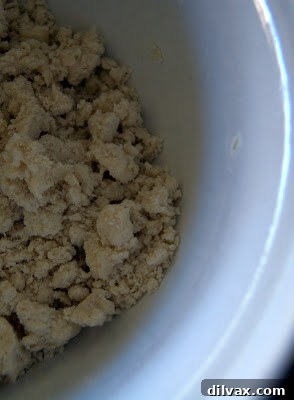
Using your hands, or a pastry blender, gently mix the butter, shortening, flour, and salt together until the mixture resembles a coarse meal. The goal here is to coat the flour particles with fat, preventing gluten development and ensuring a tender cookie. Be mindful not to overwork the dough at this stage; excessive handling can warm the butter and lead to a tougher cookie. Embrace the tactile nature of this step, but remember, light hands are your best friend!
-
Adding the Pecan-Sugar Mixture:
Incorporate the pecan and sugar mixture into the coarse meal. Continue to work it with your hands until it is evenly distributed and combined throughout the dough. Again, work efficiently to avoid warming the dough too much.
-
Binding with Egg:
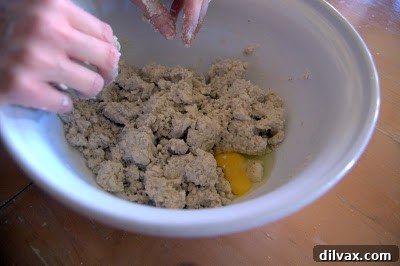
Finally, add the egg to the mixture. Working with your hands, blend the egg into the dough until it just comes together. This should happen relatively quickly, often in less than a minute. The egg acts as a binder, bringing the crumbly mixture into a cohesive dough ball.
-
Dough Consistency Check:
At this point, the dough should form into a soft ball. If it feels too sticky to handle or roll, don’t hesitate to refrigerate it for 15-30 minutes. Chilling will firm up the butter and make the dough much easier to work with, preventing spreading during baking.
-
Shaping the Cookies:
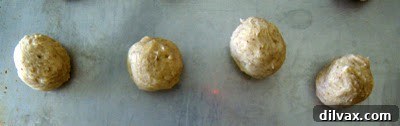
Roll the dough into small balls, approximately 1 to 1 1/2 inches in diameter. Uniform size ensures even baking. You can use a small cookie scoop for consistency if preferred. While traditional Mexican Wedding Cookies often have a slightly flattened or craggy appearance after baking, aiming for a consistent ball shape initially is a good starting point.
-
Arranging on Baking Sheets:
Place the shaped dough balls onto ungreased baking sheets, leaving about 1 inch of space between each cookie to allow for slight spreading. Using parchment paper or silicone mats is always recommended for easy release and even baking.
-
Baking to Perfection:
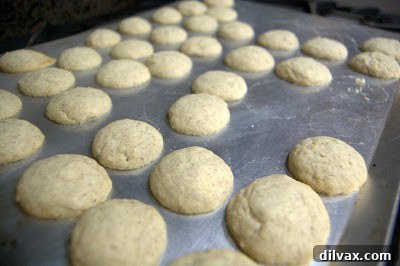
Bake for 15 minutes, or until the edges are just set and very lightly golden. The cookies should still appear pale in the center, as overbaking will result in a dry, less tender texture. Keep a close eye on them, as oven temperatures can vary.
-
The Signature Dusting:
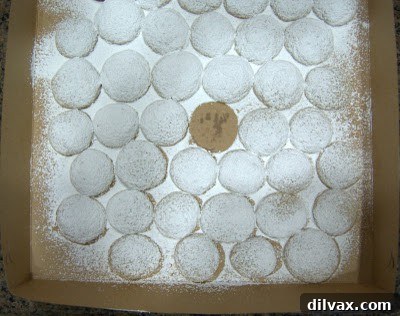
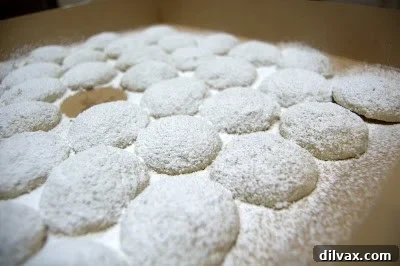
Once baked, let the cookies cool on the baking sheet for a few minutes before transferring them to a wire rack. While still warm (but not hot), generously sift additional confectioners’ sugar over the tops of the cookies. For that iconic “snowball” look and extra layer of sweetness, a second dusting once the cookies are completely cool is highly recommended. This double dusting technique ensures a thick, even coating that truly encapsulates their festive appeal.
Tips for Perfect Polvorones Every Time
Achieving bakery-quality Mexican Wedding Cookies is simpler than you might think, especially with these insider tips:
- Keep Your Fats Cold: Just like with pie crusts, cold butter and shortening are key to a tender, crumbly texture. They create steam pockets during baking, resulting in that delightful melt-in-your-mouth experience.
- Don’t Overmix: Overworking the dough develops gluten, leading to tough cookies. Mix only until the ingredients are just combined. A light hand is crucial.
- Chill if Needed: If your kitchen is warm or your dough becomes too sticky, a quick 15-30 minute chill in the refrigerator will make it much easier to handle and help prevent spreading during baking.
- Uniform Shaping: Use a small cookie scoop or roll the dough into consistently sized balls. This ensures even baking and a beautiful presentation.
- The Double Dusting Technique: For that perfect “snowball” effect, dust the cookies once while they are still warm (this helps the sugar adhere) and then again once they have completely cooled.
- Embrace the Shape: Don’t be alarmed if your “balls” flatten slightly during baking. Many traditional recipes for Mexican Wedding Cookies (Polvorones) result in a more rustic, slightly flattened or craggy cookie rather than a perfectly round sphere. The charm lies in their texture and taste, not just a perfect geometric shape.
- Quality Ingredients Matter: Using good quality butter and fresh nuts will significantly enhance the flavor of your cookies.
A Cookie of Many Names: Understanding the Global Appeal
The fascinating aspect of these cookies is their ubiquitous presence under different aliases. Beyond “Mexican Wedding Cookies” and “Polvorones,” you’ll encounter them as:
- Russian Teacakes: Often flavored with vanilla or almond extract, these are a popular holiday treat in many Eastern European communities.
- Viennese Crescents: Typically crescent-shaped and sometimes featuring almonds or hazelnuts, these hail from Austrian baking traditions.
- Snowball Cookies: A common descriptive name reflecting their appearance, especially popular during the winter holidays.
- Pecan Sandies: A more Americanized name emphasizing the nut and sandy texture.
Despite the different names and subtle regional variations in nut choices or flavorings, the core concept remains the same: a rich, buttery, shortbread-like cookie, packed with ground nuts, and generously coated in powdered sugar. This global appeal speaks to the simple, comforting deliciousness of this timeless confection.
The Verdict: A Taste of Sweet Perfection
After the flour settled and the last dusting of sugar cascaded from the sieve—a mesmerizing, almost meditative moment reminiscent of a gentle snowfall—it was time for the true test. On a scale of 1 to 4, with 4 being the pinnacle of baked perfection, these Mexican Wedding Cookies proudly earned a solid 3 rolling pins. They delivered precisely what one hopes for: a wonderfully nutty taste, a melt-in-your-mouth lightness, and a balanced sweetness that surprisingly wasn’t overwhelmed by the generous coating of confectioners’ sugar. Perhaps my momentary enchantment with the falling sugar resulted in a slightly more decadent dusting, but the cookies held their own beautifully, remaining perfectly balanced.
The texture was spot-on – tender, crumbly, and not too dense. And regarding the shape, a common point of discussion among bakers! While I initially aimed for perfect spheres, and observed a slight collapse in the oven, the result was a charming, rustic cookie much like those seen in Pati Jinich’s own illustrations. It’s a testament to the cookie’s inherent character that whether perfectly round or charmingly flattened, their deliciousness remains unquestionable. It proves that the joy of baking often lies in the journey and the delicious outcome, regardless of minor aesthetic deviations.
Bringing Joy to Your Table
These Mexican Wedding Cookies are more than just a recipe; they’re an invitation to create, share, and savor. They’re perfect for holiday cookie platters, delightful with a cup of coffee or tea, or simply as a special treat to brighten an ordinary afternoon. Their relatively long shelf life (when stored in an airtight container) makes them excellent for gifting or preparing ahead of time for gatherings.
As the whirlwind of a busy week gives way to the calm of routine, there’s immense satisfaction in returning to the simple rhythms of home and hearth. The lingering scent of baked goods, the warmth of shared moments, and the simple act of creating something delicious for loved ones are truly blessings. May these Mexican Wedding Cookies bring as much joy to your kitchen and your table as they have to mine. Happy baking!