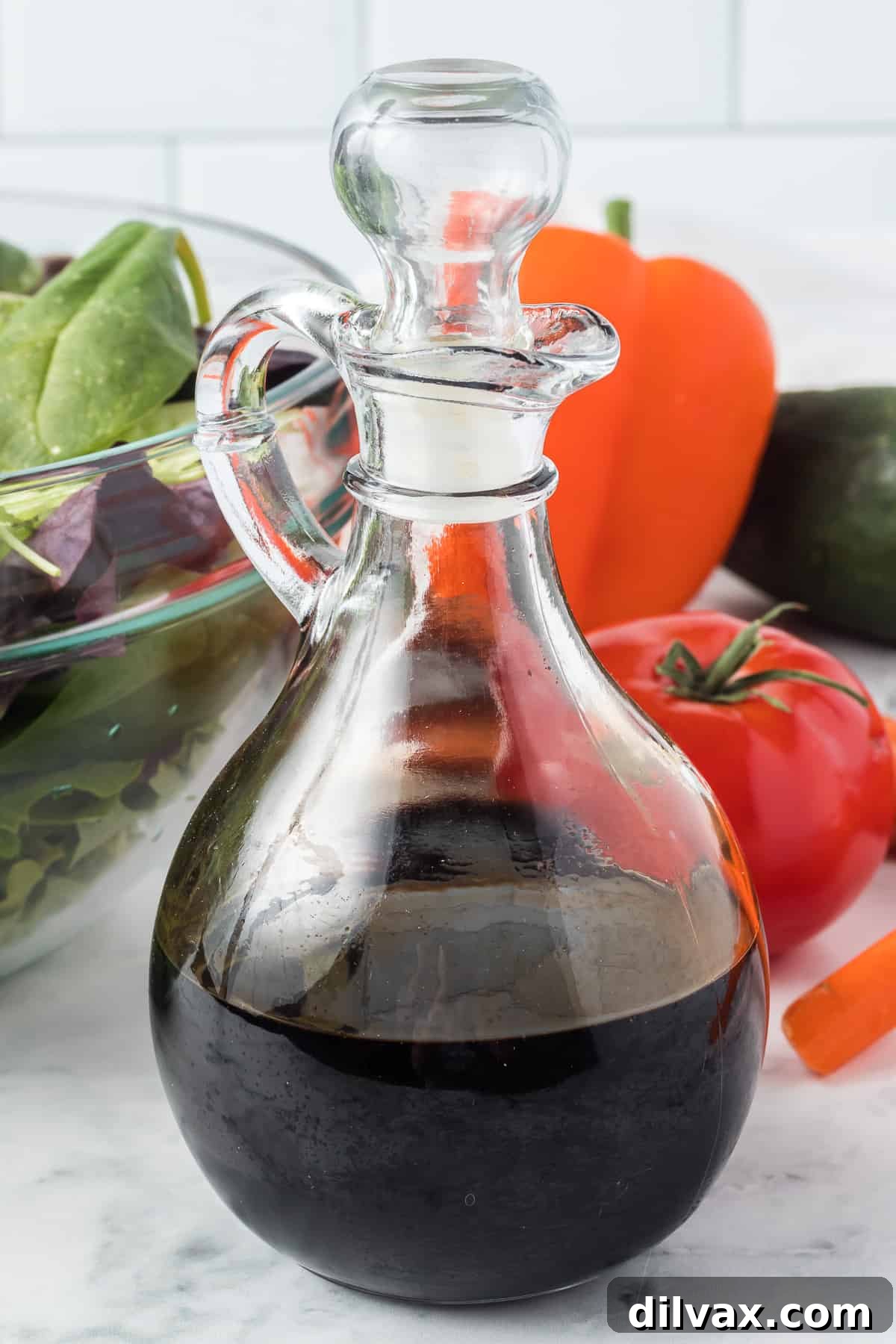
Transform your meals with the ultimate Balsamic Glaze! This simple, two-ingredient recipe creates a luscious balsamic vinegar reduction perfect for enhancing any dish, from savory to sweet.
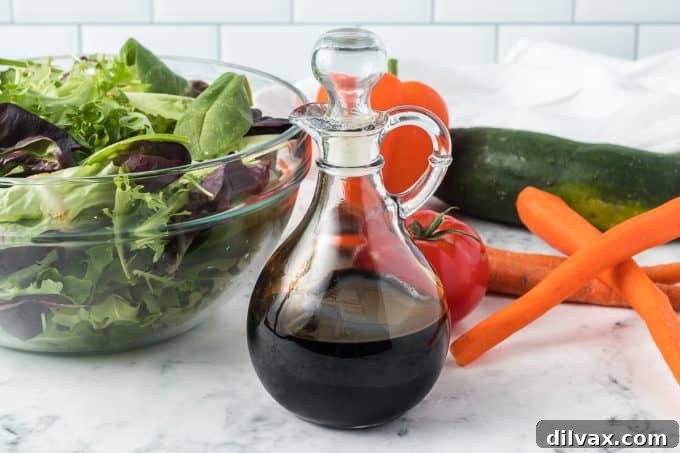
Mastering Homemade Balsamic Glaze: Your Essential Two-Ingredient Flavor Enhancer
Imagine adding a touch of gourmet elegance to any meal with minimal effort. That’s precisely what homemade balsamic glaze offers. This intensely flavorful condiment, also known as balsamic reduction, is a staple in professional kitchens and a secret weapon for home cooks looking to elevate their dishes. With just two simple ingredients, you can create a velvety, sweet-tangy sauce that will become your new favorite drizzle. Forget store-bought versions filled with unnecessary additives; crafting your own balsamic glaze ensures a purer, richer, and far more delicious result.
For anyone who loves food—the process of cooking it and the joy of eating it—but finds themselves short on time, this balsamic glaze recipe is a game-changer. Life often dictates a busy schedule, leaving little room for elaborate culinary endeavors every day. However, that doesn’t mean sacrificing flavor or quality. Over the years, I’ve gathered countless kitchen hacks that make everyday meals extraordinary without requiring hours over the stove. Homemade sauces and condiments, like this easy balsamic glaze, are at the top of that list. They not only give you complete control over the ingredients you consume but almost always surpass the taste of their supermarket counterparts.
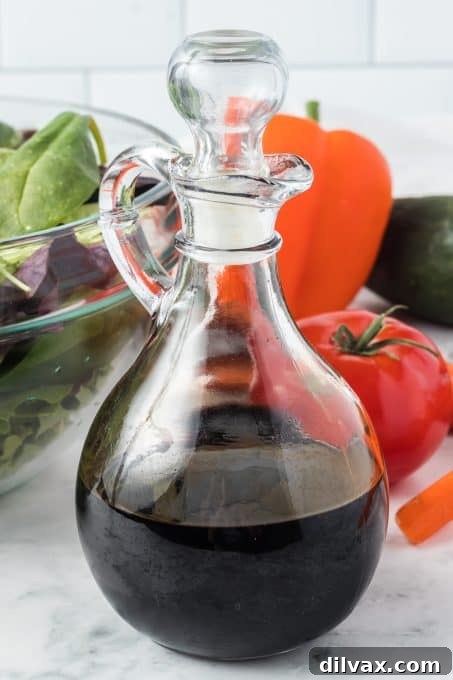
What Exactly is Balsamic Glaze? Understanding This Flavor Powerhouse
Often referred to as balsamic reduction, balsamic glaze is a thick, syrupy condiment made by slowly simmering balsamic vinegar until much of its water content evaporates. This concentration process intensifies the vinegar’s natural sugars and complex flavors, transforming it into a rich, sweet, and tangy syrup. The result is a profoundly aromatic and deeply flavored sauce that offers a balanced blend of acidity and sweetness, along with subtle notes of fruit and molasses, depending on the quality of the vinegar used.
Unlike regular balsamic vinegar, which is thinner and more acidic, the glaze provides a more mellow, concentrated flavor and a luxurious texture that clings beautifully to food. It’s designed for drizzling, adding a final flourish to a wide array of dishes. This versatile sauce introduces a sophisticated layer of taste, capable of complementing everything from fresh salads and delicate fruits to robust meats and hearty vegetables. Its unique ability to bridge both savory and sweet profiles makes it an indispensable addition to any home cook’s repertoire.
Why Choose Homemade Balsamic Glaze? The Unbeatable Homemade Advantage
While various balsamic glazes are available in stores, making your own offers several significant advantages that simply can’t be replicated by mass-produced alternatives. The most crucial benefit is having complete control over the ingredients. Many commercial glazes contain added sugars, thickeners, or preservatives, detracting from the natural purity and health benefits of balsamic vinegar. When you make it yourself, you know exactly what goes into it: just good quality balsamic vinegar and, optionally, a touch of natural sweetener like honey.
Beyond ingredient control, the flavor and freshness are unparalleled. A homemade balsamic reduction boasts a vibrant, complex taste that’s often lost in processed versions. The slow reduction process coaxes out deeper, nuanced flavors from the vinegar, resulting in a more aromatic and satisfying glaze. It’s also incredibly cost-effective. A single bottle of quality balsamic vinegar can yield several batches of glaze, making it a budget-friendly way to enjoy a gourmet condiment regularly. Plus, there’s an undeniable satisfaction that comes from creating something so delicious and versatile from scratch.
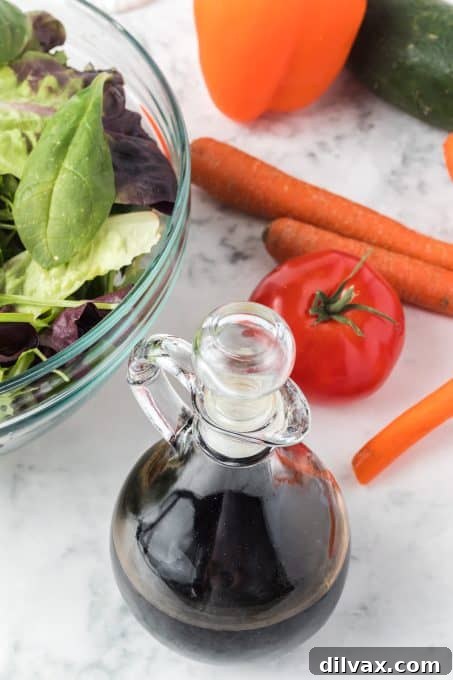
Essential Ingredients for the Perfect Balsamic Glaze
The beauty of this recipe lies in its simplicity, requiring only two key ingredients. However, the quality of these ingredients significantly impacts the final product. Investing a little more in good quality components will yield a glaze that’s truly exceptional.
The Star: High-Quality Balsamic Vinegar
The foundation of an outstanding balsamic glaze is, without a doubt, a good quality balsamic vinegar. This is not the time to reach for the cheapest bottle on the shelf, as diluted or lower-grade vinegars will simply not produce the rich, nuanced flavor and proper consistency you desire. A decent balsamic vinegar should possess a dark, lustrous color and offer a balanced flavor profile—a mellow acidity intertwined with sweet undertones of cherry, fig, or molasses.
When shopping, look for bottles labeled “Balsamic Vinegar of Modena” for a reliable choice. True balsamic vinegar from Modena or Reggio Emilia, Italy, is protected by a DOP (Protected Designation of Origin) or IGP (Protected Geographical Indication) certification. While you don’t need to break the bank on the most expensive aged variety, a mid-range option will provide excellent results. Crucially, examine the ingredient list: “cooked grape must” should be listed first, and the shorter the ingredient list, the better. Be wary of products that are thick due to added thickeners rather than natural concentration from aging or reduction, as these often lack depth of flavor.
The Sweetener: Honey (or Alternatives for a Tangier Glaze)
While technically optional, I highly recommend including honey in this balsamic glaze recipe. Its primary role is to temper the acidity of the vinegar, bringing a beautiful balance to the overall flavor profile. Honey introduces a natural sweetness that rounds out the glaze, making it more palatable and versatile for various culinary applications. You can adjust the amount of honey to suit your personal preference – use a little less for a tangier glaze, or a bit more for a sweeter one.
If you prefer to omit honey or are looking for alternatives, you can certainly do so. The glaze will simply be more intensely acidic, which some palates might enjoy. Other natural sweeteners like maple syrup or a small amount of brown sugar can also be used, though honey tends to complement the balsamic flavor most harmoniously. Experimenting with these additions allows you to customize the glaze to perfectly match your taste and the dishes you plan to use it with.
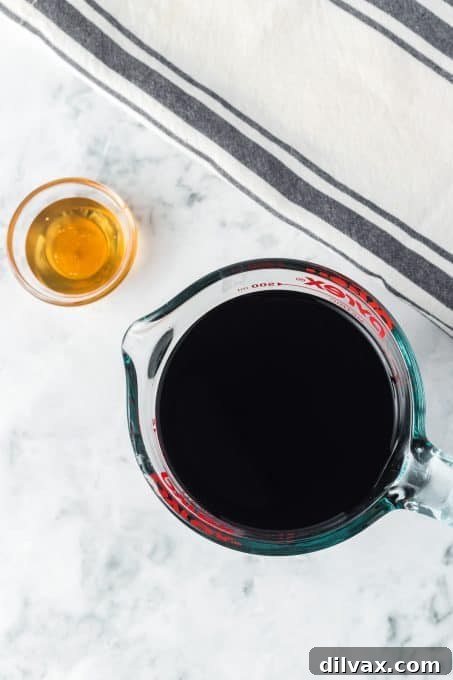
Step-by-Step Guide: How to Make Balsamic Glaze (Balsamic Reduction)
Making balsamic glaze is surprisingly simple, yet the results are incredibly impressive. The key is patience and a watchful eye.
Preparation & Setup
Gather your ingredients: good quality balsamic vinegar and honey (if using). You’ll need a small to medium-sized saucepan with a heavy bottom, which helps distribute heat evenly and prevents scorching. Choose a pan that allows the vinegar to spread out a bit, increasing the surface area for evaporation, but not so wide that it reduces too quickly and burns. Avoid using cast iron or reactive metals that might interact with the vinegar’s acidity.
The Reduction Process
- Combine the balsamic vinegar and honey (if using) in your chosen saucepan. Stir gently to ensure the honey is fully dissolved into the vinegar.
- Place the saucepan over medium heat. Continue stirring constantly until the mixture just comes to a boil. This initial boiling helps to kickstart the reduction process.
- Once boiling, immediately reduce the heat to low. The goal is a gentle simmer, not a vigorous boil, to allow for controlled evaporation and prevent burning.
- Allow the vinegar mixture to simmer, stirring occasionally. This prevents any sugar from sticking to the bottom and ensures an even reduction. A word of caution: the fumes from simmering balsamic vinegar can be quite intense. Do yourself a favor and avoid standing directly over the pot while stirring, or ensure good ventilation in your kitchen.
- The reduction process typically takes about 25 minutes, but this can vary depending on your stovetop, the pan size, and the initial volume of vinegar. Watch for visual cues: the glaze is ready when it has reduced to about half of its original volume and coats the back of a spoon with a syrupy consistency. It should be thick enough to leave a trail when you run your finger across the spoon.
- Be careful not to over-reduce the glaze. If it becomes too thick or candy-like, it can harden upon cooling and be difficult to use. It will continue to thicken as it cools, so err on the side of slightly thinner if you’re unsure.
Cooling & Storage
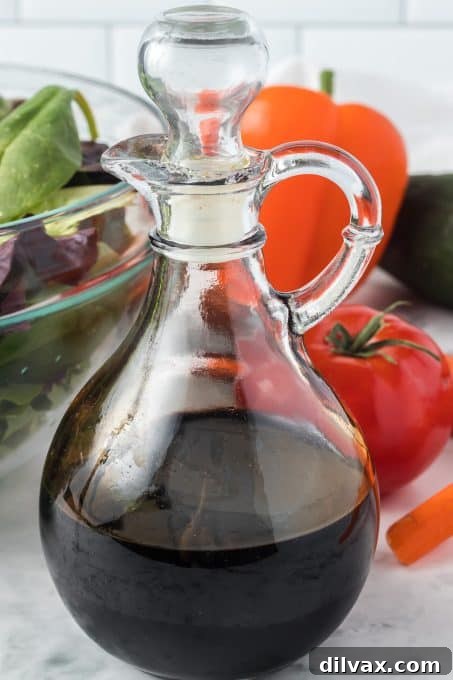
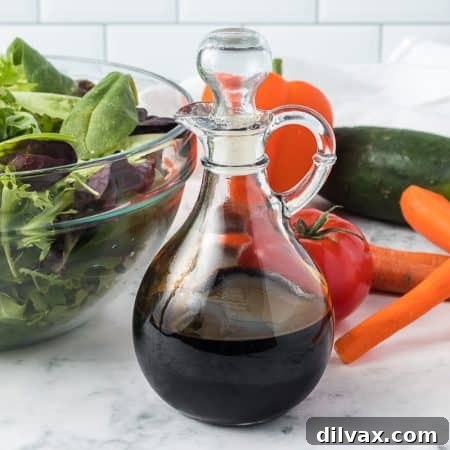
Once your balsamic glaze reaches the desired consistency, remove it from the heat immediately. It is crucial to let the homemade balsamic glaze cool completely before transferring it. As it cools, it will continue to thicken to its final syrupy state. Once thoroughly cooled, pour the glaze into an airtight container. A clean glass jar with a lid, such as a mason jar, is ideal. Store your freshly made balsamic glaze in the refrigerator to maintain its freshness and consistency.
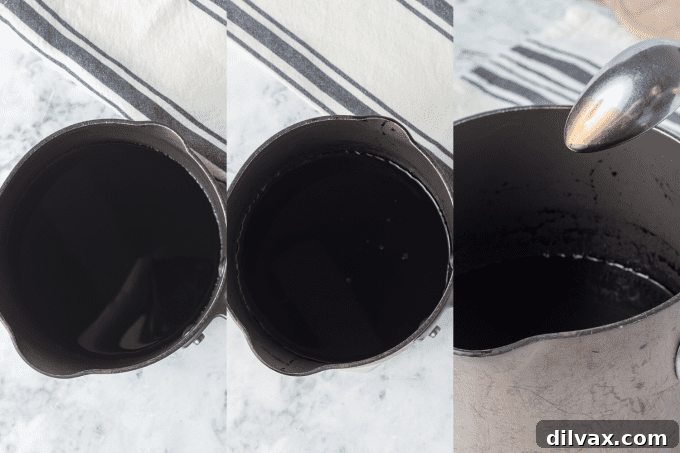
Mastering Storage: Keeping Your Balsamic Glaze Fresh
Proper storage is essential to ensure your homemade balsamic glaze remains fresh and delicious for as long as possible. Once prepared and cooled, transfer the glaze to an airtight container. Glass jars with tight-fitting lids are an excellent choice as they don’t absorb odors and are easy to sterilize. Stored correctly in the refrigerator, your balsamic glaze will maintain its quality and consistency for approximately two weeks. While the high acidity of vinegar acts as a natural preservative, the addition of honey can slightly reduce its indefinite shelf life at room temperature, making refrigeration the best practice.
When it comes to serving, you have flexibility. Balsamic glaze is delightful chilled, especially when drizzled over fresh salads, fruits, or other cold dishes. However, when incorporating it into warm foods like roasted chicken or cooked vegetables, I personally prefer to let it come to room temperature first. This allows the glaze to flow more smoothly and prevents it from firming up too much upon contact with a cold plate, though this is purely a matter of personal preference and does not affect its taste or safety. Simply remove it from the refrigerator about 15-20 minutes before use, or gently warm it in a microwave for a few seconds if you’re in a hurry.
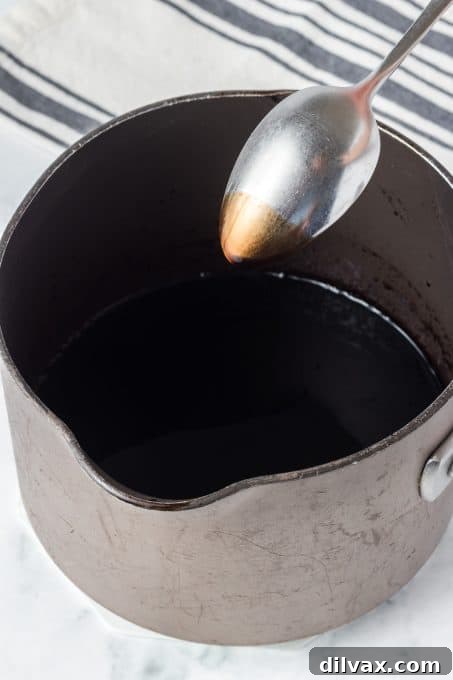
Endless Culinary Applications: What to Drizzle Balsamic Glaze On
The true magic of balsamic glaze lies in its incredible versatility. Its sweet and tangy profile enhances an astonishing array of dishes, bridging the gap between savory and sweet with effortless grace. Once you have a batch ready, you’ll find yourself reaching for it constantly.
Savory Dishes
- Meats: Drizzle over grilled chicken, pan-seared steak, roasted pork chops, or delicate fish fillets. It adds a vibrant tang and beautiful sheen. It’s particularly fantastic on Oven Roasted Chicken.
- Vegetables: Transform roasted vegetables like Brussels sprouts (a personal favorite, especially my Roasted Brussels Sprouts), asparagus, or bell peppers. It caramelizes beautifully and adds depth.
- Salads: A classic pairing! Elevate a simple Caprese salad (tomatoes, fresh mozzarella, basil), mixed greens, or even a robust grain salad. It’s a key ingredient for my Caprese Pasta.
- Cheeses: A match made in heaven for cheese boards. Drizzle over creamy goat cheese, salty parmesan, fresh burrata, or aged cheddar.
- Appetizers: Balsamic glaze takes appetizers to the next level. It’s the perfect finishing touch for my Cranberry Pecan Goat Cheese Bites and an ideal complement to a Poached Pear and Goat Cheese Appetizer. I’m also eager to try it on Cream Cheese Stuffed Mushrooms for an unforgettable flavor.
- Pasta & Pizza: A light drizzle over fresh pasta with olive oil and herbs, or a plain cheese pizza after baking, can add an unexpected gourmet twist.
Sweet Treats
- Fruits: Pair it with fresh strawberries, figs, or melon for a sophisticated dessert or snack. The combination of sweet fruit and tangy glaze is delightful.
- Desserts: A subtle drizzle over vanilla ice cream, panna cotta, or even plain Greek yogurt with berries can elevate a simple treat into something special.
Beyond these suggestions, let your creativity guide you! This balsamic reduction is a fantastic tool for adding a bright, intense flavor wherever a little acidity and sweetness are needed.
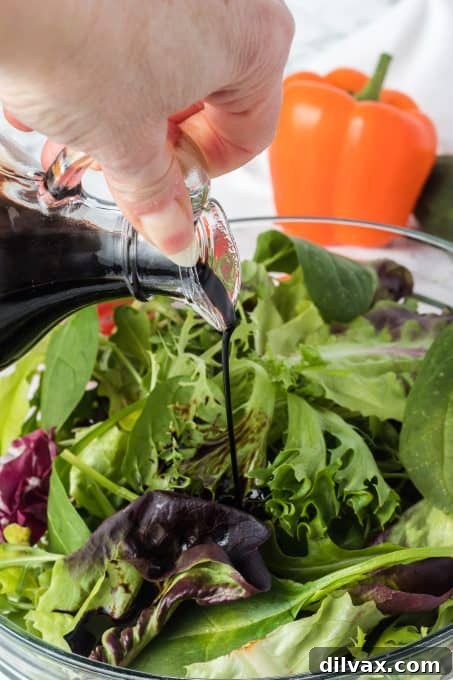
Troubleshooting Common Balsamic Glaze Issues
While making balsamic glaze is generally straightforward, sometimes you might encounter minor hiccups. Here’s how to address them:
- Glaze is too thin after cooling: This is the most common issue. If your glaze hasn’t thickened enough once cooled, simply return it to the saucepan over low heat. Continue to simmer gently for another 5-10 minutes, stirring occasionally, until it reaches the desired syrupy consistency. Remember, it will thicken further as it cools.
- Glaze is too thick or candy-like: If you’ve over-reduced it and it’s become too sticky or hard, don’t worry! Gently reheat the glaze in a saucepan over very low heat. Add a tablespoon or two of fresh balsamic vinegar or even a little water, stirring constantly, until it thins out to a pourable consistency. Be careful not to add too much liquid at once.
- Flavor is not intense enough: The primary reason for a less flavorful glaze is often the use of a lower-quality balsamic vinegar. For future batches, ensure you’re starting with a good quality product. If your current batch is lacking, you can try reducing it slightly further (if it’s not already too thick) to concentrate the flavors, or add another teaspoon of honey to balance out any harsh acidity.
- Glaze has a harsh, acidic taste: This usually means it hasn’t reduced quite enough, or you might have used a particularly sharp vinegar. A little more honey can help mellow the acidity. Alternatively, try simmering it for a few more minutes to further concentrate and sweeten the vinegar.
With these simple tips, you can confidently make and enjoy perfect homemade balsamic glaze every time.
Created by: Lynne Feifer
Easy Balsamic Glaze
Learn how to make the best Balsamic Glaze with 2 ingredients in this simple recipe. This balsamic vinegar reduction is a delicious sauce for drizzling over everything from meat to vegetables!
Course: Condiment
Cuisine: American
Prep Time: 5 minutes
Cook Time: 25 minutes
Total Time: 30 minutes
Servings: 16 tablespoons (1 cup)
Ingredients
- 2 cups good quality balsamic vinegar
- 1 tablespoon honey (optional, for balance)
Instructions
-
In a medium saucepan, combine the balsamic vinegar and honey (if using) over medium heat. Stir until the mixture comes to a gentle boil.
-
Reduce heat to low and simmer for about 25 minutes, stirring occasionally. The glaze is done when it has reduced to half of the original amount and coats the back of a spoon with a syrupy consistency. It will thicken further as it cools.
-
Allow the glaze to cool completely before transferring it to a tightly sealed jar or container and storing it in the refrigerator.
Notes
Nutrition
Serving: 1 tablespoon | Calories: 32kcal | Carbohydrates: 7g | Protein: 0.2g | Sodium: 7mg | Potassium: 36mg | Fiber: 0.003g | Sugar: 6g | Vitamin C: 0.01mg | Calcium: 9mg | Iron: 0.2mg
Did you make this recipe?
Share it with me on Instagram and make sure to follow me on Pinterest for more recipes!