Master Your Herbs: The Ultimate Trick for Effortless Rosemary and Thyme Prep
There’s nothing quite like the invigorating aroma and vibrant flavor that fresh herbs bring to your culinary creations. From a simple weeknight dinner to an elaborate feast, a sprinkle of fresh rosemary or a handful of fragrant thyme can transform a dish from good to extraordinary. However, many home cooks shy away from using fresh herbs regularly, deterred by one common, often frustrating, task: painstakingly removing the delicate leaves from their woody stems. If you’ve ever found yourself picking leaves one-by-one, wishing for a faster way, then prepare to have your kitchen routine revolutionized!
Why Fresh Herbs Elevate Your Culinary Creations
Before diving into the hack, let’s reaffirm why making the effort to use fresh herbs is so rewarding. Fresh herbs are packed with essential oils, delivering a more intense and complex flavor profile compared to their dried counterparts. They also add a burst of color and freshness, enhancing the visual appeal of your dishes. Beyond flavor, many herbs boast impressive health benefits, from rosemary’s antioxidant properties to thyme’s immune-boosting compounds. Incorporating fresh herbs isn’t just about taste; it’s about elevating the entire sensory experience of your meal and embracing a more wholesome approach to cooking.
The Common Culinary Conundrum: Time-Consuming Herb Prep
We’ve all been there. You’re enthusiastic about a new recipe that calls for fresh herbs. You gather your ingredients, eager to start, only to hit a snag at the herb prep stage. Whether it’s the tiny leaves of thyme clinging stubbornly to their wispy stems or the needle-like foliage of rosemary refusing to detach, the process of stripping herbs can feel like an exercise in tedious patience. It often takes twice as long to prepare the herbs as it does to actually cook the dish, draining your enthusiasm and adding unnecessary stress to your cooking experience. This chore is a significant barrier for many, leading them to either skip fresh herbs entirely or resort to dried alternatives, sacrificing flavor and freshness in the process.
Imagine a scenario where you could effortlessly prepare your herbs in a fraction of the time, leaving you more moments to enjoy the cooking process or simply relax. What if there was a simple, yet incredibly effective trick that transformed this dreaded task into a quick, satisfying step? For years, I, like many of you, endured the painstaking leaf-by-leaf method. It wasn’t until a chance encounter with a video or an insightful article that I discovered a truly game-changing technique. A method so straightforward, yet so revolutionary, that it forever altered my approach to cooking with fresh, woody herbs.
Unlock Kitchen Efficiency: The Revolutionary Herb-Stripping Hack
The secret lies in working with the natural growth pattern of the herb. Instead of trying to pull leaves off against their natural direction, we’re going to leverage it. This method not only saves an incredible amount of time but also ensures you get maximum yield from your herb stems with minimal effort. While it might take a slight adjustment to your usual routine, once you’ve tried it, you’ll wonder how you ever cooked without it.
The Rosemary Method: A Step-by-Step Guide for Sturdy Stems
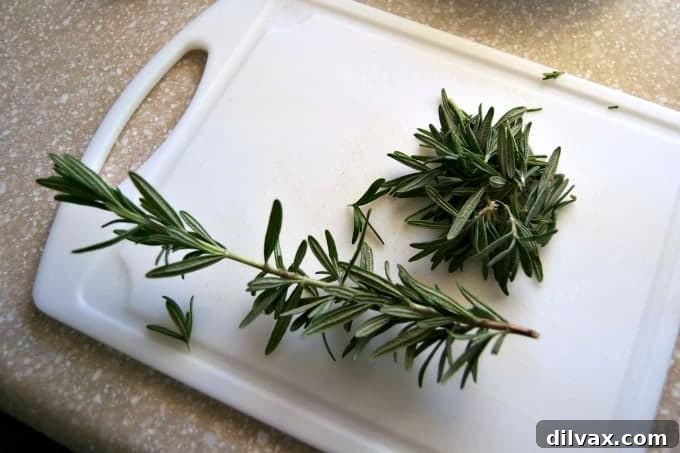
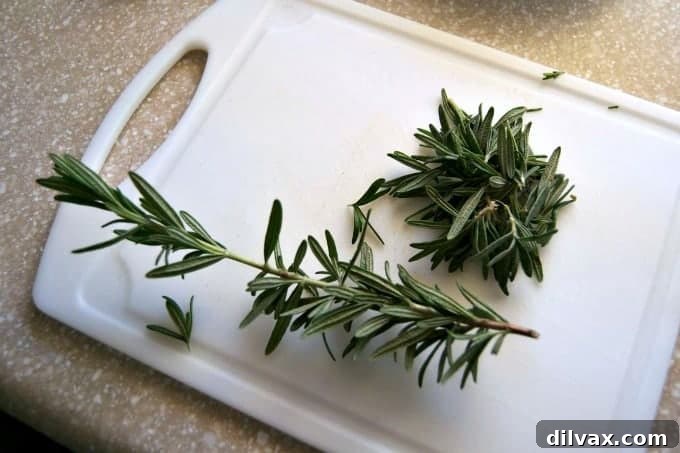
Rosemary, with its fragrant, needle-like leaves and sturdy stems, is the perfect candidate for this technique. Follow these simple steps to swiftly strip your rosemary and unlock its full aromatic potential:
- Select Your Stem: Begin by taking one fresh, healthy stem of rosemary. Choose a stem that feels relatively firm and strong, as this will provide the necessary resistance for the technique to work effectively.
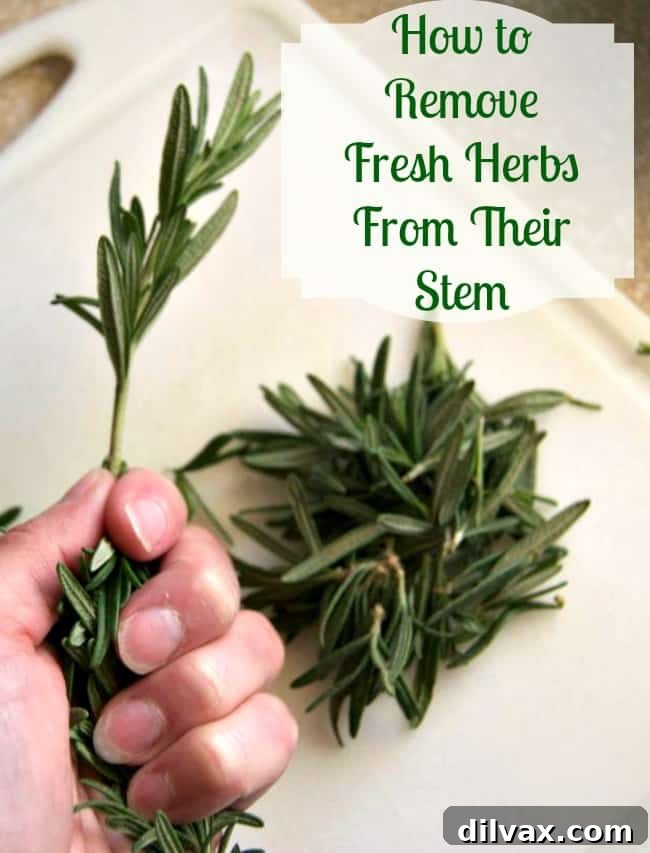
- Grip Firmly at the Top: Hold the rosemary stem securely at its upper end, just below where the leaves begin to thicken. Ensure your grip is firm but not crushing, allowing the stem to remain intact. This point acts as your anchor.
- The Downward Pull: With your opposite hand, create a gentle “V” shape with your thumb and forefinger around the stem, just below your anchoring hand. Apply a slight pressure and pull downwards, against the direction of leaf growth, along the stem. The leaves will effortlessly detach from the stem and collect in your hand.
- Collect and Repeat: Once you’ve stripped one section, reposition your “pulling” hand further down the stem and repeat the motion until all the usable leaves are removed. You’ll be amazed at how quickly an entire stem is stripped clean!
Occasionally, a particularly stubborn or dry stem might break, or a few leaves might resist. Don’t fret! Simply adjust your grip, ensure the stem is as fresh as possible, and continue. You’ll find this method to be dramatically faster and more efficient than picking leaves individually.
Tackling Thyme: A Softer Approach for Delicate Stems
Thyme, with its smaller leaves and more delicate stems, requires a slightly gentler touch, but the principle remains the same. This method is especially useful for thyme, as its tiny leaves are notoriously tedious to pick one by one:
- Choose Freshness: As with rosemary, start with a fresh thyme sprig. Fresher stems are more pliable and less prone to breaking.
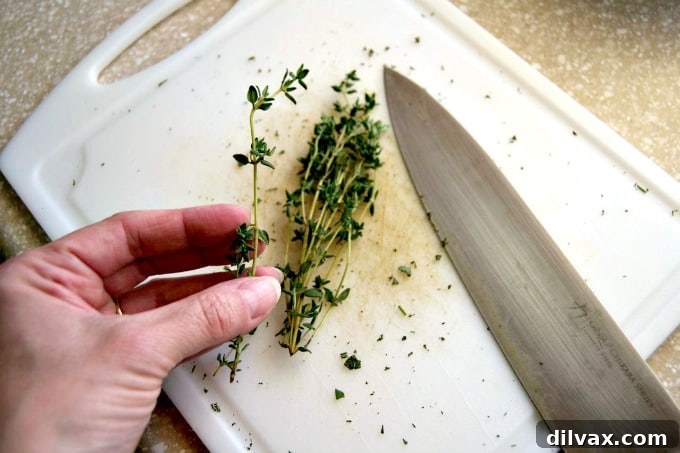
- Gentle Anchor: Hold the thyme stem near the top, where it’s thickest, with a gentle but steady grip. Remember, thyme stems are more fragile than rosemary, so avoid crushing them.
- Light Downward Stroke: Using your other hand, lightly pinch the stem just below your anchor point. Apply a soft, consistent downward pressure, allowing your fingers to glide along the stem. The tiny thyme leaves will slide off into your palm.
- Be Patient (Slightly): You might need a couple of passes for a very leafy stem, or if the stem is particularly thin. The key is to be gentle to avoid snapping the stem, but firm enough to dislodge the leaves.
This technique, once mastered, will drastically reduce your thyme prep time, allowing you to incorporate this fragrant herb into soups, roasted vegetables, and sauces with ease.
Expanding Your Herb Horizon: Tips for Other Woody Herbs
The beauty of this trick is its versatility. While perfect for rosemary and thyme, you can adapt this method for many other woody herbs that grow in a similar fashion. Consider trying it with:
- Oregano: Similar to thyme, oregano’s small leaves can be stripped using a gentle downward pull.
- Marjoram: Another delicate, bushy herb that benefits from this efficient stripping method.
- Sage (some varieties): For sage varieties with longer, slightly woody stems, this technique can be effective, though some larger-leafed types might still benefit from individual plucking.
It’s important to note that this method is best suited for herbs with leaves that grow directly from a central, woody stem. It is generally not recommended for leafy herbs like parsley, cilantro, mint, or basil, where the leaves are larger and grow on more pliable, softer stalks. For these, traditional chopping or plucking methods are usually more appropriate.
Beyond Stripping: Maximizing Your Fresh Herb Experience
Now that you’ve mastered the art of efficient herb stripping, let’s briefly touch on other ways to ensure your fresh herbs truly shine in your kitchen.
Proper Washing and Drying
Always wash your herbs, even if they look clean, to remove any dirt or residues. Gently rinse them under cool water and then dry them thoroughly. Excess moisture can dilute flavors and make storage more challenging. A salad spinner is excellent for delicate herbs, or you can gently pat them dry with paper towels.
Storing Fresh Herbs for Longevity
To keep your stripped herbs fresh for longer, store them properly. For woody herbs like rosemary and thyme, wrap them loosely in a slightly damp paper towel, then place them in an airtight container or a resealable plastic bag in the refrigerator. Alternatively, you can stand them upright in a glass of water, cover loosely with a plastic bag, and refrigerate.
Creative Uses for Stripped Stems
Don’t toss those stripped stems! They still carry a subtle fragrance and flavor. You can add them to stocks, broths, or stews for an extra layer of aroma. They can also be used to infuse oils or vinegars, adding a lovely herbaceous note to your homemade condiments.
The Impact of Efficient Herb Preparation: More Flavor, Less Stress
This simple trick has truly been a game-changer in my own kitchen, significantly decreasing the time I spend on herb preparation. What once felt like a chore now takes mere seconds, allowing me to embrace fresh herbs more frequently and spontaneously. Maybe you were already in the know, a seasoned pro at this hack, or perhaps, like me, you’re a recent convert. Regardless, my hope is that this post reaches at least one person who can benefit from this valuable time-saving tip. Imagine the cumulative time saved over weeks, months, and even years of cooking – that’s a lifetime of moments reclaimed!
This newfound efficiency isn’t just about saving time; it’s about reducing kitchen stress, encouraging more adventurous cooking, and ultimately, enjoying more flavorful, wholesome meals. When herb prep is no longer a hurdle, you’ll find yourself reaching for fresh rosemary to enhance roasted potatoes, or sprinkling thyme over chicken or fish without a second thought.
Embrace the Change: Your Kitchen Awaits
So, go ahead, give this simple yet powerful herb-stripping hack a try. Grab a sprig of rosemary or thyme, find your rhythm, and experience the difference it makes. You’ll likely discover a renewed joy in cooking with fresh ingredients and a new level of confidence in your kitchen efficiency. Prepare to be pleasantly surprised by how quickly this method integrates into your routine, transforming mundane prep into a swift, satisfying step. Your taste buds, and your schedule, will thank you!
And who knows, you might just be needing this little tip for some delicious culinary adventures coming your way very soon. Just sayin’!