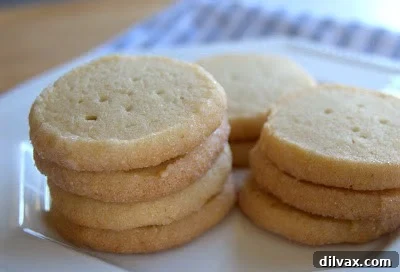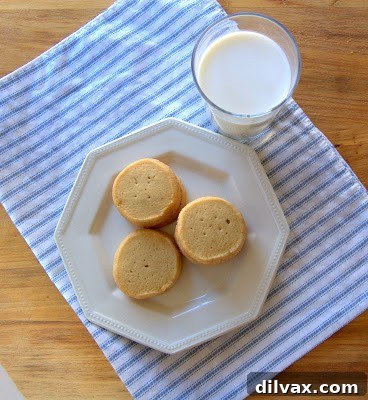
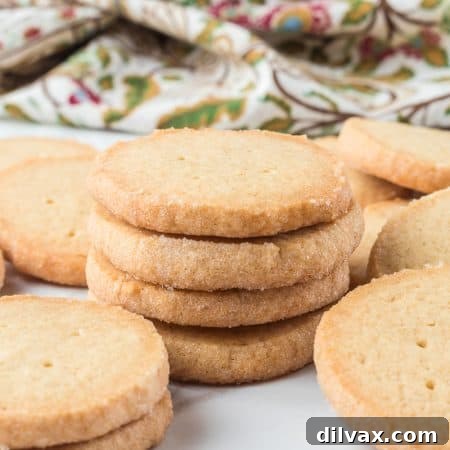
Indulge in the irresistible charm of these sweet and buttery French Butter Cookies. Also known as Sablés Bretons, these classic cookies are deceptively simple yet profoundly delicious. Crafted with premium butter, these melt-in-your-mouth treats are the perfect companion for an afternoon tea break, a delightful snack, or an elegant addition to any dessert platter. Prepare to elevate your baking with a recipe that embodies French culinary excellence.
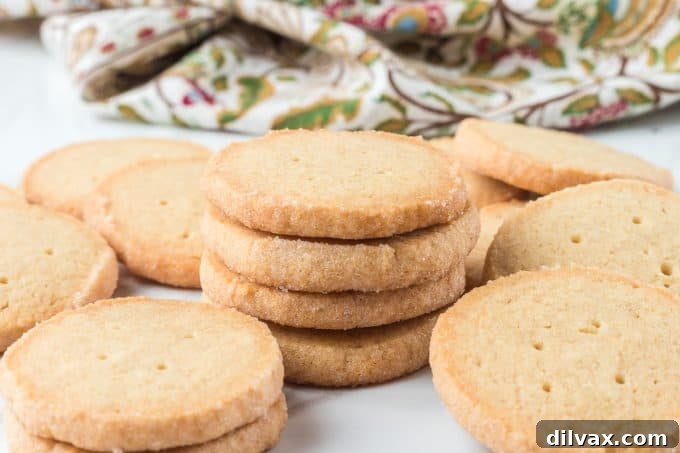
The true elegance of these exquisite French cookies lies in their beautiful simplicity. Using just a handful of staple ingredients, these crumbly delicacies come together to create a taste experience that truly melts in your mouth. Their delicate texture and rich, buttery flavor make them an ideal choice for a variety of occasions, from sophisticated bridal or baby showers to festive holiday baking trays. Or, simply bake a batch for yourself when you crave an indulgent, comforting treat that speaks of refined taste without requiring complex techniques.
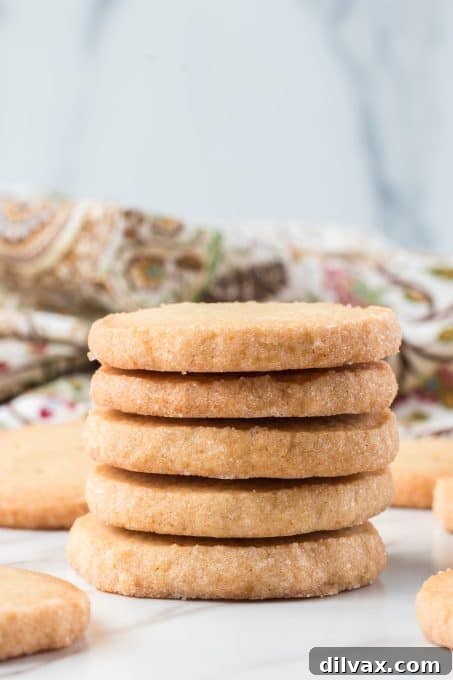
French Butter Cookies (Sablés Bretons): A Culinary Tradition
Often referred to as Sablés Bretons, these cookies are a beloved staple in French patisseries and home kitchens alike. The name “Sablés” comes from the French word for sand, perfectly describing their wonderfully crumbly, sandy texture. “Bretons” indicates their origin from Brittany, a region in northwest France renowned for its high-quality dairy products and exceptional butter. These cookies are more than just a sweet treat; they are a taste of French tradition.
If you’re curious about what truly makes these “French” butter cookies stand out, the secret lies almost entirely in the butter itself – specifically, French-style butter. In many parts of the world, like America, standard butter typically contains around 80% butterfat. However, authentic French butter, or European-style butter, boasts a significantly higher butterfat content, usually a minimum of 82%. This higher fat percentage contributes to a richer flavor, a creamier texture, and a more tender, melt-in-your-mouth cookie.
Beyond the fat content, traditional French butter is often cultured. This means live active cultures are added to the cream before it’s churned into butter. This culturing process develops a deeper, more complex, slightly tangy flavor profile that enhances the overall taste of baked goods. While you can certainly achieve delicious results using regular American butter in this recipe, for an unparalleled, authentic French experience, we highly recommend seeking out European-style butter. Brands like Kerrygold are widely available and excellent choices. Trust us; the difference in flavor and texture is truly noticeable and worth the effort!
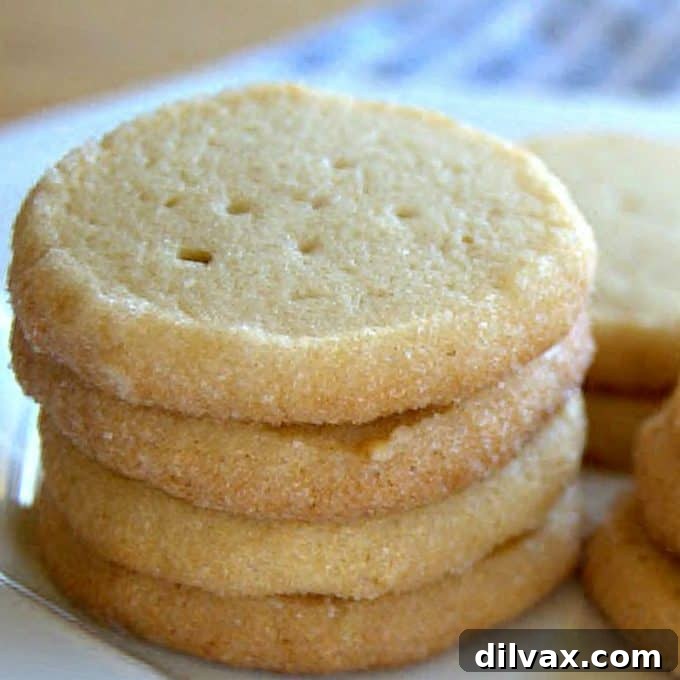
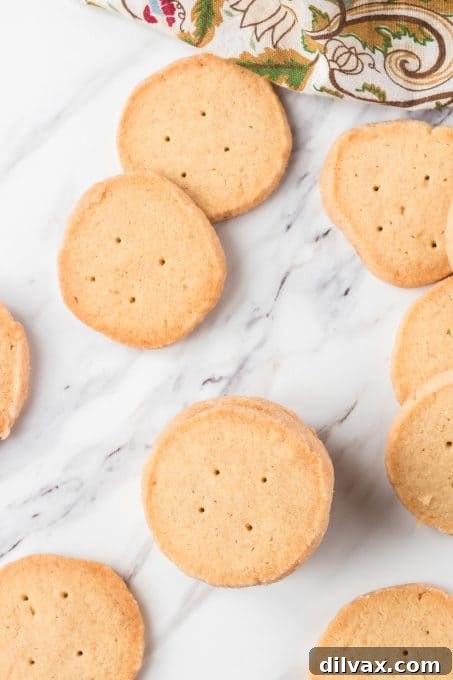
These classic Sablés Bretons are easily recognized by their distinctive appearance. Often, they feature a decorative crisscross pattern on top, which is traditionally made with the tines of a fork. This simple detail adds a touch of rustic charm and elegance, which you can easily replicate at home. Whether you’re a seasoned baker or new to the craft, these cookies offer a delightful journey into the heart of French baking.
Craving the rich taste of butter cookies but need a gluten-free option? Explore recipes for Gluten-Free Butter Cookies to satisfy your sweet tooth without compromise.
Essential Ingredients for Perfect Sablés Bretons
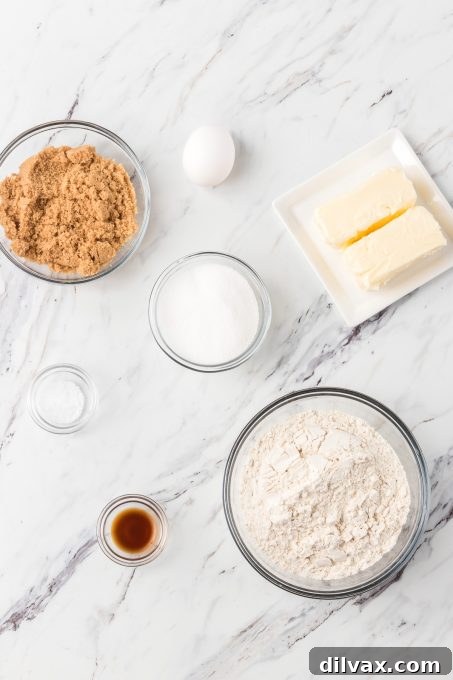
This exquisite recipe for the best butter cookies you’ve ever tasted comes from the renowned Martha Stewart Living Cookbook: The Original Classics. To achieve that signature crumbly texture and rich flavor, you’ll need a few high-quality, simple ingredients:
- 1 cup (2 sticks) European-style butter, at room temperature: This is the star ingredient. Room temperature butter creams beautifully, incorporating air for a lighter texture, and European butter’s higher fat content is key for authentic flavor and tenderness.
- ⅔ cup packed light brown sugar: Brown sugar adds a lovely caramel note and a slight chewiness, complementing the butter’s richness. Packing it ensures you get the correct amount.
- 1 large egg: The egg acts as a binder, helping to hold the cookies together and contributing to their overall structure and richness.
- 1 teaspoon vanilla extract: High-quality vanilla extract enhances all the other flavors, adding a warm and aromatic undertone.
- 2 ½ cups all-purpose flour, sifted: Sifting the flour makes it lighter, preventing lumps and ensuring a tender, delicate cookie texture.
- 1 teaspoon salt: A crucial ingredient that balances the sweetness and brings out the full flavor of the butter and sugar. Don’t skip it!
- ½ cup granulated sugar (for rolling): This outer coating provides a delightful crunch and sparkle to each cookie.
Mastering the Art of French Butter Cookies: A Step-by-Step Guide
Creating these delightful French butter cookies is a straightforward process, even for novice bakers. Follow these detailed steps to achieve perfect Sablés Bretons every time:
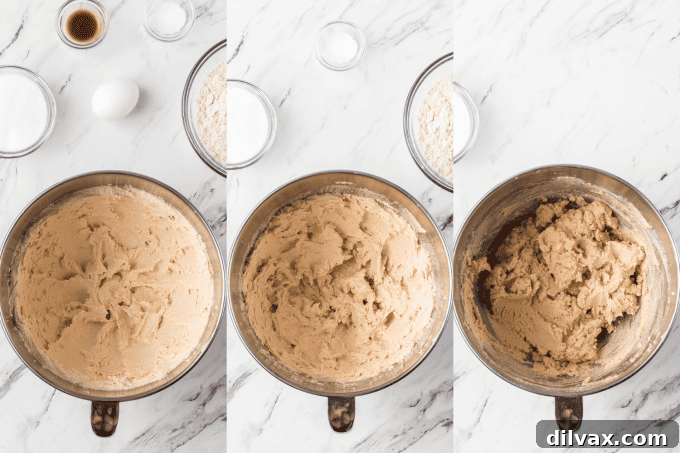
- Cream the Butter and Sugar: In the bowl of a stand mixer fitted with the paddle attachment (or using a hand mixer), combine the room temperature European-style butter and packed light brown sugar. Beat on high speed for 2 to 3 minutes until the mixture is light, fluffy, and pale in color. This creaming process incorporates air, which is vital for the cookies’ delicate texture.
- Add Wet Ingredients: Reduce the mixer speed to medium. Add the large egg and vanilla extract to the creamed butter and sugar. Continue mixing until all the ingredients are thoroughly combined, scraping down the sides of the bowl as needed to ensure an even mixture.
- Combine Dry Ingredients: In a separate small bowl, whisk together the sifted all-purpose flour and salt. This ensures the salt is evenly distributed throughout the dough.
- Incorporate Dry into Wet: Gradually add the dry flour mixture to the wet ingredients in the stand mixer. Mix on low speed until just combined. Be careful not to overmix, as this can develop the gluten in the flour, resulting in tough cookies. Stop mixing as soon as no streaks of flour are visible.
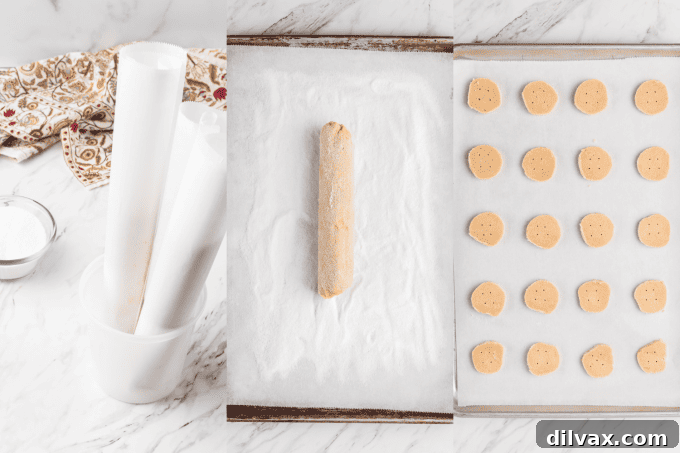
- Form and Chill the Dough Logs: Divide the cookie dough into three equal portions. On three separate sheets of plastic wrap or wax paper, roll each portion into a log approximately 1 ½ inches thick. The easiest way to achieve uniform logs is to place the dough in the center of the plastic wrap, fold the edge of the wrap over the dough, and use a ruler or straight edge to gently pull towards you, shaping the dough into a smooth, even cylinder. Twist the ends of the plastic wrap or wax paper to seal the logs securely. Refrigerate the dough logs for a minimum of one hour, or ideally overnight. Chilling is crucial for firming up the butter, which prevents the cookies from spreading too much during baking and allows for clean slicing.
- Prepare for Baking: When you’re ready to bake, position an oven rack in the center and preheat your oven to 350 degrees F (175 degrees C). Line a baking sheet with parchment paper to prevent sticking and promote even baking.
- Slice and Coat: Remove one chilled dough log from the refrigerator. Roll it thoroughly in the granulated sugar, ensuring it’s completely coated on all sides. This sugar coating will create a beautiful crisp edge and a sparkly finish. Using a sharp knife, slice the log into ¼-inch thick rounds.
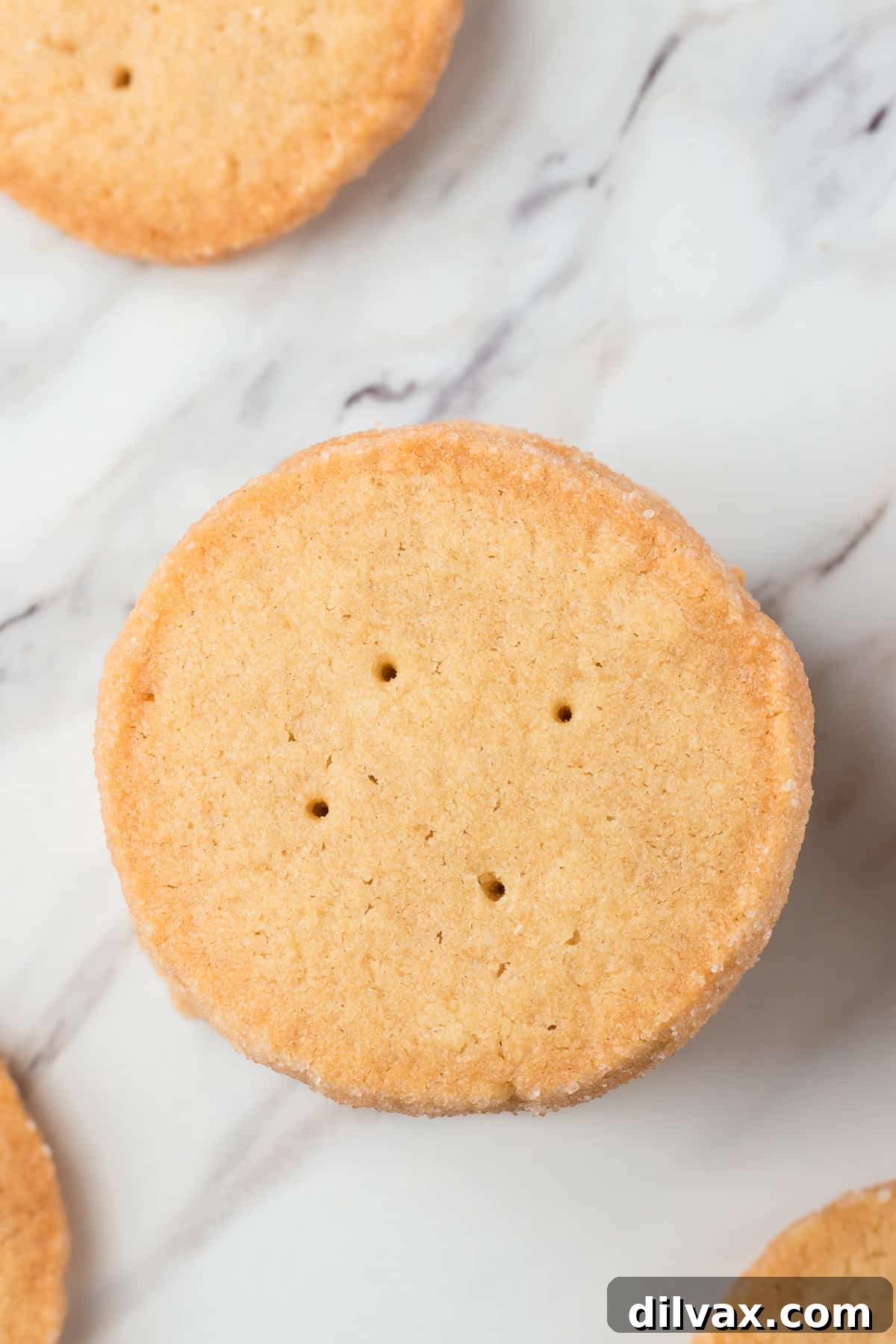
- Arrange and Decorate: Place the sliced cookie rounds onto the prepared baking sheet, leaving about 1 inch of space between each cookie. For a classic touch, you have a couple of optional decorating choices: use a toothpick to make four small decorative holes in each cookie, or lightly drag the tines of a fork across the tops of the cookies in one direction, then repeat in the opposite direction to create the traditional crisscross pattern, similar to a peanut butter cookie.
- Bake to Golden Perfection: Bake the cookies in the preheated oven for approximately 15-20 minutes, or until the edges are lightly golden brown. The baking time may vary depending on your oven, so keep a close eye on them.
- Cool Completely: Once baked, carefully transfer the hot cookies to a wire rack. Allow them to cool completely before handling or storing. They will crisp up further as they cool.
Frequently Asked Questions & Expert Tips
Can I use salted butter in this French Butter Cookie recipe?
Yes, you can absolutely use salted butter when making these French Sablés. In fact, if you’re opting for a European-style butter, many bakers, including myself, prefer the salted variety over unsalted for butter cookies. The subtle saltiness can enhance the rich butter flavor. However, if you choose to use salted butter, remember to omit the additional teaspoon of salt specified in the recipe to prevent the cookies from becoming too salty. Adjusting the salt content ensures a perfectly balanced flavor profile.
How to Store Leftover French Butter Cookies
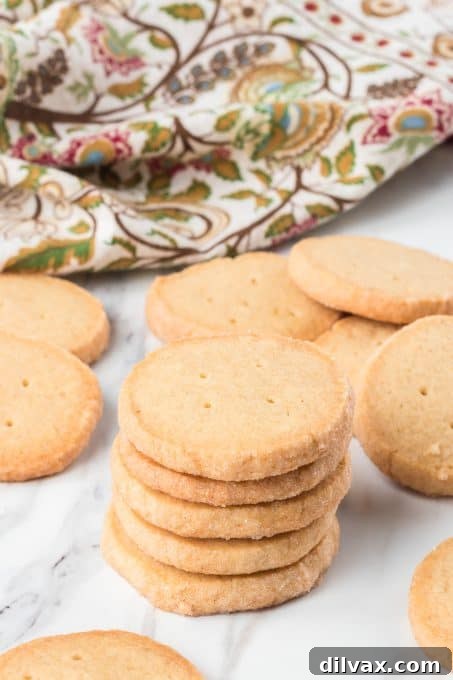
If you’re lucky enough to have any of these classic butter cookies left over (which is a rare occurrence!), proper storage is key to maintaining their delightful freshness and crispness. Place the cooled cookies in an airtight container and store them at room temperature on your kitchen counter. They will remain fresh and delicious for up to 3 days, though they rarely last that long! For longer storage, you can also freeze baked Sablés Bretons. Arrange them in a single layer in a freezer bag or an airtight container, separating layers with parchment paper to prevent sticking. They can be frozen for up to 2 months. Thaw them at room temperature before serving for a quick, indulgent treat.
Can I Make the Dough Ahead of Time?
Absolutely! This recipe is wonderfully accommodating for make-ahead convenience. You can prepare the cookie dough following all the steps up to the point where you would chill it for an hour. Instead, wrap the dough logs very tightly in several layers of plastic wrap, then place them in a freezer bag or an airtight container. The dough can be frozen for up to 2 months. This is fantastic for busy schedules or for having fresh cookies on demand!
When you’re ready to bake, transfer the frozen dough logs to the refrigerator to thaw partially. It’s important that the dough is firm enough to slice cleanly but not so hard that it’s unmanageable. Avoid letting it get too warm or soft, as this will make slicing difficult and could cause the cookies to spread excessively during baking. Imagine giving a frozen log of this delectable cookie dough as a gift! Wrapped in festive paper with simple baking instructions, it makes a thoughtful and truly special present. I’ve done this with sugar cookie dough, but I must say, these French Butter Cookies are even more impressive and delicious!
Tips for Troubleshooting Your Sablés Bretons
- Cookies Spreading Too Much: If your cookies are spreading more than desired, ensure your butter was at the correct room temperature (not too soft or melted) and that the dough was properly chilled for at least an hour, or even longer. A colder dough is key to maintaining shape. Also, check your oven temperature with an oven thermometer to ensure it’s accurate.
- Cookies Too Hard: Overmixing the flour or overbaking can lead to tough cookies. Mix the dry ingredients into the wet until just combined, and bake only until the edges are lightly golden, not dark brown.
- Lack of Flavor: The quality of your butter is paramount. Using European-style, high-fat butter makes a significant difference. Don’t skimp on a good vanilla extract either, and ensure your salt is accurately measured.
Delicious Variations to Try
While the classic Sablés Bretons are perfect on their own, you can easily adapt this recipe to create delightful variations:
- Citrus Zest: Add 1-2 teaspoons of finely grated lemon, orange, or lime zest to the butter and sugar mixture for a bright, fresh flavor.
- Spices: Incorporate ½ teaspoon of ground cinnamon, cardamom, or a pinch of nutmeg with the flour for a warm, aromatic twist.
- Chocolate Dipped: After the cookies have cooled completely, dip one half of each cookie in melted dark, milk, or white chocolate and sprinkle with sea salt or chopped nuts.
- Glazed: Prepare a simple glaze with powdered sugar and a splash of milk or lemon juice, then drizzle over cooled cookies.
- Almond Extract: Substitute half of the vanilla extract with almond extract for a delicate nutty flavor.
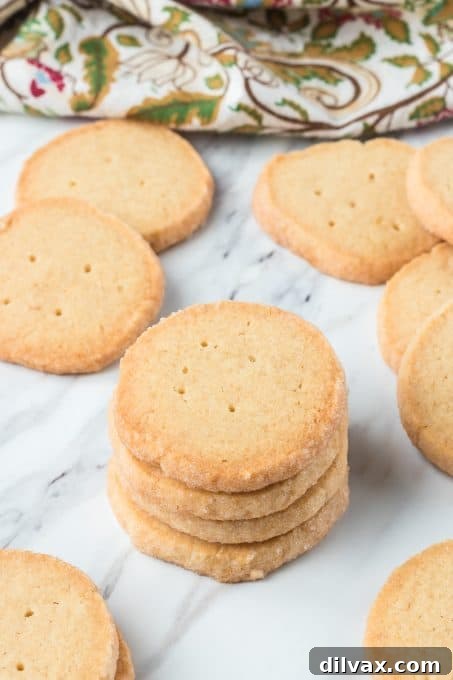
If you like these French Butter Cookies, you’ll enjoy these other delightful cookie recipes:
- Linzer Cookies– these beautiful, jam-filled cookies are perfect for any holiday or special event, offering a delicate balance of buttery richness and fruity sweetness.
- Lace Cookies– surprisingly easy to make, these delicate and elegant cookies are known for their thin, crisp texture and often feature a hint of caramel or nutty flavor.
- Coconut Macadamia Sugar Cookies– the satisfying crunch of macadamia nuts combined with tropical coconut elevates these sugar cookies to a truly exotic and irresistible level.
- Cream Cheese Cookies– incredibly soft and tender, these cookies literally melt away in your mouth, offering a subtle tanginess that makes them uniquely delicious.
- Joan’s Coconut Ranger Cookies– packed full of hearty goodness like oats, coconut, and often cornflakes, these flavorful cookies are a guaranteed hit with the entire family.
- Funfetti Cookies– bursting with colorful sprinkles, these sweet and cheerful cookies are perfect for celebrating birthdays or simply adding a touch of fun to your day!
FOLLOW ME
FACEBOOK ~ PINTEREST
INSTAGRAM ~ TWITTER
YOUTUBE
Keep an eye out for more of my easy recipes each week!
(4.16 out of 5 stars based on 82 ratings)
French Butter Cookies
Ingredients
- 1 cup European butter room temperature, *See Note
- ⅔ cup packed light brown sugar
- 1 large egg
- 1 teaspoon vanilla extract
- 2 ½ cups all-purpose flour sifted
- 1 teaspoon salt
- ½ cup granulated sugar (for rolling)
Instructions
-
In a bowl of an electric mixer, cream the butter and brown sugar on high speed until light and fluffy, about 2 to 3 minutes.
-
Add the egg and vanilla, mixing thoroughly.
-
Gradually add the flour and salt. Mix on low speed until just combined.
-
On three separate sheets of wax paper, roll the dough into three logs 1 1/2-inches thick. Take one third of the dough and place it in the center of the wax paper with the long edge closest to you. Fold the edge of the paper over the dough and using the straight edge of a ruler or dough cutter, pull the ruler towards you applying moderate pressure. The paper and ruler will roll the dough for you. This method helps form even and rounded rolls, but feel free to use your preferred method with plastic wrap.
-
Twist the ends of the wax paper or plastic wrap to seal and put into a tall glass or glasses so that each roll is standing on its’ end. Refrigerate for at least one hour to overnight.
-
When ready to bake, place a rack into the center of the oven and preheat to 350 degrees F (175 C).
-
Prepare a cookie sheet by lining it with parchment paper.
-
Remove one log from the fridge and roll it in the granulated sugar, making sure to coat it completely.
-
With a sharp knife, cut slices 1/4-inch thick.
-
Place the slices on the prepared cookie sheet 1-inch apart.
-
Optionally, with a toothpick, make 4 decorative holes in each cookie or use the tines on the back of a fork to create a criss-cross pattern.
-
Bake for about 15-20 minutes, or until lightly golden brown.
-
Transfer cookies to a wire rack so that they can cool completely.
Notes
Nutrition
Did you make this recipe?
Share it with me on Instagram and make sure to follow me on Pinterest for more recipes.
Pin Recipe
Share Recipe
This delightful cookie recipe originated from the esteemed Martha Stewart Living Cookbook – The Original Classics, page 530, authored by Martha Stewart and published by Clarkson Potter/Publishers, an imprint of the Crown Publishing Group, a division of Random House, Inc. (ISBN 978-0-307-39382-1).
This post was initially published on February 23, 2012, marking Day 350 of my original 365 Days of Baking series. It has since been thoroughly updated in format and enhanced with fresh photographs on October 20, 2023, to bring you the most comprehensive and visually appealing guide to making these classic French Butter Cookies.