My French Bread Baking Adventure: A Journey of Flours, Fails, and Future Successes
The rhythm of life in the kitchen often dictates the pace of my blog, and lately, it’s been a delightful scramble to keep everything perfectly in sync. I’m almost completely caught up with my latest culinary escapades, with a fantastic recipe waiting in the wings from yesterday’s efforts and this very post to finalize. My goal is to tackle both tomorrow, alongside crafting yet another fresh piece of content for our baking community. It’s a rewarding challenge, always striving to share the most authentic experiences from my home kitchen, complete with all its glorious successes and valuable learning opportunities.
The Allure of Homemade French Bread: A Home Baker’s Dream
Today’s culinary project was an ambitious one: crafting homemade French Bread. The inspiration? A craving for delectable meatball subs for dinner tonight, a meal where the bread plays an undeniably starring role. There’s something truly magical about the idea of tearing into a warm, crusty loaf, knowing it came straight from your own oven. French bread, with its iconic crisp exterior and soft, airy interior, represents the pinnacle of rustic baking for many home enthusiasts. The simple combination of flour, water, yeast, and salt transforms into something extraordinary, promising to elevate any meal it accompanies. I envisioned perfect long loaves, ready to be sliced open and generously filled with savory meatballs, rich marinara, and melted cheese—a truly comforting and satisfying culinary experience.
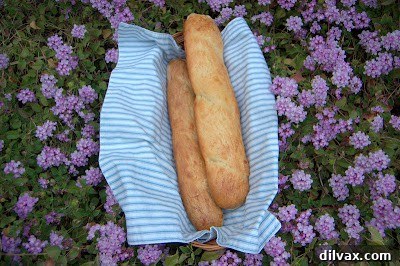
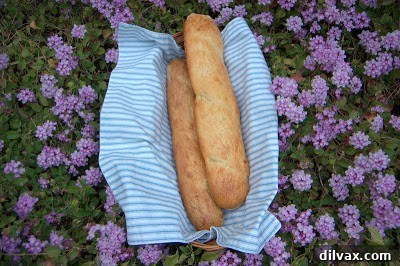
However, as any seasoned baker knows, the path to perfection in the kitchen is often paved with unexpected detours and valuable lessons. Today was one such day where the journey took an interesting turn. To make a long story short, my French bread loaves didn’t quite live up to the grand vision. Despite my best intentions and diligent efforts, the outcome was, well, less than ideal. After carefully capturing some photographs of these rather “sorry looking” loaves—because every baking journey, successful or not, deserves documentation and honest reflection—I found myself making a quick dash to the local store for some real sandwich buns. Sometimes, even the most passionate home baker needs a reliable backup plan to ensure dinner goes off without a hitch!
Learning from the Loaves: Why Revisit This Recipe?
The art of bread making is a delicate balance of science and intuition, and it demands constant learning and adaptation. These particular loaves undeniably need to be revisited. They are, quite honestly, among the sorriest looking examples of bread I think I’ve ever produced. And that’s saying something, given the countless hours I’ve spent experimenting with various doughs and techniques in my kitchen. What went wrong? It’s a question I’ve been pondering since they emerged from the oven. Perhaps the yeast wasn’t as active as it should have been, or maybe the kneading didn’t develop the gluten sufficiently to create that desired chewiness and open crumb. The proofing environment could have been off, leading to over-proofing or under-proofing, or perhaps the shaping technique was flawed, failing to create the tension needed for a good rise and open crumb. The lack of proper steam in the oven, or inconsistent oven temperature, might also have played a role in the pale, dense crust.
Every baker, regardless of their experience level, encounters these moments of imperfection. They are not failures, but rather invaluable opportunities for growth. It’s a reminder that even classic recipes, like the one I’m using, require a deep understanding of the process and a keen eye for detail. My commitment to mastering this particular French bread recipe has only strengthened. I am determined to troubleshoot, adjust, and try again until I achieve those beautiful, airy, crusty loaves that are the hallmark of authentic French bread. This experience simply fuels my curiosity and passion to delve deeper into the nuances of bread science and technique, transforming a setback into a stepping stone towards future baking triumphs.
The Inspiration: The Timeless Fannie Farmer Cookbook
This particular French Bread recipe hails from a revered culinary institution: The Fannie Farmer Cookbook. Penned by the remarkable Marion Cunningham and published by Alfred A. Knopf, Inc., a division of Random House, Inc., this cookbook is far more than just a collection of recipes. It’s a cornerstone of American culinary history, celebrated for its clear instructions, foundational techniques, and timeless appeal. The Fannie Farmer Cookbook has guided generations of home cooks and bakers, teaching them the fundamentals with a gentle, encouraging hand. Marion Cunningham, herself a legendary figure in the food world, meticulously updated and revitalized the cookbook, ensuring its continued relevance and popularity in modern kitchens. Choosing a recipe from such a distinguished source often instills a sense of confidence, knowing you’re working with a proven, well-tested method that has stood the test of time. This makes today’s outcome all the more intriguing and highlights the nuanced challenges that even the most established recipes can present in a home kitchen, demanding precision and environmental awareness from the baker.
The enduring legacy of The Fannie Farmer Cookbook lies in its ability to inspire and educate. It provides a solid foundation upon which bakers can build their skills, encouraging experimentation and a deeper understanding of ingredients. When a recipe doesn’t turn out as expected, it prompts a thorough review of the ‘why’ behind each step, rather than simply dismissing the recipe itself. It encourages a meticulous re-evaluation of ingredient freshness, precise measurements, environmental factors like kitchen temperature and humidity, and the subtle intricacies of technique. This journey with Fannie Farmer’s French Bread is precisely that: a testament to the continuous learning inherent in the culinary arts, reminding us that even the most straightforward processes can hide complex variables that contribute to the final delicious outcome.
Understanding the French Bread Making Process: Key Factors for Success
To truly understand where my loaves might have gone astray and to ensure future success, it’s immensely helpful to review the critical steps involved in authentic French bread making. Mastering this iconic bread involves more than just mixing ingredients; it’s about nurturing the dough through several stages to achieve that characteristic texture, flavor, and coveted crust.
1. The Dough: Hydration, Flour Type, and Kneading
French bread dough is typically a lean dough, meaning it contains minimal to no fat or sugar, allowing the pure flavor of the wheat and yeast to shine. The hydration level—the ratio of water to flour—is supremely crucial; too little water results in a dense, tough loaf, while too much can make the dough exceedingly difficult to handle and lead to a flat, spread-out bread. The type of flour also plays a role, with bread flour offering higher protein for better gluten development. Kneading is equally vital. It develops the gluten structure, which is what gives bread its elasticity and allows it to trap gases, creating that desirable open, airy crumb. Insufficient kneading often leads to a tight, dense interior, while over-kneading, though less common for home bakers, can also negatively impact the texture by breaking down the gluten network.
2. Proofing: The Art of the Rise and Fermentation
Proofing, or fermentation, is where the yeast works its magic, producing carbon dioxide that makes the dough rise, contributing significantly to both texture and flavor. French bread typically undergoes two distinct proofs. The first, known as bulk fermentation, allows the dough to develop flavor and strength over a longer period. The second proof, after shaping, is crucial for the final lift and airy structure just before baking. Temperature and humidity play significant roles here. An environment that’s too cold slows down the yeast considerably, while one that’s too warm can overproof the dough, leading to collapse in the oven or a crumbly, coarse texture. Identifying the perfect “window” for proofing—when the dough is neither under- nor over-proofed—is an experience-based skill that improves with practice.
3. Shaping: Crafting the Classic Form and Surface Tension
Achieving the classic baguette or French bread shape requires practice and a specific technique. Proper shaping is not just about aesthetics; it creates essential surface tension on the dough, which helps the loaf hold its form during proofing and promotes a robust oven spring—the final burst of rising in the hot oven. A poorly shaped loaf might spread out rather than rise upwards, resulting in a flat, dense appearance with an uneven crumb. The goal is to create a tightly cylindrical form with tapered ends, ensuring even baking and a beautiful, professional presentation.
4. Scoring (Slashing): Functional Artistry
Before baking, French bread loaves are carefully scored with a sharp blade, typically a baker’s lame. This isn’t merely for decoration; it’s a critical functional step. Scoring allows the bread to expand predictably in the hot oven, preventing uncontrolled tearing and helping achieve a superior crust and an open, airy crumb. The depth, angle, and number of slashes are important. Incorrect scoring can restrict expansion, leading to a denser loaf, or cause the bread to tear in undesired, unsightly places as it bakes.
5. Baking with Steam: The Secret to a Perfect Crust
Perhaps one of the most critical elements in French bread baking is the introduction of steam into the oven during the initial phase of baking. Steam keeps the crust soft and pliable, allowing the loaf to expand fully before the crust sets and hardens. Without adequate steam, the crust forms too quickly, constricting the bread’s rise and resulting in a denser interior and a duller, tougher, and often less appealing crust. This can be achieved through various methods, such as placing a pan of hot water on the bottom rack, tossing ice cubes onto a hot tray, or baking in a preheated Dutch oven or cloche. Reflecting on these points, I can already pinpoint several areas where my process might have diverged from the ideal. This detailed introspection is exactly what transforms a baking mishap into a powerful learning experience, setting the stage for a triumphant re-bake.
Visual Evidence: Documenting the Authentic Baking Journey
Here are the pictures, serving as an honest and transparent account of today’s baking endeavor. They might not showcase perfect loaves, but they tell a story of effort, ambition, and the inherent realities of home baking. Every wrinkle, every slightly deflated section, is a testament to the hands-on process and the continuous learning curve. We learn as much, if not more, from our attempts that fall short of perfection as we do from our resounding successes. These images capture the moment before the trip to the store, a visual diary of a day in the life of a passionate baker who embraces every outcome as part of the grand culinary adventure. The recipe, with all its traditional charm and historical significance, will indeed follow tomorrow, allowing us to delve into the specifics and pinpoint what adjustments might be needed for next time to achieve that elusive, perfect loaf.
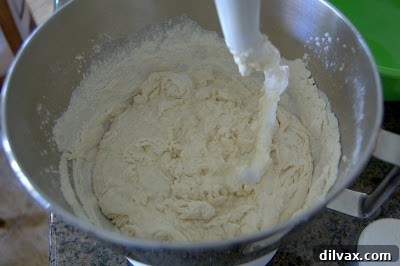
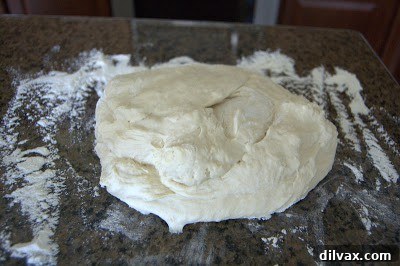
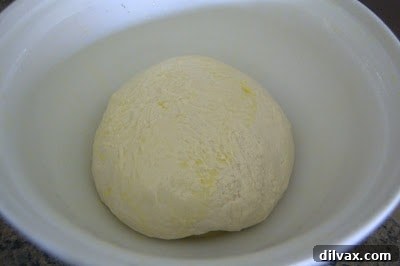
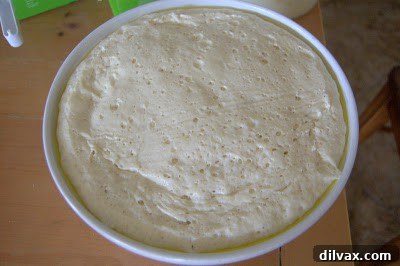
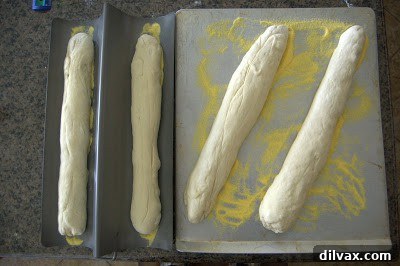
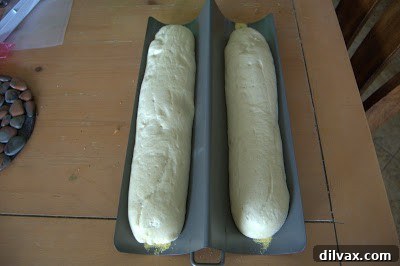
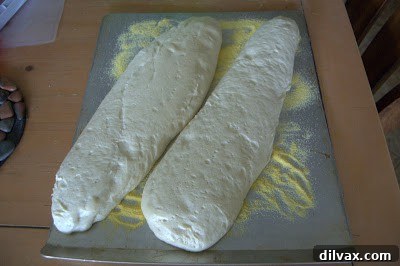
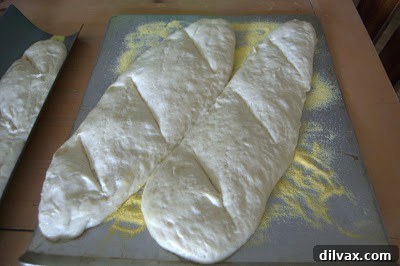
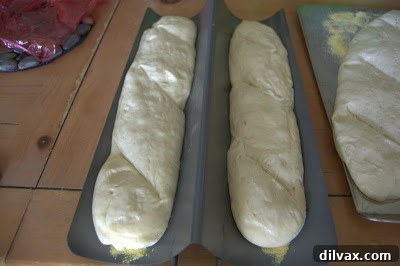

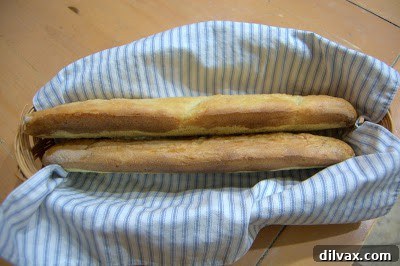
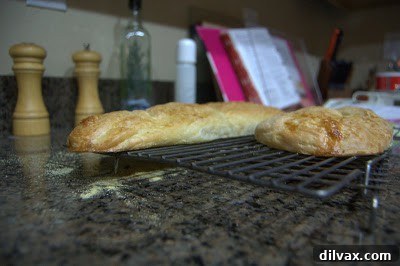
French Bread – makes four 14-inch loaves
This entry serves as a preview to the full recipe, which I’m incredibly excited to share in comprehensive detail in my next post. For now, know that this foundational recipe from The Fannie Farmer Cookbook calls for producing four substantial 14-inch loaves, a testament to its generous yield and traditional approach to bread making. The promise of four perfect, golden-crusted loaves awaits its fulfillment in future attempts, guided by the valuable lessons learned today and my renewed commitment to mastering the art of French bread. Stay tuned for the complete step-by-step guide, where we’ll explore all the nuances of this classic recipe together!
Until then, I give you BIG baking hugs and muffins!! Happy baking, and remember, every bake—whether flawless or a delightful learning experience—is a delicious step forward in our incredible culinary journey. Keep those ovens warm and your spirits even warmer!