Embarking on a culinary journey often means facing delicious triumphs alongside a few instructive missteps. Today, we’re diving deep into the art of making homemade baked vegetable chips – a healthy, delightful snack that’s deceptively simple yet packed with potential pitfalls. We’re going to share a journey of experimentation, starting with an honest account of a recipe that, initially, didn’t quite hit the mark. But fear not, because every culinary experiment, successful or not, offers invaluable lessons. We’ll present the original recipe, candidly discuss where things went astray, and then guide you through the refined techniques and insights gained, ensuring your homemade chips emerge perfectly crisp and flavorful.
Making your own vegetable chips isn’t just about crafting a snack; it’s about embracing healthier eating habits, customizing flavors to your preference, and enjoying the rewarding process of creating something wholesome from scratch. While store-bought chips often come laden with unhealthy fats and artificial ingredients, homemade versions offer a guilt-free alternative that’s rich in nutrients and natural goodness. They are perfect for movie nights, as a side for sandwiches, or simply as a crunchy treat when cravings strike. Let’s transform a good idea into a great execution, turning what could be a disappointing kitchen moment into a masterclass in healthy snacking.
Why Homemade Baked Vegetable Chips Are a Game-Changer
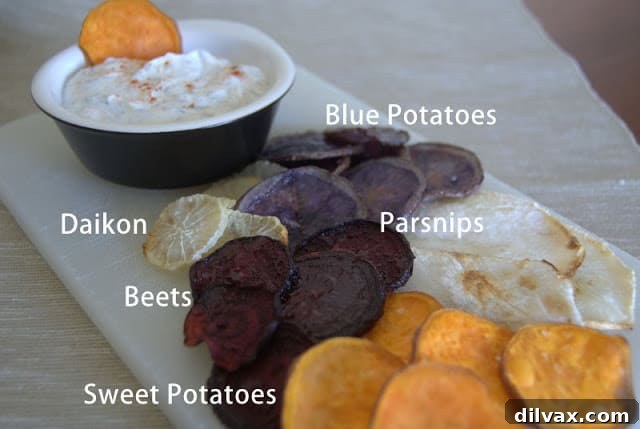
In a world brimming with processed snacks, the allure of crispy, homemade baked vegetable chips is undeniable. They offer a healthier alternative to their deep-fried counterparts, preserving more nutrients and significantly reducing fat content. Beyond the health benefits, making your own chips allows for unparalleled customization. You choose the vegetables, the thickness of the slice, and the seasoning – tailoring every batch to your exact taste. Imagine the vibrant colors of beet, sweet potato, and daikon chips, each bringing its unique flavor profile and nutritional punch. This isn’t just food; it’s an experience of conscious eating and creative cooking.
The process itself can be incredibly therapeutic. From carefully slicing each vegetable to watching them transform in the oven, there’s a meditative quality to homemade chip preparation. It’s also an excellent way to introduce more vegetables into your diet, especially for picky eaters. Children often enjoy the novelty of “chips” made from vegetables they might otherwise avoid. Plus, the satisfaction of serving a snack that you’ve meticulously crafted, knowing exactly what went into it, is truly rewarding. This guide will help you navigate the nuances, ensuring your efforts culminate in a truly delicious and healthy outcome.
The Culinary Conundrum: Understanding Common Pitfalls in Chip Baking
The path to perfectly crisp baked vegetable chips is often paved with good intentions and, sometimes, less-than-ideal results. As our initial attempt showed, challenges like uneven cooking, burning, and excessive saltiness are common. The key lies in understanding the science behind these issues. High oven temperatures can quickly scorch delicate vegetable slices before their internal moisture has a chance to evaporate, leading to burnt edges and soft, undercooked centers. Similarly, imprecise seasoning can overwhelm the natural flavors of the vegetables, rendering them inedible.
Moisture content is another critical factor. Vegetables are primarily water, and to achieve that desirable crispness, this water must be gently but thoroughly removed. Techniques like salting and resting, while beneficial, need to be executed with precision. Too much salt, as discovered, can leave an unpleasant residue, while insufficient drying can result in soggy chips. Our mission is to demystify these challenges, providing you with practical solutions and a reliable methodology that transforms raw vegetables into irresistible, crunchy delights.
The Refined Recipe: Crispy Baked Vegetable Chips with Zesty Yogurt Dip
Here, we present the original recipe, followed by crucial adjustments and insights gained from experience, ensuring a much higher success rate for your homemade chips.
Crispy Baked Vegetable Chips
Ingredients:
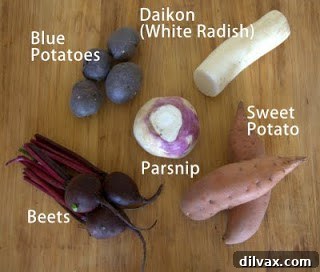
- 1 large sweet potato
- 2 medium beets
- 1 daikon radish
- 1 parsnip
- 2 purple potatoes (or any firm-fleshed potato)
- Cooking spray (olive oil or avocado oil preferred)
- 1/2 to 1 teaspoon coarse sea salt (adjust to taste, less is more initially)
- Optional: Pinch of black pepper, garlic powder, or desired spice blend
Equipment Essentials:
- Mandoline slicer (highly recommended for uniform thickness)
- Two large baking sheets
- Parchment paper
- Paper towels
Step-by-Step Instructions for Perfectly Baked Chips:
- Preheat and Prepare: Adjust your oven rack to the middle position. Preheat oven to 300ºF (150ºC). This lower temperature is crucial for slow, even drying. Line two large baking sheets with parchment paper for easy release and cleanup, then lightly spray with cooking spray.
- Precision Slicing is Key: Wash and thoroughly peel all vegetables. Using a mandoline slicer, thinly slice each vegetable as uniformly as possible. Aim for a thickness of about 1/16 to 1/8 inch (1.5-3mm). Uniformity is vital for even cooking; thicker slices will remain soft, while thinner ones might burn.
-
Optimize Moisture Extraction (The Game Changer):
This step is critical for achieving crispness. Arrange the sliced vegetables in a single layer on paper towels. Lightly sprinkle them with about half of the coarse sea salt. Let them rest for at least 15-20 minutes. During this time, the salt will draw out excess moisture. After resting, gently pat the slices completely dry with additional paper towels. This extra drying step is far more effective than just salting and resting, preventing soggy chips and allowing for less overall salt application during seasoning.
- Seasoning Smartly: Transfer the dried vegetable slices onto the prepared baking sheets, ensuring they are in a single layer without overlapping. Overcrowding will steam the vegetables instead of baking them crisp. Lightly spray the chips with cooking spray (this helps with crisping and seasoning adhesion) and then sprinkle with the remaining sea salt and any optional seasonings (e.g., a pinch of garlic powder, smoked paprika, or dried herbs). Remember, you can always add more salt later, but you can’t take it away!
- The Low and Slow Bake: Place the baking sheets in the preheated oven. Bake for an initial 20-30 minutes.
-
Monitor and Flip: After the initial baking time, carefully check the chips. They will likely still be soft. Gently flip each chip to ensure even drying and browning. Return to the oven and continue baking for another 20-40 minutes, or until golden brown and crispy.

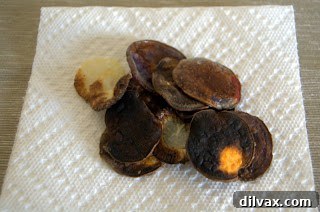
Important Note on Varying Cook Times: Different vegetables will cook at different rates. Sweet potatoes and beets often crisp up faster and more evenly, while parsnips and daikon might take longer or require closer monitoring. It’s perfectly normal to remove some chips earlier than others. Look for a deep golden color and a firm, crisp texture. Avoid chips that look like this:
This is definitely NOT the desired outcome! Overcooked chips can taste bitter and will lose their appealing texture. Some chips, particularly thinner ones or those made from denser vegetables, may need just a few more minutes. Always watch them carefully!
- Cool and Enjoy: Once golden and crisp, remove the chips from the oven and transfer them to a wire rack to cool completely. They will continue to crisp up as they cool. Serve immediately with the zesty yogurt dipping sauce.

Zesty Yogurt Dipping Sauce: The Perfect Companion
A flavorful dip can elevate even the most perfectly baked chips. This tangy, herbaceous sauce complements the earthy sweetness of the vegetables beautifully.
Ingredients:
- 1/2 cup plain Greek yogurt
- 1 teaspoon fresh lemon juice
- 1/2 teaspoon dried dill (or 1 tbsp fresh, finely chopped)
- 1/4 teaspoon garlic powder
- 1/4 teaspoon sea salt (or to taste)
- 1/4 teaspoon ground coriander
- Freshly ground black pepper to taste
Instructions:
- In a small bowl, combine all the dipping sauce ingredients.
- Whisk until thoroughly mixed and smooth.
- Taste and adjust seasonings as desired (e.g., more lemon for tang, more dill for herbaceousness).
- Cover the bowl and place it in the refrigerator while the chips are baking. Chilling allows the flavors to meld beautifully.
Troubleshooting Common Vegetable Chip Mistakes
Even with the most refined recipe, baking vegetable chips can present a few hurdles. Here’s how to overcome common issues:
1. Burnt Edges, Soft Centers
This is often a result of too high an oven temperature combined with uneven slicing. Our adjusted temperature of 300°F (150°C) is key to preventing this. Also, ensure your slices are as uniformly thin as possible using a mandoline. If some chips are crisping faster than others, remove the done ones and continue baking the rest.
2. Soggy or Leathery Chips
Insufficient moisture extraction is the culprit here. The process of salting, resting, and most importantly, thoroughly patting dry with paper towels is non-negotiable for crisp results. Overcrowding the baking sheet can also lead to steaming, so always arrange chips in a single layer with space between them.
3. Too Salty or Bland Chips
As experienced firsthand, too much salt can ruin a batch. Start with a minimal amount during the moisture extraction phase, and then add a light sprinkling just before baking. Remember, you can always add a pinch more after they are cooked and cooled. For bland chips, experiment with different spice blends like smoked paprika, chili powder, rosemary, or a touch of nutritional yeast for a cheesy flavor.
4. Uneven Cooking Times for Different Vegetables
This is natural. Different vegetables have different water content and fiber structures. Sweet potatoes and beets generally cook faster than parsnips or larger potato slices. It’s best to separate vegetables onto different baking sheets if you’re making a large mixed batch, or simply be prepared to remove chips from the oven as they reach perfection, leaving others to continue baking.
Beyond the Basic: Vegetable Variations and Flavor Profiles
The world of vegetable chips extends far beyond the root vegetables in this recipe. Embrace culinary creativity by experimenting with other options:
- Zucchini or Yellow Squash: Slice ultra-thin, salt, pat dry, and bake until crisp. They can be more delicate.
- Kale: Tear into bite-sized pieces, massage with a tiny bit of oil, salt, and bake quickly until crispy (often at a slightly lower temp, like 275°F/135°C, for 10-15 min).
- Carrots: Offer a sweet, earthy chip. Slice thinly and follow the same baking process.
- Turnips or Rutabaga: For a slightly bitter, peppery note.
- Brussels Sprouts: Halve or quarter, toss with oil and salt, roast until crispy.
Don’t stop at just salt! Elevate your chips with diverse seasoning blends:
- Smoky Paprika & Cumin: For a warm, earthy flavor.
- Garlic & Herb: Dried oregano, basil, thyme with garlic powder.
- Spicy Chili Lime: Chili powder, a pinch of cayenne, and a squeeze of lime juice after baking.
- Rosemary & Sea Salt: A classic pairing, especially with potatoes and parsnips.
- “Cheesy” Nutritional Yeast: For a savory, umami boost without dairy.
Storing Your Homemade Chips
To maintain their crispness, allow your baked vegetable chips to cool completely before storing them in an airtight container at room temperature. For best results, consume them within 2-3 days. If they lose a bit of their crunch, you can briefly reheat them in a low oven (around 250°F/120°C) for 5-10 minutes to revive their crisp texture.
A Journey of Culinary Discovery: Embracing Every Bake
This entire experience serves as a powerful reminder that cooking, especially baking, is a continuous journey of learning and discovery. As the original author reflected on reaching yesterday’s baking adventure and nearing a significant milestone, “Day 200,” it’s clear that every attempt, successful or not, adds to our culinary repertoire.
It’s incredible how far a journey can take you, well past the halfway mark with baking, making new friends and learning wonderful things. The lesson from these vegetable chips — that you can’t bake them at a very high temperature and expect perfection — is just one of many pearls of wisdom gleaned along the way. Even without knowing what tomorrow’s special occasion bake will be, the spirit of experimentation and the joy of the process remain paramount. Sometimes, the most valuable lessons come from the unexpected challenges, pushing us to refine our techniques and deepen our understanding.
So, whether you’re embarking on your first batch of homemade vegetable chips or celebrating a significant milestone in your cooking journey, remember to embrace the process. Don’t be discouraged by a less-than-perfect outcome; instead, view it as an opportunity to learn, adapt, and grow. Every step in the kitchen, every ingredient, every adjustment to technique, contributes to your unique culinary story. We hope you join us in celebrating these moments of discovery and continue to find joy in your own baking and cooking adventures. Happy baking!