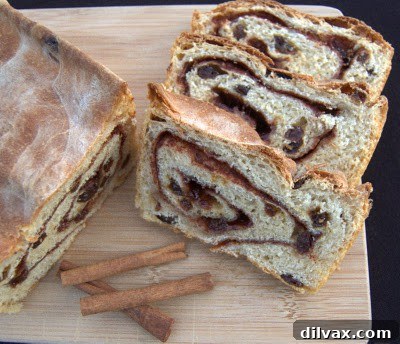
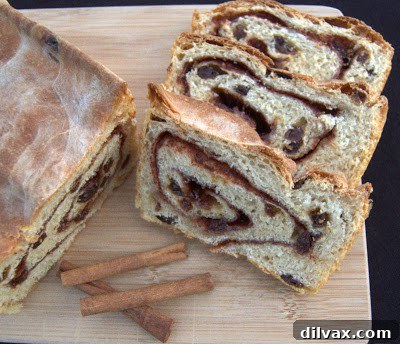
Bake the Best Homemade Cinnamon Raisin Bread: A Timeless Recipe
There’s nothing quite like the comforting aroma of freshly baked bread wafting through your home. The simple act of kneading dough, watching it rise, and then pulling a golden-brown loaf from the oven is a truly rewarding experience. Today, we’re sharing a cherished recipe for Cinnamon Raisin Bread that promises to deliver both incredible flavor and a heartwarming baking journey. Perfect for a leisurely weekend breakfast, a delightful snack, or even an impressive offering for guests, this bread is sure to become a staple in your kitchen.
Adapted from the revered *Fannie Farmer Cookbook, Thirteenth Edition*, this recipe has stood the test of time, proving that classic methods often yield the most satisfying results. Prepare to fall in love with its soft texture, sweet raisins, and a generous swirl of cinnamon sugar that makes every slice an absolute delight.
Why Homemade Cinnamon Raisin Bread is a Must-Try
In a world of store-bought convenience, opting for homemade bread offers unparalleled benefits. Firstly, the ingredients are fresh, simple, and entirely within your control. No mysterious additives, just wholesome goodness. Secondly, the flavor profile of homemade bread is vastly superior. The deep, rich taste of yeast-leavened dough combined with the natural sweetness of raisins and the warm spice of cinnamon creates a symphony for your taste buds that industrial breads simply can’t replicate.
Beyond taste, there’s the sensory experience. The warmth of the dough in your hands, the sight of it doubling in size, the intoxicating scent that fills your kitchen as it bakes – these are moments of pure joy. And when you finally slice into that warm loaf, revealing the beautiful swirl of cinnamon and plump raisins, you’ll know that every minute spent was truly worth it. This Cinnamon Raisin Bread isn’t just food; it’s an experience, a memory in the making, and a testament to the simple pleasures of life.
Classic Cinnamon Raisin Bread Recipe
This recipe yields two magnificent loaves, ensuring you have enough to enjoy immediately and perhaps share, or even freeze for later indulgence.
Yield: 2 Loaves
Prep time: Approximately 30 minutes active, plus 2-3 hours rising
Cook time: 45 minutes
Ingredients:
- 2 tablespoons shortening (or unsalted butter)
- 2 teaspoons salt
- 2 tablespoons granulated sugar
- 1 cup whole milk
- 1 cup water
- 1 package active dry yeast (approximately 2 1/4 teaspoons)
- 1/4 cup warm water (105-115°F / 40-46°C)
- 6 cups all-purpose flour, approximately
- 1 1/2 cups raisins
For the Cinnamon-Sugar Filling:
- 4 tablespoons unsalted butter, melted
- 1/2 cup granulated sugar
- 5 teaspoons ground cinnamon
Equipment You’ll Need:
- Large saucepan
- Measuring cups and spoons
- Mixing bowls (one large, one small for yeast, one small for butter, one small for cinnamon-sugar)
- Stand mixer with paddle attachment (optional, but recommended)
- Clean kitchen towel
- Rolling pin
- 2 standard loaf pans (9×5 inches), greased
- Wire cooling rack
Instructions:
-
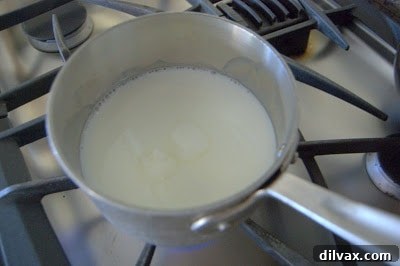
Prepare the Liquid Base: In a large saucepan, combine the shortening, salt, 2 tablespoons of sugar, milk, and 1 cup of water. Heat over low heat, stirring occasionally, until the shortening is completely melted and the mixture is very warm (around 120-130°F / 49-54°C). This process helps dissolve the sugar and salt while warming the liquids to an optimal temperature for yeast activation.
-

Remove the saucepan from the heat and allow the mixture to cool to a lukewarm temperature (around 105-115°F / 40-46°C). It’s crucial not to add yeast to a hot liquid, as it will kill the yeast. Lukewarm liquid ensures optimal yeast activity.
-
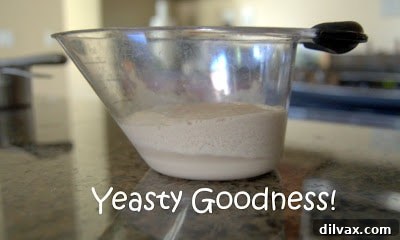
Activate the Yeast: While the liquid base cools, in a separate small measuring cup, combine the 1/4 cup of warm water and the package of active dry yeast. Stir gently to combine, then let it sit undisturbed for 5 minutes. This allows the yeast granules to dissolve and activate, forming a foamy layer on top, indicating it’s alive and ready to work.
-
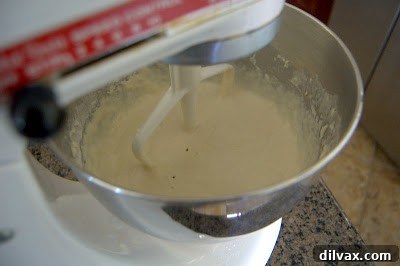
Combine Wet and Dry Ingredients (Initial Mix): Pour the cooled milk mixture into a large mixing bowl (or the bowl of a stand mixer). Add 3 cups of the all-purpose flour and the activated yeast mixture. If using a stand mixer with the paddle attachment, beat on low to medium speed until the ingredients are just combined and smooth. If mixing by hand, stir vigorously with a sturdy spoon.
-
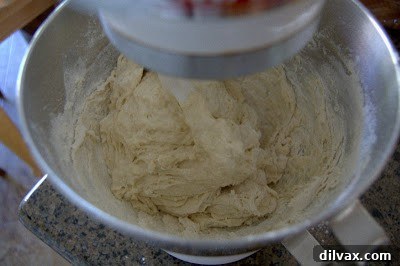
Add 2 more cups of flour to the bowl and continue to mix thoroughly until well incorporated. The dough will start to come together but will still be quite shaggy.
-
Incorporate Raisins: Add the 1 1/2 cups of raisins to the dough and mix until they are evenly distributed throughout. This ensures every bite of your bread will have that delightful burst of fruit.
-
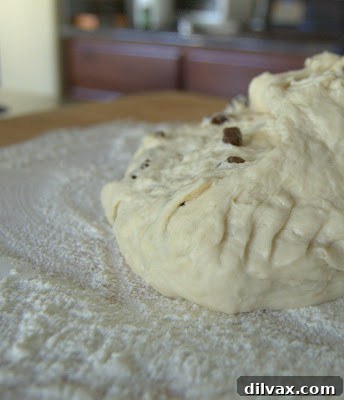
First Kneading Stage: Turn the dough out onto a lightly floured clean surface. Knead the dough for approximately 2 minutes, adding just enough additional flour (from the remaining 1 cup) as needed to prevent it from sticking to your hands or the surface. The dough should be soft but manageable. Avoid adding too much flour, which can make the bread tough.
-
Allow the dough to rest on the floured surface for 10 minutes. This resting period, known as “autolyse,” allows the flour to fully hydrate and the gluten to relax, making the dough easier to knead later.
-
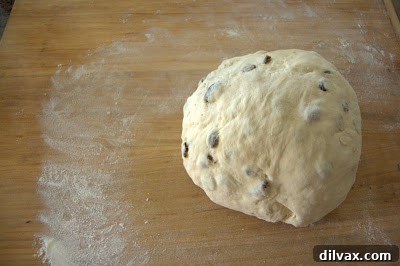
Second Kneading Stage: Continue kneading the dough for another 5-10 minutes, or until it becomes smooth, elastic, and passes the windowpane test (where a small piece can be stretched thin enough to see light through it without tearing). This develops the gluten structure, essential for a good crumb and rise.
-
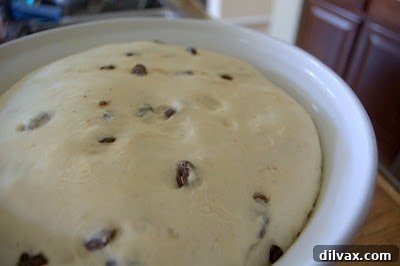
First Rise (Bulk Fermentation): Place the kneaded dough into a large bowl that has been lightly greased with oil or shortening. Turn the dough once to coat all sides. Cover the bowl with a clean kitchen towel or plastic wrap and place it in a warm, draft-free area (like a slightly warm oven, or near a sunny window). Let the dough rise until it has doubled in bulk, which typically takes about 1 hour, but can vary depending on your ambient temperature.
-
-
Prepare the Filling: While the dough is rising, melt the 4 tablespoons of butter in a small bowl. In a separate small bowl, combine the 1/2 cup of sugar and 5 teaspoons of cinnamon, mixing well.
-
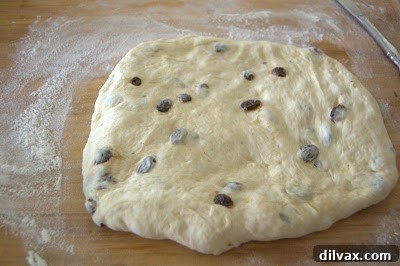
Divide and Shape Dough: Once the dough has doubled, gently punch it down to release the air. Turn the dough out onto a lightly floured surface and divide it evenly in half. Keep one half covered in the greased bowl (or with greased plastic wrap) to prevent it from drying out. Place the other half on your floured surface.
-
Roll and Fill the First Loaf: Using a rolling pin, gently pat and shape the dough into an approximately 8-inch square.
-
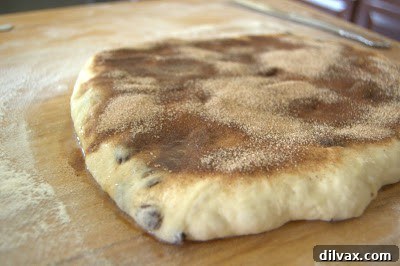
Brush the surface of the dough square with half of the melted butter, ensuring even coverage to the edges.
-
Sprinkle half of the cinnamon-sugar mixture evenly over the entire buttered surface of the dough, making sure to go all the way to the edges for a perfect swirl.
-
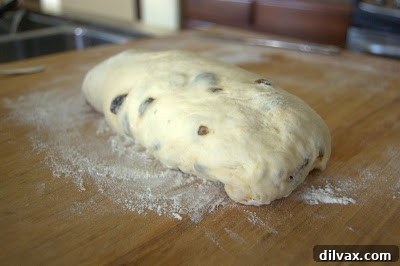
Roll the Loaf: Starting from one side of the square, slowly and carefully roll the dough into a tight log. Once rolled, pinch the seam closed along the length of the roll to seal it. Then, gently pinch and fold under the ends of the roll to create a neat, sealed loaf shape.
-
Place this formed roll seam-side down into one of the greased loaf pans.
-
Repeat for Second Loaf: Repeat the entire process with the other half of the dough: pat and shape into an 8-inch square, brush with the remaining melted butter, sprinkle with the remaining cinnamon-sugar mixture, roll tightly, pinch the seam, and fold under the ends. Place it into the second greased loaf pan.
-
-
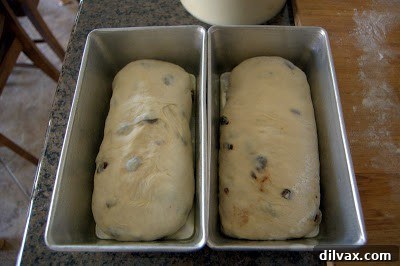
Second Rise (Proofing): Place both loaf pans in a warm, draft-free area, cover them loosely with a clean kitchen towel. Allow them to rise again until they have doubled in bulk and are noticeably puffy, which will take approximately 1 hour. This final rise gives the bread its light and airy texture.
-
Preheat Oven & Bake: Towards the end of the second rise, preheat your oven to 425°F (220°C).
Bake the loaves in the preheated oven for 15 minutes. This initial high heat helps create a beautiful crust and a good oven spring.
-
Continue Baking: After 15 minutes, reduce the oven temperature to 375°F (190°C) without opening the oven door too much, if possible. Continue to bake for an additional 30 minutes, or until the loaves are golden brown and sound hollow when tapped on the bottom. An internal temperature of 190-200°F (88-93°C) indicates doneness.
-
Cool: Carefully remove the bread from the pans immediately after baking to prevent sogginess. Transfer the loaves to a wire rack to cool completely before slicing. This allows the internal structure of the bread to set properly.
Expert Tips for Perfect Cinnamon Raisin Bread
- Yeast Check: Always ensure your yeast is active. If your yeast doesn’t foam within 5-10 minutes in warm water, it’s likely dead and should be replaced.
- Flour Measurement: For best results, measure your flour by weight (a kitchen scale is highly recommended) or use the “spoon and level” method rather than scooping directly from the bag. Too much flour can lead to dense, dry bread.
- Warm Environment: A slightly warm, draft-free spot is crucial for rising. You can create one by preheating your oven to its lowest setting for a few minutes, then turning it off and letting the dough rise inside.
- Don’t Over-Rise: While rising is important, over-proofing can lead to a collapsed loaf or a yeasty flavor. Stick to the recommended times, but also observe the dough – it should double in size, not triple.
- Even Cinnamon Distribution: Ensure the cinnamon-sugar mixture is spread evenly to get that beautiful swirl in every slice.
- Cool Completely: Resist the urge to slice into the bread while it’s still hot. Cooling allows the starches to set, resulting in a better texture and easier slicing.
Serving Suggestions
This Cinnamon Raisin Bread is incredibly versatile. Enjoy a slice plain, perhaps still slightly warm from the oven. It’s truly exceptional when toasted, especially with a dollop of butter or cream cheese. For a truly decadent treat, transform leftover slices into the most divine French Toast imaginable – the natural sweetness and cinnamon infusion make it out of this world! It also pairs wonderfully with your morning coffee or tea, making any breakfast feel a little more special.
Storage Recommendations
Once cooled, store the bread in an airtight container at room temperature for up to 3-4 days. For longer storage, this bread freezes beautifully. Wrap each loaf tightly in plastic wrap, then in aluminum foil, and store in the freezer for up to 2-3 months. Thaw at room temperature or gently reheat in the oven for a “freshly baked” experience.
The Unforgettable Taste: A Personal Review
Having rated countless baked goods, this Cinnamon Raisin Bread truly stands out. On a scale of 1-4, with 4 being the absolute best, these loaves earned a remarkable 3 1/2 rolling pins. Oh, my goodness, they were simply incredible! The texture was wonderfully soft – not “moist” in a wet sense, but perfectly tender and far from dry. It had a delightful crumb that was hard to resist.
And the cinnamon? Honestly, 5 teaspoons sounded like a lot, and I had my doubts, but it was absolutely, unequivocally perfect. It created a rich, warm, and inviting flavor without being overpowering. The balance was just right, making each bite incredibly yummy. This bread has inspired thoughts of an early bedtime, just to wake up sooner and enjoy another toasted piece with my morning coffee. It truly delivers on all fronts, exceeding expectations and proving to be a highly satisfying bake.
A Special Note: I once tucked one loaf into the freezer to save for French Toast over a holiday weekend, and it turned out to be the most delicious French Toast I have ever made! My family absolutely loved and devoured it. It’s a definite must-repeat!
A Dash of Kitchen Humor: The Salmon Incident
Life in the kitchen isn’t always perfect, and sometimes, even the most seasoned home cooks have those “oops” moments that turn into amusing anecdotes. Just last night, after a day of baking and errands, I was serving up Basil Baked Salmon, accompanied by sweet potato chips and some convenient applesauce. Salmon, while a healthy and delicious choice, isn’t always the cheapest, so I always handle it with care.

The table was set, dinner was ready, and as I went to serve Mr. 365, disaster struck! A perfectly good piece of salmon slipped from my fork and landed, with an unfortunate splash, directly into his glass of apple juice. I honestly couldn’t have replicated that even if I tried! My initial reaction was pure disgust. Not only had I ruined a good piece of fish and a beverage, but I also felt like I had wasted about $4 worth of food due to a moment of carelessness.
I stood there in stunned silence, staring at the soggy salmon in the juice, while my daughter, who witnessed the whole spectacle, clearly struggled to contain her laughter. Eventually, the absurdity of the situation got to me, and I started to laugh too. It truly was quite funny, even if utterly disgusting. Of course, such a memorable moment had to be documented!
My ever-gracious husband, Mr. 365, with his usual nonchalance, declared it didn’t matter and that he’d eat it anyway. Bless his heart! He’s always one to mix his food on his plate anyway, so perhaps I just fast-forwarded the inevitable. Oh, how I cherish that man, always finding a way to lighten the moment. These unexpected kitchen mishaps just add to the rich tapestry of home life, don’t they?
Final Thoughts and Encouragement
Baking, like life, can have its unexpected turns, from perfectly risen loaves to salmon swimming in apple juice. But through it all, the joy of creating something delicious, sharing it with loved ones, and embracing the humor in the imperfections, remains paramount. This Cinnamon Raisin Bread recipe is a testament to the simple, comforting power of homemade food.
So, whether you’re an experienced baker or just starting your culinary journey, I wholeheartedly encourage you to try this recipe. The aroma alone is worth the effort, and the taste will surely make it a treasured addition to your recipe collection. Embrace the process, savor the scents, and enjoy the incredible flavor that comes from baking with love.
Thanks for reading, and happy baking!