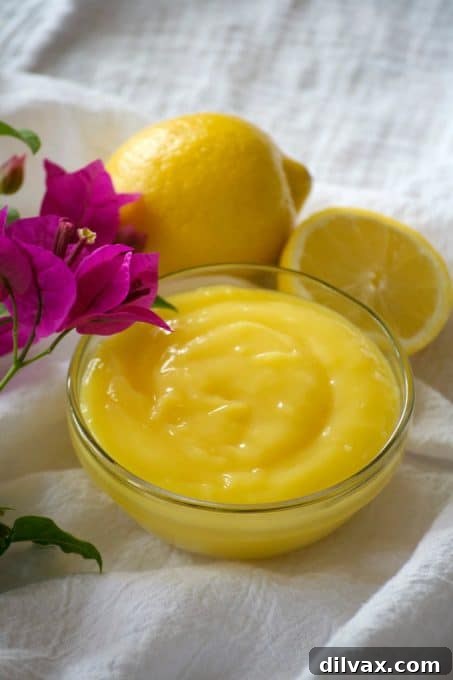
Indulge in the bright, zesty flavor of homemade Lemon Curd – a delightful blend of sweet and tart that elevates any dessert. Whether you’re filling tarts, spreading it on toast, or simply enjoying it with fresh berries and a dollop of whipped cream, this easy-to-make citrus spread is a true culinary gem.
Unlocking the Secret to Perfect Homemade Lemon Curd
There’s a special kind of magic that happens when you make lemon curd from scratch. The vibrant aroma of fresh lemons fills your kitchen, promising a treat far superior to anything you’d find on a grocery store shelf. This recipe guides you through creating a luscious, smooth lemon curd that strikes the perfect balance between bright, tangy lemon flavor and just the right amount of sweetness. If you’ve never ventured into the world of homemade curd before, prepare to be amazed – you’ll wonder why you waited so long!
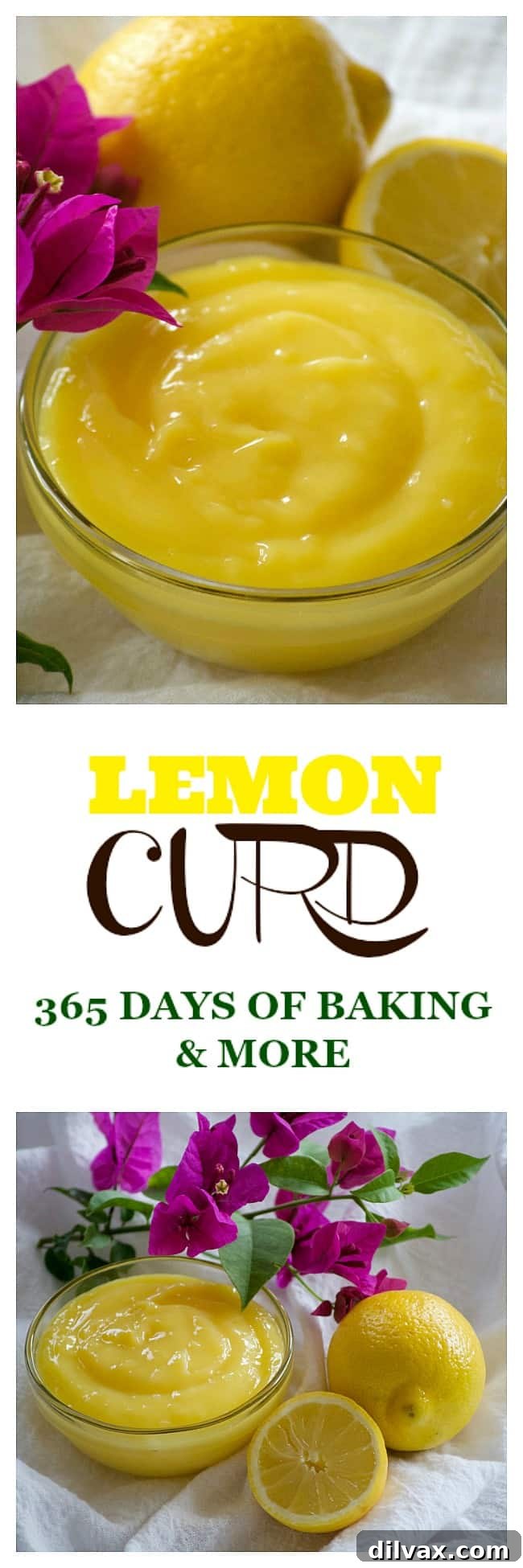
SAVE THIS HOMEMADE LEMON CURD RECIPE TO YOUR FAVORITE PINTEREST BOARD!
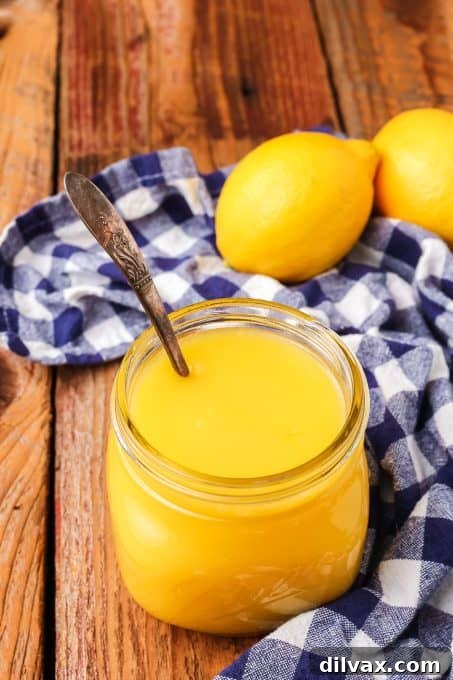
What Exactly is Lemon Curd? A Culinary Delight Explained
The word “curd” might sound a bit off-putting to some – I confess, I was one of them growing up! But don’t let the name deter you from experiencing one of the most exquisite citrus spreads imaginable. Lemon curd is a rich, creamy, custard-like confection known for its intensely lemony, sweet-tart profile. It’s significantly thicker and more concentrated in flavor than a typical pudding or jam, making it incredibly versatile in the culinary world.
At its heart, lemon curd is a harmonious blend of simple, wholesome ingredients: fresh lemon juice for that essential zing, granulated sugar for sweetness, unsalted butter for richness and a silky texture, and eggs (often whole eggs or a combination of whole eggs and extra yolks) for thickening and binding, along with aromatic lemon zest to boost the citrus notes. The cooking process transforms these basic components into a smooth, velvety spread that’s utterly irresistible.
Beyond being a standalone delight, lemon curd is a cornerstone ingredient in many classic desserts. Imagine the bright burst of flavor it adds to a traditional Lemon Meringue Pie, the luscious filling it provides in Lemon Bars, or even as an extraordinary topping for ice cream. Its versatility extends to fillings for cakes, tarts, cupcakes, and an incredible accompaniment to scones or crepes.
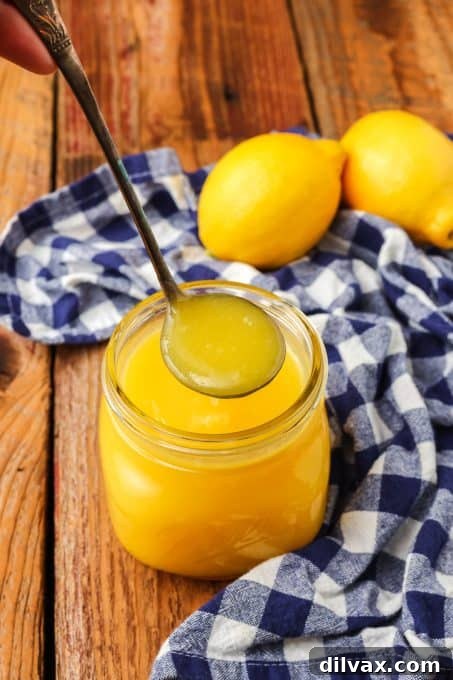
Choosing the Best Lemons for Your Curd
The quality of your lemons directly impacts the flavor of your curd. For that quintessential bright, tangy lemon curd flavor, I highly recommend using standard fresh lemons, like Eureka or Lisbon varieties, which are readily available in most grocery stores. Their robust acidity and intense lemon essence are perfect for creating that classic sweet-tart balance.
However, if you’re feeling adventurous or happen to find them, Meyer lemons are a fantastic alternative. These lemons are a hybrid between a lemon and a mandarin orange, giving them a slightly sweeter, less acidic flavor with a more floral aroma. If you opt for Meyer lemons, you might consider slightly reducing the amount of granulated sugar in the recipe to account for their natural sweetness. Experimentation is key to finding your preferred balance, but either type of fresh lemon will yield a delicious homemade curd.
Regardless of the variety, always choose firm, brightly colored lemons with smooth skin. Organic lemons are often preferred, especially since you’ll be using the zest. Make sure to wash them thoroughly before zesting and juicing.
Essential & Helpful Equipment for Lemon Curd Success
One of the beauties of making homemade lemon curd is that you truly don’t need a lot of fancy equipment. Most of what you need you probably already have in your kitchen. However, a few specialty tools can make the process smoother and more enjoyable:
- Citrus Juicer: While you can always squeeze lemons by hand, a good citrus juicer (manual or electric) will extract more juice efficiently and save your hands. I personally found this citrus juicer to be incredibly helpful.
- Microplane Zester: For obtaining fine, flavorful lemon zest without including any bitter white pith. If you don’t have one, the finest side of a box grater can work, but be very careful not to grate too deep.
- Fine-Mesh Strainer: This is optional but highly recommended for achieving the silkiest smooth lemon curd. It removes any small bits of cooked egg or stray zest, ensuring a luxurious texture.
- Whisk: Essential for incorporating ingredients smoothly and preventing lumps.
- Heat-Proof Bowls: For mixing and microwaving (if using that method) or for creating a double boiler setup (if using stovetop). Glass or stainless steel bowls work best.
- Rubber Spatula: A good quality spatula, like this GIR spatula, is excellent for stirring and scraping down the sides of the bowl or saucepan, ensuring even cooking and minimizing waste.
- Airtight Container: Glass jars (like mason jars) are ideal for storing your finished lemon curd in the refrigerator, keeping it fresh for weeks.
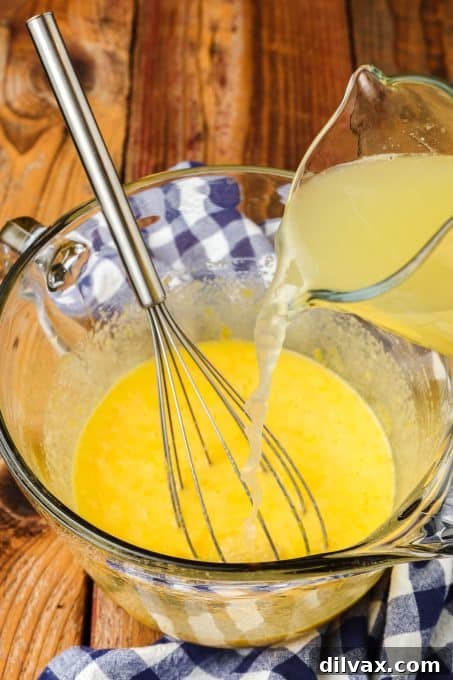
Simple Ingredients for an Extraordinary Lemon Curd
You’ll be surprised at how few ingredients are needed to create such a vibrant and flavorful spread. Each component plays a crucial role in achieving the perfect texture and taste:
- ½ cup (1 stick) unsalted butter: Provides richness and a smooth, creamy mouthfeel. Using unsalted butter allows you to control the overall saltiness of the curd.
- 1 ¼ cups granulated sugar: Balances the tartness of the lemons and contributes to the curd’s glossy finish.
- 3 large eggs + 1 additional large egg yolk: The eggs are key to thickening the curd into a custard-like consistency. The extra yolk adds a touch more richness and helps achieve a firmer, more stable curd.
- 1 cup fresh lemon juice: The star ingredient! Always use freshly squeezed juice for the best flavor.
- ¼ cup finely minced lemon zest (from about 3 large fresh lemons): Don’t skip the zest! It contains essential oils that provide intense lemon flavor without adding extra acidity, making a huge difference in the final product.
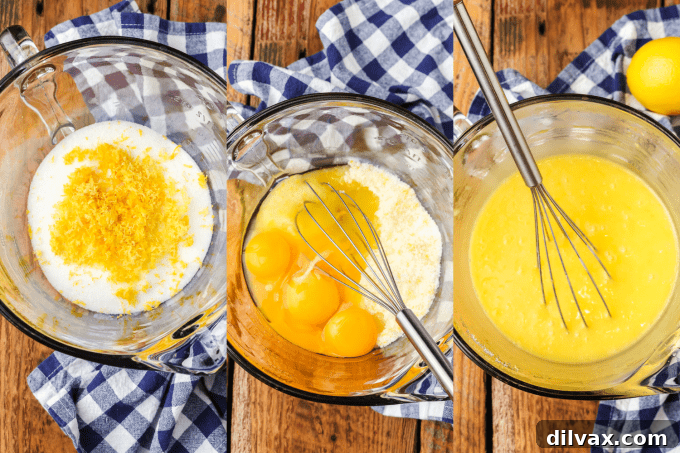
Step-by-Step Guide to Making Silky Smooth Lemon Curd (Microwave Method)
This microwave method makes homemade lemon curd incredibly accessible, allowing you to achieve a beautiful, tangy spread in mere minutes. Follow these simple steps for a truly rewarding experience:
- **Melt the Butter:** Begin by melting the unsalted butter in a small microwave-safe bowl. Set aside.
- **Combine Dry and Wet Ingredients (Initial Mix):** In a separate medium-sized glass or stainless steel bowl, whisk together the granulated sugar and the finely minced lemon zest. This step helps infuse the sugar with lemon oils, enhancing the overall flavor.
- **Add Eggs and Juice:** Add the three whole eggs and the additional egg yolk to the sugar-zest mixture, incorporating them one at a time and whisking well after each addition until thoroughly combined. Then, pour in the fresh lemon juice and whisk until the mixture is smooth and uniform.
- **Slowly Incorporate Melted Butter:** Gradually stream the melted butter into the lemon-egg mixture while continuously whisking. This slow addition helps emulsify the butter into the curd, preventing it from separating and ensuring a smooth texture. Continue whisking until the mixture is fully smooth.
- **Microwave in Stages (Low Power First):** Place the bowl in the microwave. Cook at 50% power for 1 minute. This initial low-power cook helps to gently warm the mixture and begin the thickening process without scrambling the eggs.
- **Stir and Continue Microwaving:** Remove the bowl from the microwave and give the mixture a thorough stir with your whisk or spatula. Return it to the microwave and cook for an additional minute at FULL power. Stir again.
- **Repeat Until Thickened:** Continue repeating this process, microwaving for 1-minute intervals at full power and stirring vigorously after each minute. This usually takes an additional 2-3 minutes, but cooking times can vary based on microwave wattage.
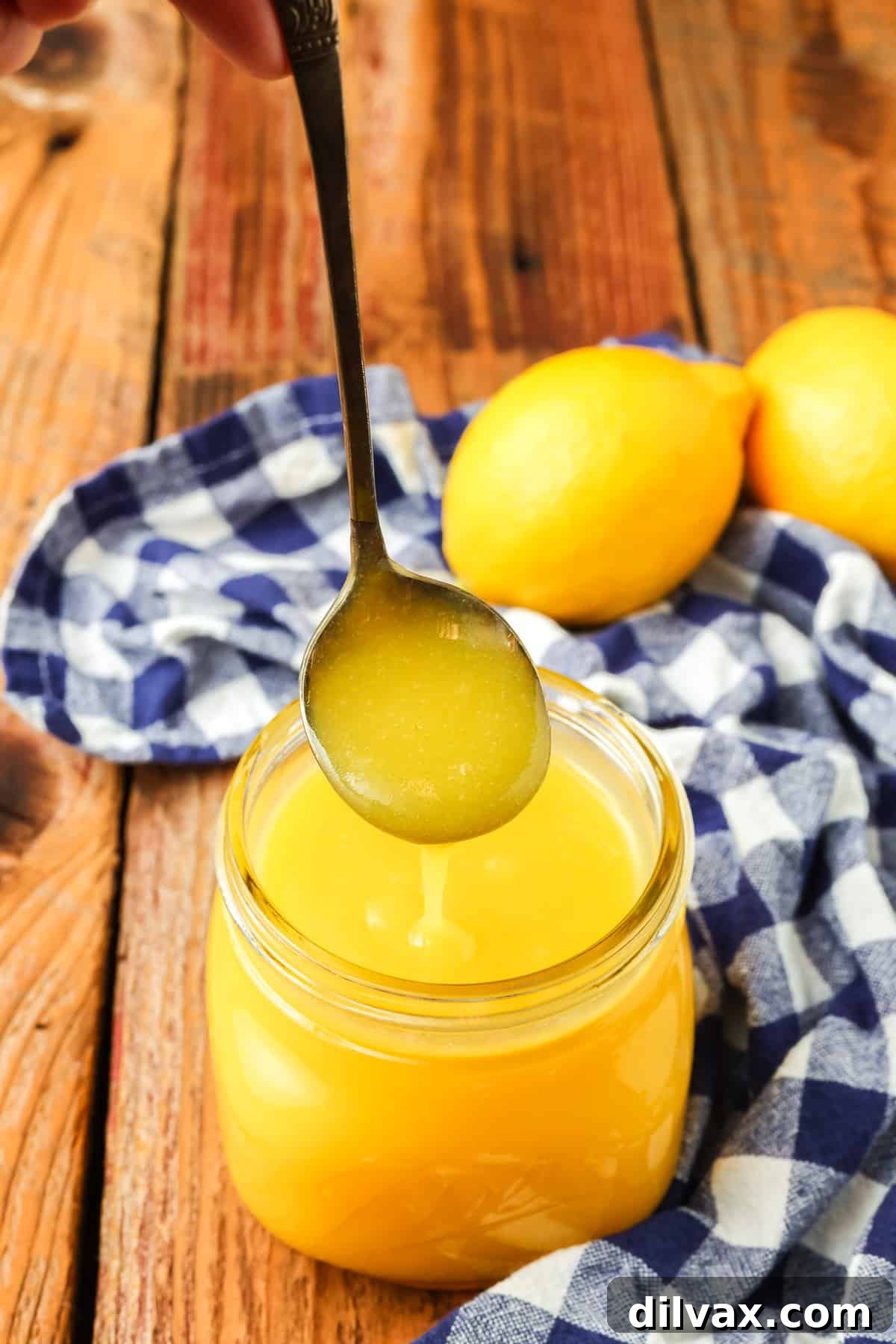
- **Check for Doneness:** The lemon curd is fully cooked when it has thickened enough to coat the back of a spoon. When you draw your finger across the coated spoon, the line should remain distinct without the curd flowing back together. It will continue to thicken significantly as it cools.
- **Optional Straining for Ultra-Smoothness:** For an incredibly silky, restaurant-quality curd, press the warm mixture through a fine-mesh strainer into a clean bowl or jar. This step removes any tiny bits of cooked egg, curdled spots, or excess lemon zest, resulting in a perfectly smooth consistency.
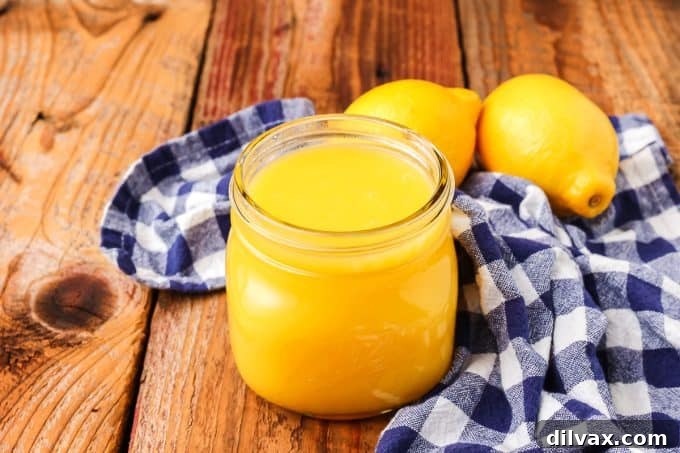
- **Cool and Store:** As the lemon curd cools to room temperature, it will continue to thicken into a lovely spoonable consistency. To prevent a “skin” from forming on top, press a piece of plastic wrap directly onto the surface of the curd while it cools. Once cooled, pour it into a clean glass jar, mason jar, or other airtight container. Store it in the refrigerator, where it will stay fresh and delicious for up to 3 weeks.
This recipe typically yields about 2 cups of exquisite lemon curd.
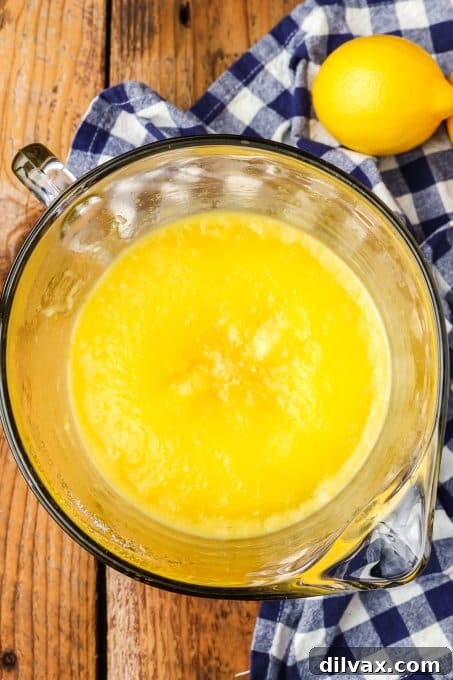
Pro Tips for Perfect Lemon Curd Every Time:
- **Fresh is Best for Lemon Juice:** Always use freshly squeezed lemon juice. Bottled lemon juice, while convenient, often contains preservatives and lacks the nuanced, bright flavor of fresh lemons, resulting in a noticeably different (and often less appealing) taste.
- **Gentle Heat is Crucial for Eggs:** When microwaving, starting at 50% power for the first minute is vital. This gentle heating prevents the eggs from scrambling, which is a common pitfall. If using the stovetop, maintain a low heat and stir constantly for the same reason. Scrambled eggs mean lumpy curd!
- **Troubleshooting Lumps:** If your curd does develop small lumps, it’s likely due to the eggs cooking too quickly. Don’t despair! You can easily fix this by pushing the curd through a fine-mesh strainer. Alternatively, an immersion blender can smooth out minor lumps effectively, giving you that desired silky texture.
- **Preventing a Skin:** To avoid a thick, rubbery “skin” from forming on the surface as the curd cools, press a piece of plastic wrap directly onto the surface of the warm curd. This creates an airtight seal, preserving its smooth texture.
- **Speed Up Cooling:** If you’re in a hurry, placing the warm curd in the refrigerator can help it cool and thicken more quickly. Stir it occasionally during the initial cooling phase if you haven’t used plastic wrap.
- **Don’t Overcook:** Overcooking the curd can make it too thick, gluey, or even cause the eggs to curdle. Always remove it from the heat once it coats the back of a spoon. Remember, it will continue to thicken as it cools.
Stovetop Method: A Classic Approach to Lemon Curd
While the microwave method offers incredible convenience, many prefer the traditional stovetop technique, which allows for more precise temperature control. You don’t necessarily need a double boiler, though it can provide an extra layer of gentleness for the eggs. Here’s how to adapt this recipe for the stovetop:
Simply combine all the ingredients (melted butter, sugar, lemon zest, eggs, egg yolk, and fresh lemon juice) in a small saucepan. Place the saucepan over low heat. The key here is to whisk constantly and vigorously. Continue whisking for about 8-9 minutes, or until the mixture visibly thickens. Just like with the microwave method, it should be thick enough to coat the back of a spoon, leaving a clear trail when you run your finger across it. The constant whisking prevents the eggs from scrambling and ensures a smooth, even cook. Once thickened, remove from heat and proceed with straining and cooling as described in the microwave method.
The stovetop method typically takes a bit longer but yields a beautifully consistent curd. Just be patient and keep that whisk moving!
Can I Double the Lemon Curd Recipe?
Absolutely! This lemon curd recipe doubles beautifully, making it perfect for when you need a larger batch for extensive baking projects, holiday gifts, or simply to keep a generous supply on hand. For the best results when doubling:
- **Use an Appropriately Sized Bowl/Saucepan:** Ensure you use a larger microwave-safe bowl or saucepan to accommodate the increased volume without overcrowding, which can affect cooking time and evenness.
- **Adjust Cooking Time:** Expect the cooking and thickening process to take a bit longer, whether you’re using the microwave or stovetop. Be prepared to add extra minutes to the microwave intervals or extend the whisking time on the stovetop. Continue to check for the “coat the back of a spoon” consistency as your guide, rather than strictly following the original timing.
- **Whisk Thoroughly:** With a larger quantity, thorough and consistent whisking becomes even more important to prevent lumps and ensure even cooking.
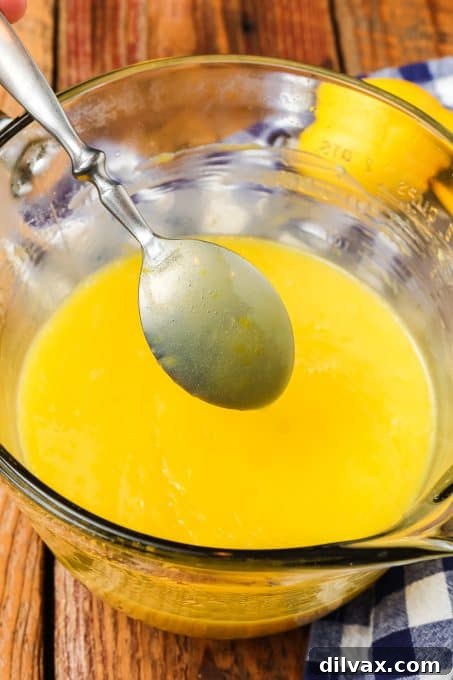
Storing Your Homemade Lemon Curd: Refrigerator & Freezer Tips
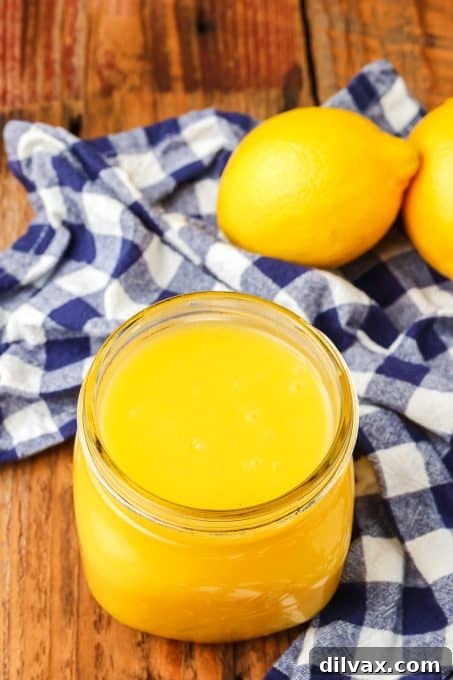
One of the many advantages of homemade lemon curd is its excellent shelf life, especially when stored correctly. Once your curd has completely cooled, transfer it to a clean, airtight container – glass jars are ideal for both refrigeration and freezing. Ensure the container is filled as much as possible to minimize air exposure, which can lead to oxidation.
- **Refrigerator Storage:** In the refrigerator, homemade lemon curd will stay fresh and delicious for up to 3 weeks. Always store it in an airtight container to prevent it from absorbing other odors from your fridge.
- **Freezer Storage:** Yes, you can freeze lemon curd! It keeps wonderfully in the freezer for up to 3 months without any significant loss of flavor or texture. For best results, allow the curd to cool completely before transferring it to a freezer-safe container. Leave a little headspace in the container to allow for expansion. When you’re ready to use it, simply thaw the frozen lemon curd in the refrigerator overnight. Once thawed, give it a good stir to restore its smooth consistency before serving. Freezing is a fantastic way to prepare larger batches in advance for future baking or gifting.
Knowing how to properly store your lemon curd means you can always have this sunny, versatile spread ready for any culinary whim.
Creative Ways to Enjoy Your Homemade Lemon Curd & Other Lemon Delights
Now that you have a fresh batch of irresistible lemon curd, the possibilities are endless! Its bright flavor and smooth texture make it a versatile ingredient for a myriad of sweet applications. Here are some fantastic ways to enjoy your lemon curd, alongside other delightful lemon-flavored recipes:
Versatile Uses for Lemon Curd:
- **Classic Desserts:** As mentioned, it’s perfect for Lemon Meringue Pie and Lemon Bars.
- **Breakfast & Brunch:** Spread generously on warm toast, scones, English muffins, or croissants. Stir a spoonful into your yogurt or oatmeal for a tangy twist.
- **With Fruit:** Spoon it over fresh berries (strawberries, blueberries, raspberries) for a simple yet elegant dessert. It’s also wonderful with sliced bananas or peaches.
- **Cake & Cupcake Fillings:** Use it as a vibrant filling for layer cakes or cupcakes, paired with a vanilla or cream cheese frosting.
- **Tartlets & Tarts:** Create stunning individual tartlets or a large lemon tart with a buttery crust and a generous filling of homemade curd.
- **Trifles & Parfaits:** Layer lemon curd with whipped cream, cake cubes, and fresh fruit for a beautiful and refreshing trifle or parfait.
- **Cheesecake Topping:** Drizzle warm lemon curd over a No-Bake Lemon Cheesecake or traditional baked cheesecake.
- **Crepes & Pancakes:** Fill delicate Lemon Crepes or serve alongside fluffy pancakes and waffles.
- **Ice Cream & Sorbets:** A spoonful of lemon curd can transform plain vanilla ice cream or sorbet into a gourmet treat.
- **Cookies & Sandwiches:** Use it as a filling for shortbread cookies or in other lemon-infused cookie recipes like Lemon Cake Mix Cookies.
Explore More Zesty Lemon Recipes:
- Lemon Dream Bars – A no-bake delight featuring a lemon cookie crust, luscious lemon curd, creamy cheesecake filling, and a fluffy Cool Whip topping, offering a burst of citrus flavor in every bite.
- Easy Lemon Cake – A light and refreshing cake, perfect for spring celebrations like Easter or Mother’s Day, or simply to brighten any day of the year.
- Lemon Crepes – Delicate, thin pancakes filled with a zesty mascarpone-cottage cheese mixture and crowned with homemade lemon curd for an unforgettable breakfast or dessert.
- Lemon Meringue Cheesecakes – Individual cheesecakes featuring a vibrant lemon filling, perfectly complemented by a cloud of toasted meringue.
- Lemon Cake Mix Cookies – Incredibly soft, sweet, and bursting with zesty lemon flavor, these cookies are a quick and easy way to satisfy your citrus cravings.
- Copycat Chick-fil-A’s Frosted Lemonade – A refreshing, creamy, and tangy beverage that tastes just like the popular restaurant classic, perfect for a hot day.
STAY CONNECTED WITH ME
For more delicious recipes and kitchen inspiration, be sure to follow me on social media!
FACEBOOK ~ PINTEREST
INSTAGRAM ~ TWITTER
YOUTUBE
Don’t Miss Out! Keep an eye out for more of my easy and delightful recipes each week!
This recipe was graciously shared with me from Mary at Barefeet in the Kitchen. A heartfelt thank you, Mary! ❤️ I encourage you to visit her site for a treasure trove of fabulous recipes and culinary inspiration!
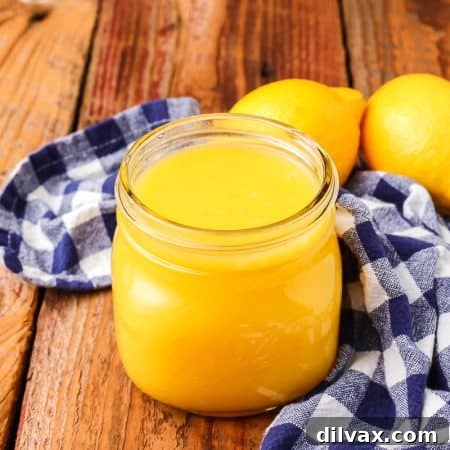
Lemon Curd
Ingredients
- ½ cup unsalted butter
- 1 ¼ cups granulated sugar
- 3 large eggs
- 1 large egg yolk
- 1 cup fresh lemon juice
- ¼ cup finely minced lemon zest (from 3 large lemons)
Instructions
- Melt the butter in a small dish in the microwave.
- Whisk the sugar and zest together in a medium size glass bowl. Add the eggs and egg yolk, and mix. Add the lemon juice and zest, and whisk again. Slowly incorporate the butter while whisking, and whisk once more until smooth.
- Microwave at 50% POWER for 1 minute.
- Remove from the microwave and stir. Microwave an additional minute at full power and stir again. Repeat the process so that you’re microwaving an additional 2-3 minutes and stirring after each minute. The mixture will be fully cooked when it is thick enough to coat the back of a spoon.
- If desired, curd can be pushed through a fine mesh strainer to remove excess lemon zest.
- As it cools, the curd will thicken into a spoonable consistency. Pour into glass jars and cover with air-tight lids. Store in the refrigerator for about three weeks.
Notes
Nutrition
Calories: 192 kcal |
Carbohydrates: 25g |
Protein: 2g |
Fat: 10g |
Saturated Fat: 6g |
Polyunsaturated Fat: 1g |
Monounsaturated Fat: 3g |
Trans Fat: 0.3g |
Cholesterol: 90mg |
Sodium: 87mg |
Potassium: 50mg |
Fiber: 0.3g |
Sugar: 23g |
Vitamin A: 356IU |
Vitamin C: 11mg |
Calcium: 17mg |
Iron: 0.3mg
Did you make this recipe?
Share it with me on Instagram and make sure to follow me on Pinterest for more recipes.
Pin Recipe
Share Recipe
This post was originally published on March 22, 2017. It has been thoroughly updated with fresh content, enhanced formatting, and new pictures on April 17, 2023, to provide the best possible experience for our readers.