
Mastering Pork Cuts: Your Essential Guide to Selection, Cooking, and Delicious Recipes
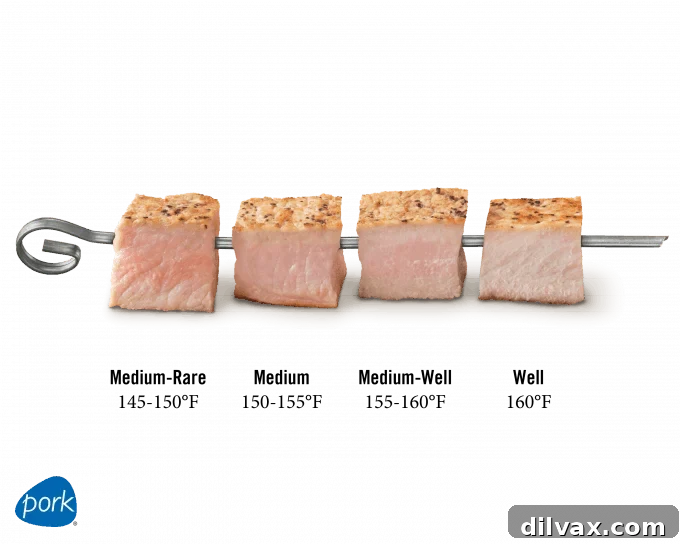
Ever wondered about the perfect cooking temperatures for your favorite pork dishes? The image above highlights the essential guidelines for fresh-cut muscle meats like pork chops, roasts, loin, and tenderloin. Achieving the ideal internal temperature is key to unlocking succulent, flavorful pork every time.
I am proud to partner with the National Pork Board to bring you this sponsored post. As always, all opinions are 100% my own.
The world of pork cuts is incredibly diverse, offering an astonishing array of flavors and textures that can transform any meal. From tender pork loin to crispy bacon, each cut presents unique culinary possibilities. For many, navigating this variety can seem daunting, but it doesn’t have to be. My journey into understanding pork deepened significantly after my first pig farm tour in 2015, an experience that unveiled the intricate process of pork fabrication.
What exactly is pork fabrication? It’s the fascinating process where a skilled butcher or chef meticulously breaks down the whole animal into the various cuts we find in our grocery stores – from bone-in roasts to boneless tenderloins. Witnessing this first-hand during my three tours with the National Pork Board has been an eye-opening and truly “cool” experience, revealing the artistry and precision behind preparing quality pork for consumers.
SAVE THIS COMPREHENSIVE GUIDE TO PORK CUTS TO YOUR FAVORITE PINTEREST BOARD!
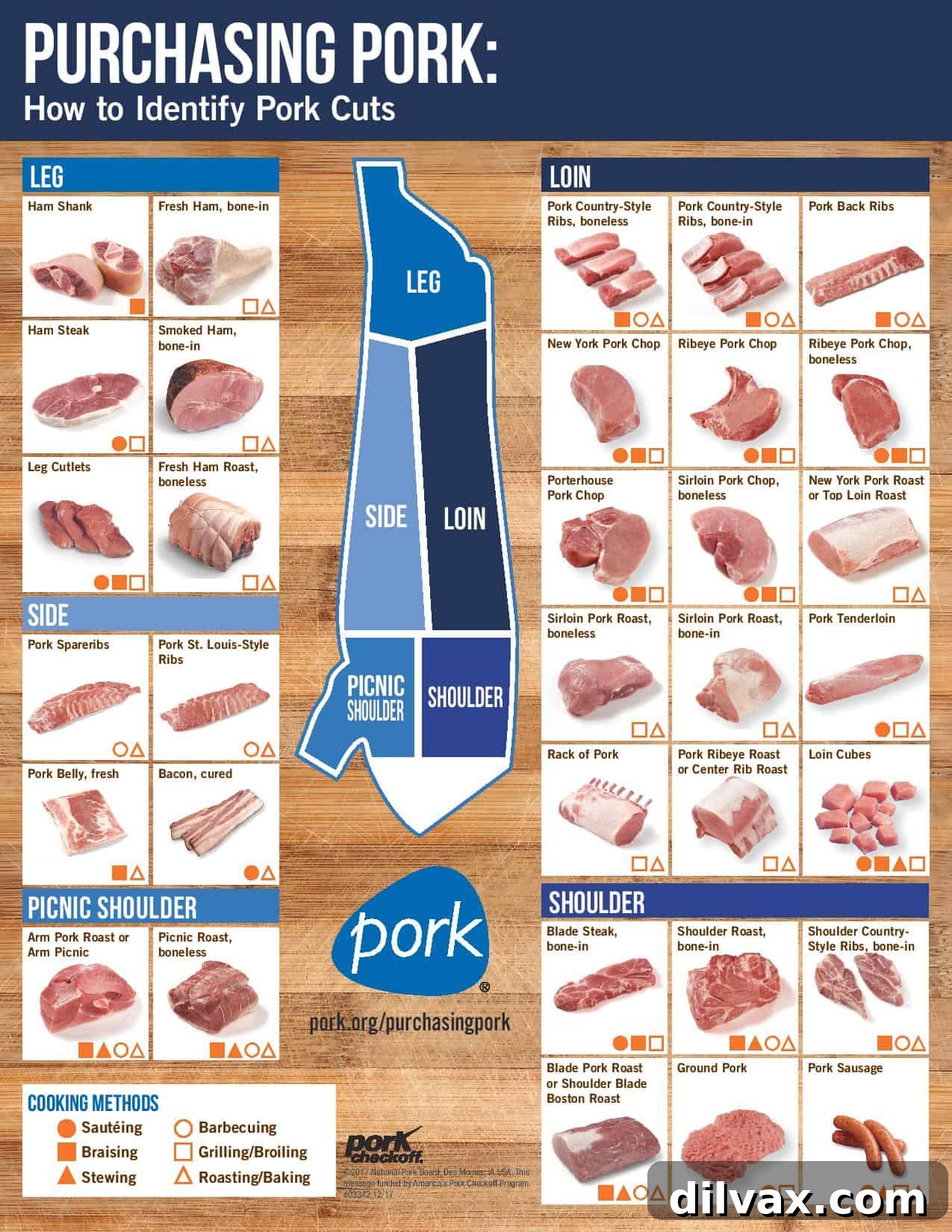
This detailed graphic from the National Pork Board is truly invaluable. Before seeing a fabrication, I had no idea that so many distinct cuts, especially beloved bacon, originated from such specific parts of the pig. Observing chefs expertly dissect the pig and highlight where each consumer cut is located has given me a profound appreciation for the animal and the skilled hands that prepare it. It’s like watching a complex puzzle being deconstructed, an endless source of fascination.
Insights from the Farm: A Trip to East Lansing, Michigan
Before we dive deeper into the specifics of pork cuts and their culinary applications, let me share a bit about my most recent visit to pig farms in East Lansing, Michigan. In late September, I had the privilege of touring several pig farms, gaining first-hand insight into their daily operations. It’s easy to think that once you’ve seen one pig farm, you’ve seen them all, but this couldn’t be further from the truth!

My previous tours in Iowa and South Dakota, along with this trip to Michigan, have consistently shown me that while there are universal best practices for health, safety, and animal welfare, each farm has its own unique character. The most striking commonality, however, is that the vast majority of pig farms are family-owned and operated. These families pour their heart and soul into their farms, viewing it not just as a business, but as a legacy.
For these families, pig farming is a way of life, often spanning generations. It’s a testament to dedication, hard work, and a commitment to providing quality food. They meticulously plan for the future, ensuring their farms will continue to thrive for decades to come. Every tour has left me with new knowledge and a lasting impression, and my recent Michigan trip was no exception.
That’s me on the right, eagerly awaiting my turn to pet an adorable piglet.
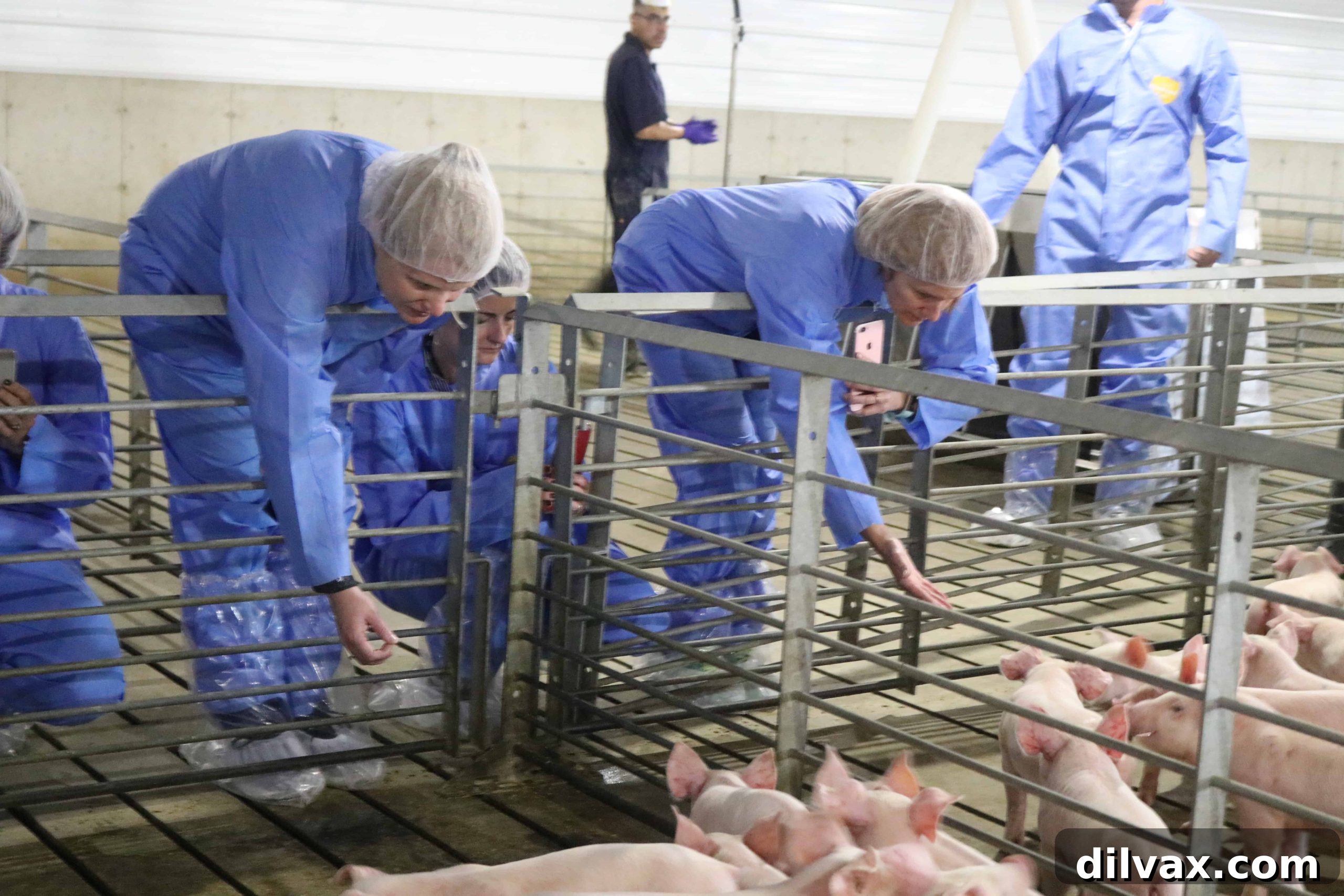
This particular trip highlighted the critical importance of air filtration in pig farming. While discussed on previous tours, the intricate details truly resonated with me this time. It’s a fascinating aspect of modern agriculture.
Air filtration is paramount not only for maintaining the health and well-being of the pigs but also for ensuring good neighbor relations. Advanced filtration systems, like the one pictured below, are installed both inside and outside the barns. Additionally, trees are strategically planted around the farms to help further dissipate and filter the air naturally.

Maintaining optimal temperatures within the pig barns is another vital practice, especially given the unpredictable nature of weather. Animals, like humans, need to be kept comfortable and stress-free. If pigs are too hot or too cold, they may expend unnecessary energy trying to regulate their body temperature, which can impact their appetite and overall health. This thoughtful approach to environmental control is just one example of the sophisticated science and care that goes into modern pig farming, something that consistently leaves me in awe.

As mentioned, pig fabrication remains one of my favorite parts of these tours. My long-standing interest in anatomy makes observing the skilled breakdown of an animal incredibly captivating. Understanding where each cut of meat originates from provides an invaluable perspective on our food. While I may not yet be able to identify every cut’s exact location from memory, with a few more sessions, I might just get there!
During my Michigan trip, Chef Neel Sahni of the National Pork Board expertly demonstrated the fabrication process. Simultaneously, Chef Kurt Kwiatkowski, Michigan State’s corporate chef of culinary services, shared insights into the diverse array of pork recipes featured on their university menus, showcasing the versatility of this protein.

What is the Best Temperature to Cook Pork? A Modern Approach to Perfect Pork
The ideal cooking temperature for pork depends on the specific cut, but there’s a revolutionary guideline you absolutely need to know, straight from the experts:
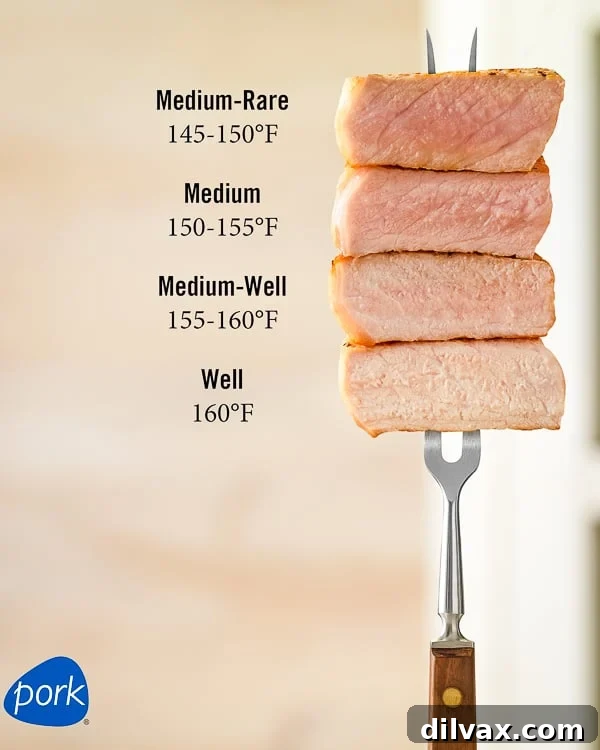
“The National Pork Board now recommends cooking fresh cut muscle meats like pork chops, pork roasts, pork loin, and tenderloin to an internal temperature of 145° F, followed by a three-minute rest.”
National Pork Board
This recommendation has changed the game for home cooks everywhere! Gone are the days of dry, tough, overcooked pork chops like the ones our grandmothers might have inadvertently made. The old adage of cooking pork until it was white all the way through is a thing of the past. Today, it’s perfectly acceptable, and indeed encouraged, to have a slight pink tint in the middle of your pork. This modern approach ensures your pork is incredibly juicy, tender, and bursting with flavor. Trust me, you’ll savor every bite of a perfectly cooked, succulent pork dish!
To ensure accuracy and safety, always use a reliable meat thermometer. It’s your best friend in the kitchen for achieving consistently delicious results. For a detailed breakdown of recommended cooking temperatures for various cuts of pork, you can find more information directly from the National Pork Board here.
Exploring Popular Pork Cuts and Mouthwatering Recipes
With such a vast array of pork cuts available, it’s impossible to cover every single one here. However, this guide will focus on some of the most popular and versatile cuts, along with incredible recipes to inspire your next meal. I highly recommend you PIN this comprehensive graphic for future reference – it’s an invaluable tool for understanding pork!
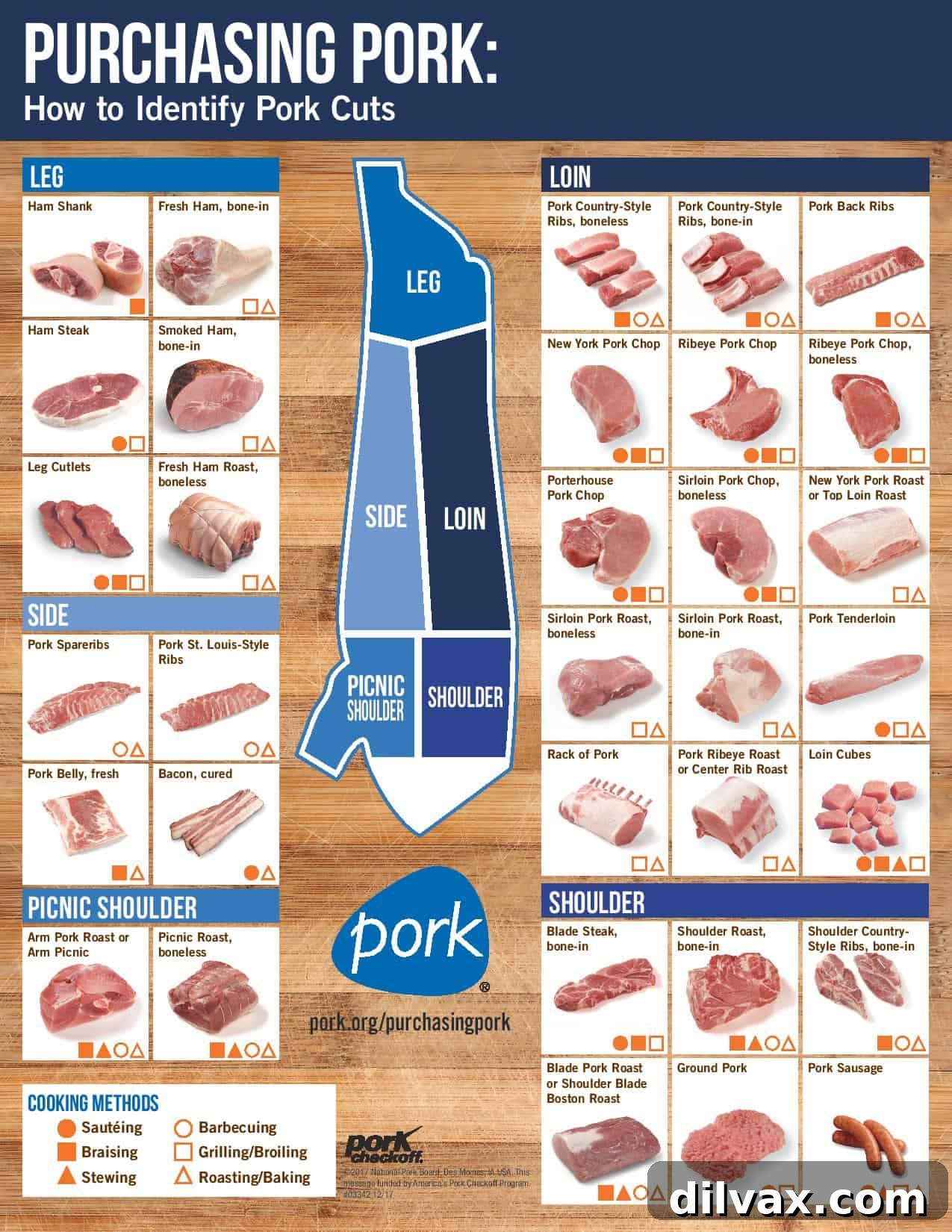
From the Leg of the Pig – Ham: A Holiday Favorite and Weeknight Wonder
The leg of the pig is where we get the classic ham, a cornerstone of holiday dinners and celebratory feasts. Its rich, savory flavor makes it a perennial favorite. Beyond special occasions, ham is incredibly versatile for everyday meals too.
Ham and Cheese Party Sandwiches

For a quick and delicious weeknight dinner, ham steaks are a fantastic choice. They’re typically pre-cooked, so preparation is a breeze. Simply fire up the grill, mix a touch of honey with your favorite BBQ sauce, slather it generously on both sides of the ham, and grill for about 3 minutes per side. Dinner truly couldn’t be simpler or more satisfying!
From the Side of the Pig – Bacon and Spareribs: Irresistible Indulgences
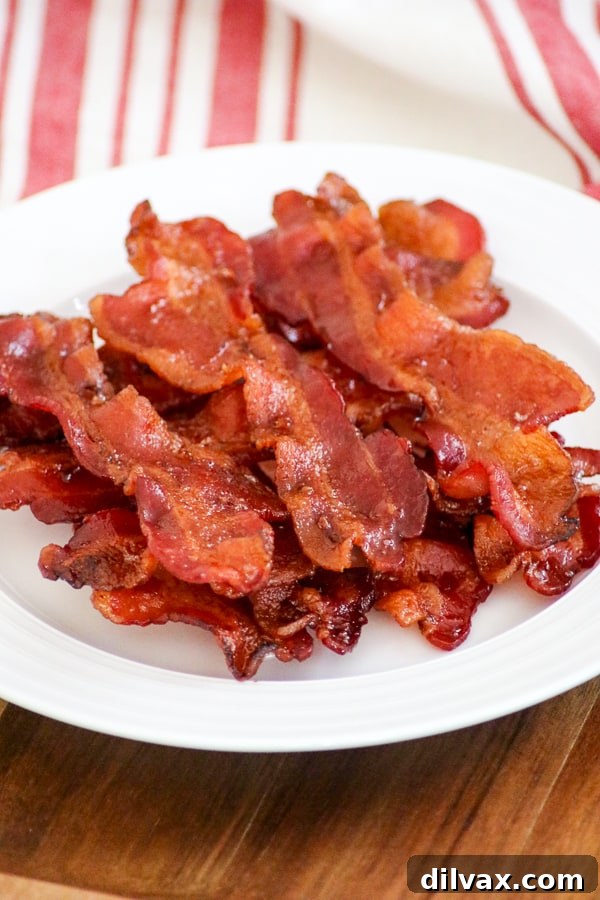
Without a doubt, bacon is one of the most universally adored pork cuts, originating from the side of the pig. Its crispy texture and smoky flavor are simply irresistible, making it a breakfast staple and a delicious addition to countless dishes. I’ve perfected a method for consistently crispy bacon every single time:
Baking Bacon – How To Bake Bacon in the Oven
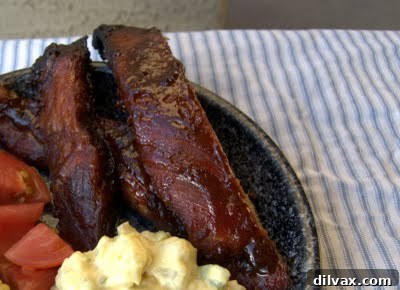
Also from the side of the pig, spareribs offer a wonderfully savory, fall-off-the-bone experience. They are perfect for slow cooking or barbecuing, creating a deliciously messy, stick-to-your-fingers meal that everyone loves.
Barbecued Spare Ribs
From the Picnic Shoulder of the Pig – Pulled Pork: Slow-Cooked Perfection
The pork shoulder, often labeled as a picnic shoulder, is the go-to cut for the ultimate pulled pork. This cut is rich in connective tissue, which breaks down beautifully during slow cooking, yielding incredibly tender and flavorful results. Pulled pork is a versatile dish perfect for sandwiches, tacos, or as a main course.
This delightful Dr. Pepper Crock Pot Pulled Pork Recipe from Holly at Spend with Pennies is packed with flavor and so easy to make in a slow cooker. Holly wisely advises checking labels, as this cut might sometimes be named differently, but it’s the robust shoulder you’re looking for to create this mouthwatering dish.
From the Loin of the Pig – Tenderloins, Chops, and Roasts: Lean and Versatile
The loin section of the pig offers some of the leanest and most versatile pork cuts, ideal for a wide range of cooking methods and flavor profiles. The pork tenderloin, for instance, is incredibly tender and quick-cooking, making it perfect for elegant dinners or fast weeknight meals. Its mild flavor also allows it to pair beautifully with various marinades and sauces.
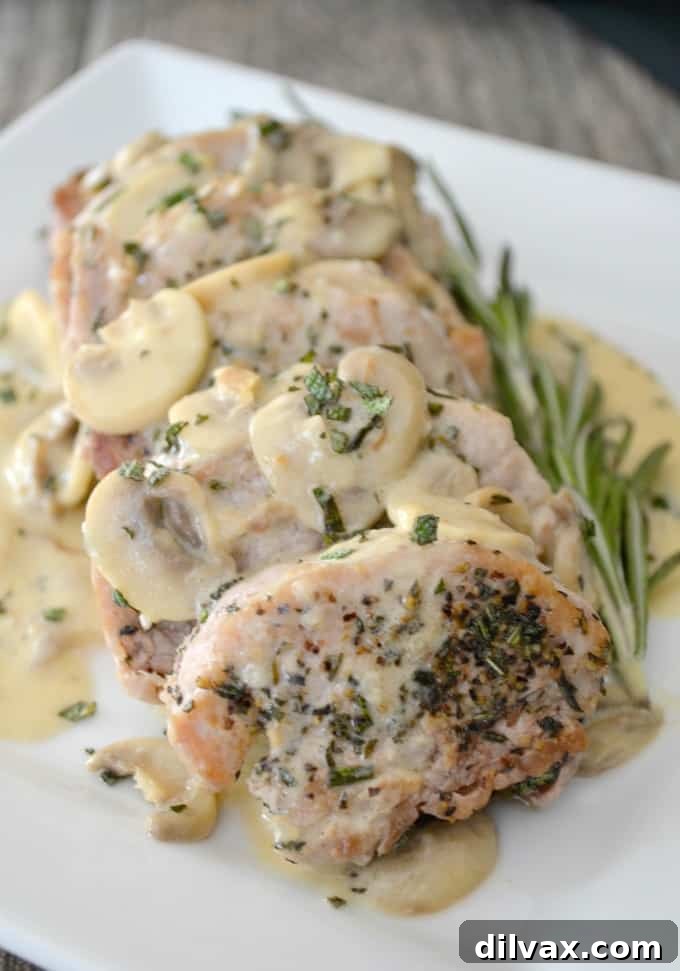
Try slicing it into medallions for this savory dish:
Rosemary Pork Medallions with Mushroom Wine Sauce
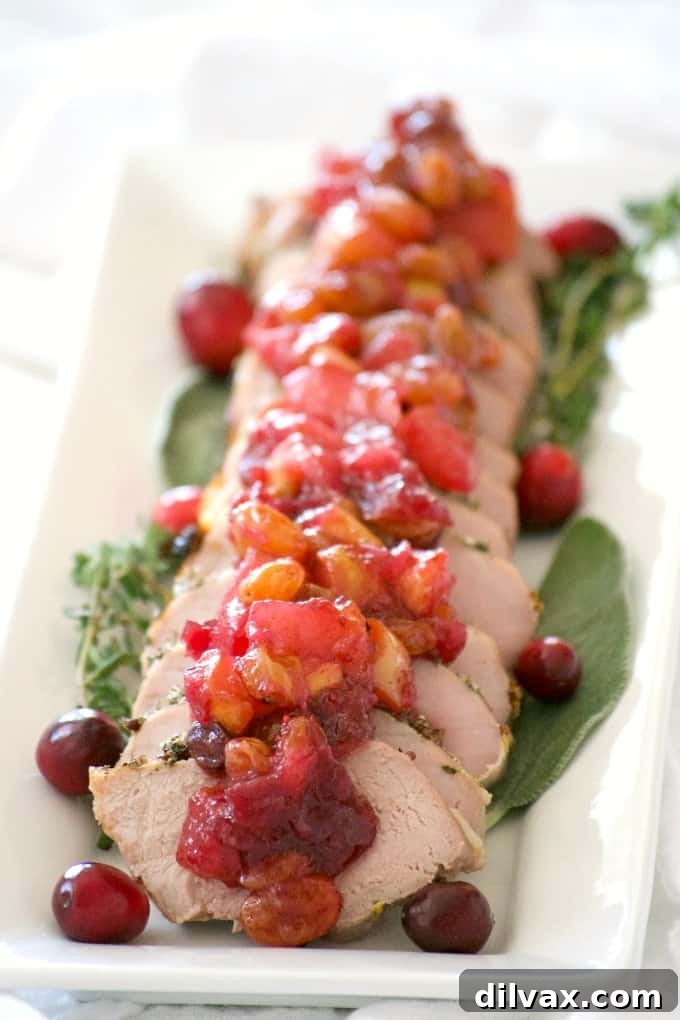
For a festive touch, especially during the holidays, this roasted tenderloin dish is a showstopper:
Dijon Herb Roasted Pork with Cranberry-Pear Chutney
And, of course, the classic pork chop also comes from the loin. Modern cooking techniques ensure these are tender and juicy, a far cry from the dry chops of decades past.
These Apple Butter Skillet Pork Chops from Becky at The Cookie Rookie sound absolutely incredible. The combination of pork and apples is a timeless pairing that always delivers exceptional flavor. For something truly special, my Parmesan Pork Chops with Pesto were such a hit that my husband, Kurt, declared them one of my top 10 dinner creations. They are unbelievably juicy and flavorful – a complete transformation from the pork chops of the 70s!
Just look at them, don’t they make your mouth water?

The rack of pork, another impressive cut from this region, is perfect for roasting and makes a stunning centerpiece for any meal. I haven’t tackled a rack of pork yet, but April from Mama Loves Food created this magnificent Fig Glazed Rack of Pork. It promises to be the highlight of your holiday table, both in presentation and taste!
From the Shoulder of the Pig – Pernil, Sausage, and Ground Pork: Global Flavors and Everyday Essentials
The pork shoulder, distinct from the picnic shoulder, is another robust cut that’s incredibly versatile. Pork is, in fact, the most widely consumed meat globally, and in many cultures, it holds a place of honor. As Meseidy of The Noshery, originally from Puerto Rico, shares, “Pork is king” in her homeland. Her expertise shines through in her phenomenal pork recipes.
Her Slow Cooked Puerto Rican Pork Pernil, a traditional native dish utilizing the pork shoulder, sounds absolutely divine. Any recipe made in a slow cooker is a gift, and this one promises incredible depth of flavor and tender meat.
Beyond whole roasts, the shoulder also yields two incredibly popular and adaptable forms: pork sausage and ground pork. Pork sausage is incredibly versatile – grill it as links, slice it into casseroles, or crumble it into sauces. It makes a fantastic pizza topping, too!
In the American South, sausage gravy is a beloved breakfast staple. Jessica at Real Housemoms provides a step-by-step guide to making a truly mouthwatering Sausage Gravy that would be utterly delicious served over warm, homemade buttermilk biscuits on any morning.
At my home, ground pork is a frequently used ingredient for countless dishes. One of my absolute favorite recipes using it is these incredible:
Pork Potstickers
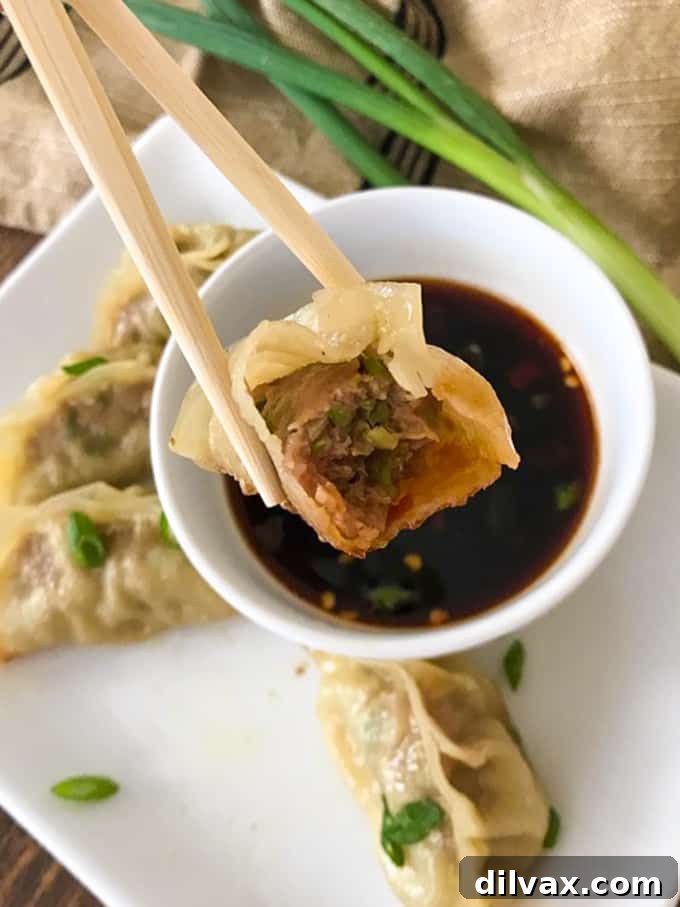
These potstickers are OMG delicious, and their accompanying sauce is simply incredible. I could honestly eat an entire batch myself! They’re relatively easy to make; while wrapping them takes a little practice, you’ll be a pro in no time. Plus, they don’t need to be perfect – they’re destined for your tummy anyway!
Another hugely popular ground pork recipe in our household are these:
Cheesy Spiced Pork Burgers
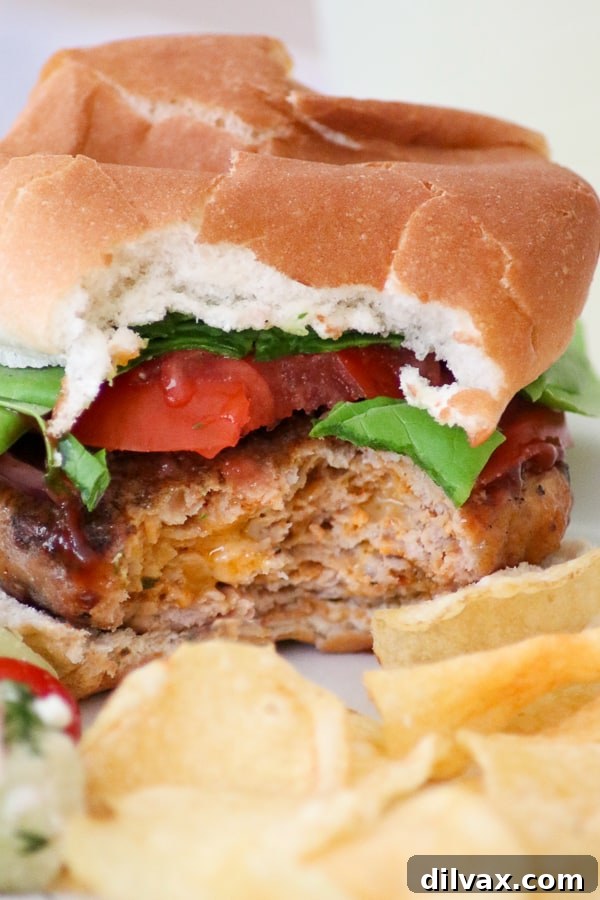
YOWZA! These burgers truly rival any steakhouse offering. Kurt absolutely adores them, and they have become our preferred way to make burgers. Pork burgers are where it’s at, baby!
While we’ve covered the recommended cooking temperatures for all muscle meats, it’s crucial to note an important distinction for ground pork:
The recommended cooking temperature for ground pork is 160° F, not 145° F.
Always remember to use your trusty meat thermometer to ensure both safety and deliciousness!
~ FOLLOW ME ~
FACEBOOK ~ PINTEREST
INSTAGRAM ~ TWITTER
SIGN UP FOR THE 365 DAYS OF BAKING & MORE
NEWSLETTER!
JOIN THE 365 DAYS OF BAKING AND MOREFACEBOOK GROUP TO RECEIVEADVANCE NOTICE OF MYLIVE FB VIDEOS, SHARE RECIPES AND MORE!
Thank you for delving into this comprehensive guide to pork cuts. I hope that exploring the variety, understanding the farming practices, and learning about modern cooking temperatures has enriched your appreciation for this incredible protein. My own understanding has certainly deepened through experiences like witnessing pork fabrication and studying the detailed cut graphics.
Pork is a truly wonderful, wholesome, and delicious meat that offers unparalleled versatility in the kitchen. It can be prepared in countless ways to suit any meal of the day – from a hearty breakfast, a satisfying lunch, a gourmet dinner, and yes, even dessert (especially when bacon is involved!).