
The Ultimate Guide to Naturally Unclogging Your Bathroom Sink Drain
Say Goodbye to Slow Drains and Hello to a Sparkling Clean Sink
We’ve all been there: standing at the bathroom sink, brushing our teeth or washing our hands, only to watch the water slowly, agonizingly slowly, creep down the drain. It’s more than just an inconvenience; a sluggish drain can quickly become a breeding ground for germs, bacteria, and unpleasant odors, especially during flu season. While this post might not be about gourmet cooking, it’s intimately connected to maintaining a healthy and hygienic environment in one of the most essential rooms in your home: the bathroom.
My Personal Battle with the Stubborn Slow Drain
Since moving into our current home, the master bathroom sinks have presented a persistent challenge with their perpetually slow drainage. It was so frustratingly slow that I eventually resorted to calling a professional plumber. His intervention offered temporary relief for my sink, but within a few months, the familiar problem resurfaced. While my shoulder-length hair undoubtedly plays a significant role in contributing to these blockages, I suspect the drains might have been in a less-than-optimal state even before we moved in, perhaps due to years of accumulated grime from previous occupants.
The thought of tackling a clogged drain often conjures images of messy, unpleasant tasks. The idea of removing the U-pipe beneath the sink, exposing its contents, fills me with absolute dread. The sheer thought of encountering that “gross black gook” makes my skin crawl. Honestly, even just removing the sink stopper to gain access to the drain was enough to make me gag a little. Yes, I’ll admit it – when it comes to plumbing crud, I’m a bit of a wuss.
Why Chemical Drain Cleaners Aren’t Always the Answer
Faced with a recurring problem and an aversion to traditional, often harsh, solutions, I began exploring alternatives. Many people reach for commercial chemical drain uncloggers, but I’ve personally found them to be largely ineffective, not to mention their strong, noxious fumes and their potential environmental and health hazards. These potent chemicals can be corrosive, posing a risk to your plumbing pipes over time, and their runoff can pollute our waterways. Furthermore, relying on them can be an expensive habit that rarely offers a permanent fix.
The Power of Nature: A Simple, Eco-Friendly Solution
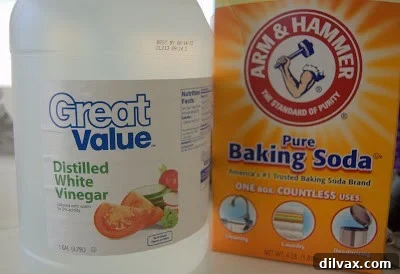
What if I told you there’s a highly effective, natural, and incredibly affordable solution hiding in your pantry? Forget those smelly, potentially damaging chemical concoctions. All you need are three readily available household staples: baking soda, white distilled vinegar, and plain old tap water. This powerful trio leverages a simple chemical reaction to break down clogs without harming your pipes or the planet.
I was skeptical at first, but I’m thrilled to report that this method worked like an absolute charm for my stubborn drain. The satisfaction of watching the water effortlessly swirl down the drain, instead of pooling in the basin, is truly delightful. Beyond the immediate relief of a clear drain, adopting this natural approach offers several compelling benefits:
- Eco-Friendly: You’re choosing a solution that’s kind to the environment, avoiding the release of harsh chemicals into our water systems.
- Cost-Effective: Baking soda and vinegar are incredibly inexpensive compared to specialized drain cleaners or plumber call-out fees.
- Safe for Pipes: Unlike corrosive chemicals, this gentle method won’t damage your plumbing infrastructure.
- Improved Hygiene: A free-flowing drain means less standing water, reducing the opportunities for bacteria and mold to flourish.
- Odor Elimination: The reaction can also help neutralize unpleasant odors lingering in your drain.
- DIY Empowerment: There’s a certain satisfaction that comes from solving a common household problem with simple, natural ingredients.
It’s a win-win situation – you get a perfectly functioning sink, and you contribute positively to environmental well-being. That’s some good karma right there! I originally found inspiration for this fantastic tip at Heavenly Homemakers, and I’m excited to share my experience with you.
A Glimpse into Real Life: Don’t Judge My Sink!
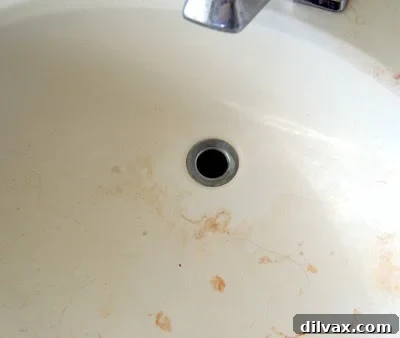
Before we dive into the step-by-step instructions, a quick note about the accompanying images: please don’t judge the cleanliness (or lack thereof) of my sink! I deliberately chose not to deep clean it before taking pictures. My aim is to provide an authentic, real-life depiction of the problem and its solution. My sink, with its everyday grime and even some lingering hair dye stains, is a testament to real life. I believe it’s important to show things as they are, not as a perfectly staged ideal.
How to Unclog a Sink Drain Naturally: Your Step-by-Step Guide
What You’ll Need:
- 1/2 cup baking soda
- 1 cup white distilled vinegar
- A large pot of boiling water
- An old rag or cloth
- A bowl or container (to catch drips)
- A damp cloth (for cleaning the drain area)
Instructions:
-
Prepare Your Workspace and Protect Against Drips
First things first, let’s prepare for any potential mess. Place a bowl or a sturdy container directly underneath the U-pipe of your sink. While this method isn’t typically extremely messy, a few drips can occur, and you’ll be glad you took this precautionary step to protect your cabinet base from any wet, yucky residue.
-
Access and Clean the Sink Stopper
If your sink has a stopper, you’ll need to remove it to ensure an unobstructed path for the cleaning agents. Locate the bolt or nut behind the pipe that releases the sink stopper mechanism. Unscrew it carefully, then gently pull the stopper straight up and out of the drain. This is an excellent opportunity to clean the stopper itself, as it’s often covered in accumulated soap scum, hair, and grime that contribute to slow drainage. Give it a good scrub with a brush and some all-purpose cleaner before setting it aside.

-
Clear the Drain Area
Using a damp cloth, take a moment to wipe around the drain opening. This helps remove any surface grime and ensures a clean area for the process to begin. More importantly, it helps the baking soda and vinegar make direct contact with the clog.
-
The Baking Soda Application
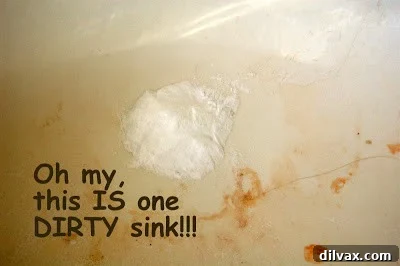
Carefully pour 1/2 cup of baking soda directly into the drain opening. Try to get as much of it down the drain as possible, rather than having it sit on the surface of the sink. Baking soda acts as a mild abrasive and odor neutralizer, and it’s the foundation for our chemical reaction.
-
Introduce the Vinegar and Contain the Reaction
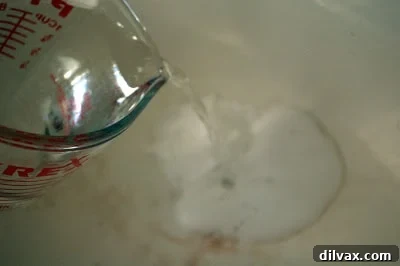
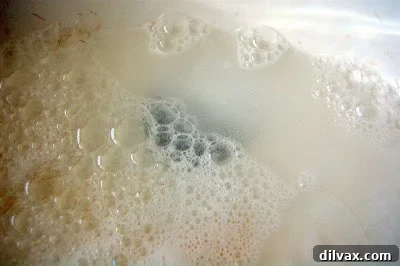
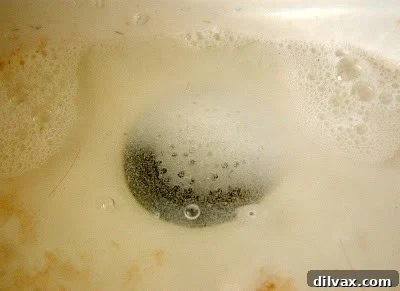
Now, slowly pour 1 cup of white distilled vinegar down the drain. As soon as the vinegar meets the baking soda, you’ll notice a vigorous fizzing and bubbling reaction. This effervescence is crucial, as it helps to loosen and break down the grime, grease, and hair that are causing the blockage. Immediately after pouring the vinegar, place an old rag or cloth firmly over the drain opening. This is a vital step: it helps to contain the chemical reaction within the pipes, forcing the foaming action downwards into the clog where it’s most effective, rather than allowing the bubbles to simply escape upwards into your sink basin.
-
Let the Magic Happen (Waiting Period)
Allow this powerful, natural mixture to work its magic for at least 30 minutes. For particularly stubborn clogs, you might even consider letting it sit for an hour or even overnight. During this time, the bubbling action continues to break down the organic matter clinging to your pipes. While you wait, use this opportunity to fill a large pot with water and bring it to a rolling boil on your stovetop.
-
Flush with Boiling Water
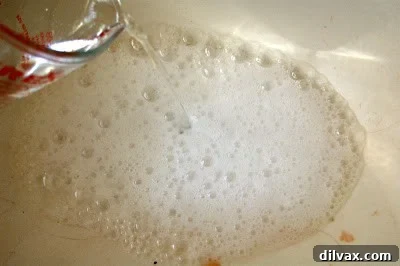
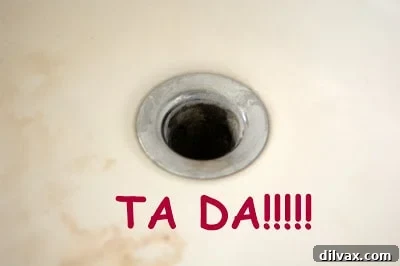
After the waiting period, remove the rag from the drain. Carefully and slowly pour the large pot of boiling water directly down the drain. The hot water will help flush away the loosened debris and any remaining baking soda and vinegar residue, clearing the path for free-flowing water. Listen for that satisfying gurgle as the water rushes down the newly unclogged drain! If you still notice some sluggishness, you can repeat the entire process, as some particularly stubborn clogs may require a second application.
Preventative Measures: Keeping Your Drains Clear Long-Term
While this natural unclogging method is incredibly effective, prevention is always better than cure. By adopting a few simple habits, you can significantly reduce the frequency of drain clogs in your bathroom:
- Use Drain Covers: Install simple mesh drain covers in your sink to catch hair, soap scum, and other debris before they enter the pipes. Clean these regularly.
- Brush Hair Before Showering/Washing: A quick brush of your hair before washing can significantly reduce the amount of hair that goes down the drain.
- Regular Hot Water Flush: Once a week, pour a kettle of boiling water down your drains to help melt away grease and soap residue before it can build up into a serious clog.
- Monthly Maintenance Treatment: Consider performing a mini baking soda and vinegar treatment (half the amount) once a month as a preventative measure, even if your drain isn’t actively clogged. This helps keep things flowing smoothly.
- Be Mindful of What Goes Down: Avoid pouring anything thick or greasy down your bathroom sink. Toothpaste can also contribute to clogs over time, so try to rinse your brush thoroughly.
When to Call a Professional
While natural remedies are powerful, there are situations where a professional plumber is the best course of action. If you’ve tried the baking soda and vinegar method a couple of times and your drain remains stubbornly clogged, or if you’re experiencing multiple slow drains throughout your home, it might indicate a deeper, more complex blockage in your main plumbing lines. Other signs that it’s time to call an expert include water backing up into other fixtures, foul sewage odors, or unusual gurgling sounds from your pipes. Don’t hesitate to seek professional help to avoid potential damage to your plumbing system.
Embracing a Chemical-Free Home
There’s a deep satisfaction in knowing you can maintain a clean and functional home using natural ingredients. Mother Nature truly provides us with incredible tools! In an age where our bodies and environment are constantly exposed to various pollutants, choosing chemical-free solutions for household chores is a small but significant step towards a healthier lifestyle. Anytime I can opt for natural ingredients in cleaning my home, I feel better about it, knowing I’m not adding unnecessary chemicals to our living space or the planet.
I’m genuinely interested to see how long this natural unclogging method holds up for my sinks. If, by any chance, it doesn’t entirely resolve your issue on the first attempt, don’t despair! A second application often does the trick for those truly stubborn blockages. A drain that requires two treatments must be one really clogged sink, and I certainly don’t envy that challenge!
Now, if you’ll excuse me, I’m off to give my bathroom the comprehensive clean it deserves, knowing my sinks are now running freely.
Wishing you clear drains, happy homes, and many “baking hugs and muffins” (and sparkling clean sinks with freely running water)!